

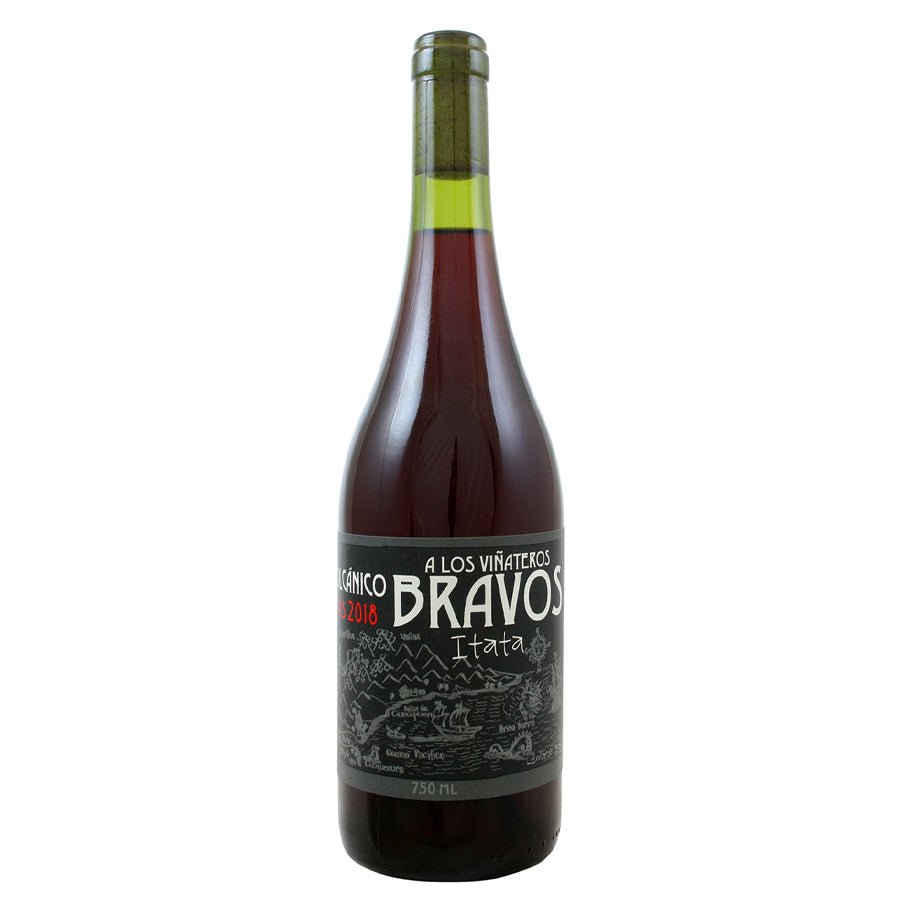


Venateros Bravos Volcanico Pais (Mission)
75cl
Producer Information
Producer Information
Grapes
Grapes
Pais,
Production
Production
Tasting Notes
Tasting Notes
What our staff say
What our staff say
Featured Blog Post
Featured Blog Post
Couldn't load pickup availability
 Open here


🚐 FREE LEEDS DELIVERY ON ORDERS OVER £50 🚐 FREE NATIONAL DELIVERY ON ORDERS OVER £150
🚐 FREE LEEDS DELIVERY ON ORDERS OVER £50 🚐 FREE NATIONAL DELIVERY ON ORDERS OVER £150
🚐 FREE LEEDS DELIVERY ON ORDERS OVER £50 🚐 FREE NATIONAL DELIVERY ON ORDERS OVER £150
🚐 FREE LEEDS DELIVERY ON ORDERS OVER £50 🚐 FREE NATIONAL DELIVERY ON ORDERS OVER £150
🚐 FREE LEEDS DELIVERY ON ORDERS OVER £50 🚐 FREE NATIONAL DELIVERY ON ORDERS OVER £150
🚐 FREE LEEDS DELIVERY ON ORDERS OVER £50 🚐 FREE NATIONAL DELIVERY ON ORDERS OVER £150
🚐 FREE LEEDS DELIVERY ON ORDERS OVER £50 🚐 FREE NATIONAL DELIVERY ON ORDERS OVER £150
🚐 FREE LEEDS DELIVERY ON ORDERS OVER £50 🚐 FREE NATIONAL DELIVERY ON ORDERS OVER £150
🚐 FREE LEEDS DELIVERY ON ORDERS OVER £50 🚐 FREE NATIONAL DELIVERY ON ORDERS OVER £150
🚐 FREE LEEDS DELIVERY ON ORDERS OVER £50 🚐 FREE NATIONAL DELIVERY ON ORDERS OVER £150
🚐 FREE LEEDS DELIVERY ON ORDERS OVER £50 🚐 FREE NATIONAL DELIVERY ON ORDERS OVER £150
🚐 FREE LEEDS DELIVERY ON ORDERS OVER £50 🚐 FREE NATIONAL DELIVERY ON ORDERS OVER £150
🚐 FREE LEEDS DELIVERY ON ORDERS OVER £50 🚐 FREE NATIONAL DELIVERY ON ORDERS OVER £150
🚐 FREE LEEDS DELIVERY ON ORDERS OVER £50 🚐 FREE NATIONAL DELIVERY ON ORDERS OVER £150
🚐 FREE LEEDS DELIVERY ON ORDERS OVER £50 🚐 FREE NATIONAL DELIVERY ON ORDERS OVER £150
🚐 FREE LEEDS DELIVERY ON ORDERS OVER £50 🚐 FREE NATIONAL DELIVERY ON ORDERS OVER £150
🚐 FREE LEEDS DELIVERY ON ORDERS OVER £50 🚐 FREE NATIONAL DELIVERY ON ORDERS OVER £150
🚐 FREE LEEDS DELIVERY ON ORDERS OVER £50 🚐 FREE NATIONAL DELIVERY ON ORDERS OVER £150
🚐 FREE LEEDS DELIVERY ON ORDERS OVER £50 🚐 FREE NATIONAL DELIVERY ON ORDERS OVER £150
🚐 FREE LEEDS DELIVERY ON ORDERS OVER £50 🚐 FREE NATIONAL DELIVERY ON ORDERS OVER £150
It is an offence to purchase alcohol under the age of 18,
We operate a Check 25 Policy at the point of delivery or collection.