Spotlight on the Grape and Cane Spirits of the America’s
Write up by Chris Nolan
Our focus for this blog is on the broad categories of Grape and Cane based distillates from the America’s. The aim is to show off some fantastic examples of spirits from well-known categories as well as to highlight some lesser known or even unknown spirits. With the focus being on grape and cane spirits, we will be sticking to the Caribbean and Latin America.
Grape Spirits
PISCO
Pisco is a little known spirit category in the UK. It seems that only bartenders know what it is and even then, it is only really drunk as a Pisco Sour cocktail. The name "pisco" comes from the Quechua word for bird, the only reason for this we have been able to find, is that it was once served from bottles shaped like a bird…as good of a reason as any I suppose!
Pisco is produced in both Chile and Peru. Peruvian’s vehemently claim ownership of Pisco and will not acknowledge the Chilean versions as true piscos! It does appear that Pisco originated in Peru, but the argument rages. Whilst Chilean’s do also claim pisco as their own, most Chilean’s I have spoken to are more chilled about the whole affair, they have a much larger wine market so we shall let Peru win this one.
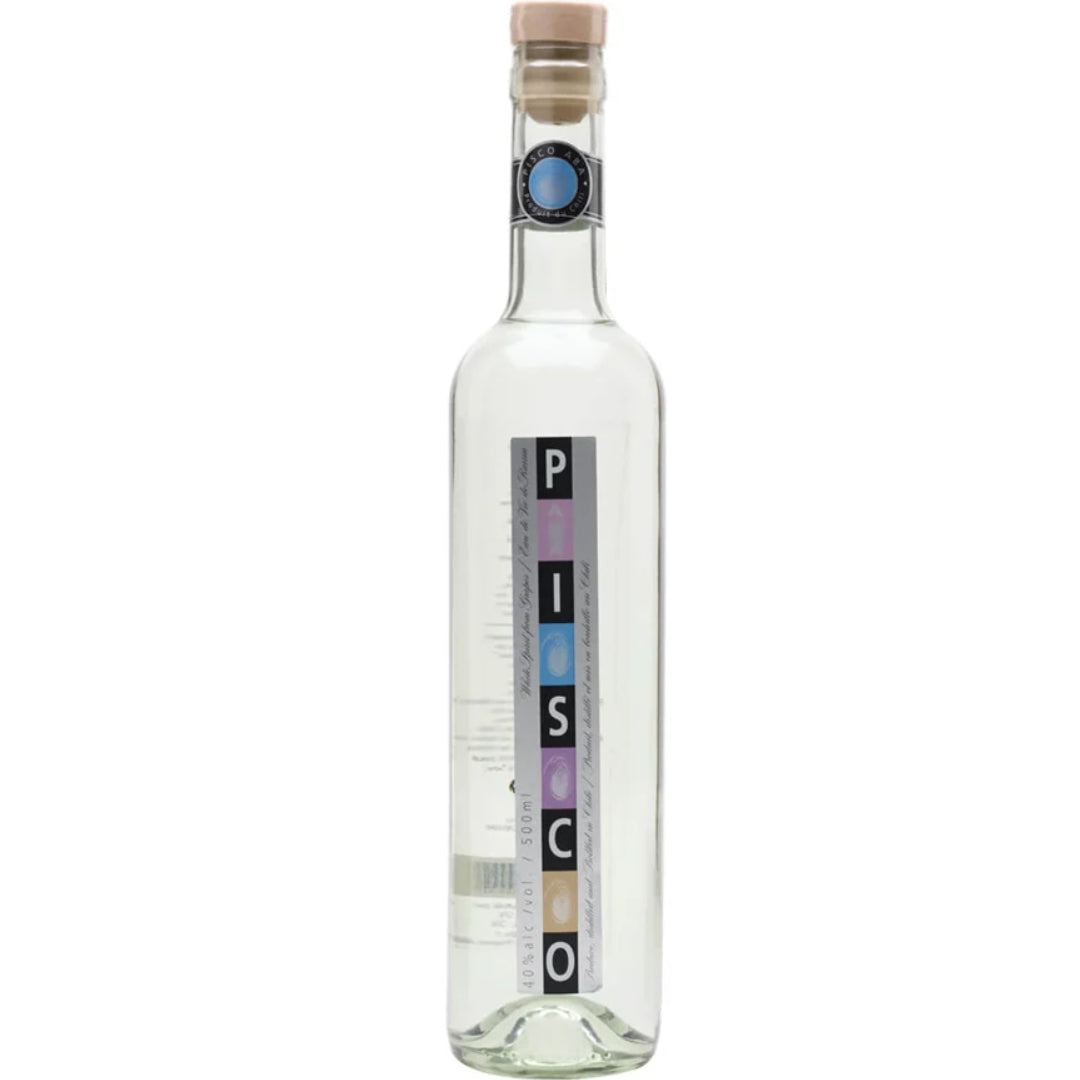
Some Pisco is aged in wood, not always oak, but you are very unlikely to encounter these styles in the British Isles. Instead, you are more likely to see the unaged examples. Think of these as an unaged grape brandy or “eaux di vie.” If you have been brutalised by Italian Grappa, please do not be alarmed by Pisco! Grappa is distilled from grape must, the left-over skins and pulp from making table wine and has a distinct “funk” to it. This is just an opinion, but for me, grappa is a waste of grape waste! Pisco on the other hand is distilled from healthy grapes, produced specifically for the purpose of distilling into brandy. To keep both sides of the border happy, we currently stock two Pisco’s, a Chilean and Peruvian.
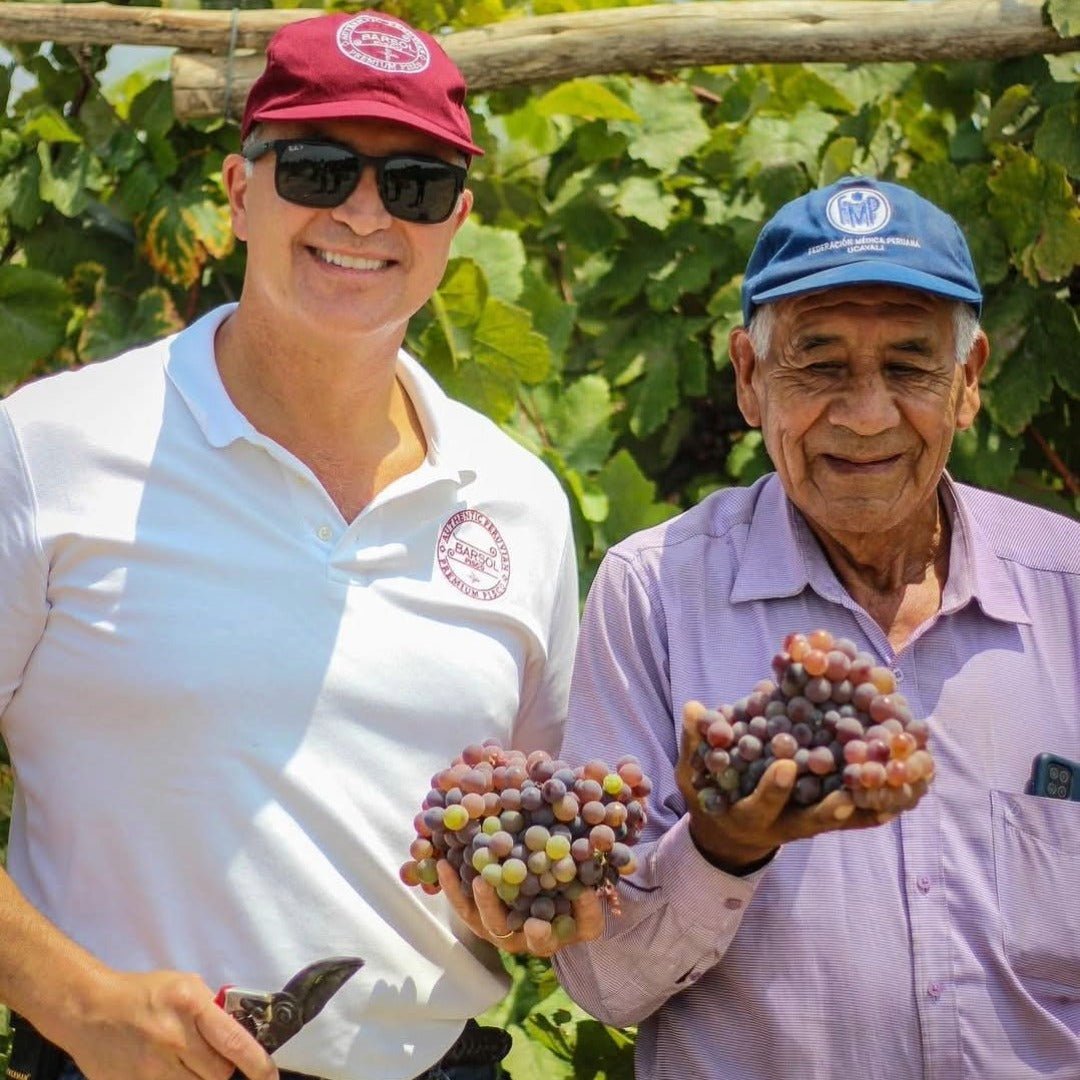
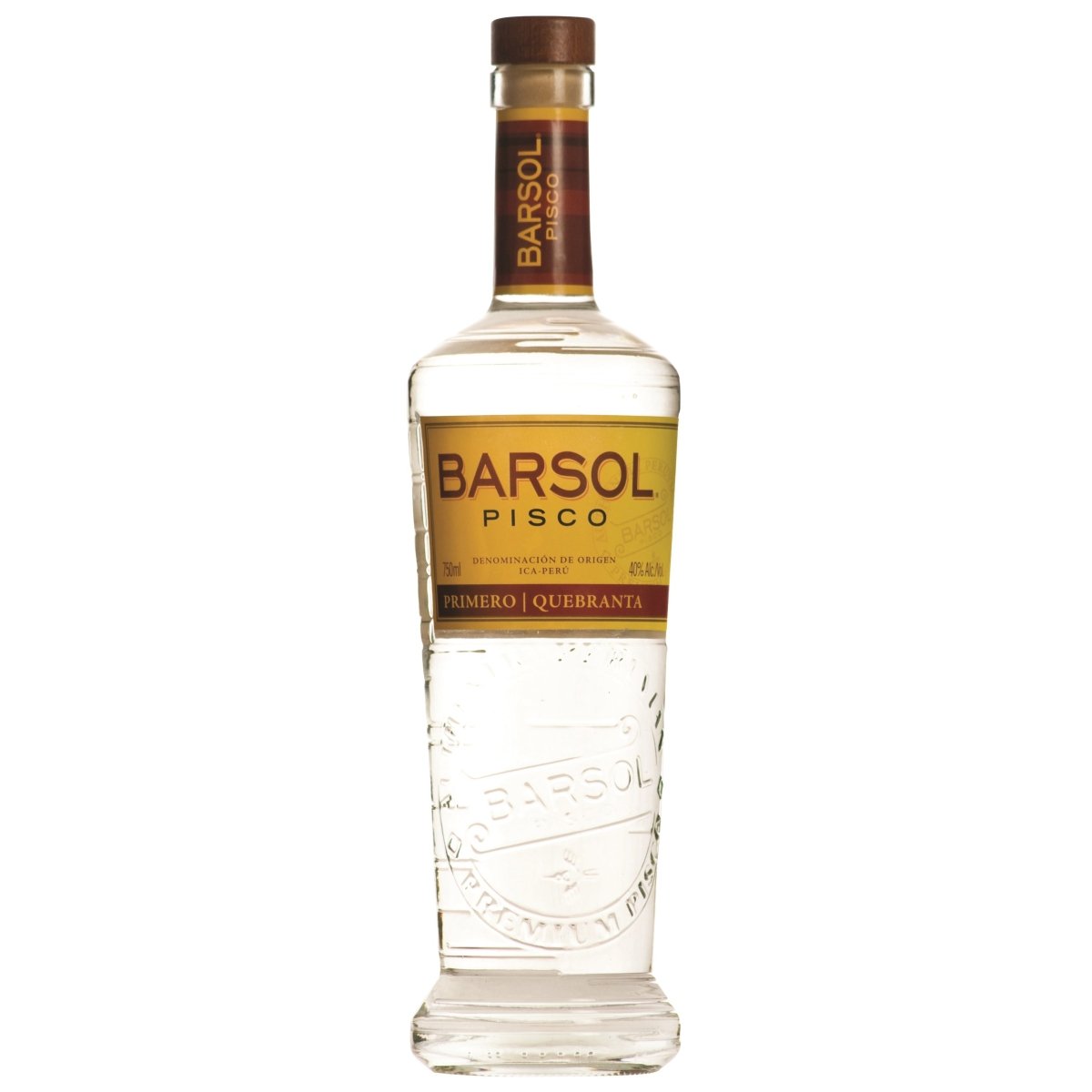
Pisco’s vary wildly depending on the grape varieties used and both of the Pisco’s we stock are produced from different varietals. The Chilean ABA is made from Moscatel grapes grown in the Elqui Valley, bordering the dry but spectacular Atacama Desert. It is light and bright with aromas of lemongrass and fresh flowers. Our Peruvian example is from Barsol and is made using Quebranta grapes. This one is a richer spirit with a wider spectrum of flavours, ranging from lime peel to banana and even dark chocolate.
Ultimately, these are both delicious spirits, it just depends on what flavour profile you enjoy. If you are curious to try these, you can use them instead of white rums or blanco tequilas in cocktails or with mixers. As white spirits, they are versatile and great value.
La Fuerza Vermouths
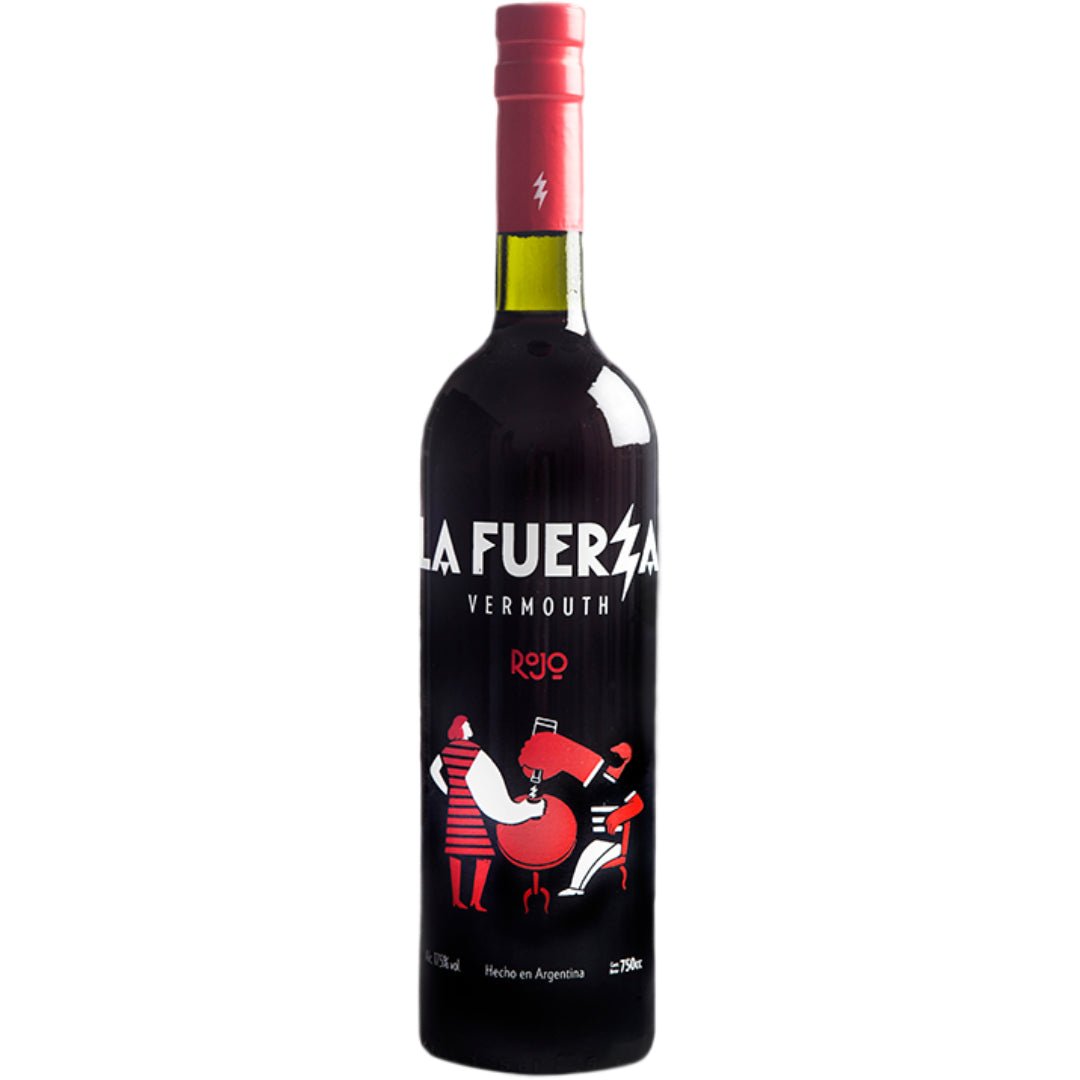
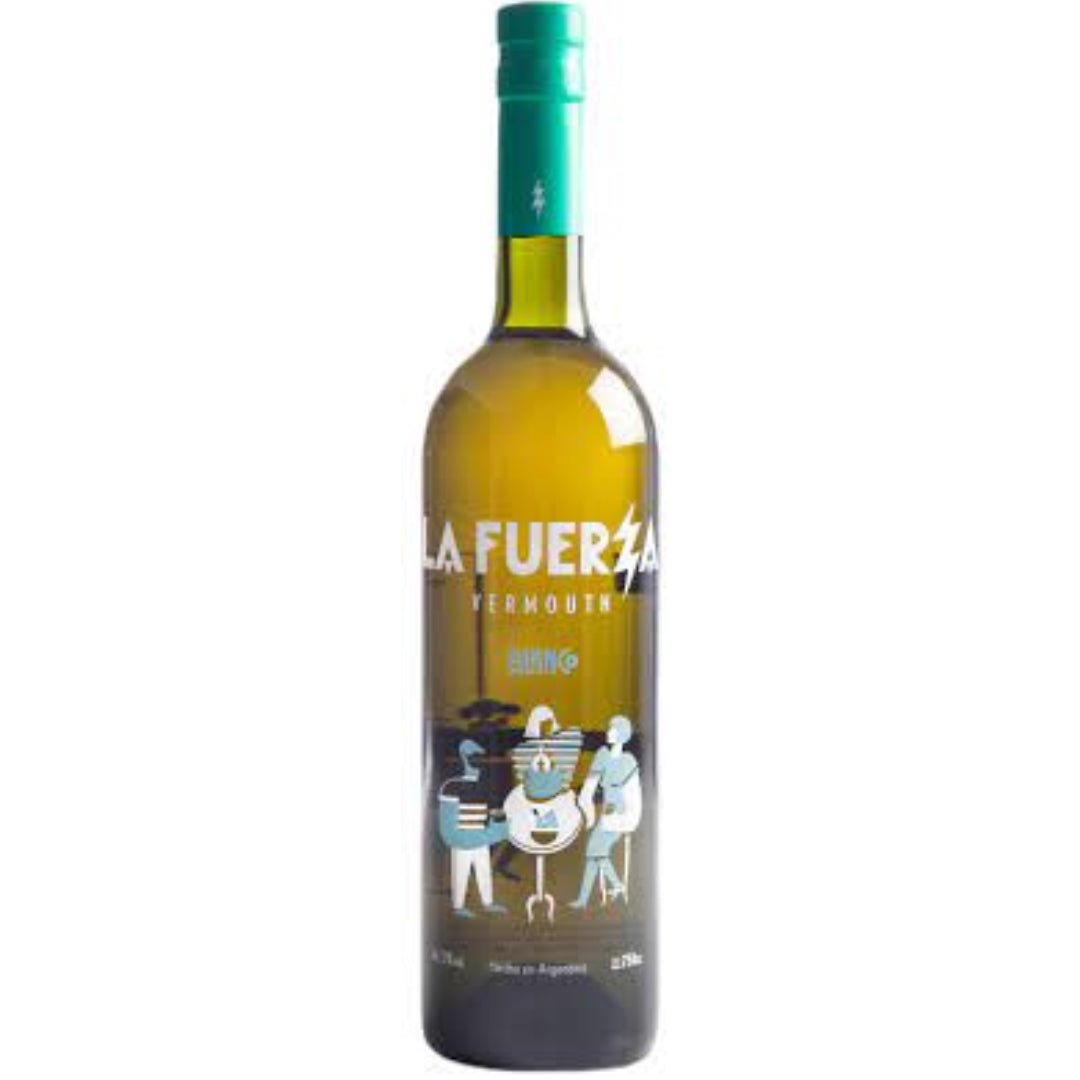
La Fuerza Vermouths are the result of a collaboration between a vermouth bar named “La Fuerza” and “Familia Zuccardi”, the oldest family-owned winery in Argentina. Vermouth is an intrinsic part of the drinks culture of Argentina, with the majority of the Argentine population being of Italian and Spanish descent. The vermouths drunk here have historically been imported, (mainly from Italy), La Fuerza was the starting point of a new wave of domestically produced vermouths of which we are proud to say, we were the first stockists in the in the North of England!
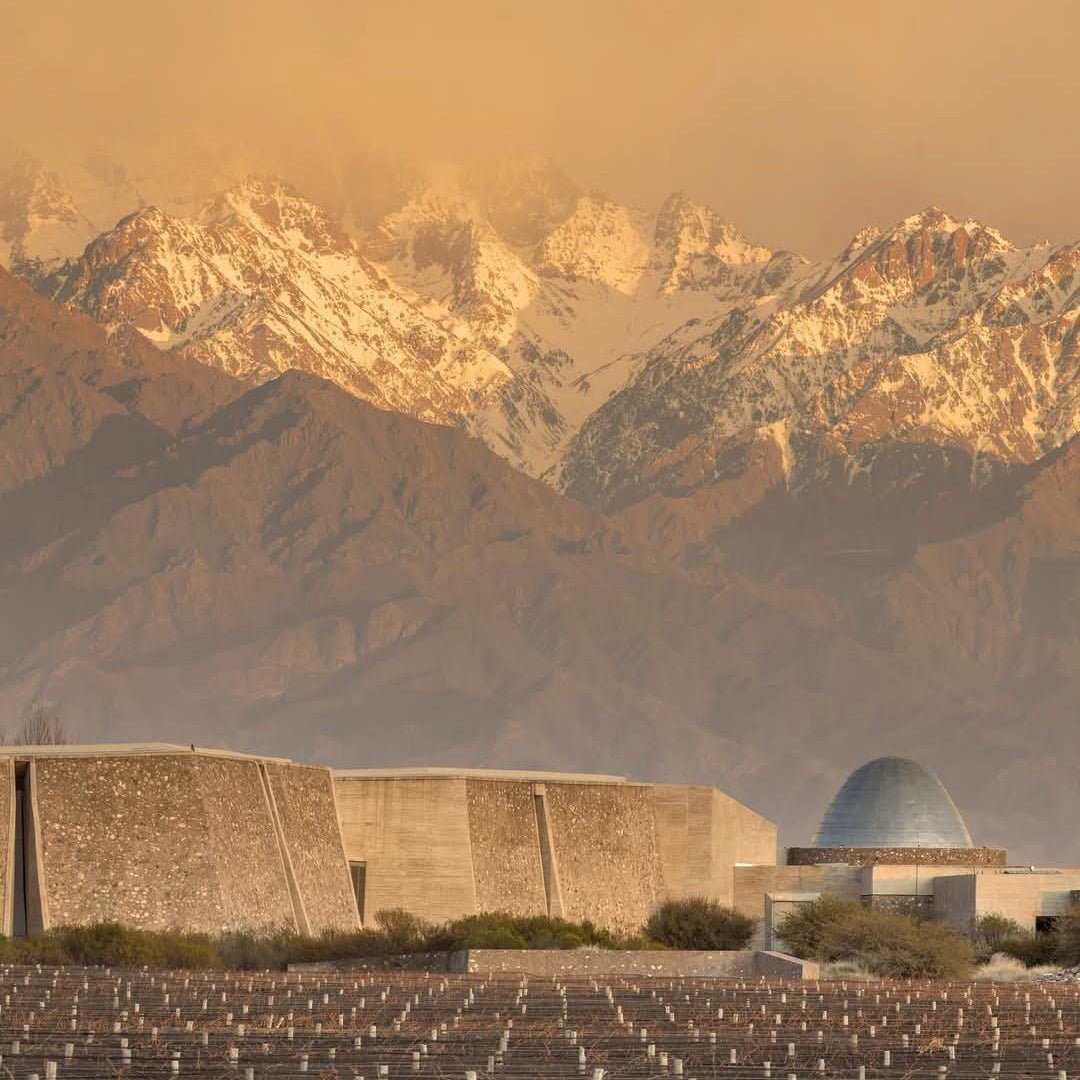
Fortified with Argentinian grape brandy, the base wines for the La Fuerza vermouths are straight from Zuccardi’s own winery. Aromatically powerful Torrontes for the white with its heady aromas of pineapple and honeysuckle, Malbec for the red vermouth which makes this one of the few sweet vermouths actually made using a red wine. The botanicals are all sourced within the borders of Argentina including Andean wormwood as the bittering agent. In Argentina, there is an obsession with Fernet Branca, the intensely bitter mint liqueur, because of this, La Fuerza does have a delightfully menthol hint to its flavour profile across both the red and the white expressions.

The red expression is great served in a goblet with ice and a slice of orange but it also makes a marvellous negroni. Serve the white again in a goblet with ice, but garnish with a slice of grapefruit and a mint sprig, for a long drink, serve it up equal parts with chilled jasmine tea.
Cane Spirits
Rum is the most diverse spirit category in the world. It is often derided as being the “wild west” of spirits where anything goes, but this couldn’t be further from the truth. The truth is, that all the rum producing nations have different laws and regulations about what a rum is, this is before you get into the base materials any particular product is produced from. This is why there is so much variation in the category and why it is such a delight to explore.
In countries like Cuba for example, a cane-based spirit cannot be called rum unless it has been aged for two years in wood, even the clear white rums! The base spirit has to be derived from Sugar Cane, this is true for all rums, but these raw ingredients can come in various forms. The raw material could be molasses – the most common method in the loosly termed “British Style” and "Spanish Style" rums, (thick, sticky molasses being the waste product of sugar production), raw sugar cane juice as in French style Agricole, (grassy and vegetal styled rums - cane juice needs to be used quickly, so often these rums come from smaller scale with distilleries, directly by the cane fields),or finally, the raw material could be sugar cane syrup, (boiled down, concentrated sugar cane juice for long storing which needs diluting before it will ferment).
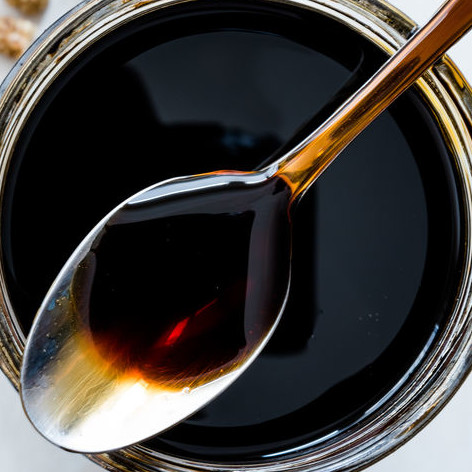
Laws are continuously being tightened and tweaked, you may have noticed some rum brands do not taste anywhere near as smooth, (sweet), as you remembered. This is because they had so much added sugar that they would no longer have been classed as rums under new regulations! Flavoured rums are an entirely different category, and are often not legally rum in any country of origin, instead being labelled as “rum based spirit drink”.
Below I have selected some fun options from around the Caribbean and the mainland America's, all of them are produced in different styles and all of them are worth an exploration! Some of these we do have available to sample in the shop too, I have made a note of those we have open if you are curious.
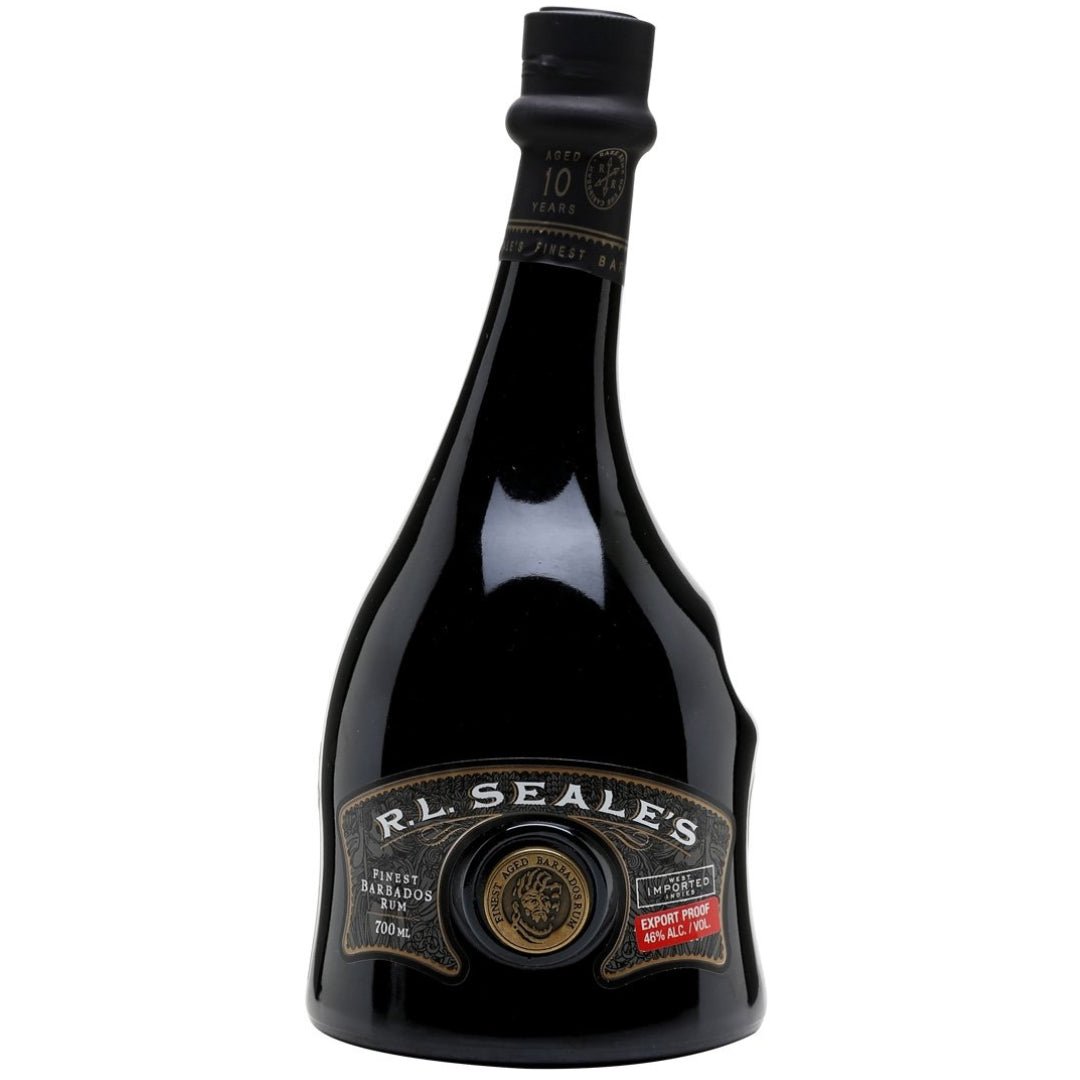
R.L. Seale 10yo
Available to sample in the shop.
It would be silly not to start a rum journey in the “birthplace of rum”. This is Barbados, derived from the Portuguese, “os Barbados” meaning, "the bearded ones". The island is thought to be named after either the now extinct native Kalinago Carib people who were allegedly bearded, or perhaps after the hanging roots of the native bearded fig tree.
While the title of “the birthplace of rum” depends on some vague sources, with the true birthplace of rum more likely in somewhere such as Brazil, it is without doubt, that Barbados produces some of the finest rums on the planet. Foursquare distillery, who produce the R.L. Seale 10yo, is the most highly awarded rum distillery in the world, and this is my go-to offering by them.

R.L. Seale is what is known as a “single blended rum”, that is a rum which is blended from both lighter column and heavier pot still rums, all of which are distilled at the same distillery. The raw material used at foursquare is molasses, with the rum aged solely in ex-bourbon casks. Ex-bourbon casks are the most plentiful on the market, as bourbons must be aged in brand new American white oak barrels.

Broadly speaking, the Barbados rum style is all about balance. They should be dry, but with a fruity richness and they should have a natural spiciness to them. For me, this R.L. Seale 10yo is the benchmark Barbados rum, against which I judge all others...although the bent bottle neck does make you feel a little tiddly before you’ve even had a sip! Foursquare’s rums are bottled without any added sugar with owner, Richard Seale, being very vocal to this point.

Here are the tasting notes directly from them…”old oak wardrobe” is an interesting one:
The nose is spicy with cooked red apple with vanilla, raw pastry, thyme and old oak wardrobe. The palate is slightly sweet, warm & spicy (cinnamon, nutmeg) cidery roasted apple and caramel. Woody toffee apple on the finish, creamy vanilla and milk chocolate with lingering spice.
Jung & Wulff No1 Trinidad
Full range available to sample in the shop
Trinidad is named after the "Holy Trinity". After its "discovery" by Christopher Columbus on his 3rd voyage, the conquest of Trinidad, by the Spanish, took a little longer than most Caribbean islands due to the trade-winds pushing ships crossing the Atlantic further to the North. Once the conquest did commence however, the fate of the native Carib peoples was sealed and followed a similar dark route to many of the other islands of the Caribbean. The Carbis were decimated by diseases to which they had no immunity, they were forced into slave labour and eventually the survivors were integrated into the broader Creole and mixed-race.
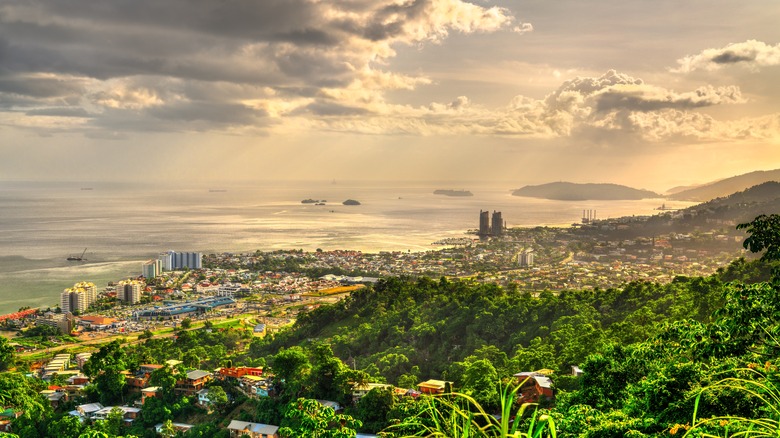
The modern make up of Trinidad is a melting pot of cultures. European wise you have of course the Spanish and British influences, since Britain took the island in 1797. Dutch and French influence features too but to a lesser degree. Larger influences are of course from Africa, as with the other islands of the Caribbean, black slaves were taken to work on the plantations. A perhaps surprisingly slightly larger portion of the population is made up of peoples of Indian decent, who were taken over as indentured workers. All these peoples have had major influences on the food and drink of the island, Trinidadian cuisine is well worth trying!
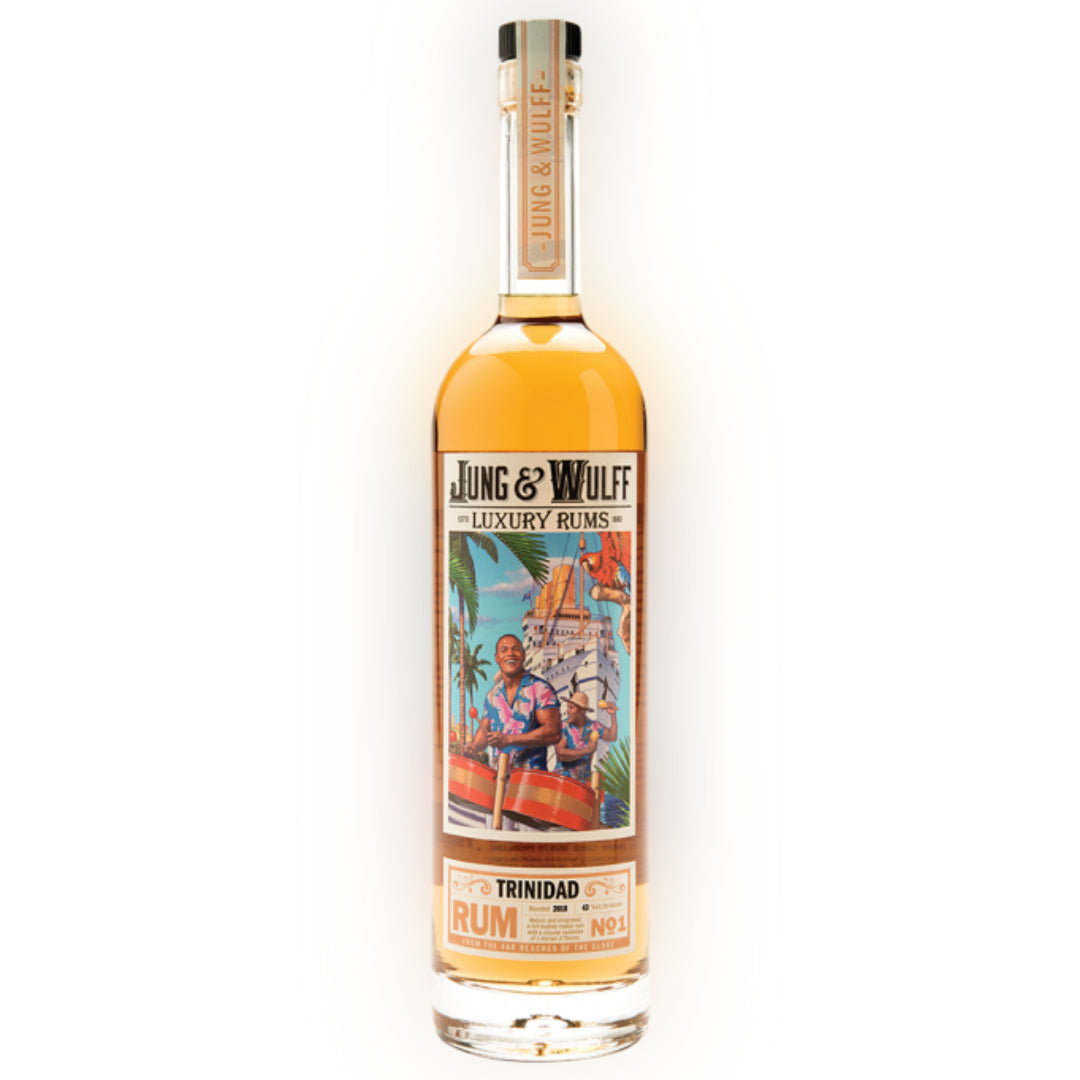
Jung & Wulff is a historical independent rum bottler. The name Jung & Wulff is a reference to L.E Jung and Frederick Wulff, early visionaries who were committed to importing the best tasting spirits from around the world into New Orleans. As past owners of The Sazerac House and Peychaud's Bitters, they are an integral part of spirits history in New Orleans, and their spirits were staples in the cafes and bars of New Orleans.
What's in the bottle? Single origin rum from the Angostura distillery on Trinidad, bottled at 43% ABV, aged initially in ex-bourbon casks in Port of Spain, Trinidad, then aged further on the US mainland before being bottled and blended by Sazerac. The blend is reputed to have some rums as old as 15 years of age, and unlike the "official bottlings" of Angostura rum, this is presented without any additional sugars being added post distillation.
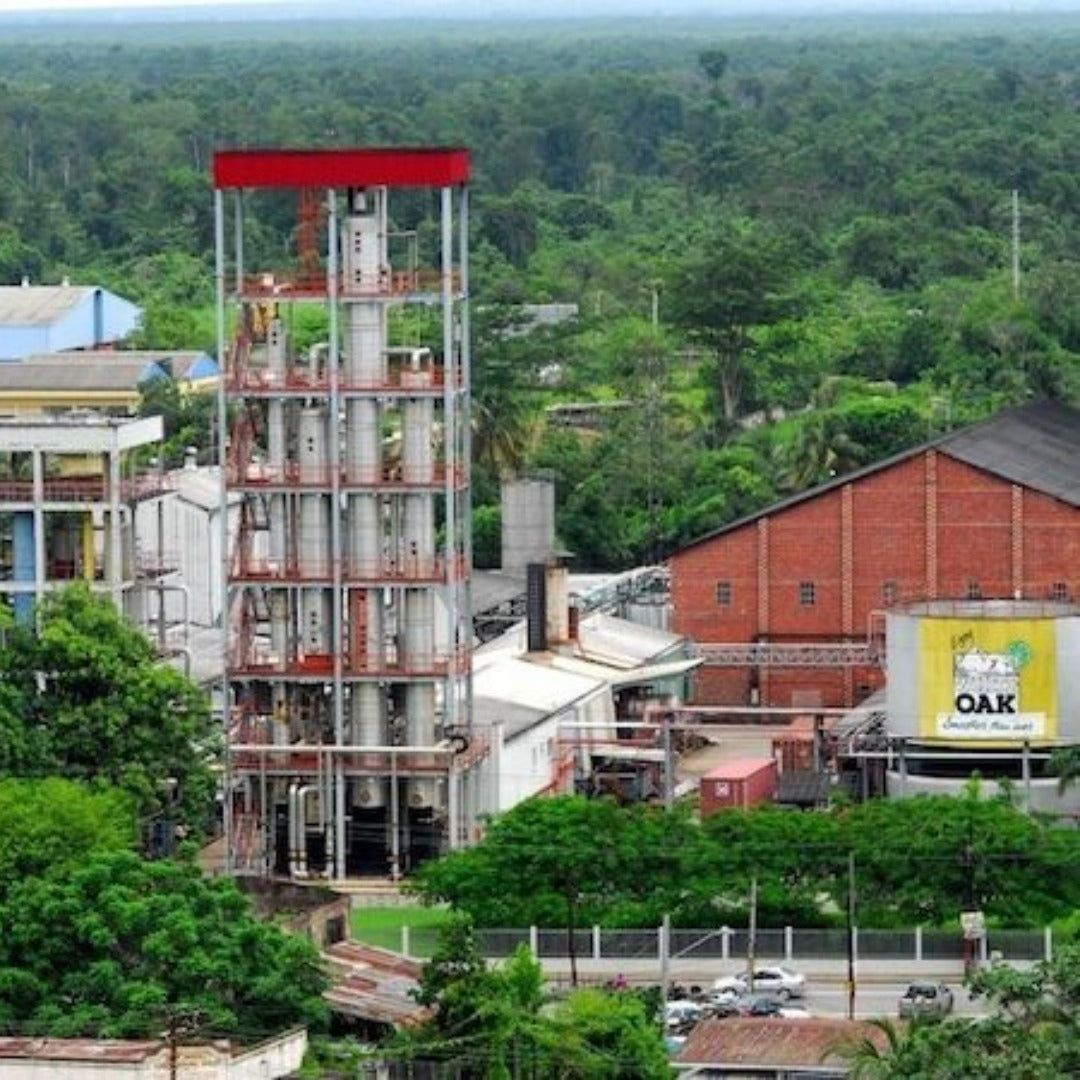
Angostura is the most high-tech distillery in the Caribbean and outside of the behemoth of Bacardi’s Puerto Rico plant, it is also the largest. Due to it’s proximity to Latin America, Angostura uses column stills, which are also some of the largest in the Caribbean. Column stills are renowned for producing light rum, but this is not always the case. The first of Angostura’s columns takes a molasses wine from 5% ABV up to 80% ABV so it is still deliciously characterful, this is the still that makes up the majority of this Jung & Wulff blend.
The nose is initially all toasted coconut with layers of cinnamon & spice. Fruity notes of dried mango start to develop with time. The flavour turns deeply spicy on the palate. Toasted cinnamon and cumin seeds, zesty orange, subtle vegetal oak richness growing later on. The rums circular evolution hits highlights of fruit, spice, vegetation and earthiness, all at the optimum moments so that the final impression is of seamless quality.
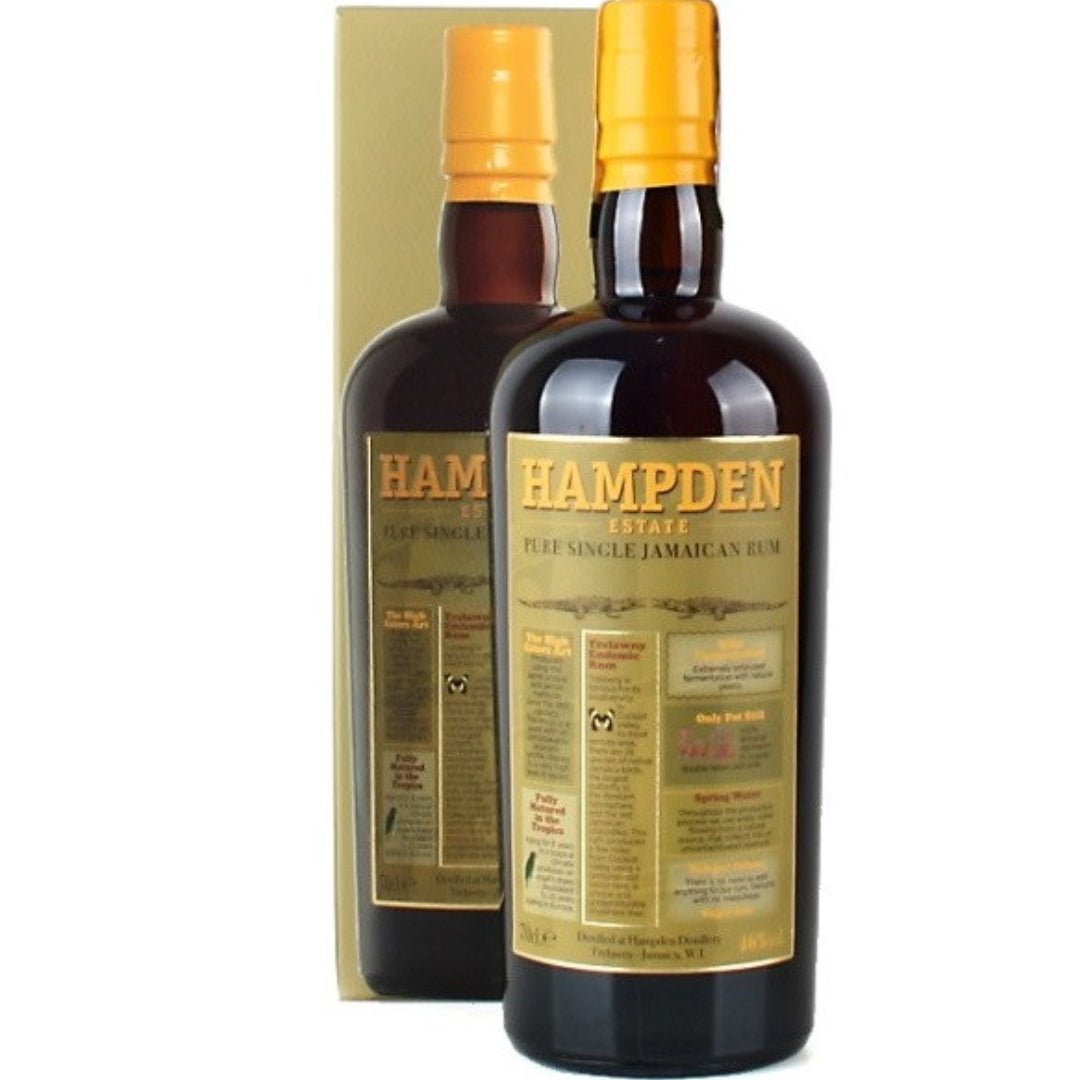
Hampden Estate Pure Jamaican Rum
Available to sample in the shop.
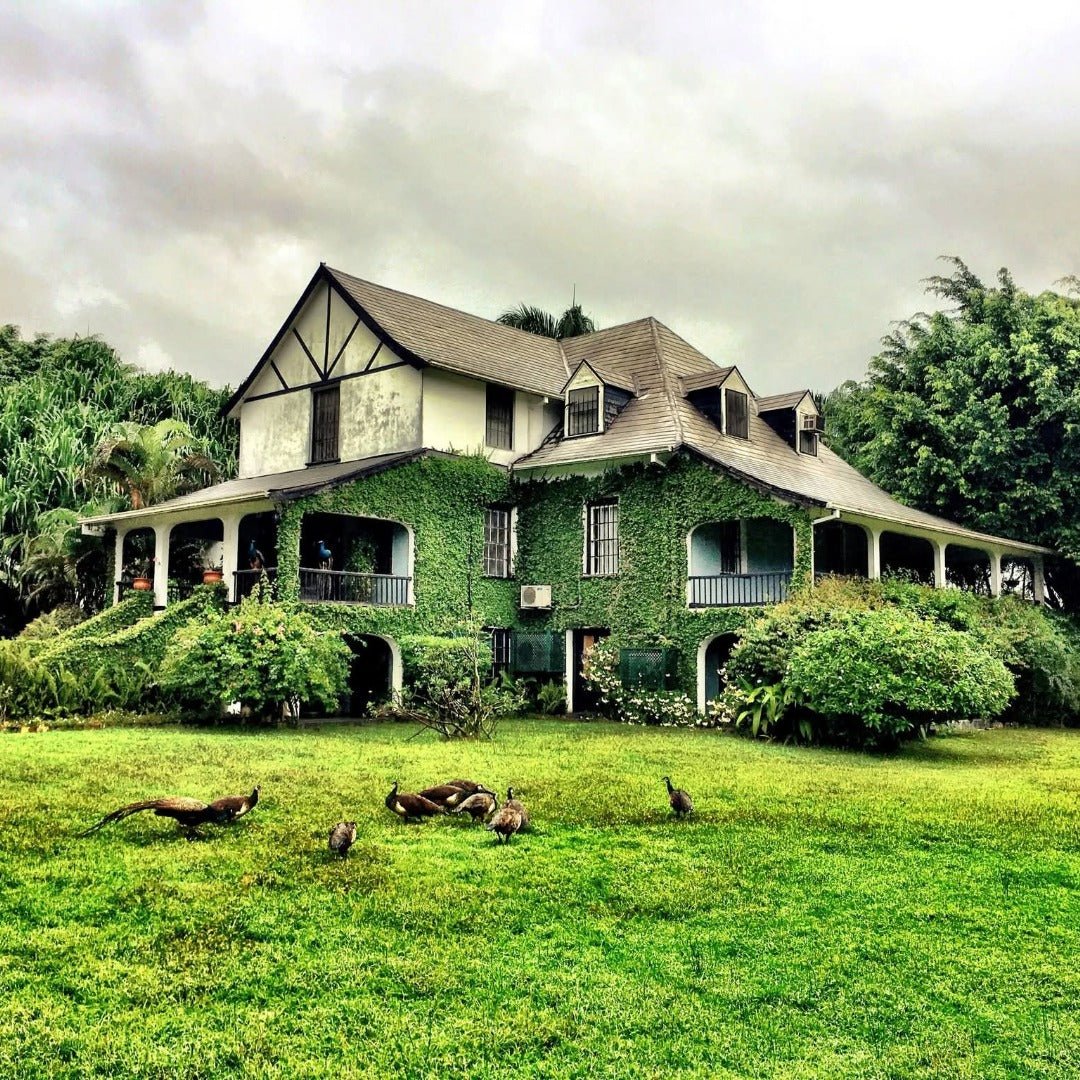
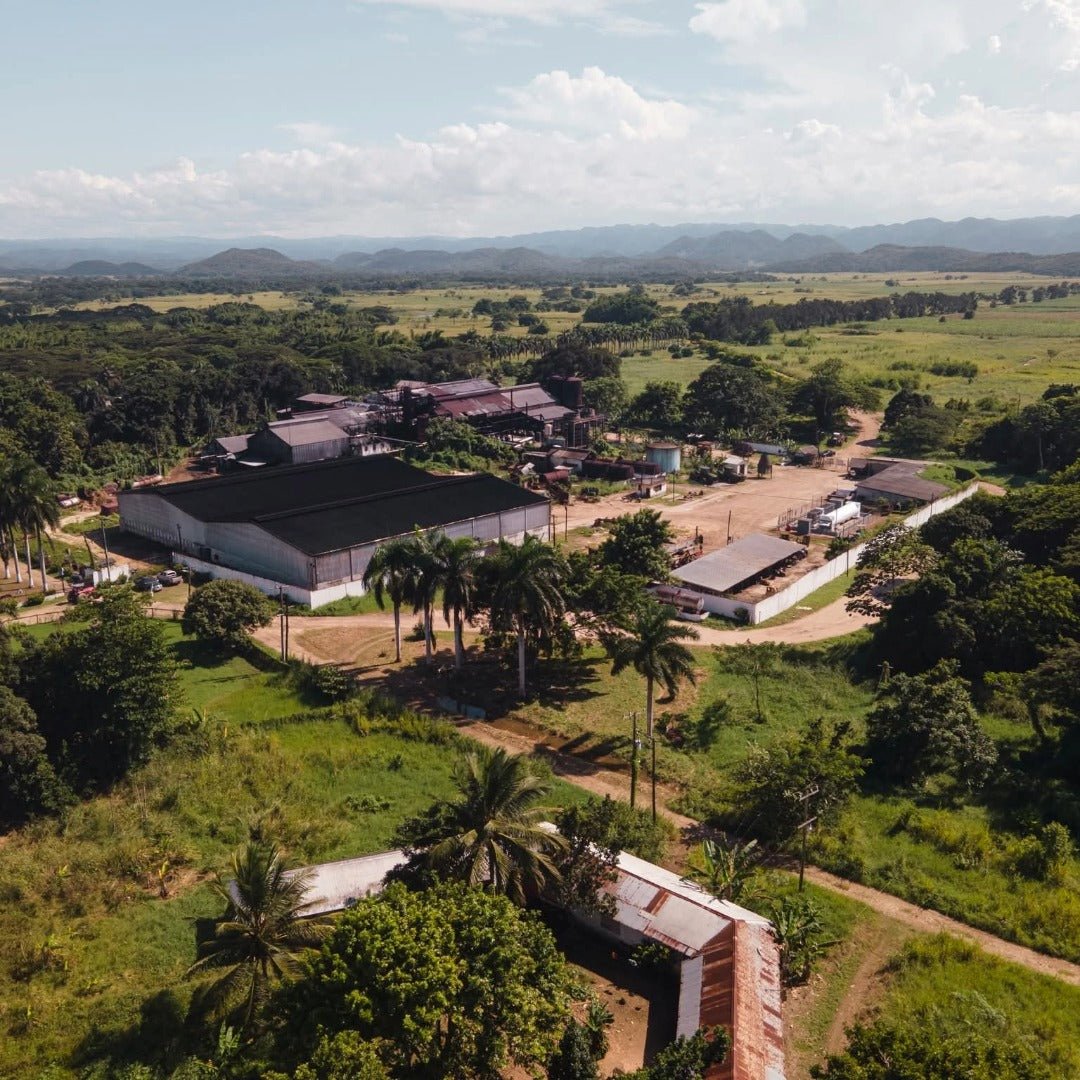
In all the rum world, it is Jamaican rum that I have always gravitated to. Jamaican rums should be intense, fruity, a little bit weird and uncompromising. The unique flavour profiles are something that I find particularly alluring, yet I know that these rums are not for everyone’s palates. Jamaican rum is often described as the rum worlds equivalent to the smoky bruisers of Islay in the whisky world. Hampden is one of the hidden gems of the rum world, they achieve their unique flavour profile through techniques honed over an unbroken production cycle going back to their founding in 1756.
The first key to Hampdens production is in the fermentation cycle. Industrialised rums such as Bacardi can complete their fermentation cycles using cultured yeasts within 24 hours. Fermentation at Hampden takes a minimum of two weeks though this can be drawn out to around a month.

The fermentations at Hampden are all carried out with natural, ambient yeasts and with the addition of dunder, (similar to the sour mash process in bourbon). It is during this extended fermentation that all the wonderful flavours are created. These flavour compounds are called esters and are generated when the acids in the wash/molasses wine react with the alcohols. The acids present are created through a secondary fermentation of the alcohols and the actions of lactobacillus bacteria on the residual sugars. Further esters are created by the organic reduction of aldehydes, which are themselves created through the oxidation of alcohol. All this science, (sorry about that), is not possible during short fermentation times. These extremely long fermentations are somewhat of a Jamaican speciality.
The second key to Hampden’s production is the stills. Being a traditional Jamaican distillery, Hampden has three pot stills. These pot stills are old fashioned, each with a double retort and a condenser. A retort is essentially an additional, small pot still, it conducts a further distillation of the spirit vapours, increasing the alcoholic strength and removing the need for a second run through the original pot stills.
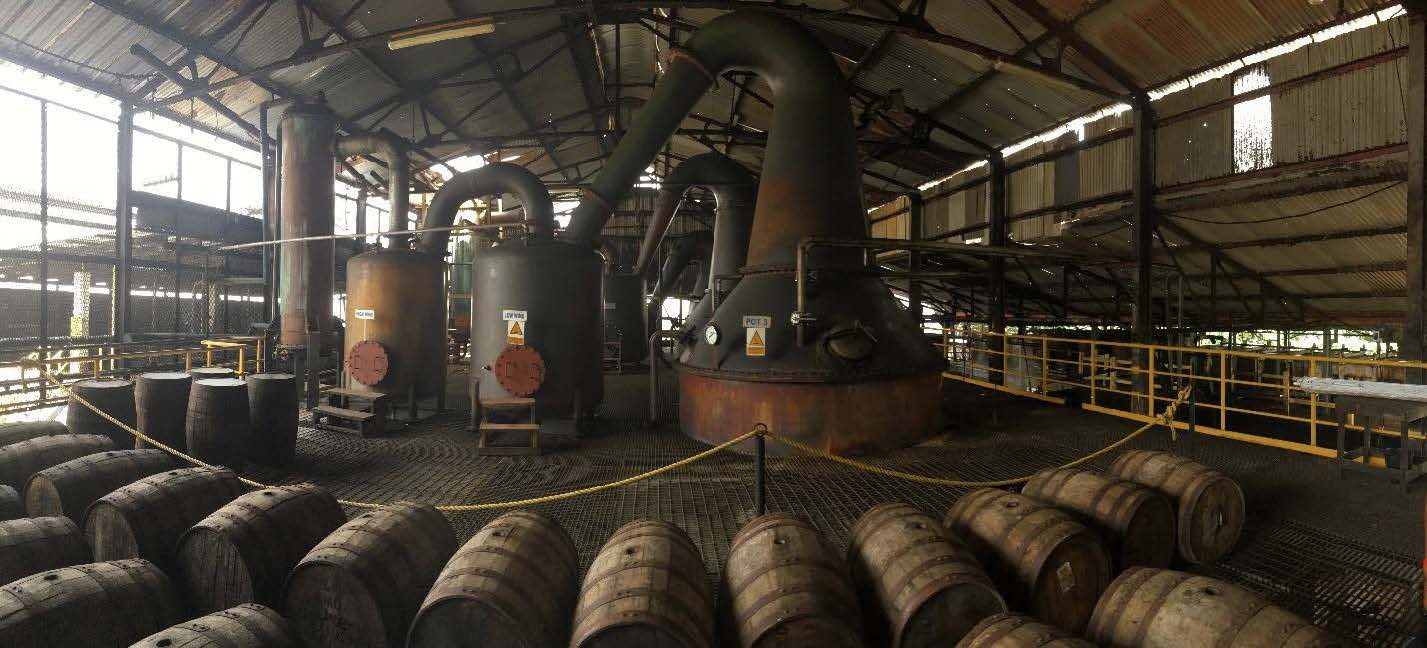
The results are a rich, oily spirit absolutely packed full of flavour. This spirit is then aged in ex-bourbon casks for 8 years in Jamaica’s tropical climate before bottling. By law, Jamaican rum cannot have any sugar added post distillation so is completely dry, despite what the unctuous nose tells you!
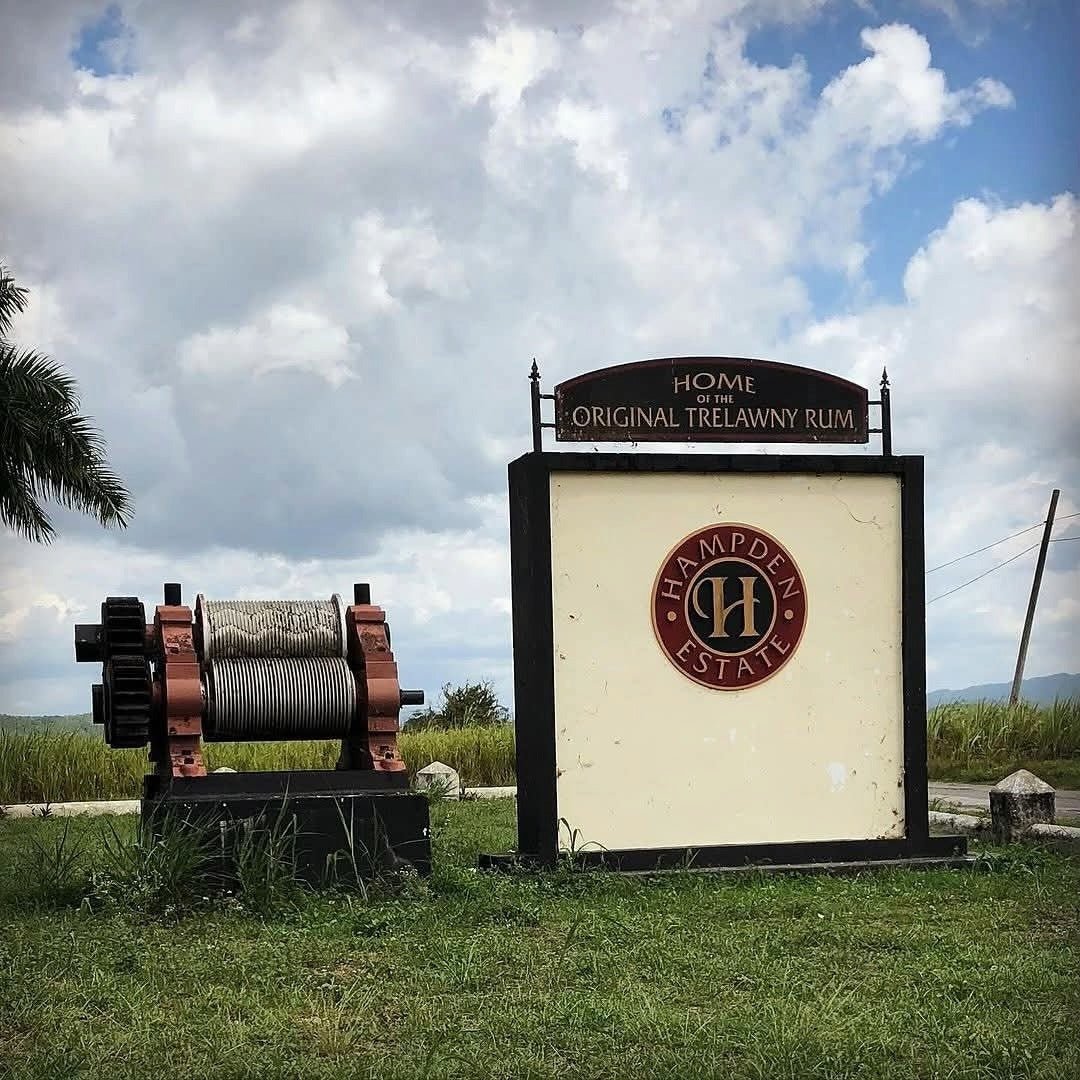
Here are your extensive tasting notes for this flavour packed rum, directly from the importers, Speciality Brands:
On the nose, pineapple, passion fruit and new-car leather. Candied and jellied fruit notes develop - papaya, guava, lime, Seville orange, blood orange and nectarine. Banana and toasted spice notes build, with prominent clove notes.
On the palate, spice and bananas lead: creamy banana pie with a generous dusting of ground clove and cinnamon. The banana remains as apples and pineapples roll in. Dark and weight oily notes sneak in behind.
Cinnamon spice and sweet banana fade through the finish to reveal apple jam and mint.
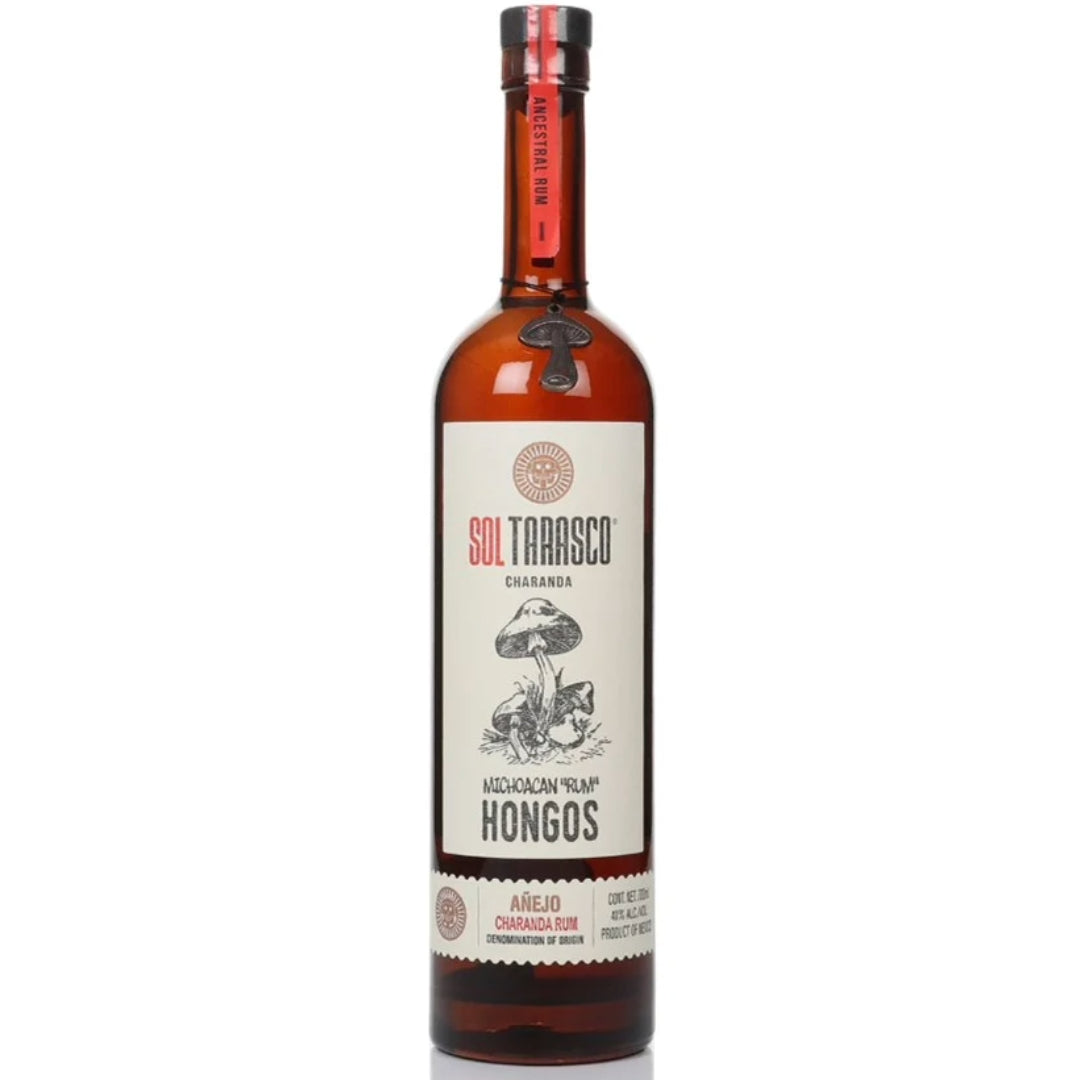
Sol Tarasco Charanda Rums
All available to sample in the shop.
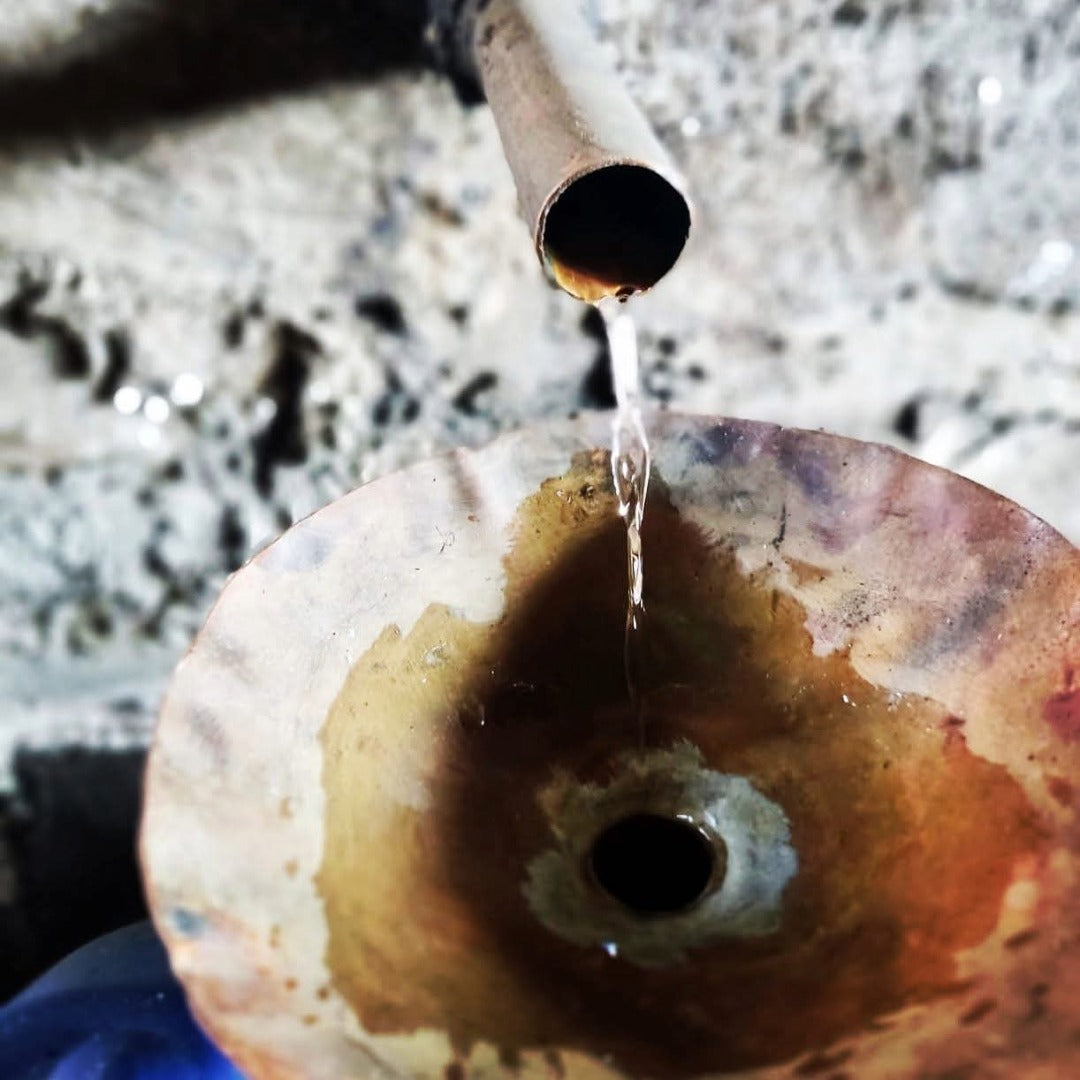
Mexico is our next stop for a more obscure take on rums. This rum style is called Charanda and is one of the native products of Michoacan province in Mexico. Michoacan is a province famed for its Mezcal production and is situated on Pacific coastline just to the South of the famous Tequila state of Jalisco. Apart from the obvious crops of Agave, Michoacan also grows huge amounts of sugar cane. Most rum islands in the Caribbean do not produce anywhere near enough sugar cane to support their rum industries and so import molasses, mainly from central and South America. Mexico is self-sufficient. With this fresh and plentiful supply of sugar cane right on their doorstep, Charanda’s are distilled from the raw cane juice instead of the molasses found in most of the Caribbean.
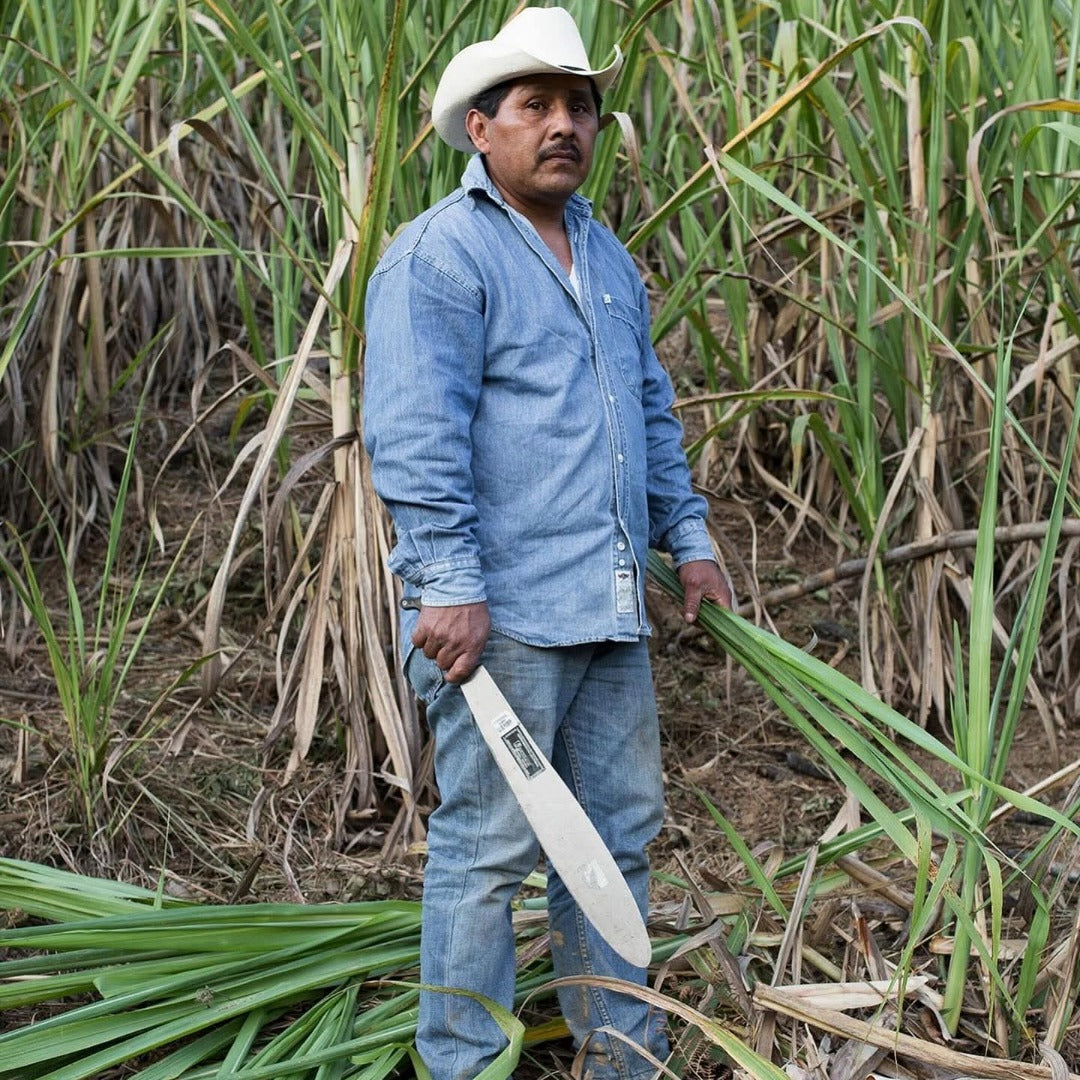
Raw sugar cane juice gives you a vastly different flavour profile to molasses. Molasses, that black, viscous syrup makes up over 90% of the Caribbean and the America’s production of rum, this is the flavour that most people are comfortable with. More detectable in an unaged spirit, sugar cane juice rums offer the purest flavour of the sugar cane plant itself. Being a giant form of grass, these rums are renowned for their grassy, vegetal flavour profiles. Time in oak tones down the overt cane flavours in the rums and transforms them into pure honey.
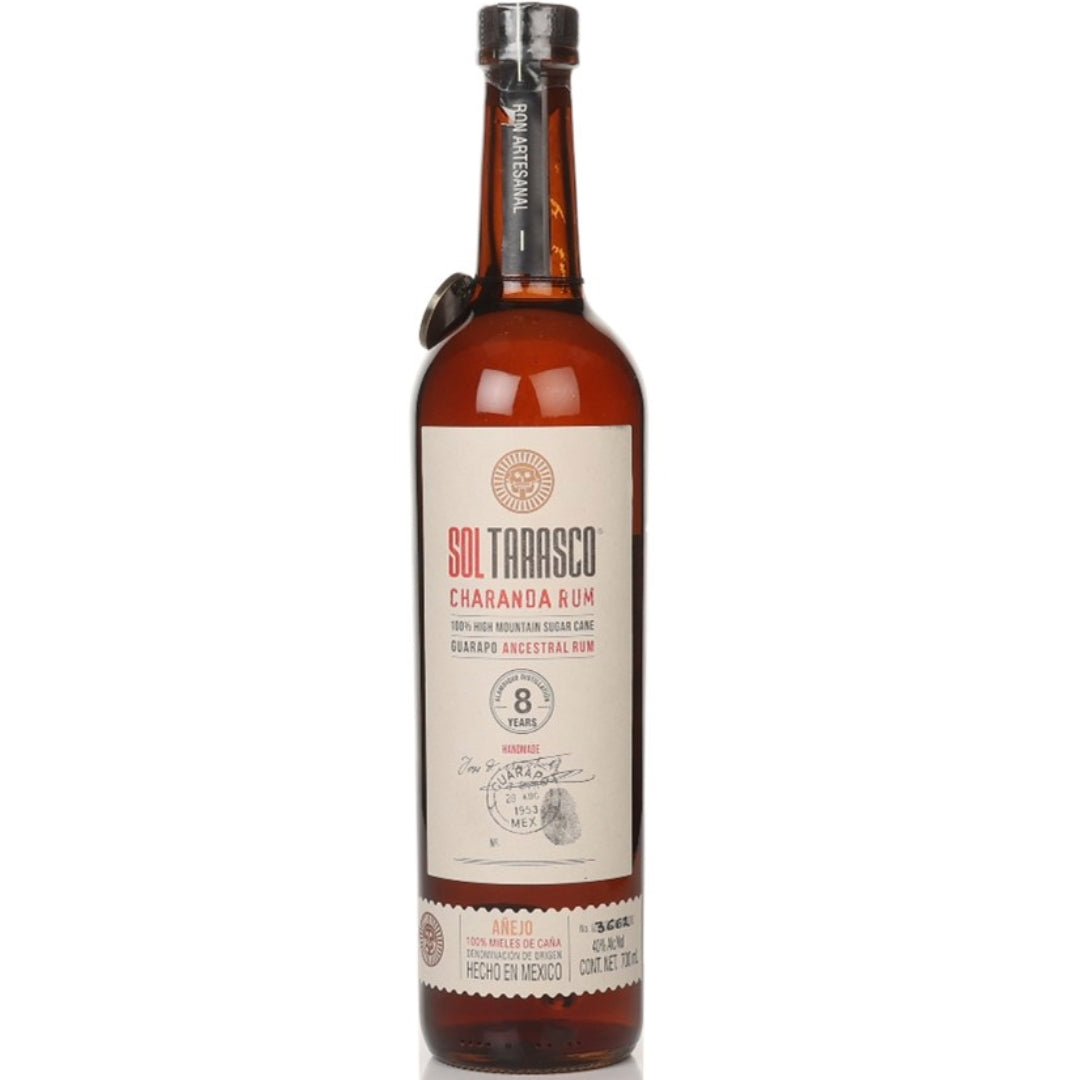
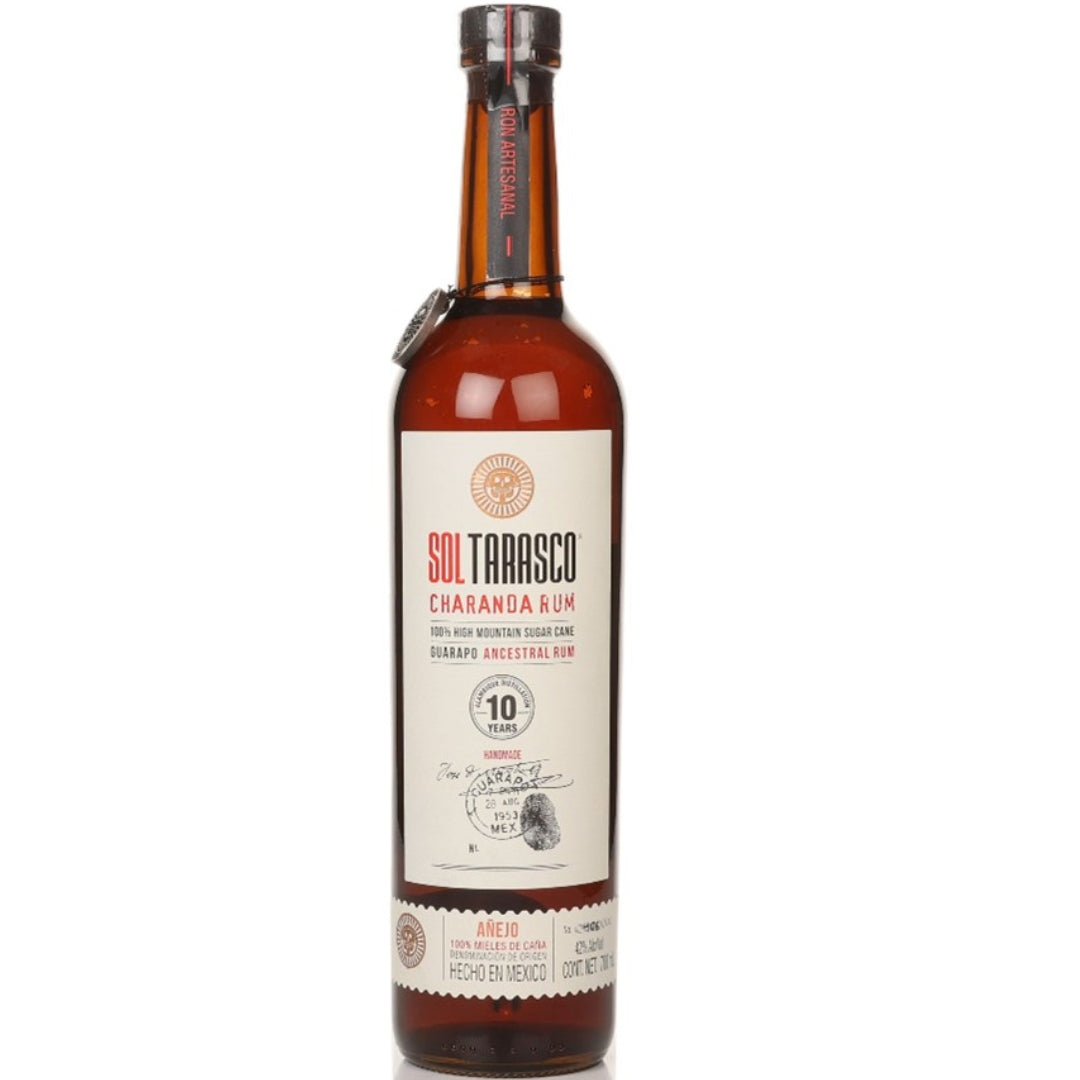
Here are three expressions to look at. The choice between the 8 and 10 year old expressions mainly comes down to how much oak and tannin you enjoy in your rums. The flavours range from dark coffee chocolates, spiced honey, and dried stone fruits in the 8yo to deeper, silkier characters of toasted oak and vanilla, with hints of prunes and soft, sweet spices developing alongside a touch of earthy coffee in the 10yo.
The Hongos is different beast entirely. with an infusion of Cordyceps Sinensis mushrooms, a fungi that is traditionally used by the local Purépecha people of northern Michoacan and is believed to have medicinal qualities. Distant earthy notes are there beneath a honey sweetness and a touch of citrus zest.
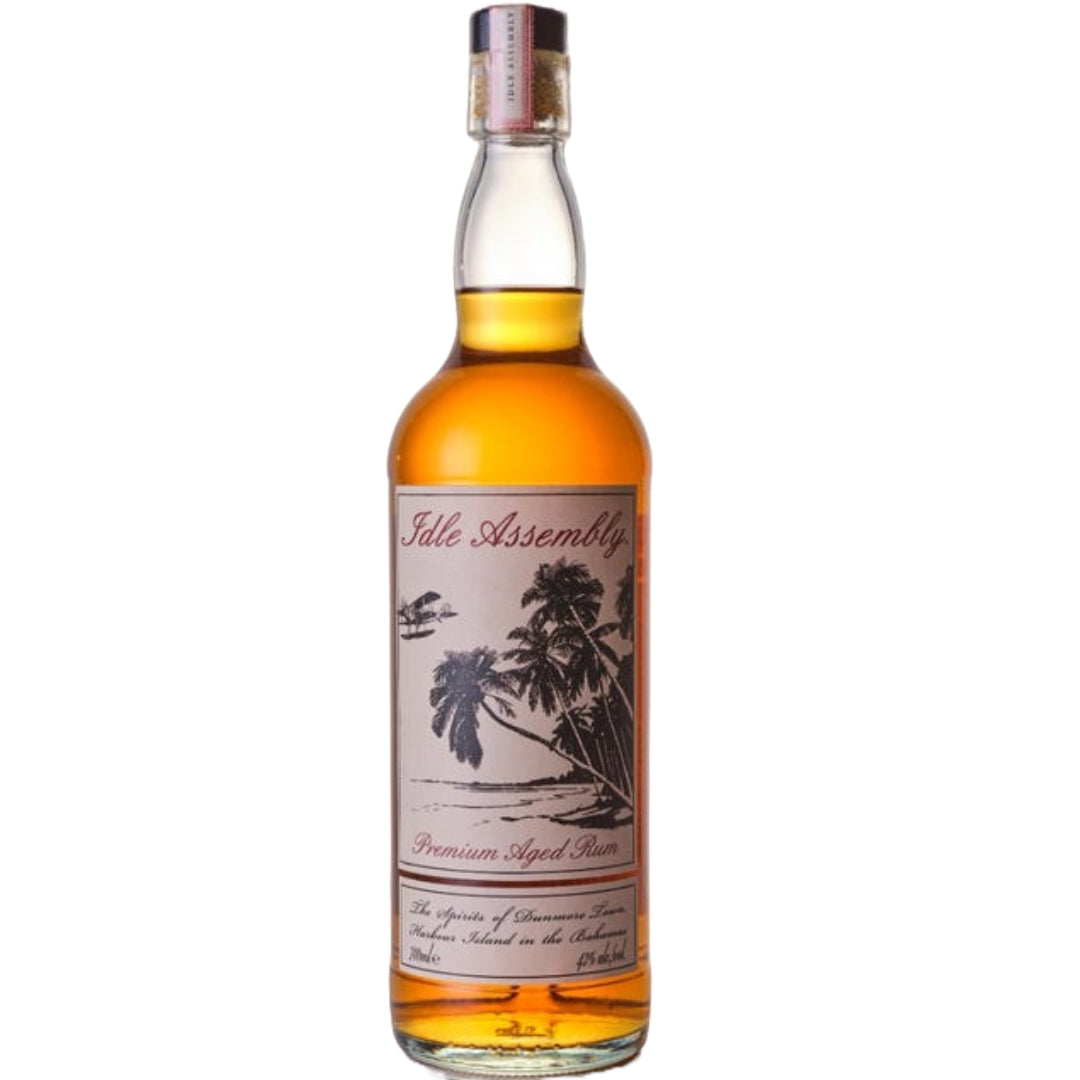
Idle Assembly Rum
Available to sample in the shop.
After all of these single origin rums, we now move to a rum blended across several different countries and styles. If we look back to the age sail and the naval style rums, these were usually blends from many nations, this Idle Assembly is a thoroughly modern take on the blended rum style.
The Idle Assembly is a blend of rums from across the Americas. Trinidad and Tobago, the Dominican Republic, Venezuela, and Panama, aged between five and twenty years, partially in the countries of origin, before being blended and aged further in the humid microclimate of Barranquilla.
The result is a limited production rum rooted in the traditions of Hispanic rum making. Molasses fermentation, column distillation, aged 5 to twenty years in ex-bourbon casks and bottled with no added sugar or colouring. This blended rum is designed as a sun downer for drinking with cigars.
The flavours aren’t immediate, and you have to take your time with this one. Add some water, a drop at a time and new flavours will emerge, with different rums in the blend coming to the fore at different points in the rums development.
Roger, the founder of Idle Assembly, put together the following, expansive tasting notes:
The aroma leads with a light ginger note with orange blossom, toasted coconut, and added depth of oak spices, bergamot and sandalwood. Medjool dates and a hint of white chocolate, with a lightly floral overtone backed by Palo Santo wood.
The palate gives an initial note of Maraschino cherries, orange sherbet and clove. Some light toffee notes appear, supported by a backbone of nutmeg, cinnamon and Madagascan vanilla. Rose water, fig leaf and light honey notes complete the complex profile of this delicious rum.
The finish has a light biscuit note, ripe banana, cocoa nibs, liquorice and cigar tobacco, with a hint of toasted almonds and cherry Bakewell tart.