Spotlight On French White Wines & Their Global Influences
Write up by Chris Nolan
The French have historically claimed to produce the “best wines in the world”. The wines produced over the channel can however be divisive; we have some customers who will not drink wine from any other country. As a counter point, we also have customers who will not touch French wines! Love it or loathe it, the French influence on the world of wine is irrefutable. For our two “Spotlight” blogs, one for white wines, the other for red wines, we will look at a traditional wine style from France and a “New World” example which takes inspiration from the classics of France.
For today in the “Spotlight On French White Wines & Their Global Influences” we will take a look at the following grape varieties: Sauvignon Blanc, Chardonnay & Rhone Blend.
Sauvignon Blanc
Sauvignon Blanc almost certainly originated in Western France, with both the Loire Valley and Bordeaux both claiming to be the birthplace of the grape variety. I have chosen to showcase an example from the Loire Valley as it is more internationally well known and more commonly emulated in the wider world.
The name Sauvignon comes from the French “Sauvage” meaning savage, think more “wild” in this context. It gets this name because the vine is quite unruly in the vineyards, throwing out shoots, leaves and grape bunches that need vineyard work to tame.
Sauvignon Blanc is a great traveller. It is grown to some degree in most wine producing countries. As a plant, it is a relatively robust & vigorous and can easily adapt to all kinds of growing environments. Because it ripens early, it can be grown in relatively cool climates – its Loire homeland being the most obvious example – while its naturally high acidity allows it to retain a level of freshness even in warmer areas.
Sauvignon Blancs flavours range from a grassiness - represented by nettles and asparagus detectable in the grape’s homeland of the Loire Valley - to more expressive passionfruit, mango and grapefruit found in wines from New World countries such as New Zealand and South Africa.
Henri Bourgeois Sancerre la Vignes Blanches
Sancerre is arguably the most famous village in the Loire Valley for Sauvignon Blanc production. Here, at the Eastern end of the Loire, Sauvignon Blanc can reach peak ripeness whilst showing more restraint than many examples from the New World.
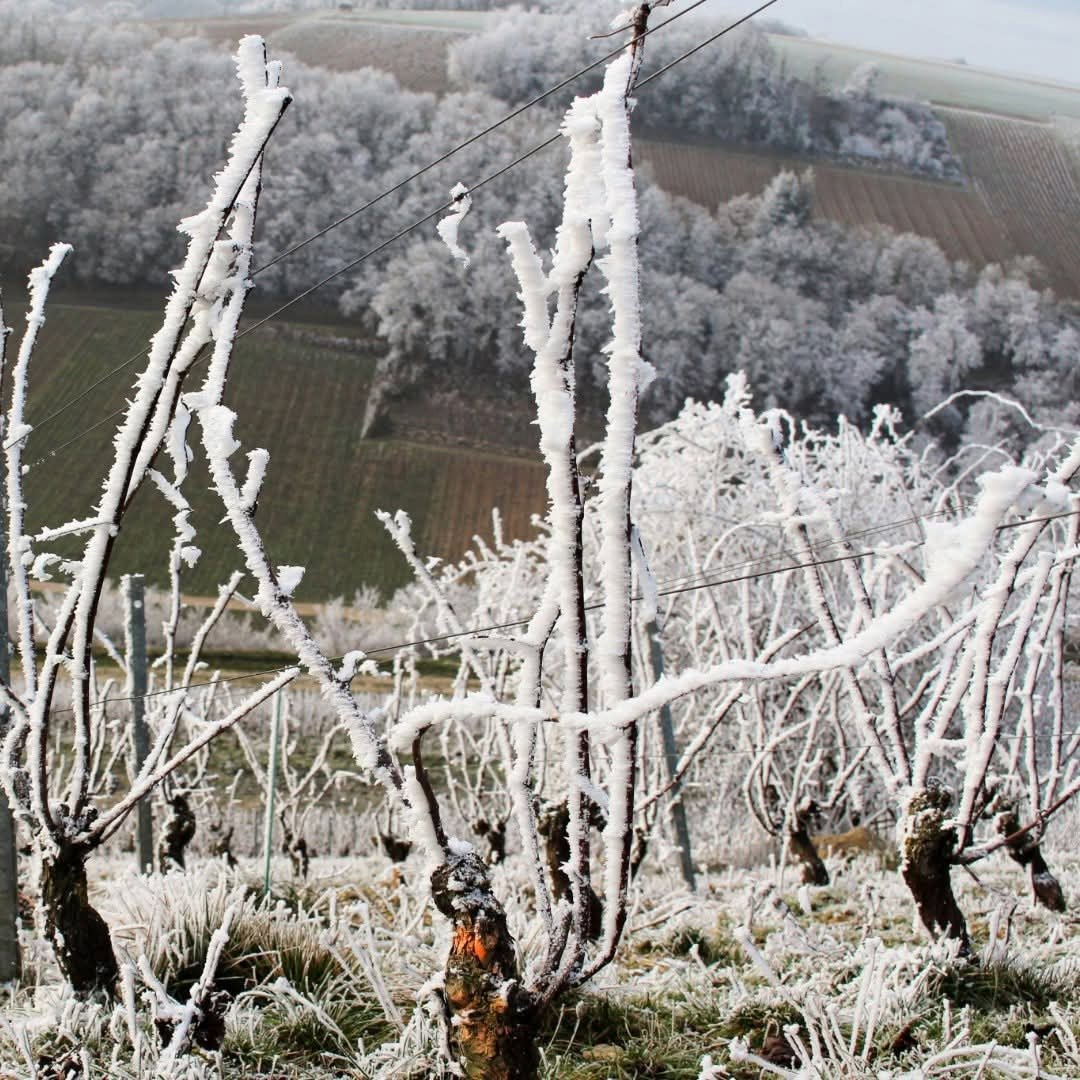
The soils in Sancerre are very variable. Here you can find chalk, limestone clays, limestone gravel and silex (flint). All of these soil types give you different flavour profiles which are worth seeking out. Our focus for today, from Henri Bourgeois, is from vines all grown in limestone clay soils. Limestone gives you freshness and acidity but with out the struck match smokiness you get from Silex soils.
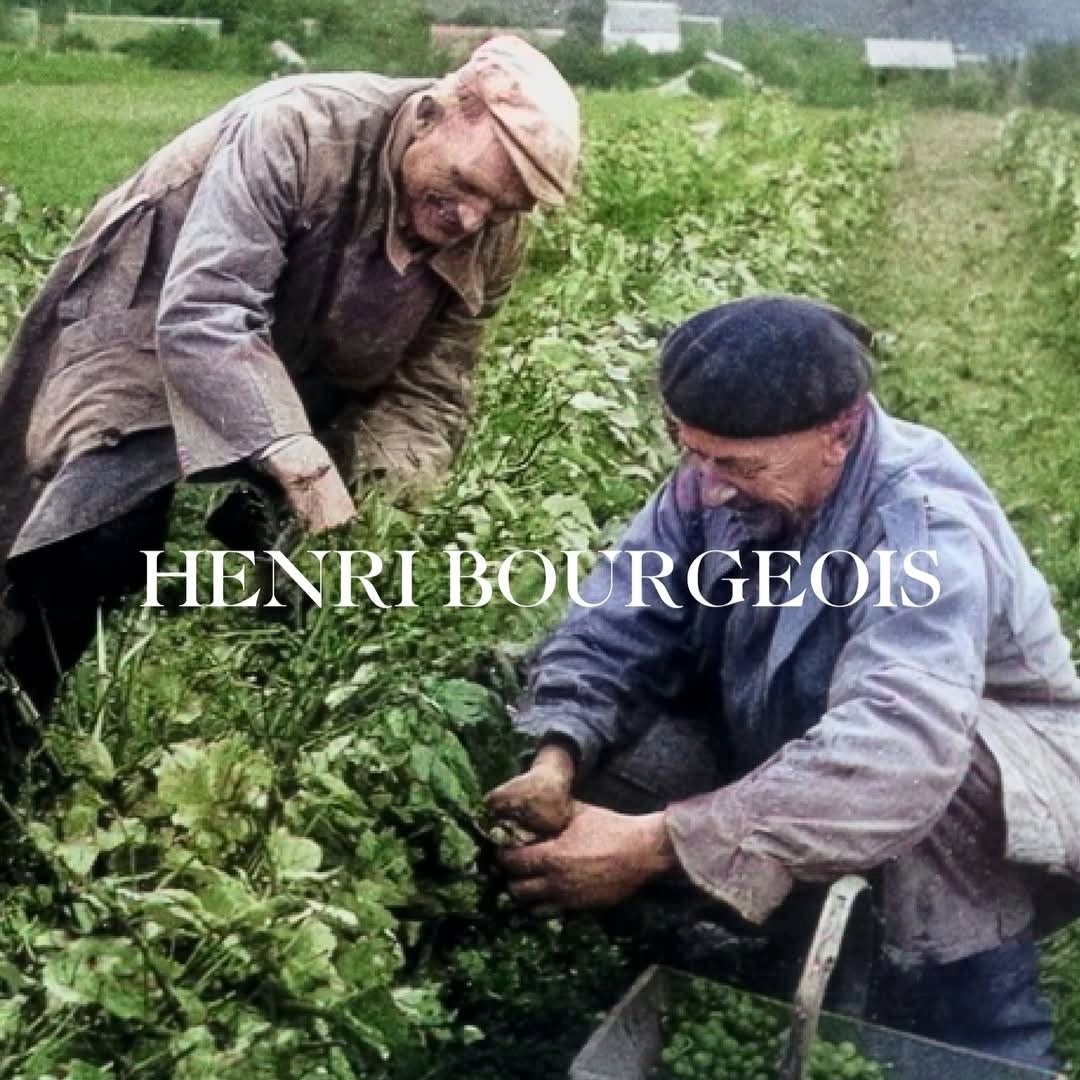
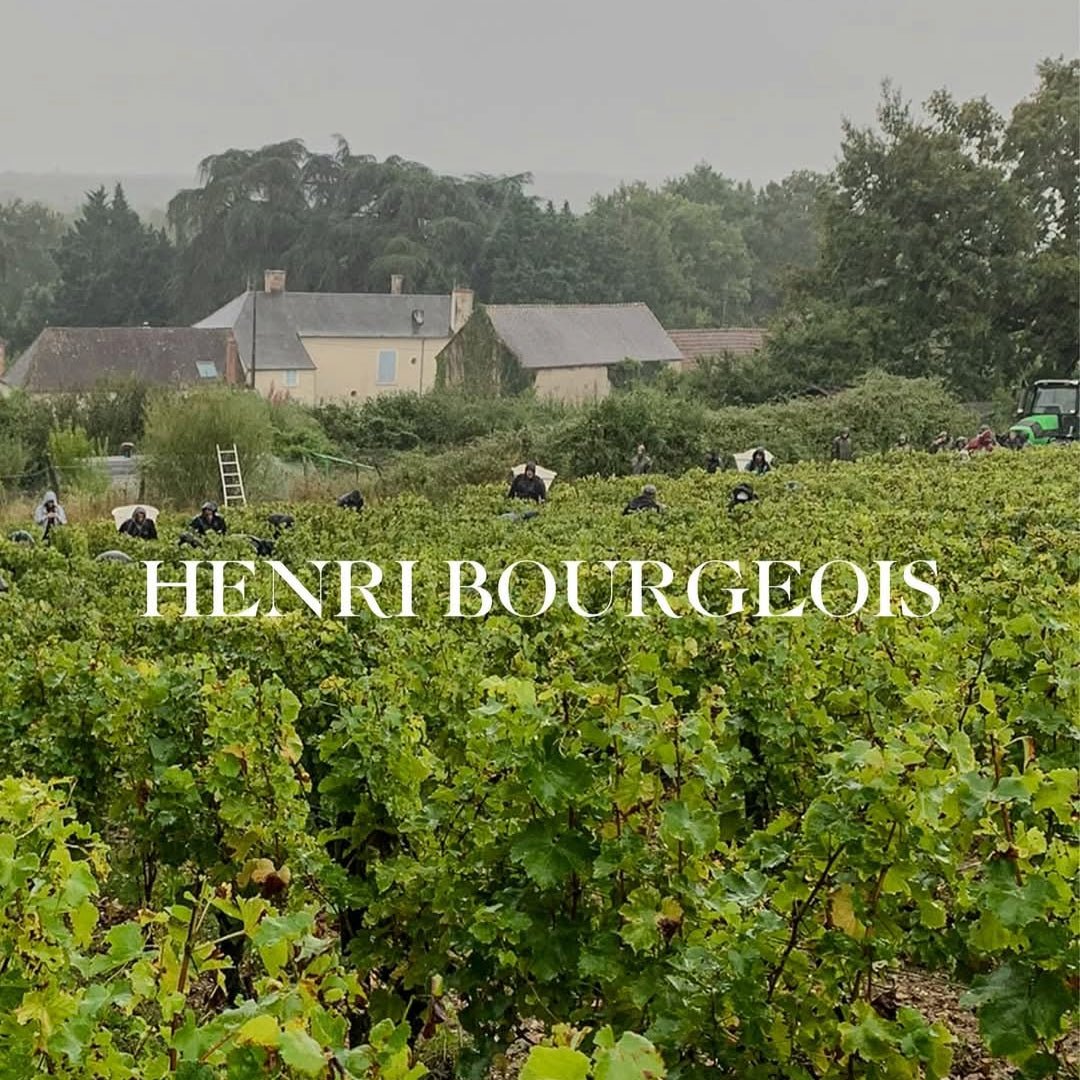
Through a full 10 generations, what started as a small operation in the village of Chavignol has evolved to encapsulate 72 hectares in the Eastern Loire. 120 individual parcels of vines including plantings in both Sancerre and across the river in Pouilly Fume. Henri Bourgeois runs the estate with his sons, Remi and Jean-Marie. The winery and cellar are all modern and eco focused, including being gravity fed meaning no power is used pumping juice through the winery. The wines are clean and crisp with modern stainless-steel tanks used for fermentation and aging.
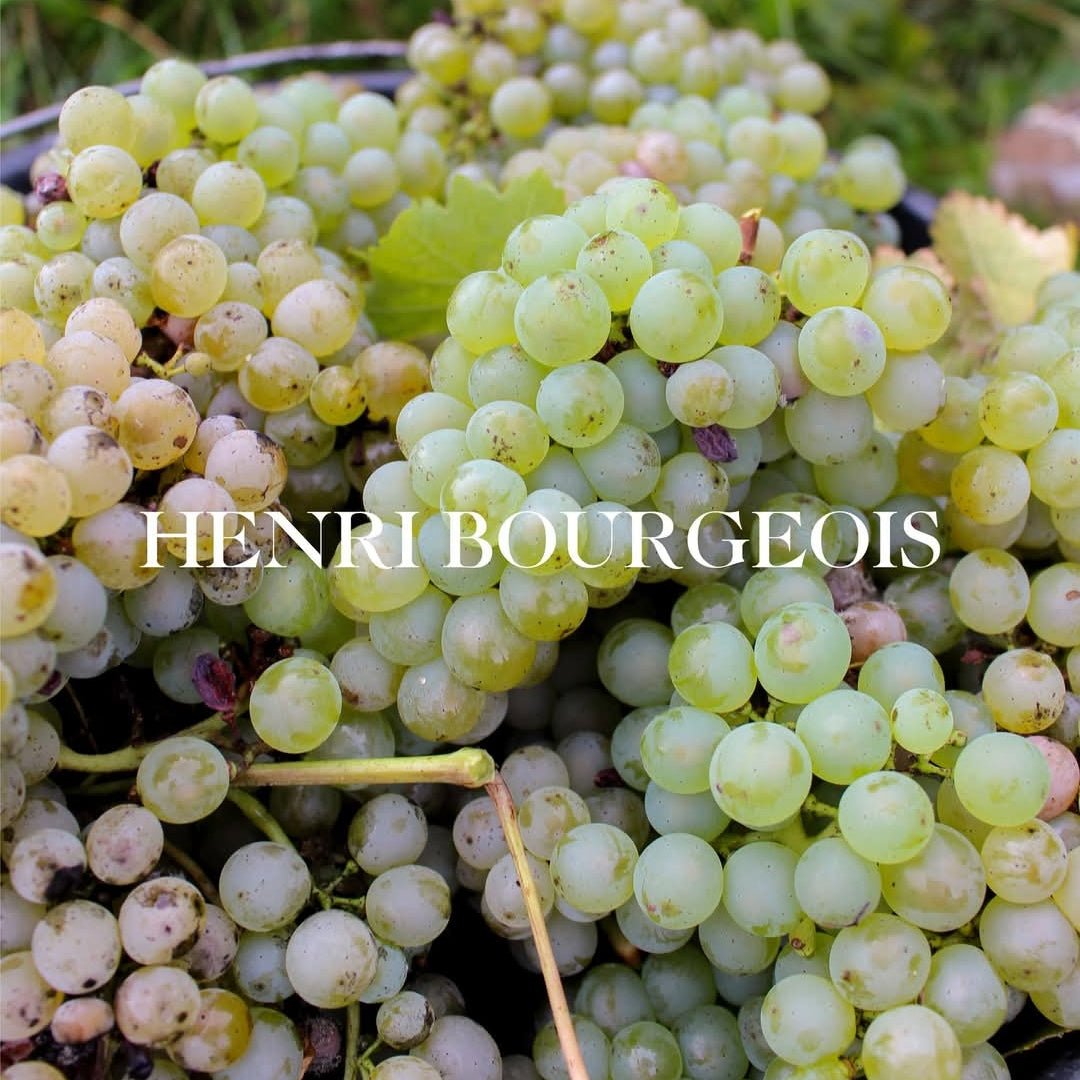
The "La Vigne Blanche" expression from Henri Bourgeois is by far our best-selling Loire white, (if you don’t take in to account the brilliant Petit Sauvignon also made by Henri!). This wine shows the subtle power that Sancerre is famous for, but at the same time also shows some beautiful tropical elements due to the vines being planted on sunnier, West and Southwest facing slopes. The subtlety of the wines from Sancerre makes them infinitely drinkable. They do not need any accompanying food to enjoy, and are also not so intense that one glass is all you want.
This style of Sauvignon is made for goats/sheeps cheese, the two just work. Try with a Crottin of Chavignol. This will also stand up to some more exotic flavours, try pairing it with scallops served with a mango emulsion.
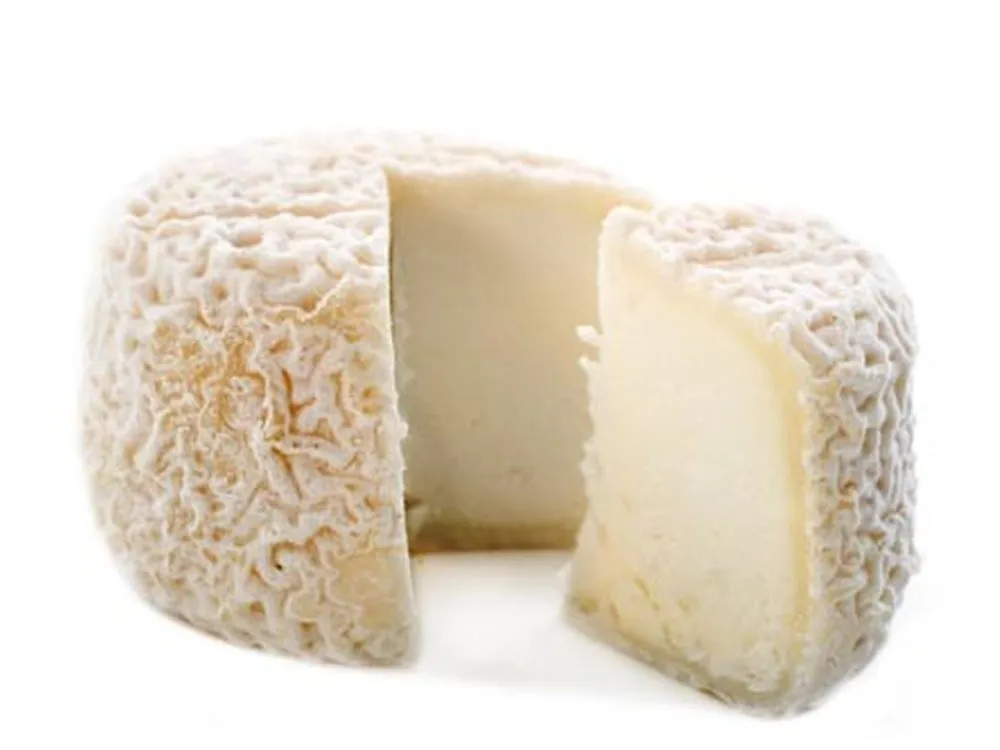
Crottin of Chavignol
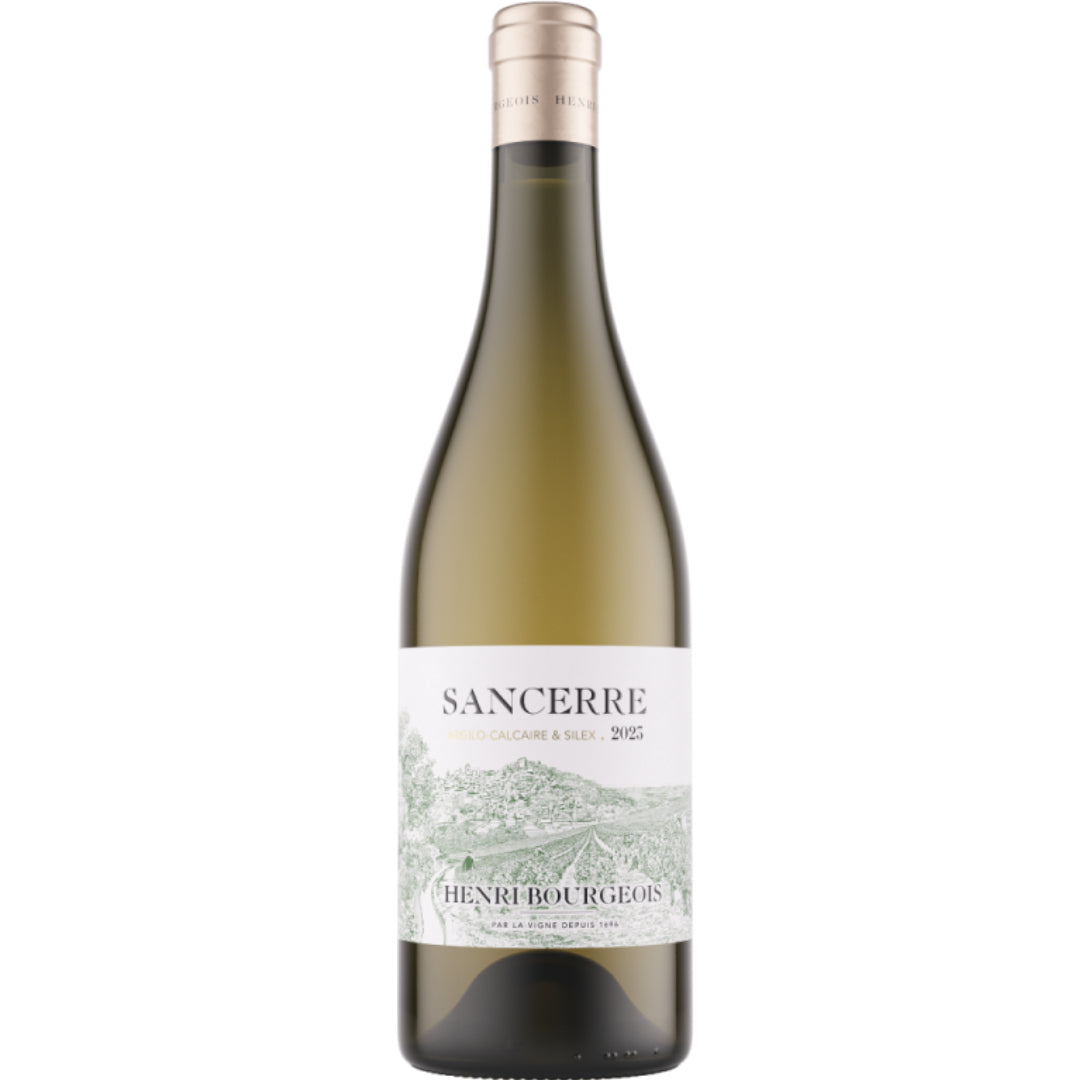
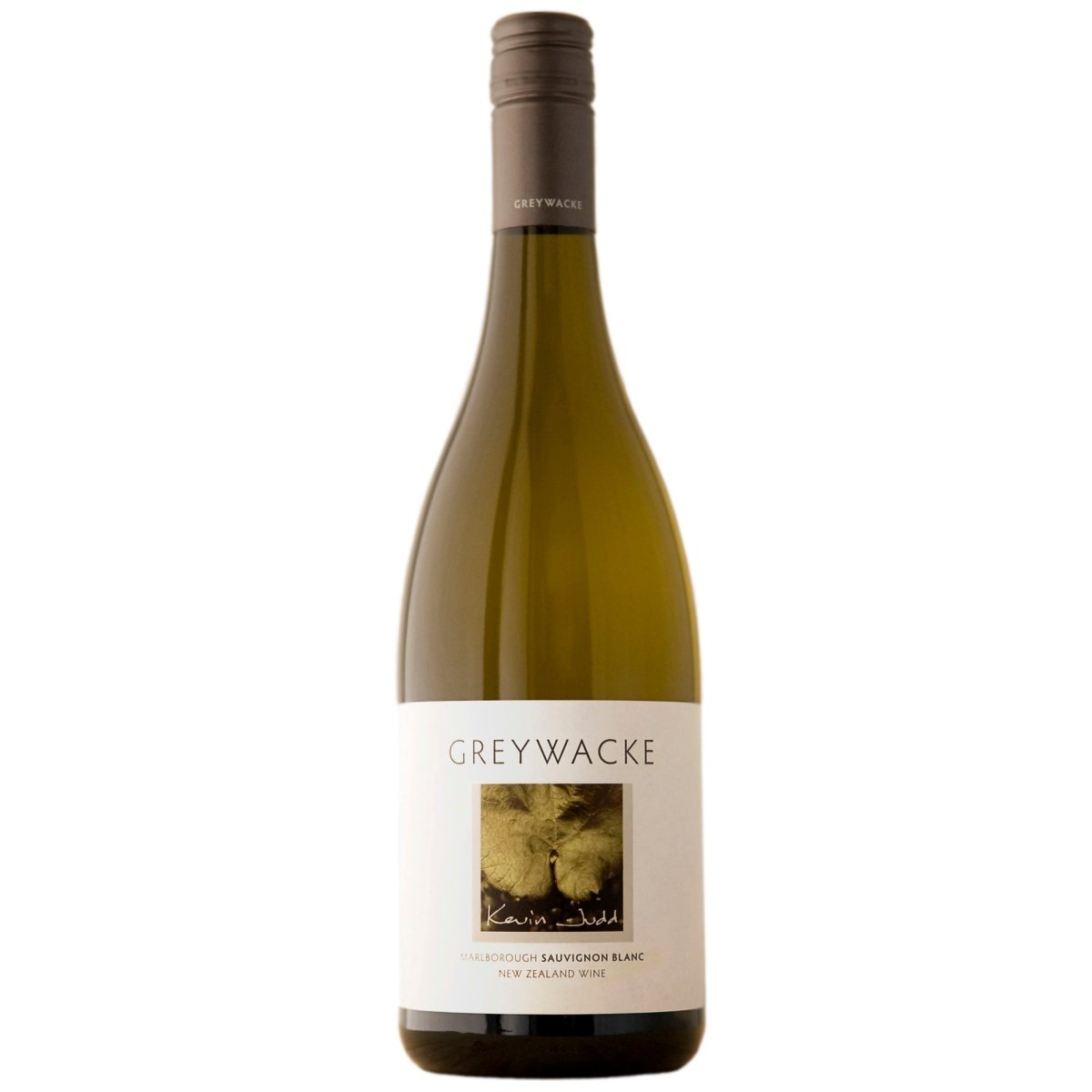
Greywacke Sauvignon Blanc
New Zealand produces the most famous Sauvignon Blancs outside of Europe. Much like the wine styles of France, the New Zealand Sauvignon style is now emulated around the world, including in regions of Europe.

The NZ style of “Savvy”, centred on the region of Marlborough, is a relative newcomer in the world of wine. The region only rose to fame in the 1980’s, before then, this rural area was predominantly a sheep farming region. The vineyards came as a way for farmers to diversify. The most famous winery from Marlborough to explode on to the global wine scene was Cloudy Bay. When it started, this was an independent company, now it is owned by corporate giant LVMH, (Louis Vuitton Moët Hennessy). In the beginning when Cloudy Bay were making waves and putting NZSB on the wine map, the head wine maker was a man called Kevin Judd, this same man is the guy behind Greywacke.

The name 'Greywacke' comes from the high prevalence of rounded greywacke river stones in the soils of the vineyard, a sedimentary rock which is widely found in Marlborough. This is the top NZSB we stock so is a perfect comparison to the Sancerre.
Highly pungent, idiosyncratic yet readily identifiable on the nose, the palate however is subtle and textural, showing considerable ripeness and concentration, with a crisp and long, juicy finish.

When asking the boss, Chris Hill, what his favourite pairing with this wine was, the immediate answer was tuna steaks with salsa verde and asparagus.
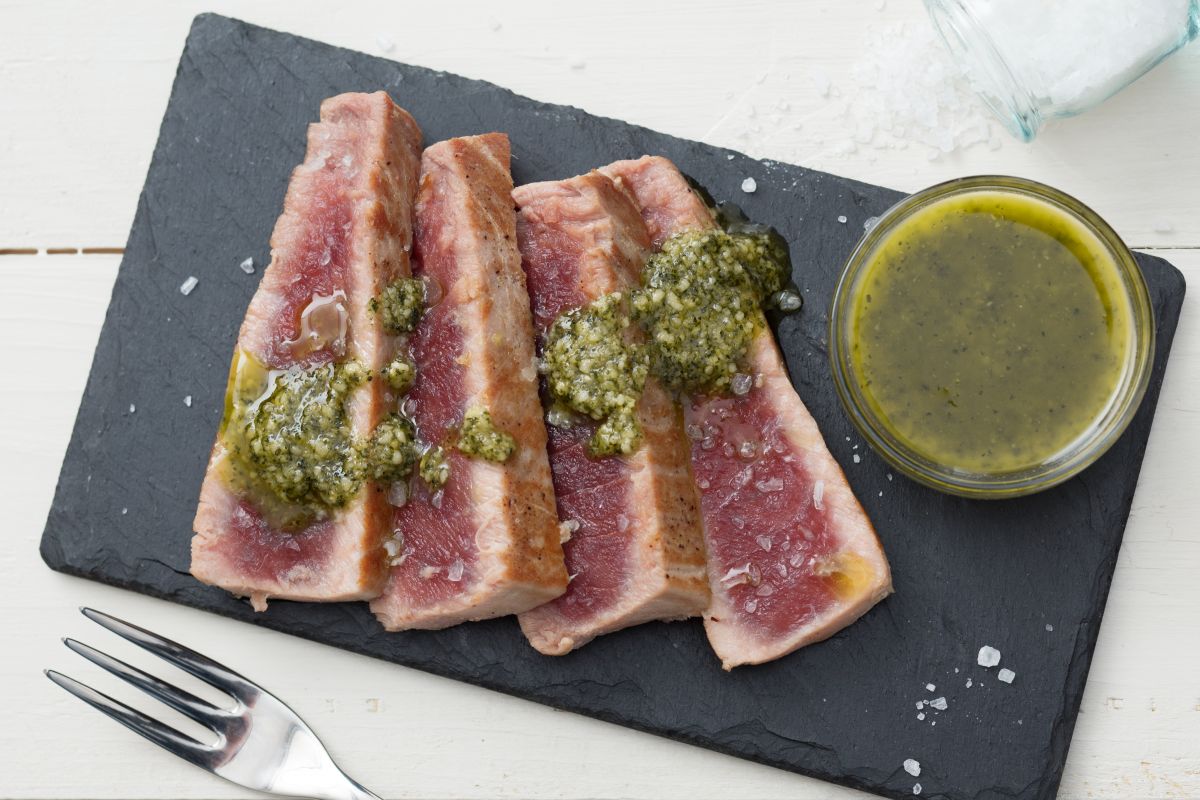
Tuna steaks with salsa verde.
Crisp, Minerally Chardonnay
Without a doubt, Chardonnay is the most maligned grape in bars and on the shelves of UK retailers. The ABC crowd, “Anything But Chardonnay,” can be very loud. Even over the din of a busy restaurant, you can commonly hear the following conversation,
The ABC states, “I dooooon’t liiike Chardonnaaay!”
To which a smug Sommelier will suggest, “Can I recommend a bottle of the Chablis?” Knowing full well it is 100% Chardonnay in that bottle.
“Ooo I LOVE Chablis, yes please” says the unaware ABC.
So, there you go, can we please all get over the 1980’s when the Aussies ruined Chardonnay by essentially turning it into “vanilla fudge flavoured wine drink” and instead, enjoy something pure, crystalline and mineral driven.
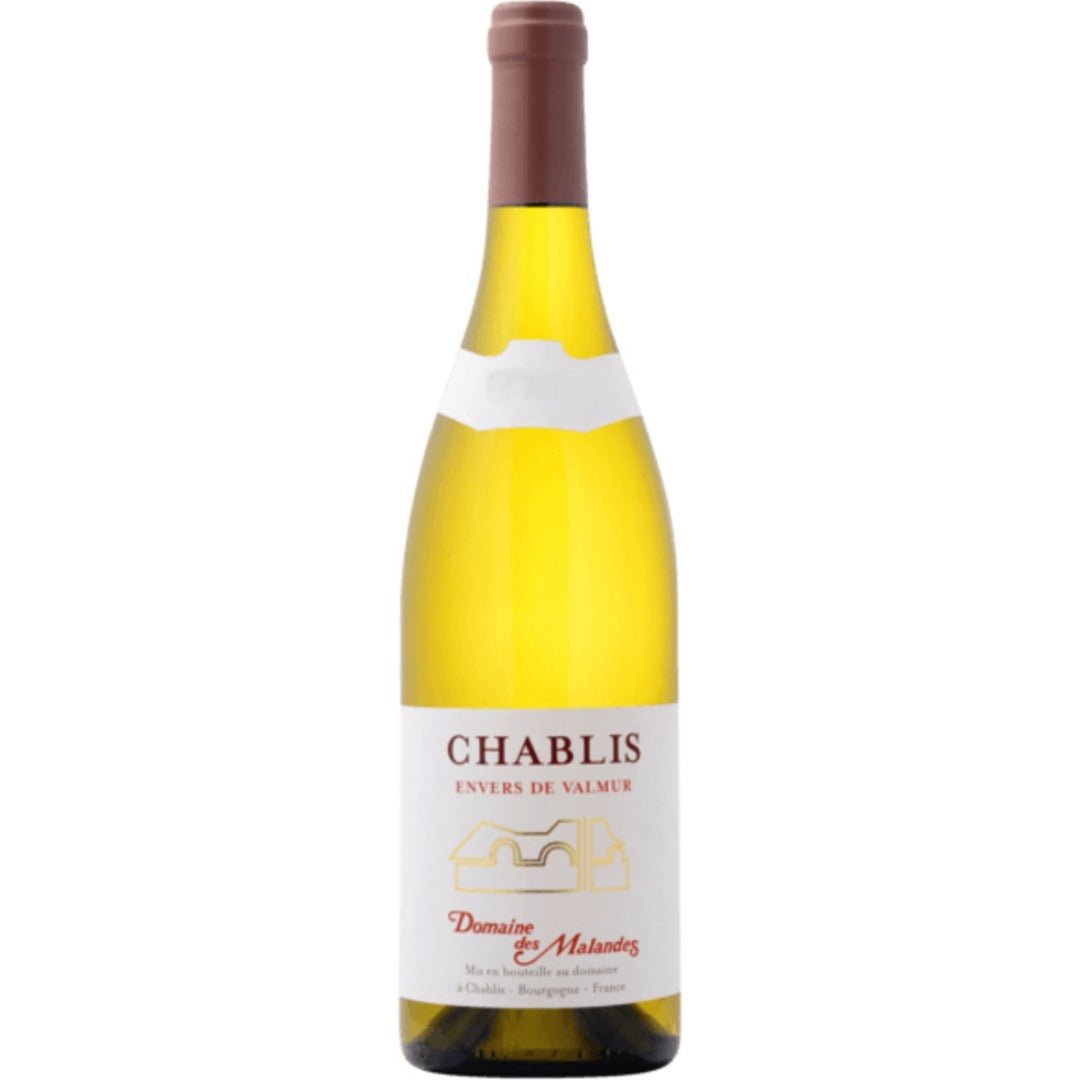
Domaine des Malandes Chablis Envers de Valmur
Here we have a frankly beautiful expression from the crystalline end of the Chardonnay flavour camp that is exemplified by Chablis.
Chablis itself is a part of greater Burgundy, Bourgogne as they would like to be known, yet is far flung from the famous stretch of vineyards in Bourgogne’s Cote d’Or, (golden slope). Chablis’ vineyards are over 60 miles North of the rest of the cluster, in fact they are actually closer to Champagne. Up here, these Northern climes, create a naturally lean style of wine, with the searing, razor-sharp acidity that makes Chablis work so well with food.
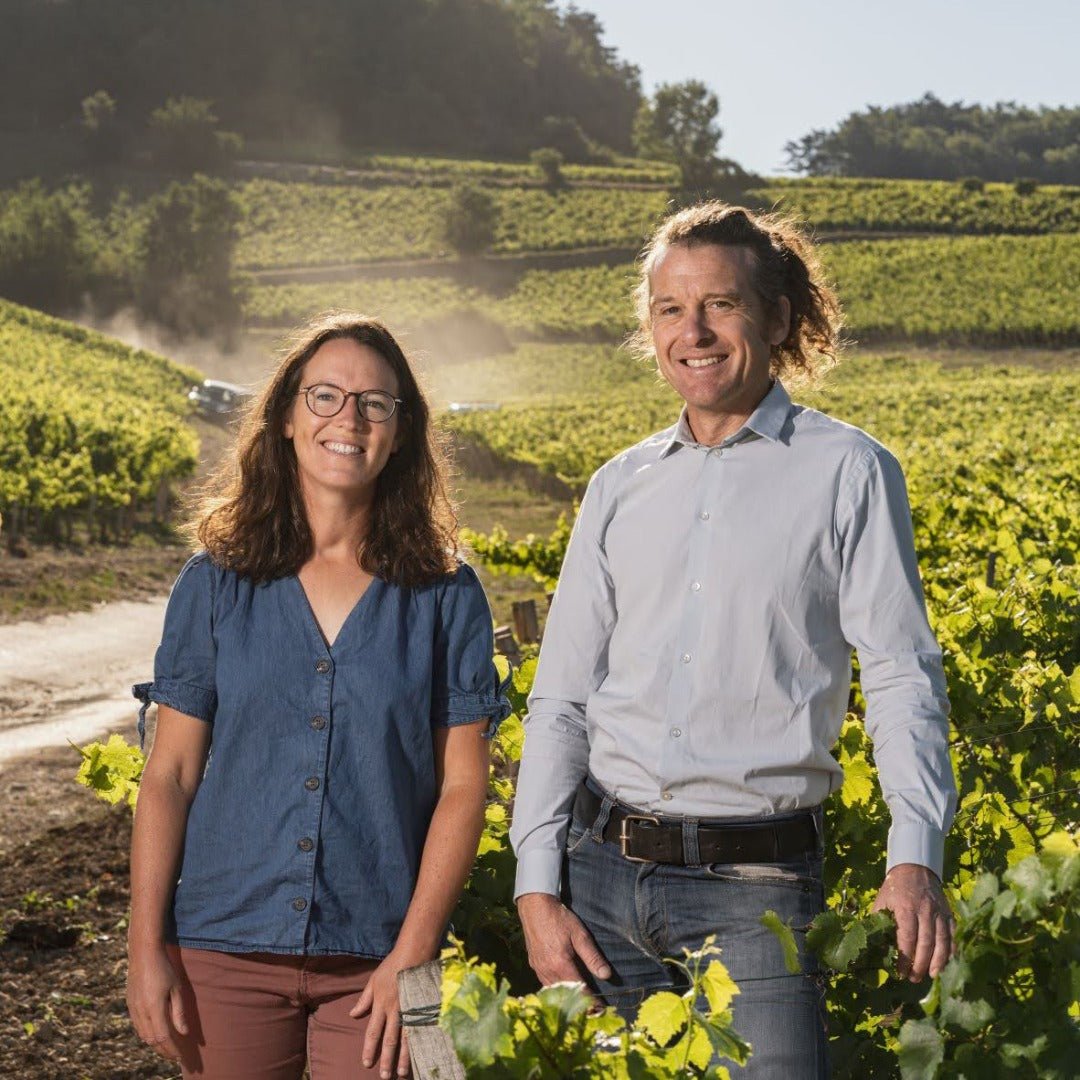
Where does the classic crystalline, minerality come from though? This is all down to the soils, Chablis has two famous soils, Kimmeridgian and Portlandian. Kimmeridgian soil is more highly regarded and contains greater levels of mineral-rich clay, as well as the essential marine fossils which are responsible for its significant lime content. Kimmeridgian soils are the source of the trademark minerality in premier and grand cru wines from Chablis. Portlandian soils are not so rich in clay and fossils, which results in slightly fruitier wines with a less pronounced mineral profile.
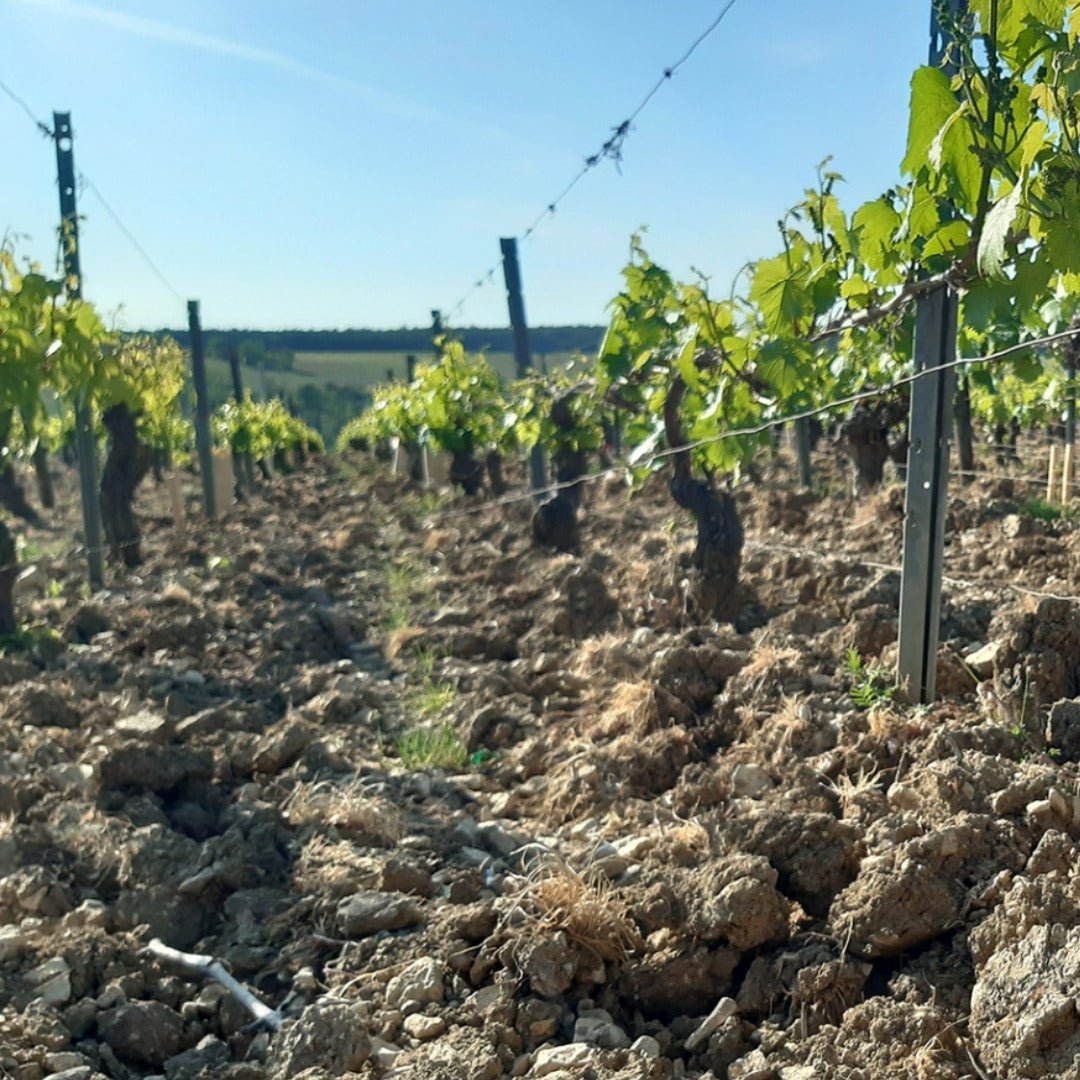
Domaine des Malandes is a fully sustainable, family-owned winery who own small parcels of land across the wider Chablis area. Most of these are in Petit Chablis, grown on Portlandian soils, this Envers de Valmur is special though. "Envers de Valmur" is a 1.65 hectare parcel, facing Southwest and situated at the bottom of the Vaudésir Grand Crus valley. The vines on this small site are all planted in the famous Kimmeridigian clay, with an average vine age of 50 years old. This wine is Grand Cru in all but name and price and is treated to that Grand Cru treatment in the winery as well, with 40% of the wine being aged in older oak barrels for 10 months to add complexity.
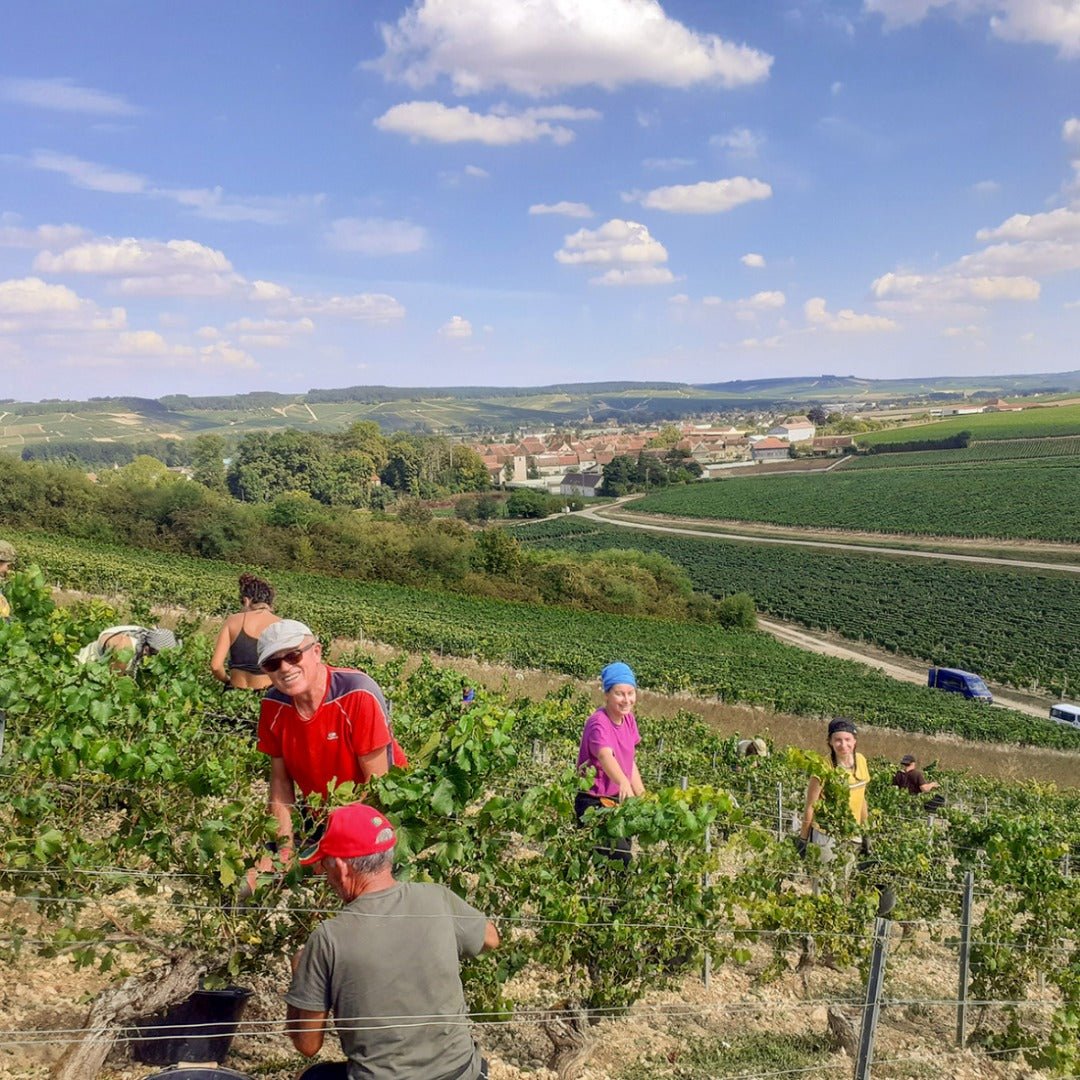
Without spending a significantly larger sum, I haven’t found a better Chablis. Pure and complex, with a touch of wood in a rich and ripe structure. White flowers and crisp citrus fruit with an electric acidity and a delicious wet flint minerality and a light salinity.
A wine such as this is perfect to match the marine and ozone flavours of an Atlantic oyster.
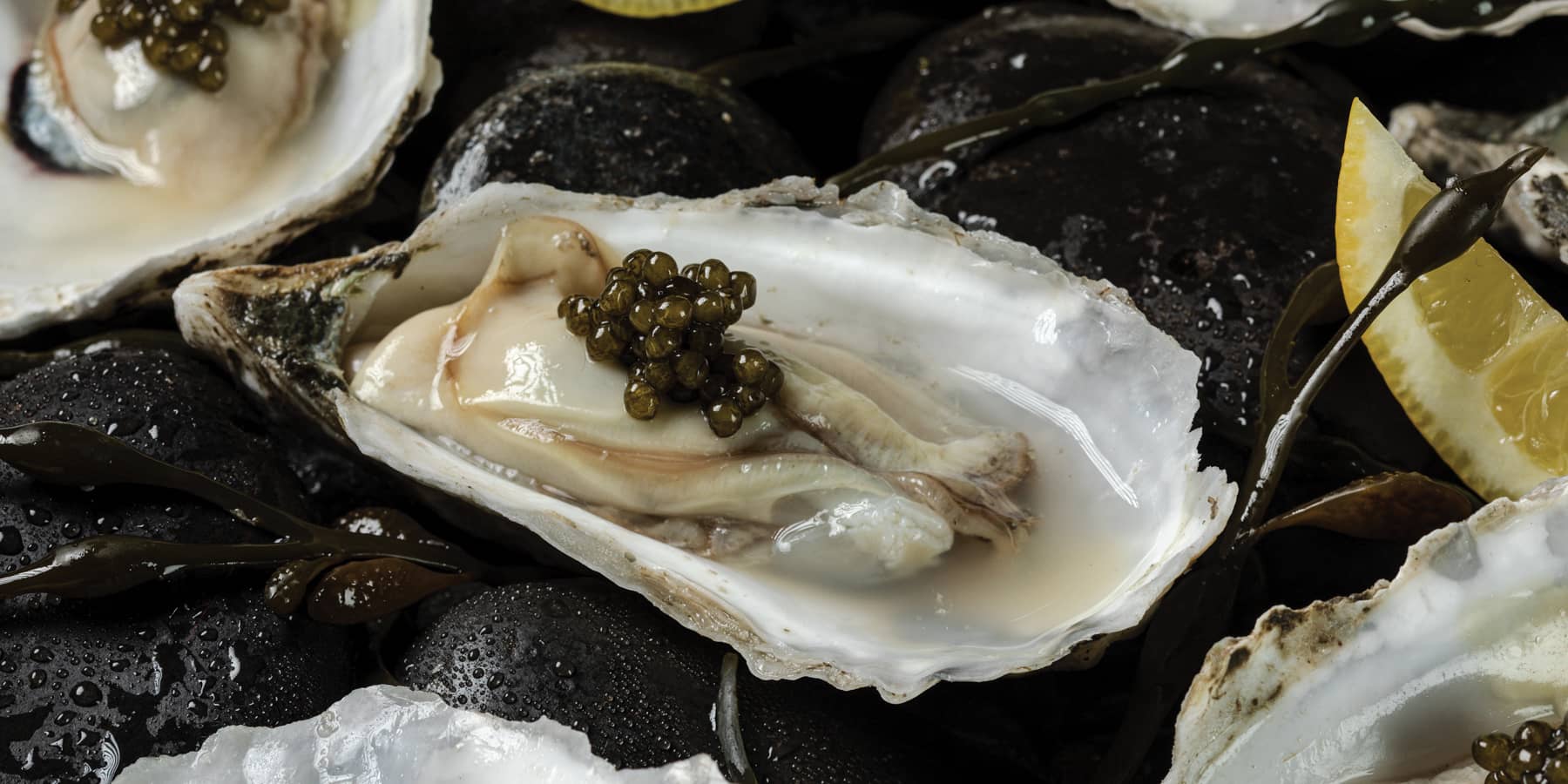
Atlantic oyster
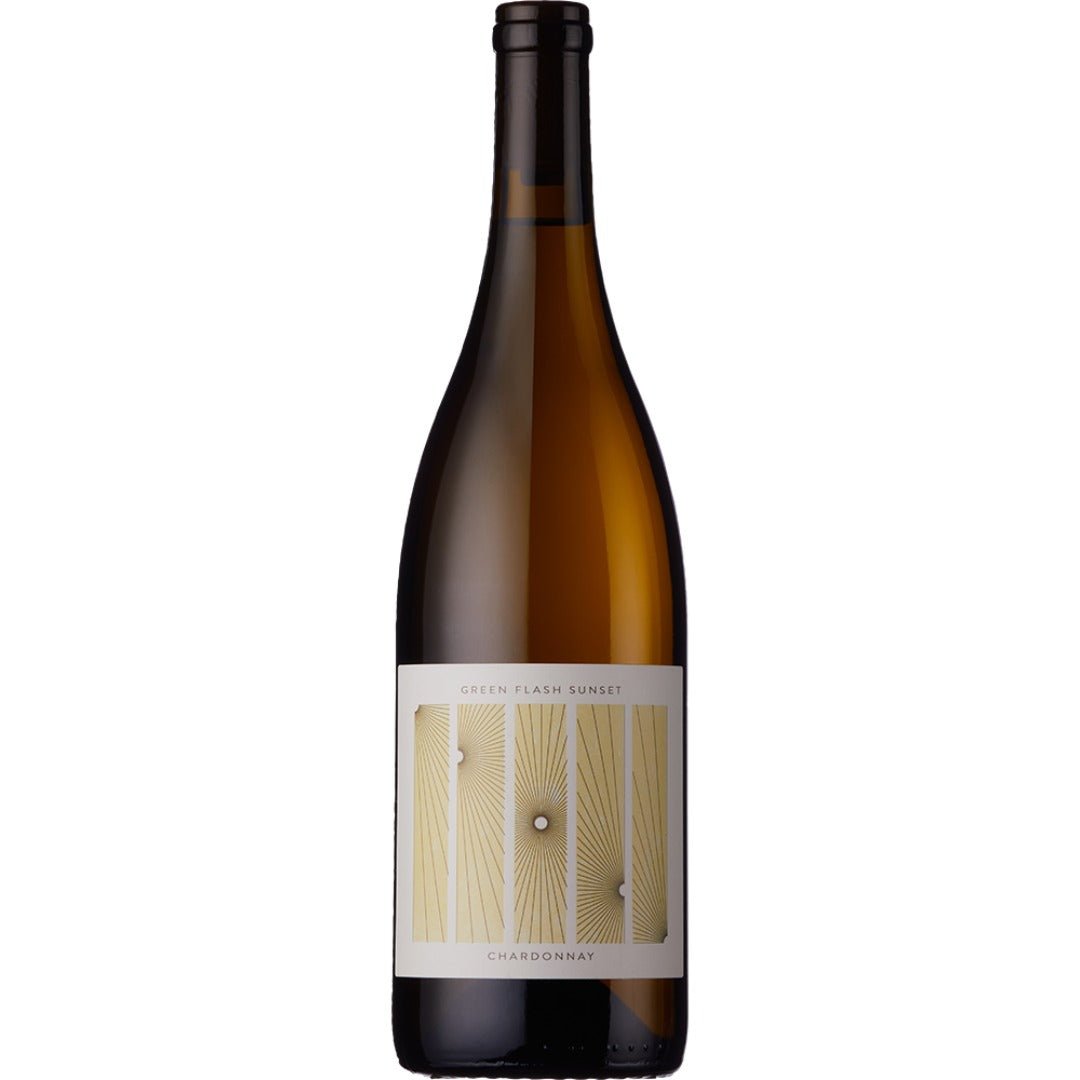
Green Flash Sunset Chardonnay
Inspired by the crystalline style of Chablis, the Green Flash Sunset is a collaboration between the fantastic winery of Wildeberg in the Franschhoek Valley, South Africa and their UK importer, Third Floor Wines.
Franschhoek translates to the “French corner”, and it is here that a large number of French Huguenots settled in the 1600’s. The Huguenots were Protestant’s, fleeing religious persecution and finding respite in this zone of South Africa. Being French, they brought with them vines and the knowhow to make the wine that every Frenchman needs flowing though his veins.
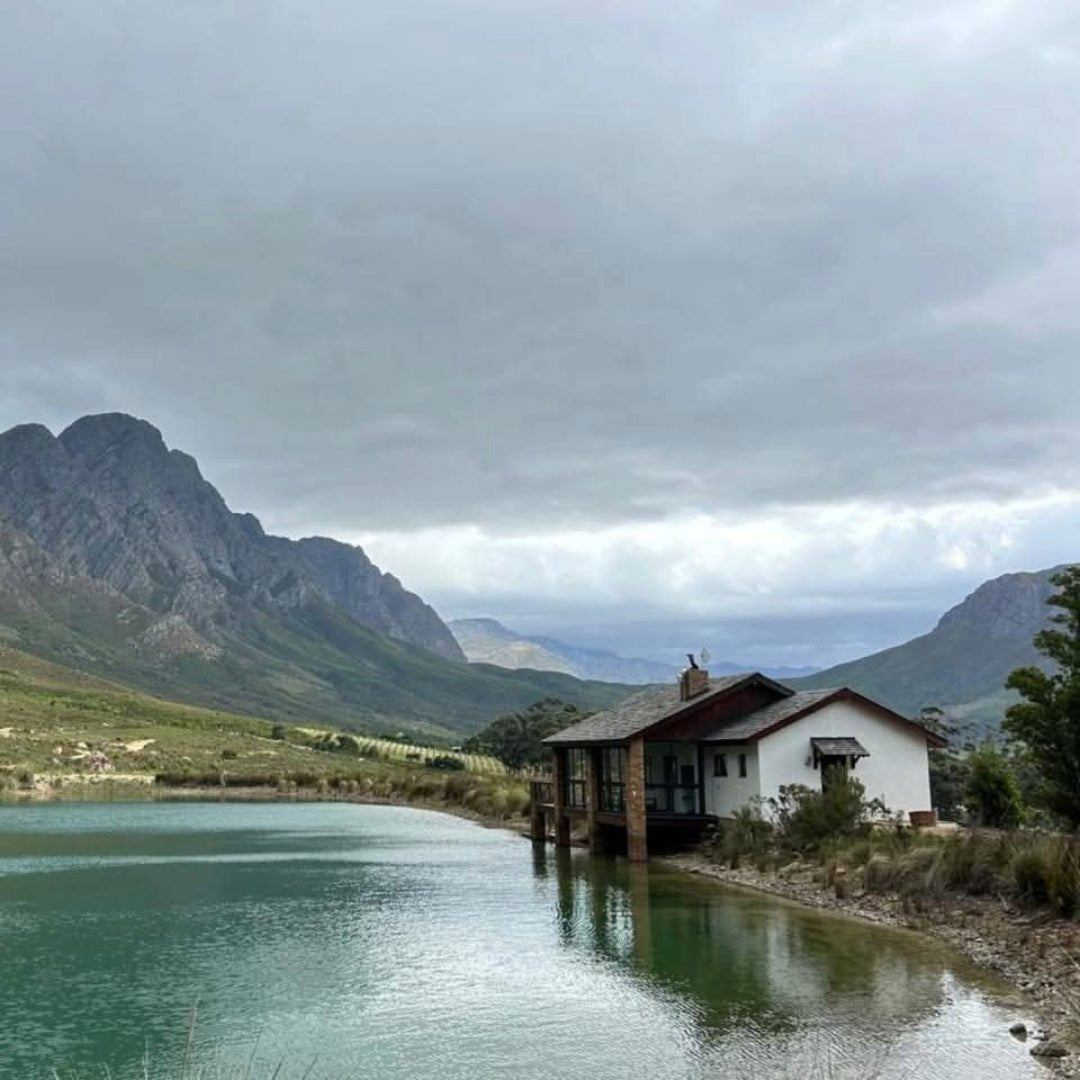
Overall, Franschhoek has a warmer continental climate that is perfect for producing big boned, powerful red wines. There are however optimum sites, bathed in shade, that are perfect for white wine production. These sites are hidden away between the nooks and crannies of the surrounding Wemmershoek, Groot Drakenstein and Franschhoek mountain ranges. These cooler sites extend the hang time for grapes to develop a full spectrum of flavours whilst retaining their bright acidity.
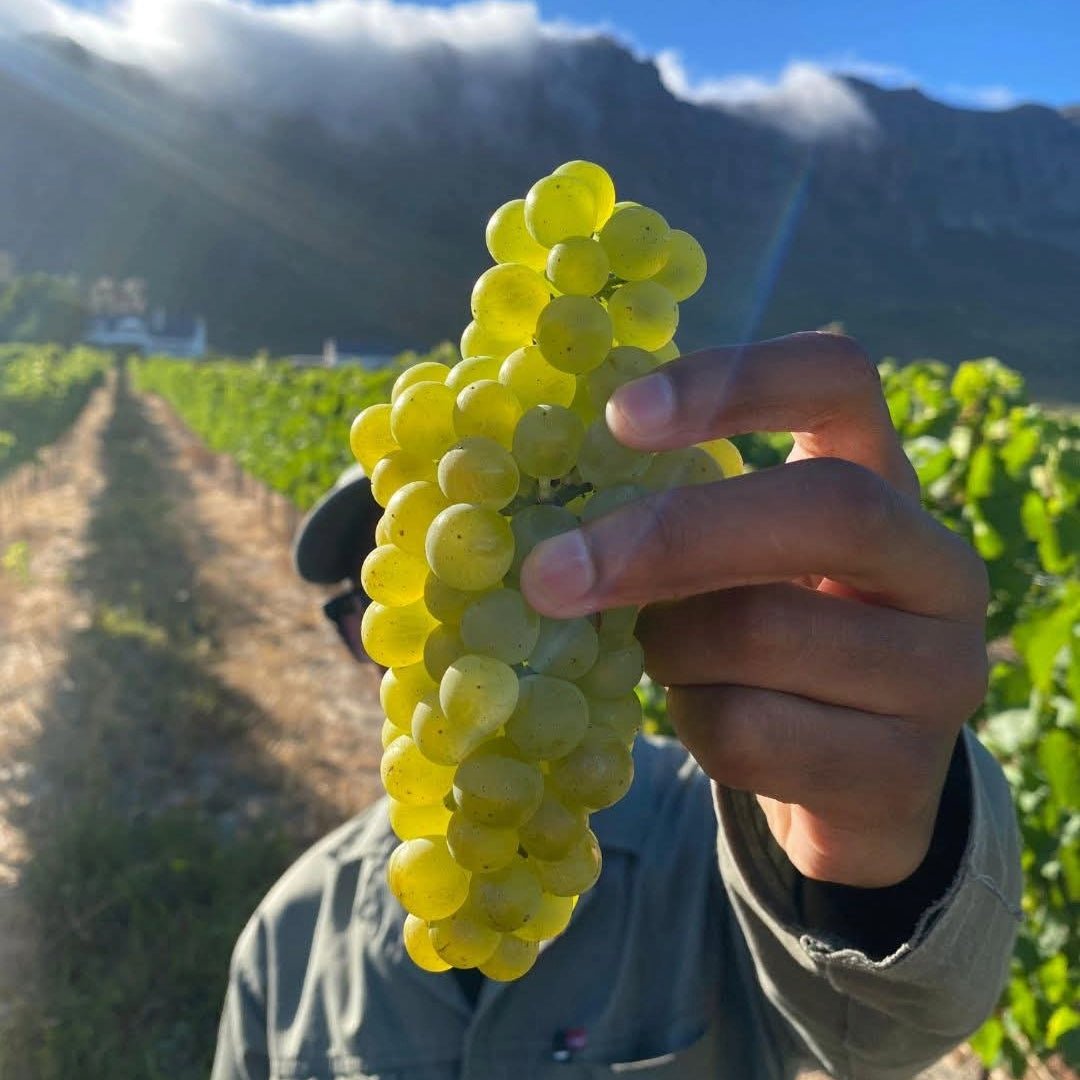
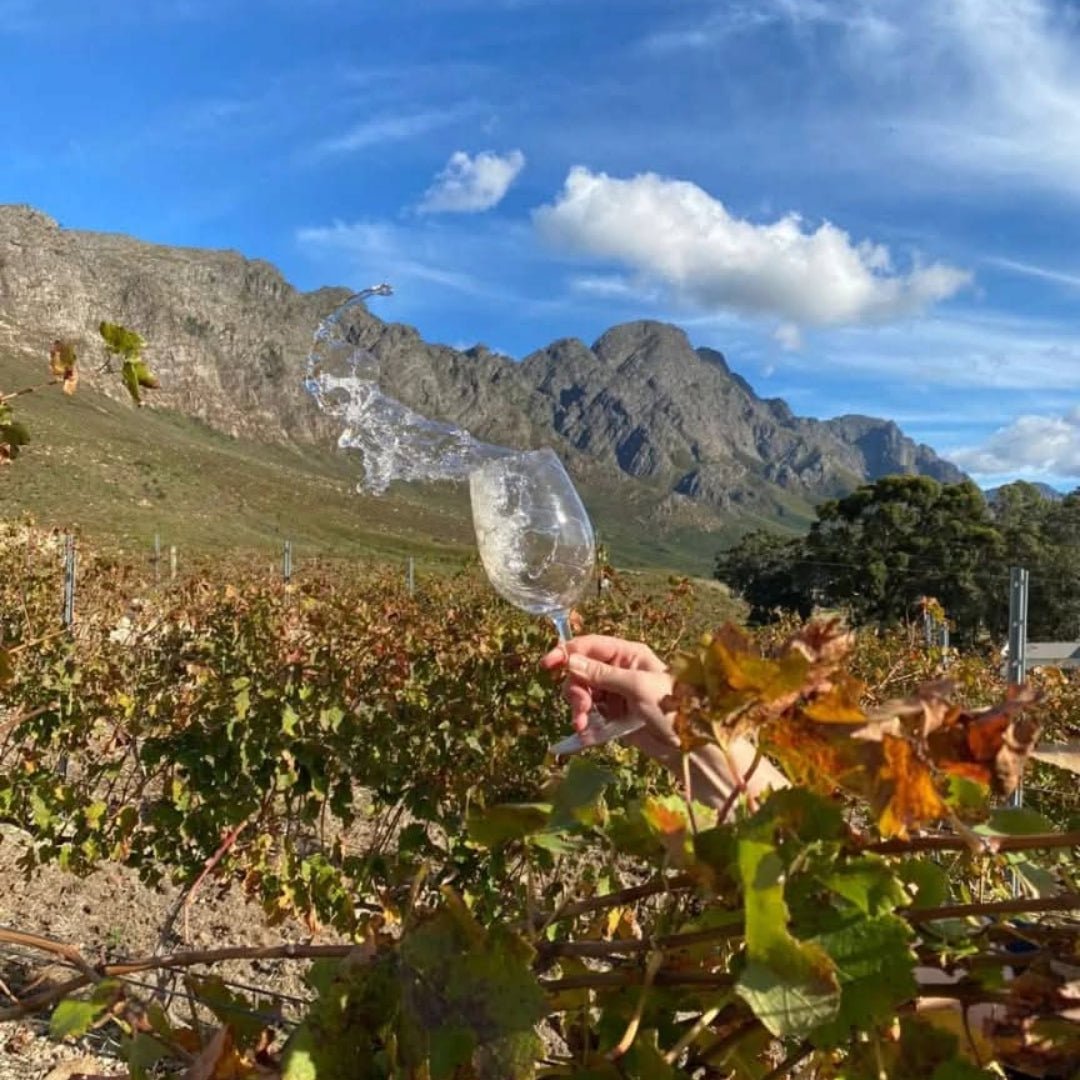
The South facing vineyard site selected to produce the Green Flash Sunset is slightly separate from Franschhoek, instead being in the narrow pass of Banghoek, just round the Hottentots–Holland Mountain. Banghoek gets it name from ‘De Bange Hoek’ meaning ‘Scary Corner’, it was named this because of the terrifying heights of the mountain peaks. Here we have both shade and altitude moderating the temperature which is all important for producing bright whites.
The feel of this wine is very much Chablis-esque, you can clearly see the inspiration, poised, fresh, zippy and elegant. The flavours however are a mile away from Chablis, instead of the flowers and the green apple, here you have peach and pineapple complimenting more of a rocky herb garden, all backed up by a light toastiness.
This will work with richer food such as pork chops and salsa verde or with prawns and pineapple salsa.

Pork chops with salsa verde
Rich, Buttery Chardonnay
For people who love Chardonnay, this is the style they often look for. These wines are typified by rich buttery flavours developed through wine making processes rather than solely what the grapes themselves offer. The wines are often, but not always, aged in oak. As a generalisation, European oak with its tighter wood grains and higher level of tannin, offers more toasty characters where as American oak often gives sweeter flavours of vanilla. Oak isn’t the sole wood used for aging wine, many others such as acacia barrels are also used. There are also many other techniques employed by wine makers.
Techniques include processes such as malolactic fermentation, a natural process where bacteria's present in the wine convert the sharp, harsh malic acids present in a wine, (the same acid you will find in fruit such as apples), into the softer lactic acid, (present in milk), to give a softer, creamier mouth feel to the wine.
Battonage is also common, this is the process of disturbing and stirring in the dead yeast cells that have settled to the bottom of the aging vessels, be they stainless steel tanks or wooden barrels, battonage can add flavours such as a yeastiness/breadiness or a creaminess to the wine.
The Cote d’Or of Bourgogne is the spiritual home of these styles of Chardonnay, in particular the Cote du Beaune and the Chalonnaise/Maconaise regions. More so than the crisp and minerally style of Chardonnay, it is this richer, buttery style that is more commonly emulated around the world to try and capture some of the majesty of Chardonnay’s home styles on the golden slope.
Domaine Francois Berthenet Montagny Les Coeres
I would love to introduce you to some of the fabled wines of Meursault, or perhaps one of the Montrachets, Puligny or maybe even Chassagne, but the truth is, even the village level wines from these appelations are beyond my budget these days. This is Bourgogne after all, the holy land of Chardonnay and Pinot Noir, where you can find some of the most expensive real-estate and wines in the world. Instead, I have chosen a humbler appellation, that of Montagny in the Côte Chalonnaise.
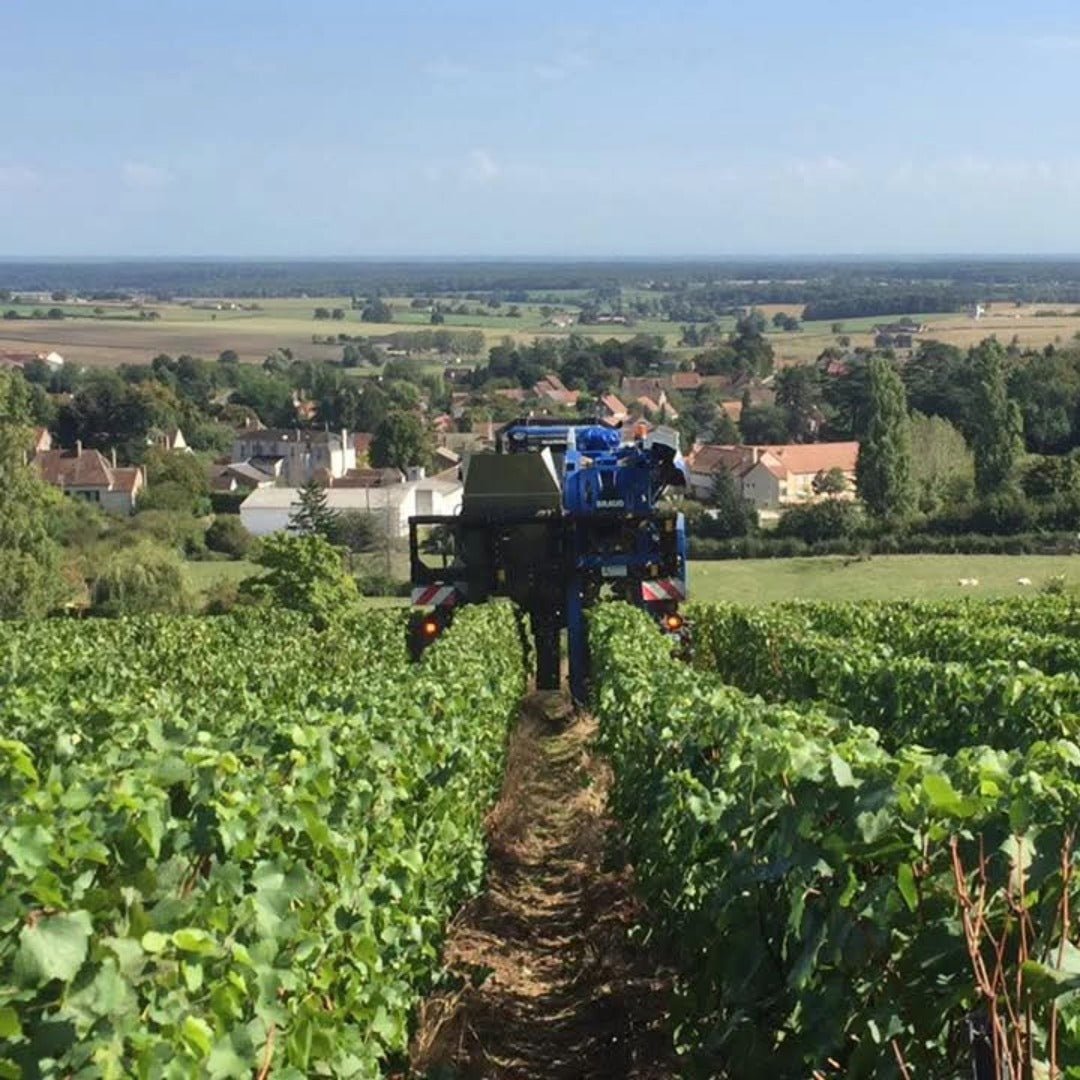
99% of the wines produced in the commune of Montagny are Chardonnay based. Chardonnay is their bread and butter, and they do it very well. There are no Grand Cru sites in Montagny, but they have a particularly high proportion of Premier Cru vineyards. The wines are typified by a little more body and slightly higher acidity than the whites from other Chalonnais appellations.
The reason for the added richness is in the vineyards being very slightly further South, marginally warmer and sunnier leading to riper berries. The freshness on the other hand is down in a break in the hills to the West, which funnels breezes to the vineyards and cools the grapes on an evening.
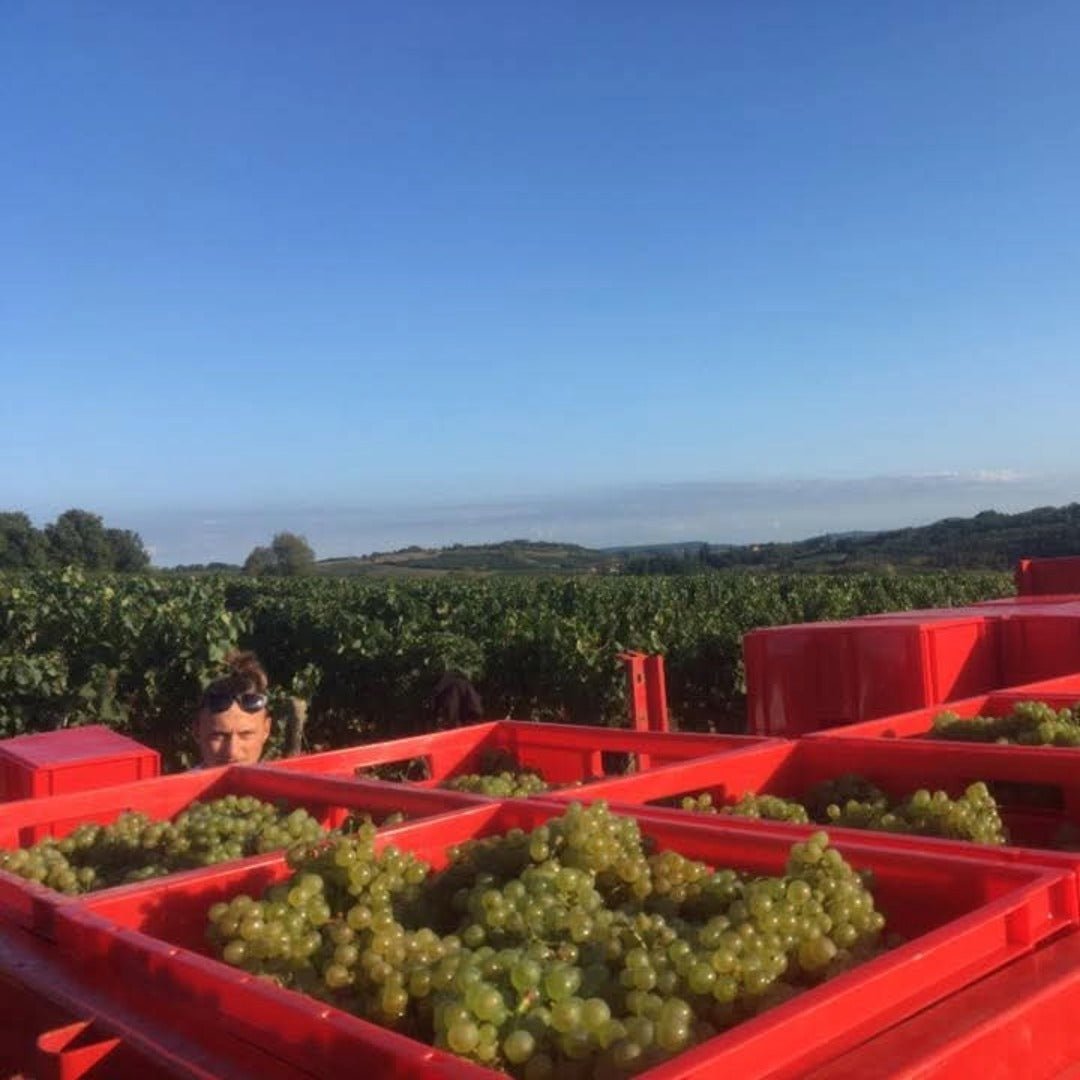
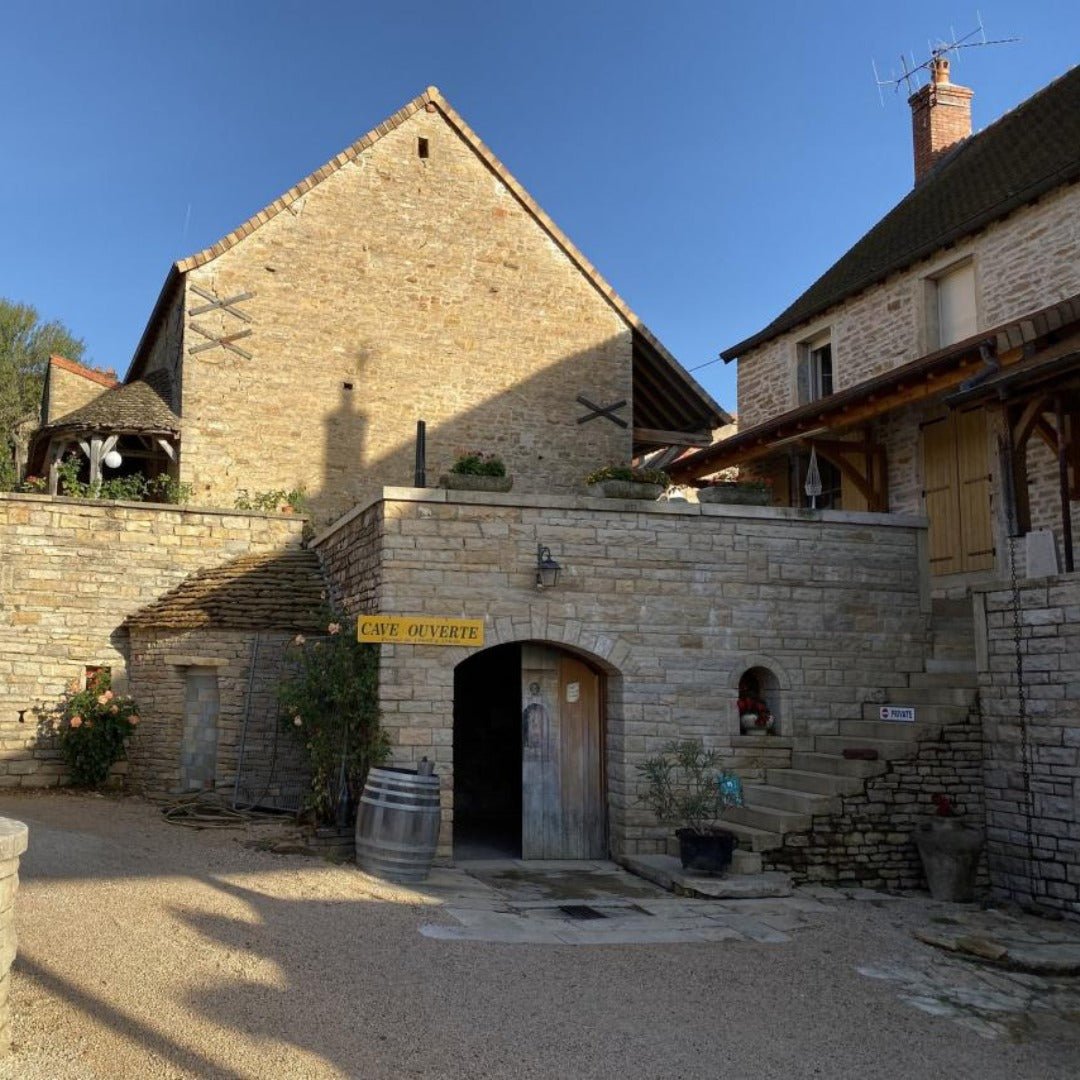
Francois Berthenet took over his father’s vineyards around Montagny and follows a minimal intervention philosophy on the farm. They were the first producers in their village of Buxy to farm sustainably with limited use of chemicals. Francois is of the belief that careful attention in the vineyard is the secret to healthy fruit with little or no intervention.
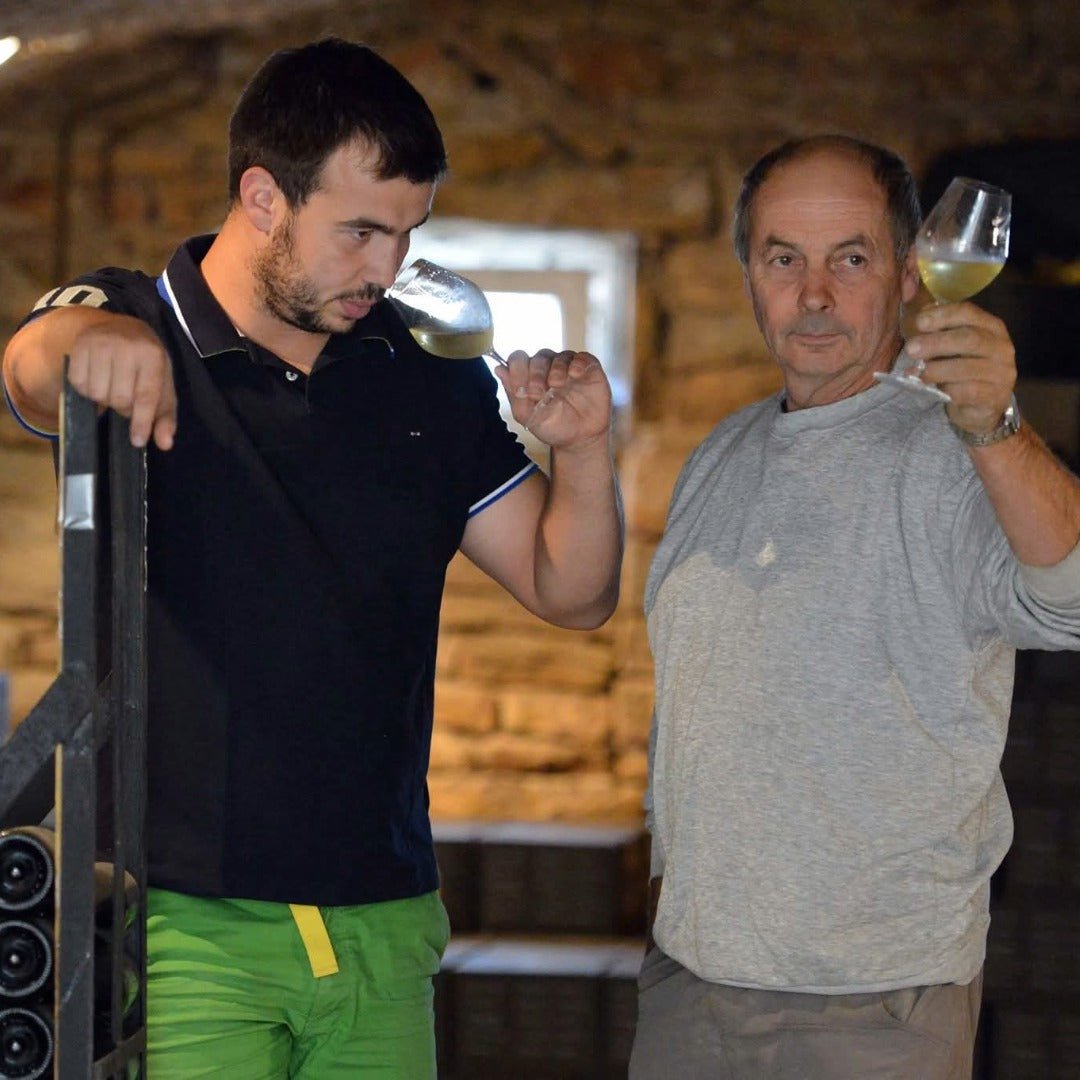
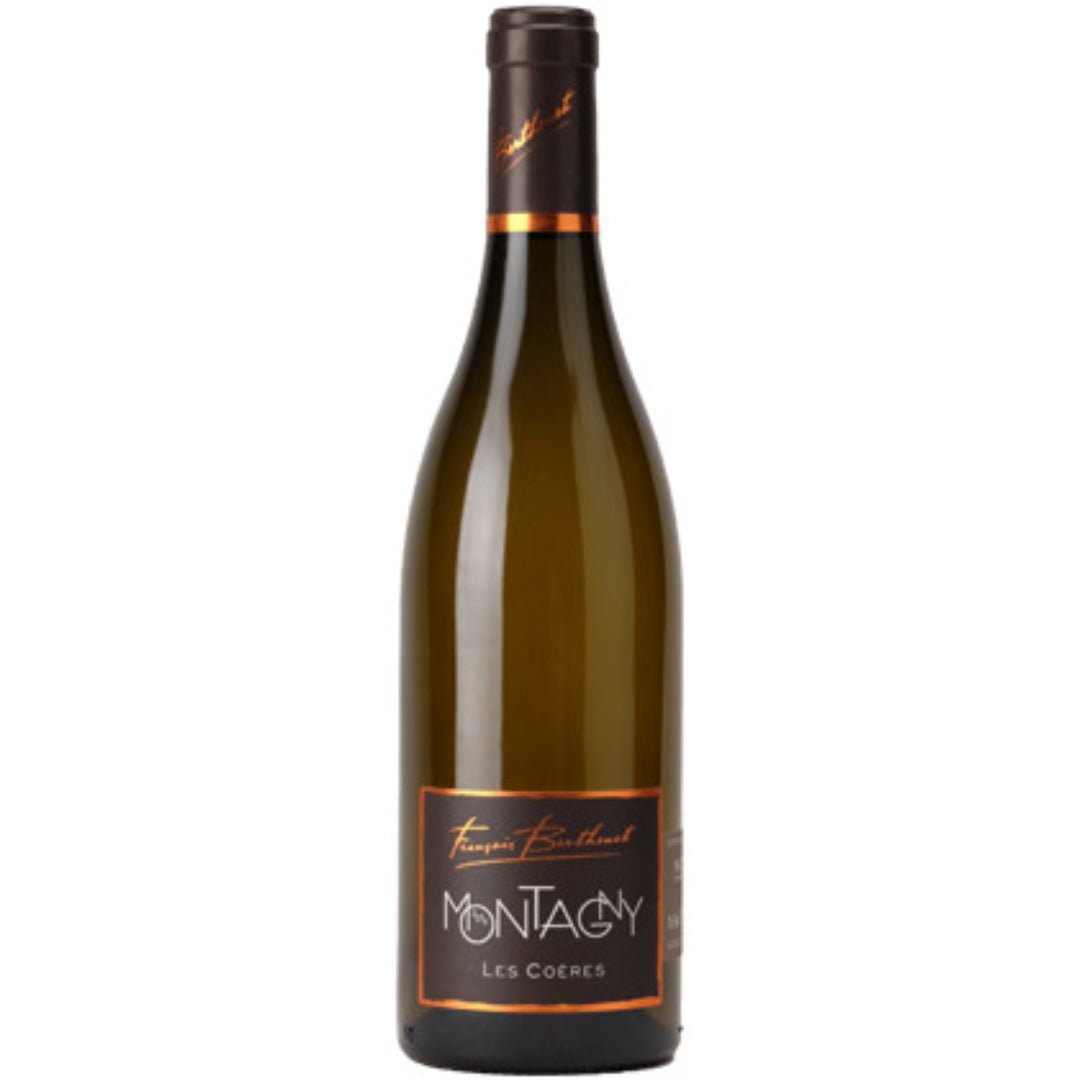
For his premier cru “Les Coeres” expression, Francois has aged his wine in a combination of old, and a small percentage of new oak barrels. The result is a richer style with full ripeness of fruit. Flavours include brioche, peach, apricot and baked pear, this Chardonnay is more reminiscent of its highly priced cousins to the North in the Cote d'Or.
The opulent character of the Les Coeres makes this the perfect wine for your roast chicken or coq a vin blanc.
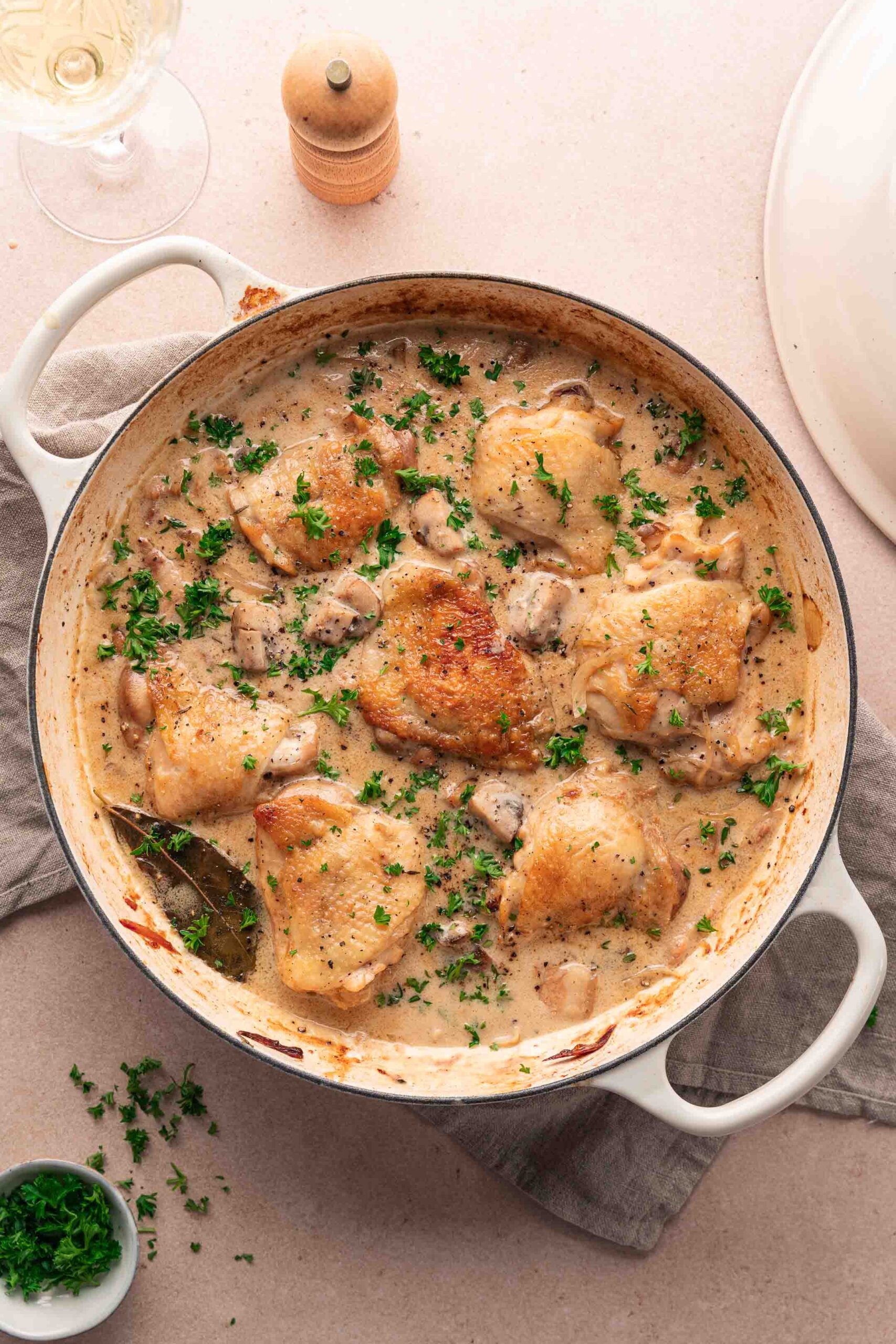
Coq a vin blanc
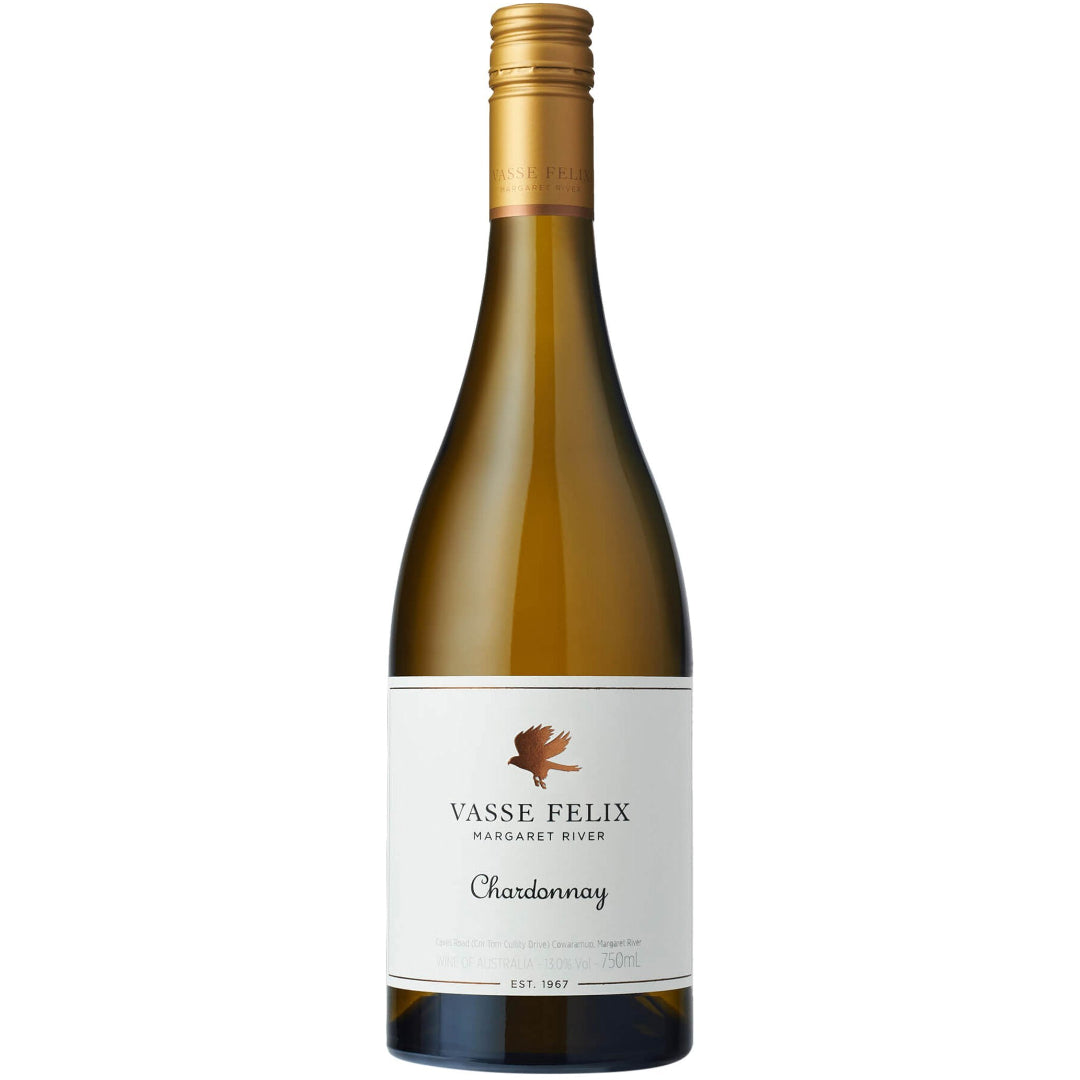
Vasse Felix Chardonnay
Yes, I know, the Aussies ruined Chardonnay in the 1980’s and their vanilla fruit bombs were copied around the world leading to the ABC gang...But the modern scene for Chardonnay in Australia is completely different. The Aussies can certainly still produce these big, rich & opulent styles, but balance is the word on everyone’s lips. Australian’s have no problem growing grapes that achieve full ripeness, the tricky part is in retaining acidity.
The vast majority of Australian wine is produced in the Eastern States of New South Wales, Victoria and also South Australia, Vasse Felix is way out West. Margaret River in Western Australia is one of the most geographically isolated wine regions on earth. “Margs”, as it is colloquially known is the land of “red gravel and red gum”, it was originally called Wooditchup by the Wardani Boodjar language group of the first nation, Noongar people. Perth is the nearest major city, which is itself one of the most isolated cities in the world, it is over 2000km from the next major city. Perth is over 3 hours drive away from Margaret River.
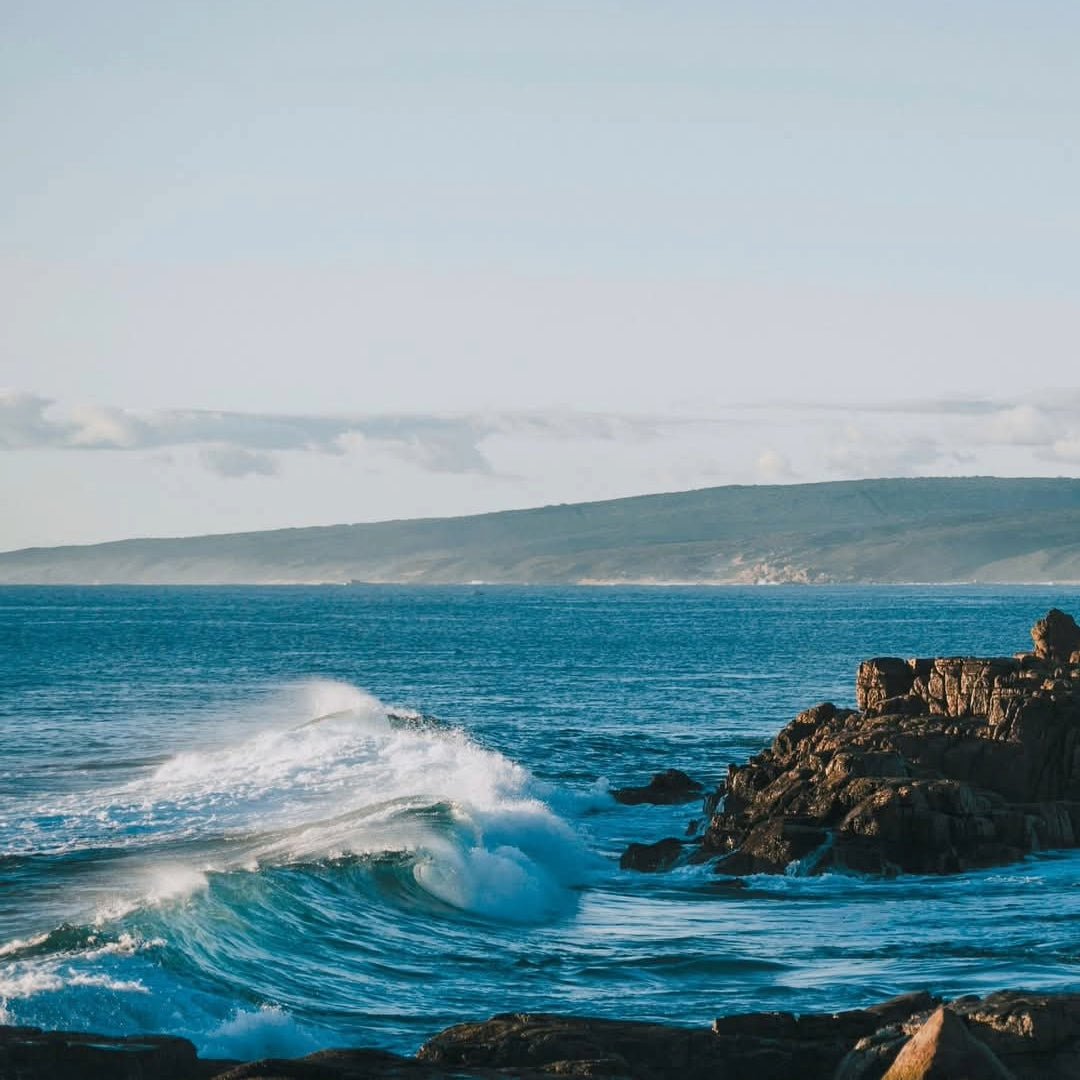
"Margs" climatically feels very European and is situated on a Peninsula surrounded by water on 3 sides. The warm Indian Ocean takes up the Western coast and the North coast of Geographe Bay, the cold Southern Ocean wraps around the Southern side. The Leeuwin Current brings in warm waters from the tropics whilst the Fremantle or “Freo” Doctor brings cooling afternoon breezes from the South. The area is a region of spectacular physical beauty, pink skies, blue surf, red land and green bush. This extensive coast is what moderates the vineyards of Margaret River.
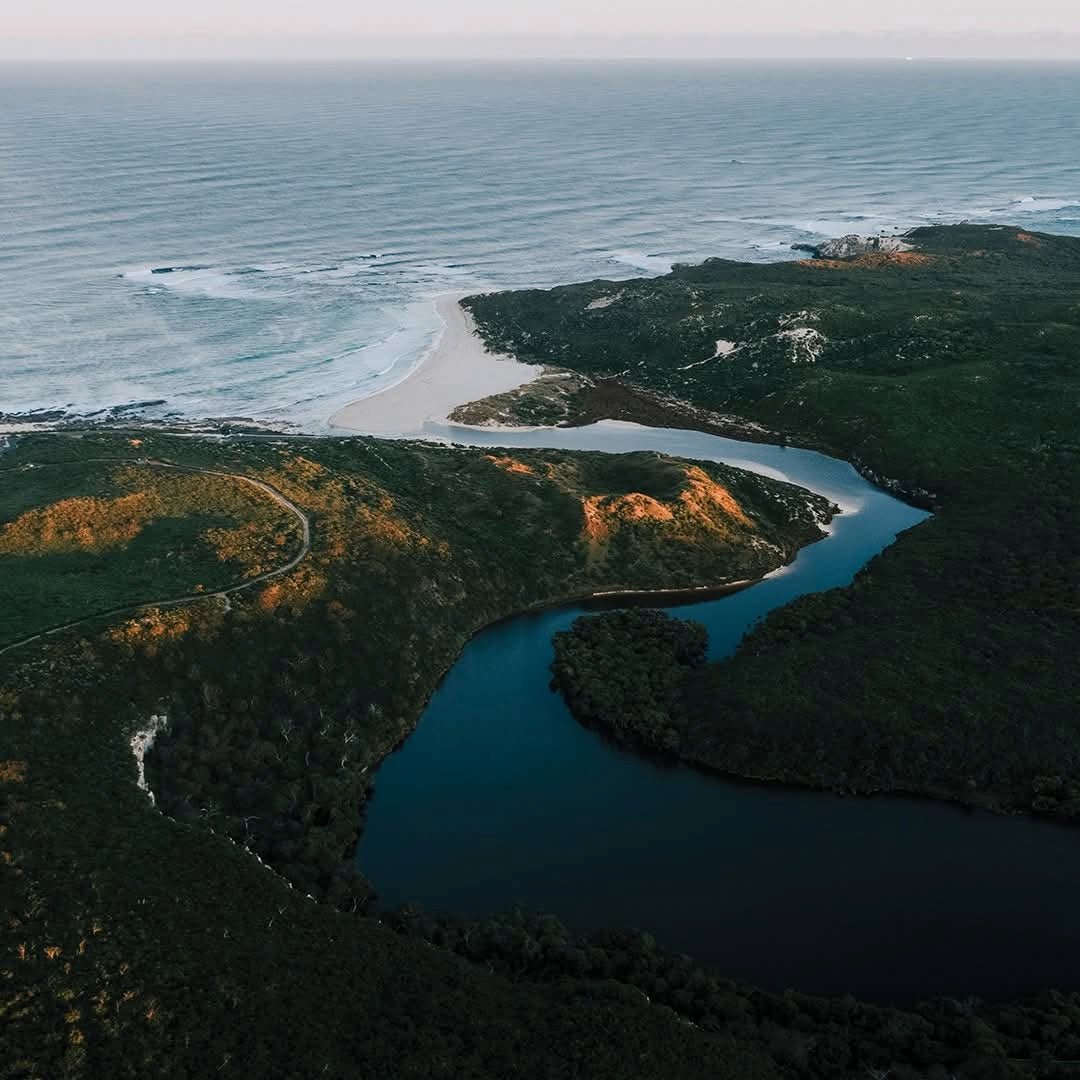
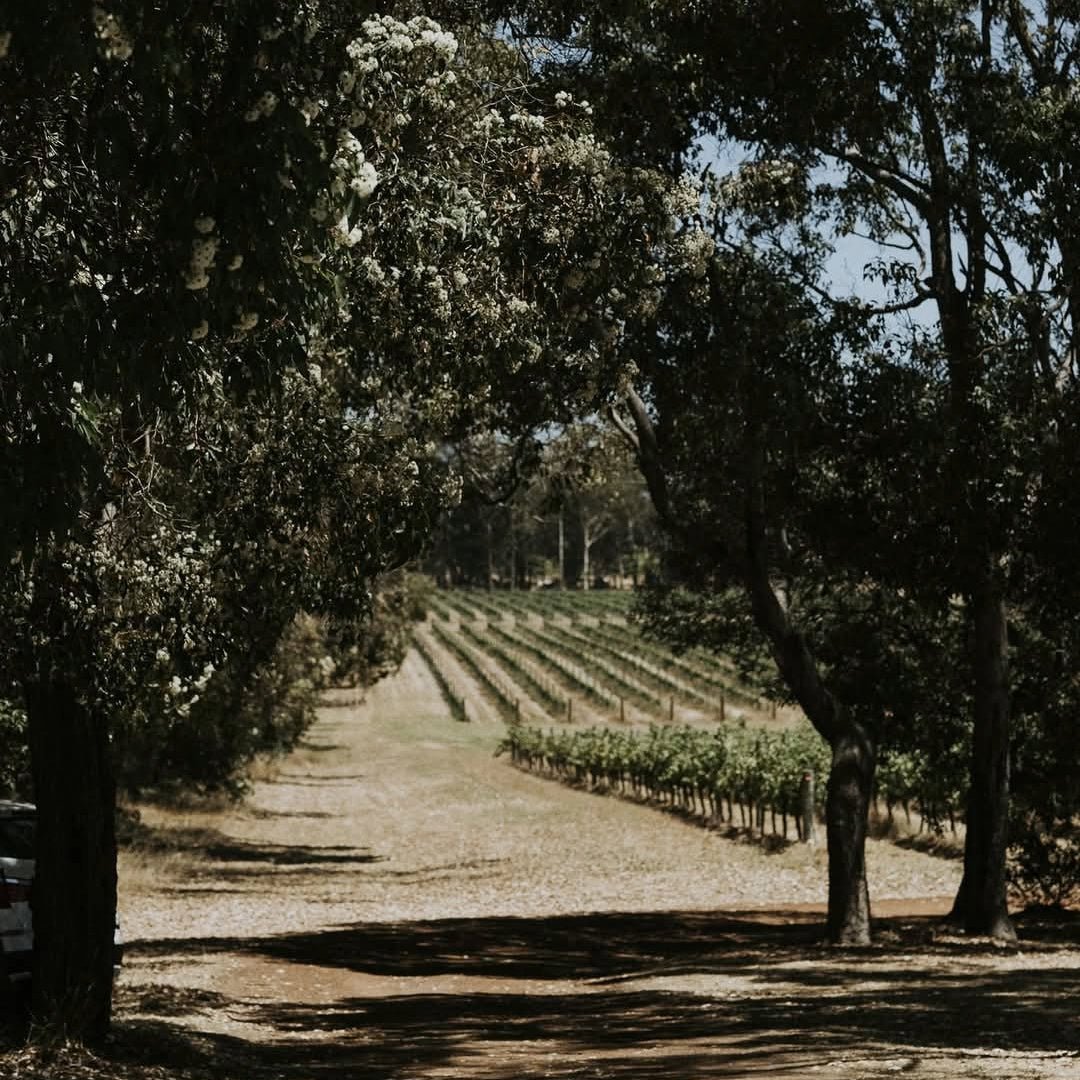
Established in 1967 by regional pioneer Dr Tom Cullity, Vasse Felix is Margaret River's founding wine estate. Sustainable and organic production along with one of the best restaurants in Margaret River makes this a must go to vineyard. The Burgundian influence in this Chardonnay is clear. The Chardonnay clones are a combination of both the Bernard clone from Dijon as well as the more common Gingin clone from Argentina’s Mendoza. The wine is fermented using wild yeasts aged in French oak with full battonage, all very Burgundian.
The result of course doesn’t taste exactly like Burgundy but that is fine, variety is a good thing! There are flowers and peaches present, reminiscent of a delicious Bourgogne, there is even a delicious yeasty, patisserie note of croissant. The key flavour difference is that you also have the salty marine influence mingled with cashew.
Drink this with lobster and garlic butter or a crab linguine.
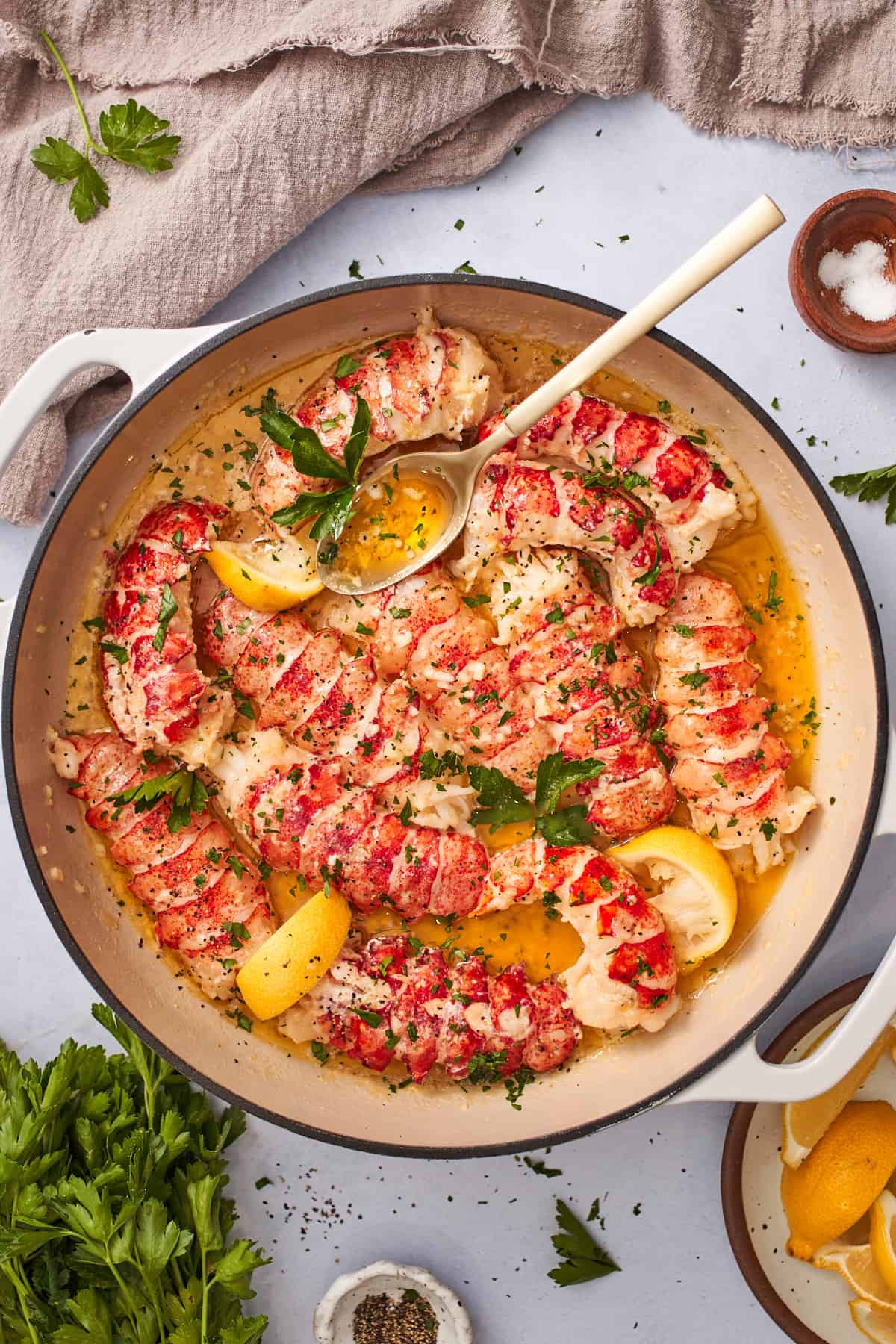
Garlic butter poached lobster tails
White Rhone Blend
We are finishing our tour of France’s influential white wine styles with a slightly more obscure option, that has nevertheless been imitated in the New World. This is the style from the Rhone Valley. These are wines that those in the wine trade absolutely love, but other than Viognier, with its recent peak in public interest, the wines have never really hit the mainstream UK market.

The warm, dry climate of the Rhone valley has a famously powerful, high wind called the Mistral, which especially in the North, can desiccate, (dry out), the grapes through its sheer intensity. The Mistral is often described as feeling like being stood in a hairdryer. Because of these climatic difficulties, the grapes grown here are very hardy, almost perfect for growing in properly hot, arid climates. Almost! These grapes are finicky and very easily lose their acidity and balance becoming flabby. This does not of course stop intrepid New World winemakers from attempting to create their own take on the tapestry of exotic flavours inherent in the Rhone grapes of Marsanne, Roussanne, Viognier and Grenache Blanc.

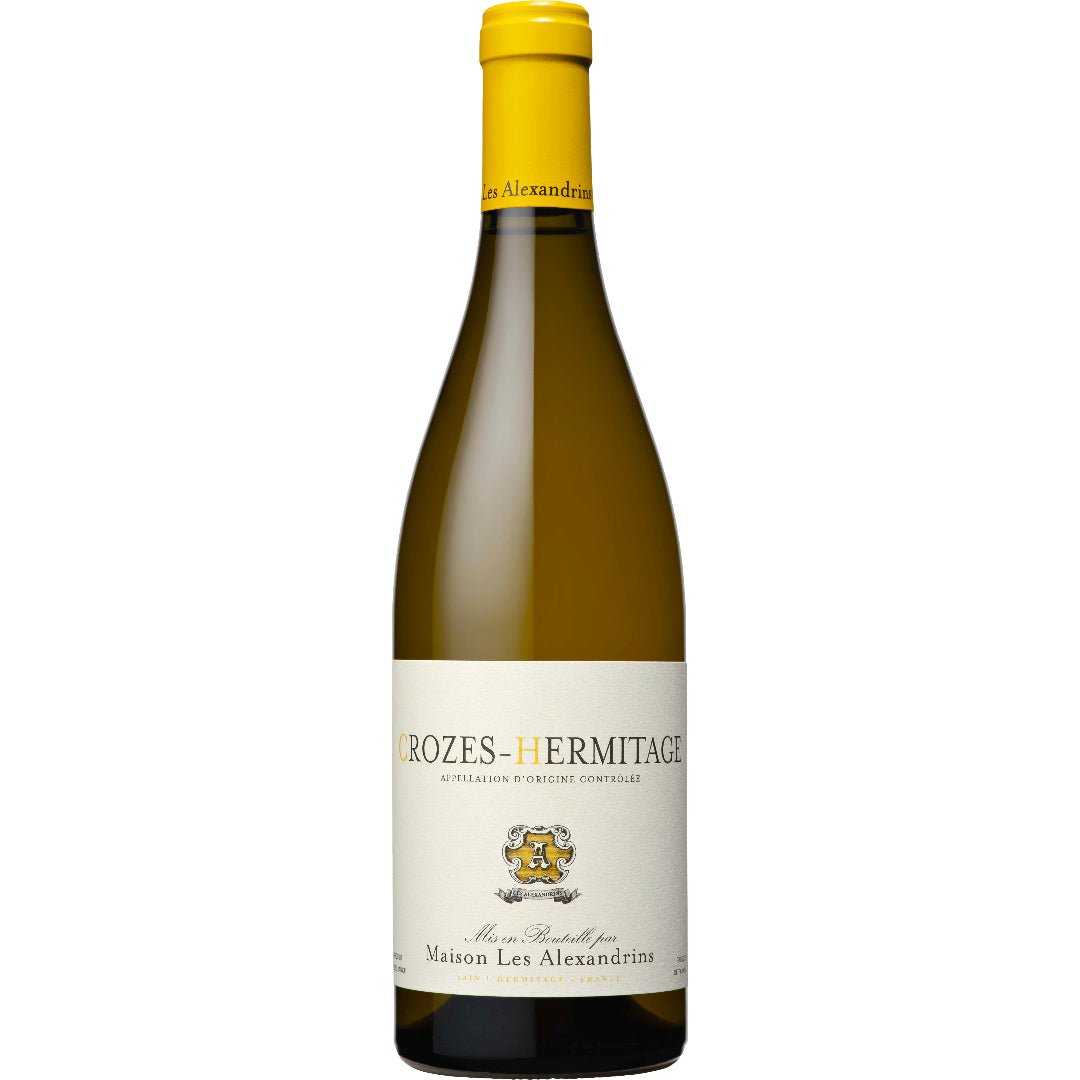
Maison Les Alexandrins Crozes Hermitage Blanc
Crozes-Hermitage is the largest appellation in the Northern Rhone. Being the largest of the Northern Rhone appellations, the area has many different little microclimates so the wines can vary greatly. The grapes used in this wine come from two different sites, where the vines are on average 20 years old. The first is in 'Les Pends', a lieu dit in Mercurol. The vines are planted on granite slopes with limestone on the surface, giving finesse to the finished blend. The second site is further south, in Chanos Curson. Soils here are stony, producing fuller-bodied and more concentrated wines.

As with many whites from Crozes Hermitage, this is a blend of Marsanne and Roussanne with a 65:35% split. These two varieties compliment each other in the same way that Sauvignon Blanc and Semillon do in Bordeaux. The Marsanne brings weight and structure to the blend but can be lacking in perfume, it also has lower acidity which can be accentuated in hotter vintages. Marsanne provides an oily, unctuous texture to a wine. The Roussanne element of the blend brings some acidity along with aromatics. Roussanne gets its name from "russet", due to the reddish-brown colour the grape skins go when ripe. It is these pigmented skins which give Roussanne its beguiling aromas of tea, herbs, honey and spiced apricots. Blending the flavours of Roussanne with the oily texture of Marsanne helps to draw out the palate and the finish as the wine clings to the mouth.

This Crozes Hermitage follows classic modern winemaking techniques used for white wines in the Northern Rhone. The bunches were pressed and the juices left to settle. Fermentation took place at a low temperature in two and three-year-old oak barrels. The wine was aged on lees for six months with 50% in old 600 litre barrels and 50% in stainless-steel tanks to add body and complexity.
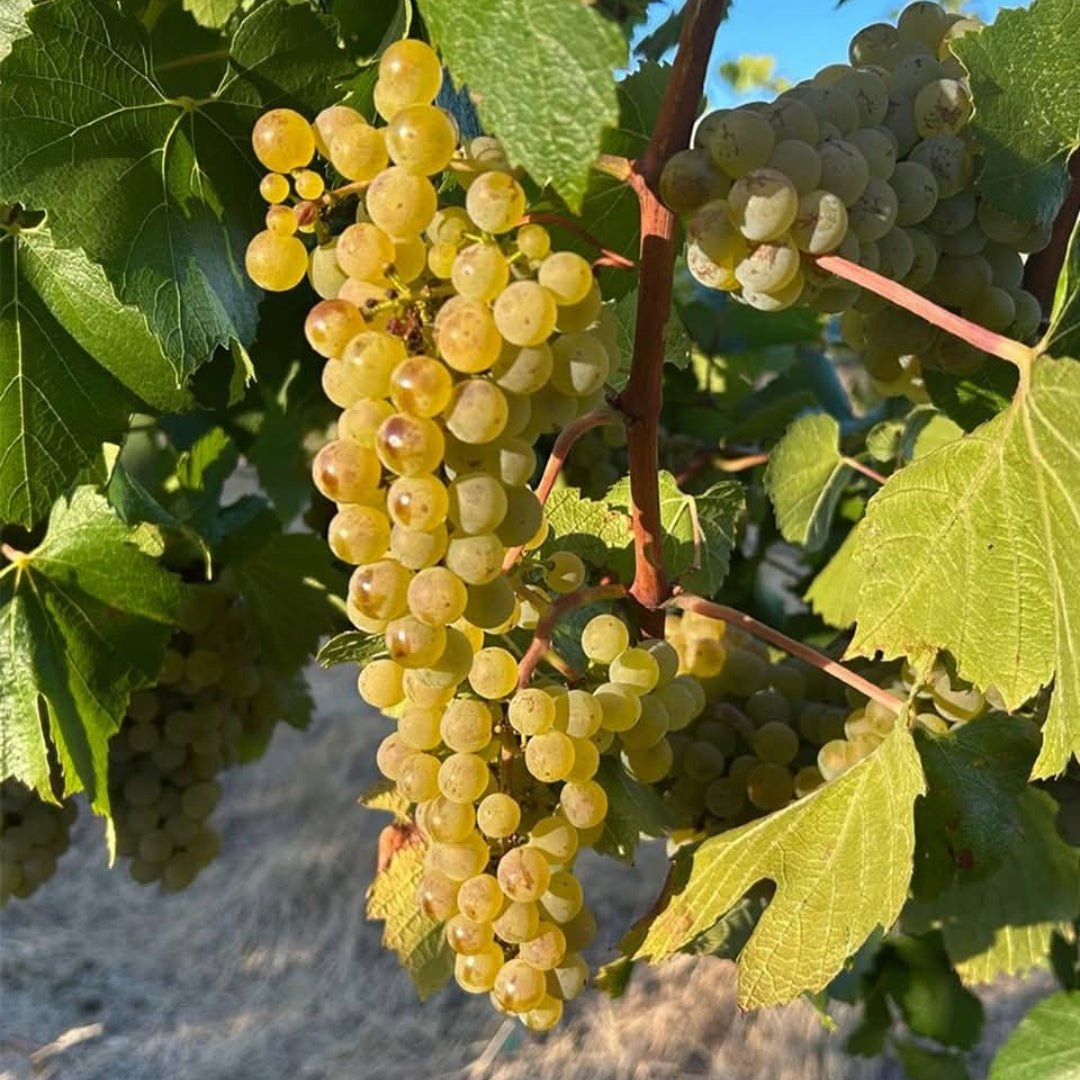
As the blend is majority Marsanne, the wine is more delicate than expected with aromas of white flowers, citrus and fennel. On the palate, notes of peach, pear and red fruits are balanced with the subtle touch of oak. On the finish, this wine is aromatic with a slight salinity.
Hailing from the mighty Rhone river, it would be a shame not to pair this with some river fish. Salmon and soba noodles with sesame seeds, trout in a dill and mustard cream sauce, many options would work here.
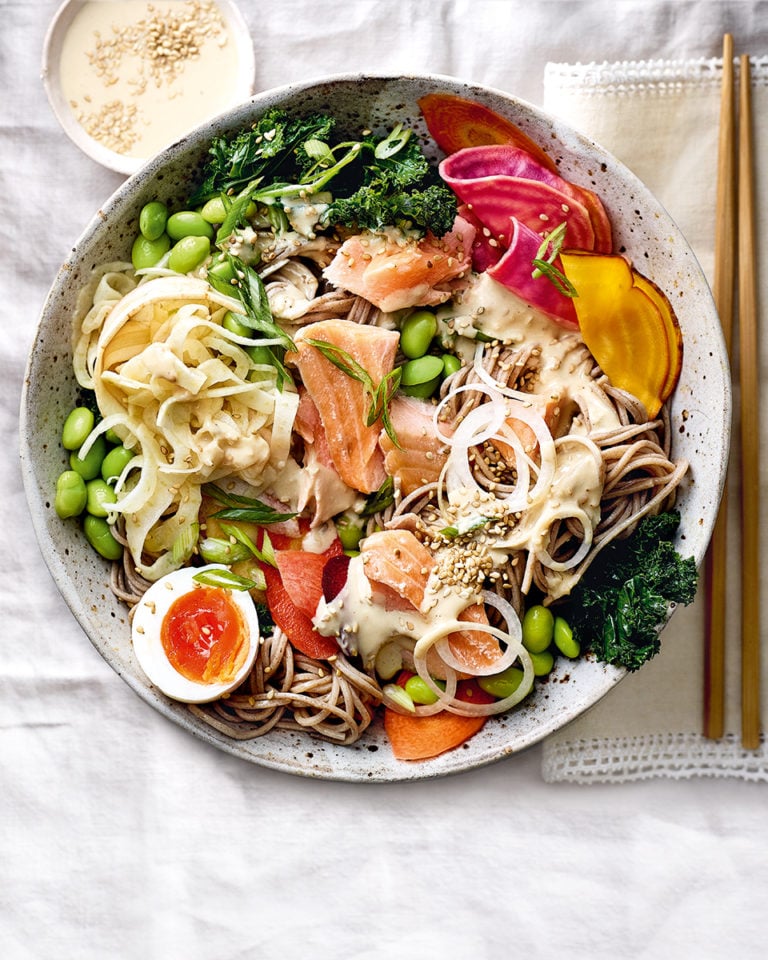
Salmon soba noodles
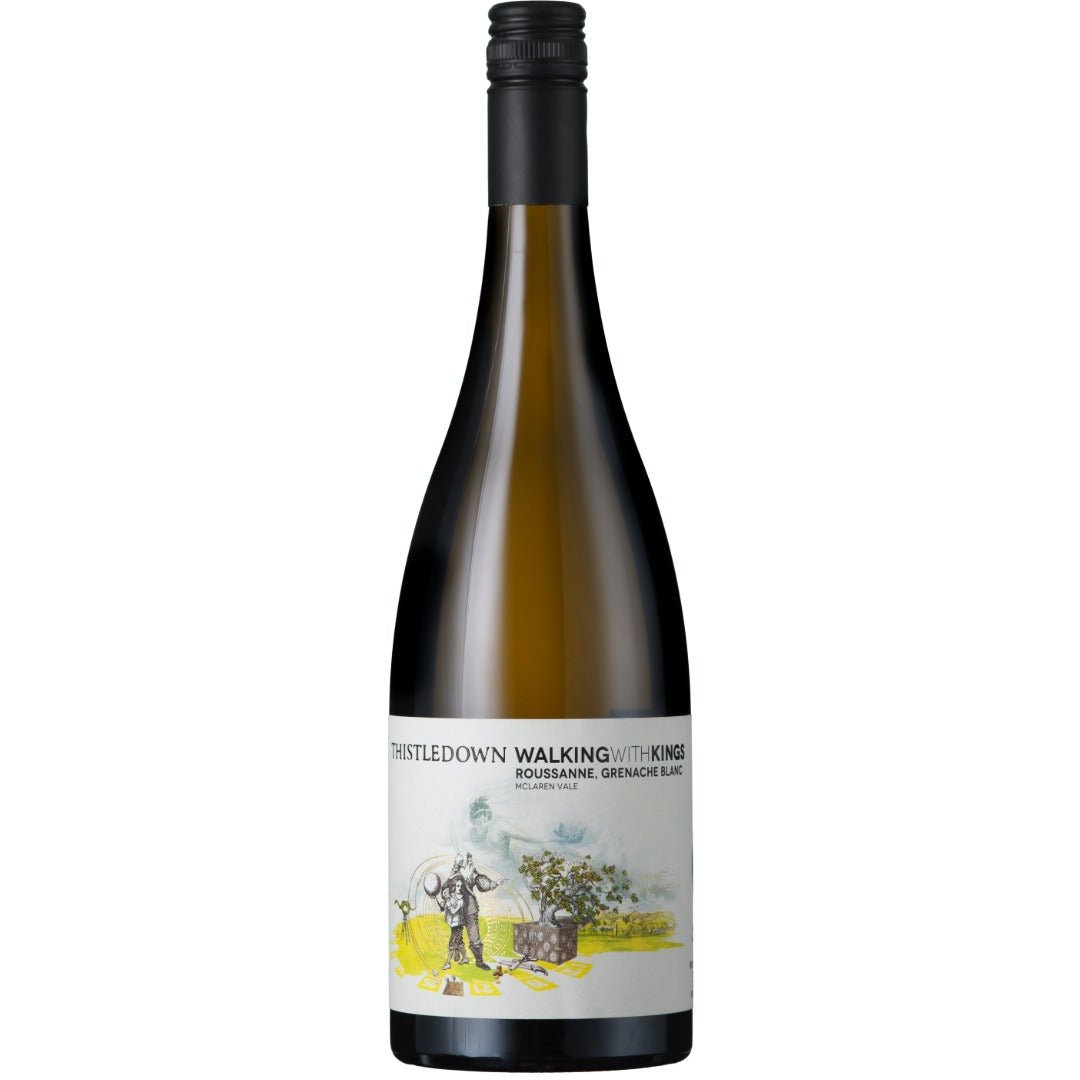
Thistledown Walking With Kings Roussanne
On the other side of the world to its Rhone home, Roussanne has found a new lease of life in some of the boutique vineyards of Australia. This is nothing new, some of the oldest Roussanne vines in the world are found down under. Similarly to the Rhone, Roussanne is planted in sites benefitting from heat which is needed to ripen its thicker, russet coloured grapes. These sites also need to have moderating effects, either from wind-chill or altitude to retain the acidity that can drop quickly, and to reign in the alcohol levels which can easily exceed 14 or 15% ABV.
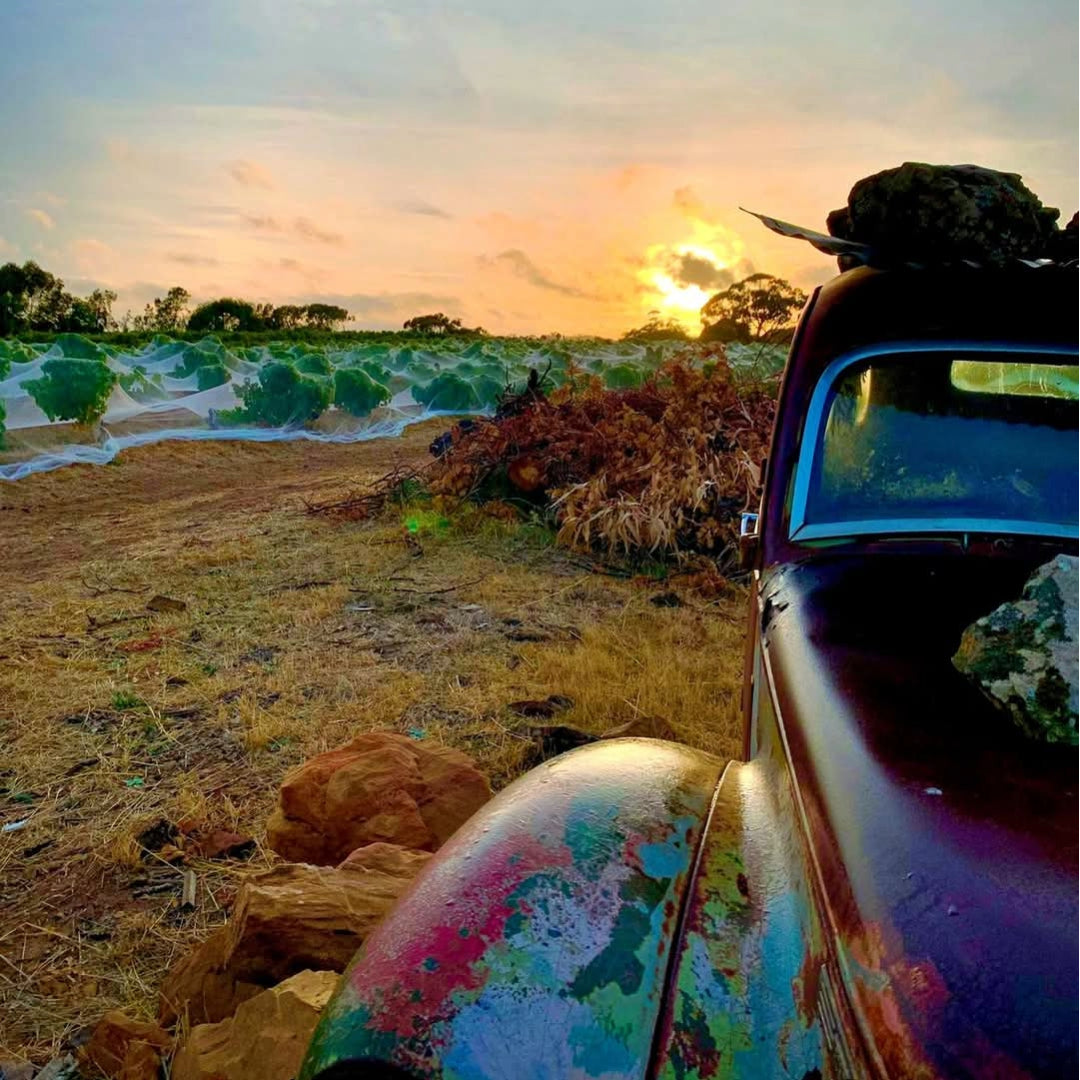
Thistledown winery is a shop favourite. We have put on several sell out tastings with the founder, Giles Cooke MW, (Master of Wine), over the years. I think it is safe to say that we have championed Giles’ wines to the point where they now sell themselves, having a loyal and in some cases, fanatical following amongst our customers.
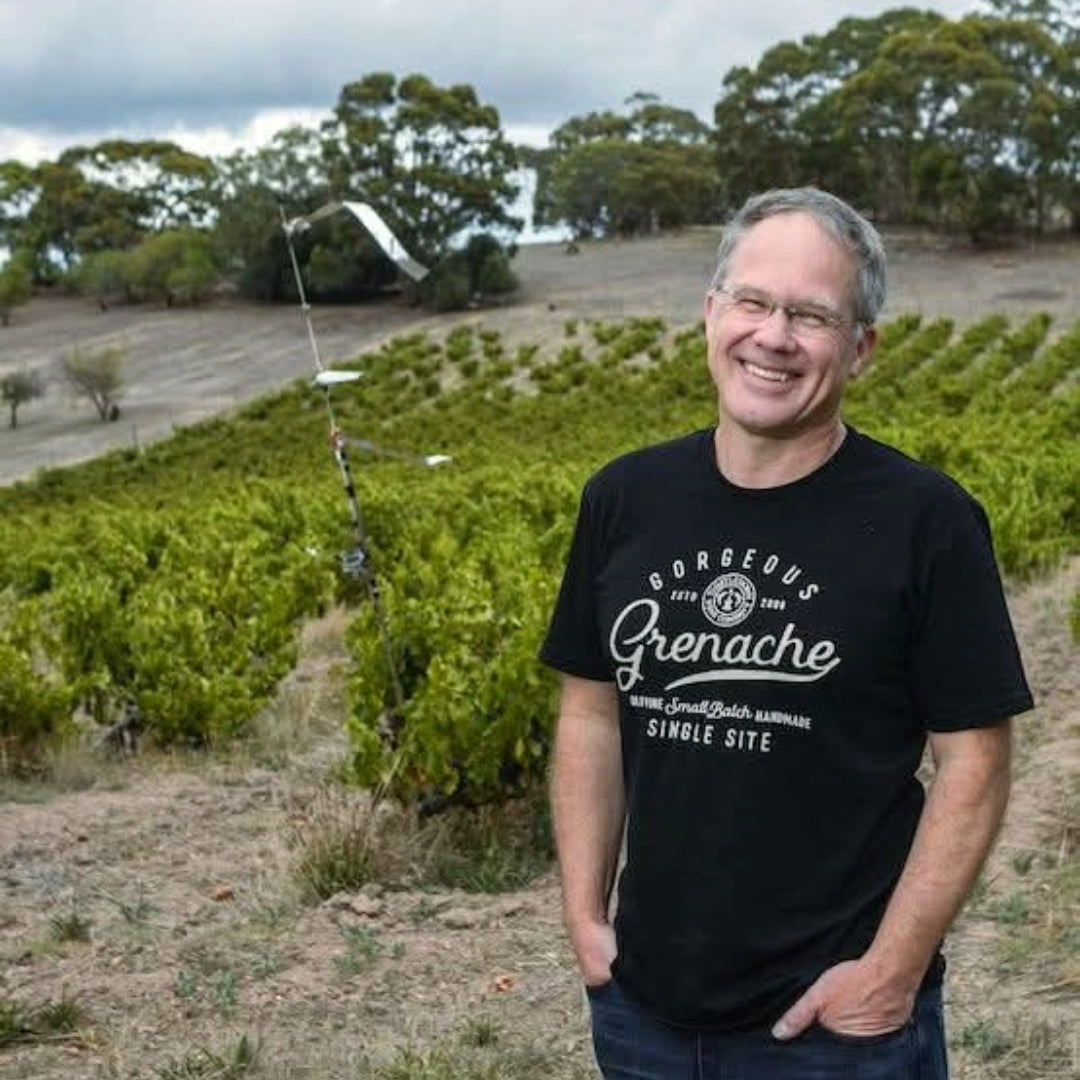
For this particular wine, Giles has used grapes picked from two different sites. The Roussanne element, making up 70% of this blend, comes from Sellicks Hill in McLaren Vale, South Australia. The Grenache Blanc, 30% of the blend, is from a biodynamic plot in the Riverland, still South Australia but much further inland on the border with Victoria.
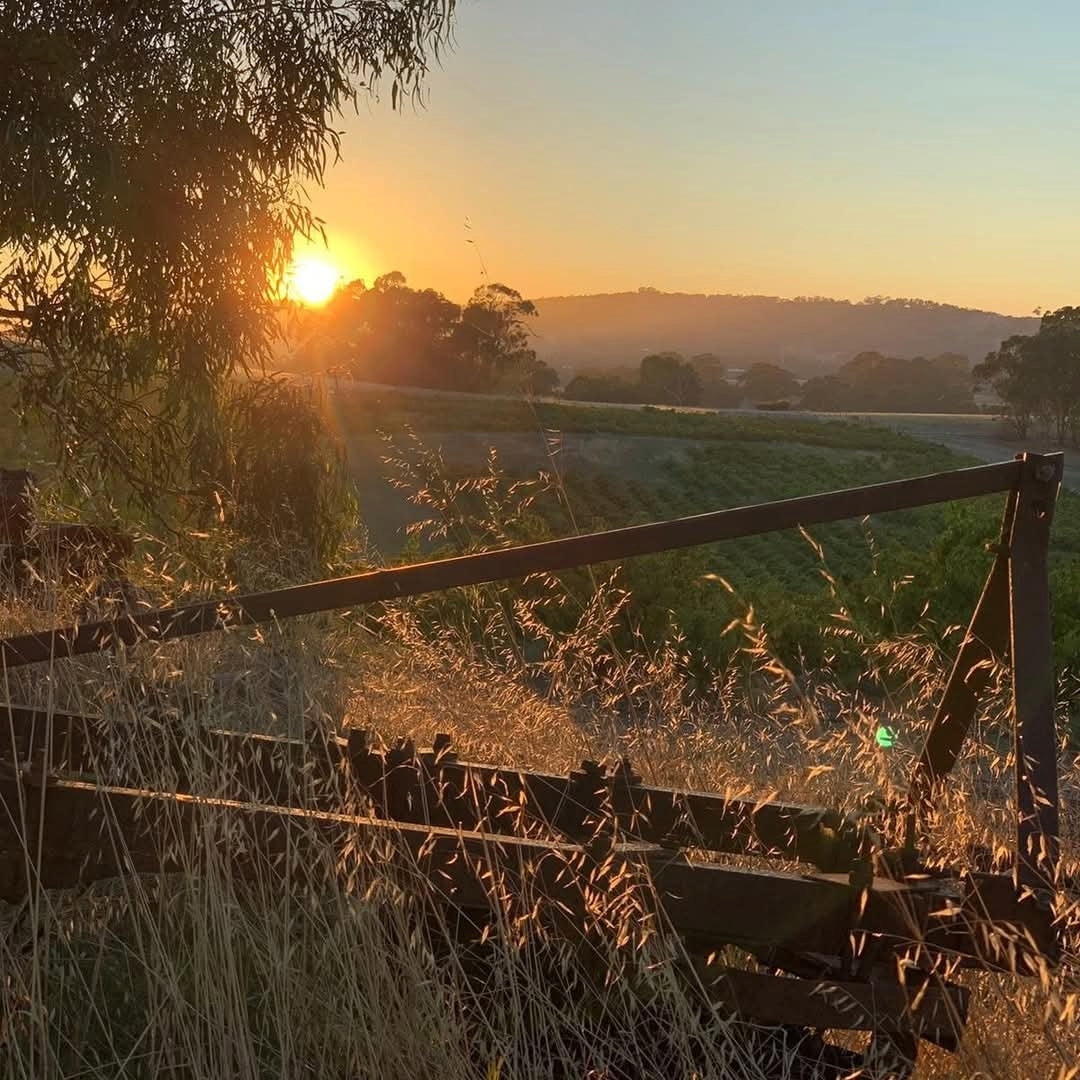
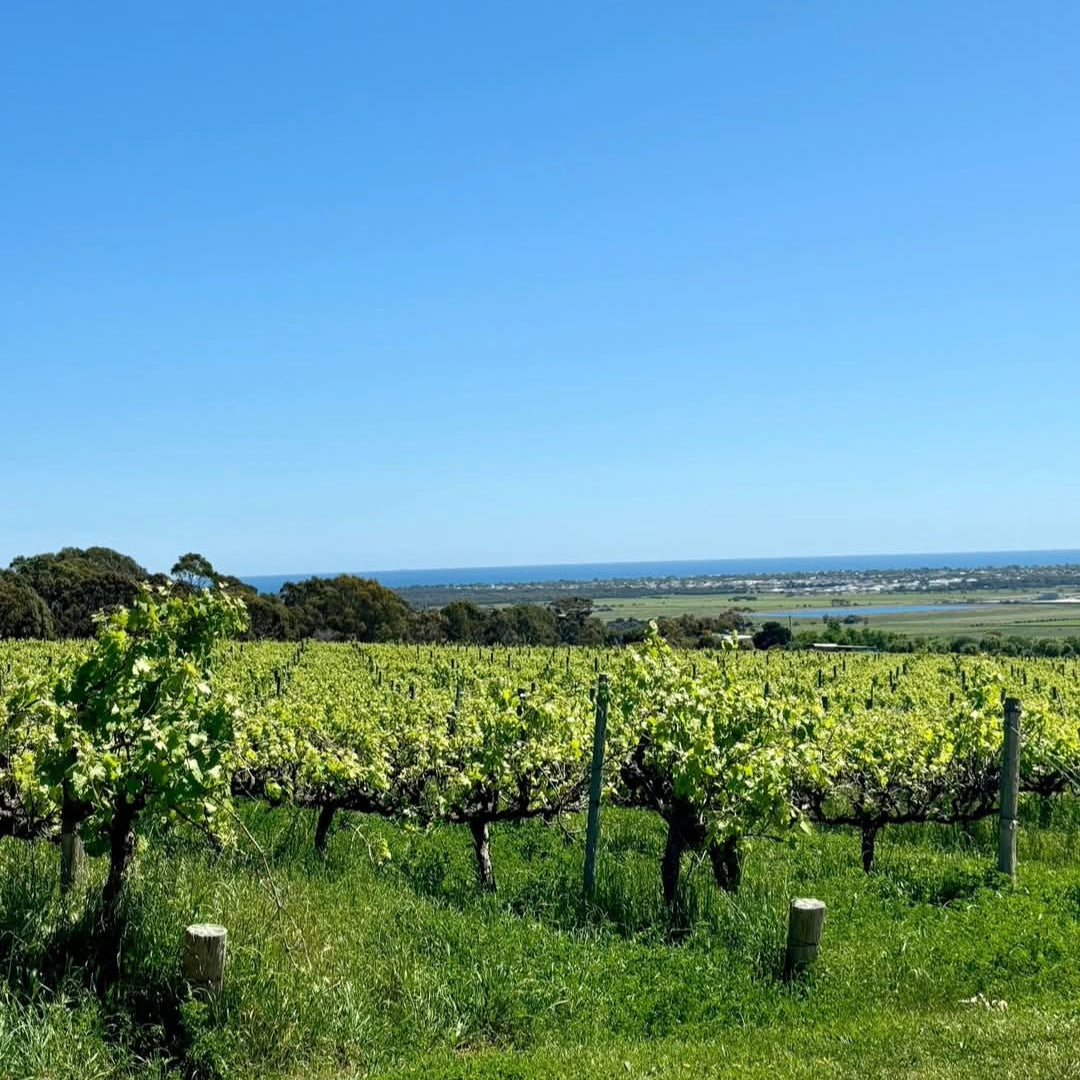
McLaren has a warm, Mediterranean climate that is moderated by breezes funnelled up the St Vincent Gulf, perfect for Roussanne. The Riverland is hot, this is where the Grenache comes from. Riverland is more renowned for bulk wine production than for quality viticulture, yet Gilles has found some fantastic old vineyards to pick his fruit from which are all sustainably farmed.
Both varieties are hand-picked and fermented separately. Roussanne is whole bunch pressed, lightly settled and wild fermented in French oak. Grenache is oxidatively handled prior to wild ferment in barrel. The two components are blended prior to bottling.
Creamy, aromatic and jam packed full of exotic notes from the Roussanne and more vibrant, green apple from Grenache. The end result is a wine so versatile, complex yet so moreish. In fact, I think I would enjoy this moreish wine with some Moorish food! Think saffron, citrus, nuts, and spices.
Here is what esteemed wine writer, Jancis Robinson, had to say about The Walking With Kings:
Jancis Robinson 17/20
70% Roussanne from Sellicks Hills, 30% biodynamic Grenache Blanc from Kangarilla. Both varieties are hand-picked and fermented separately. Roussanne is whole-bunch pressed, lightly settled and ambient-yeast fermented in French oak. Grenache is oxidatively handled prior to ambient-yeast ferment in barrel. The two components blended prior to bottling. Golden colour (rare for Australia!). Lively and racy but with good fruit density and a herbal top note too. Well done! Really interesting blend. 17 Points, JR, April 2025.
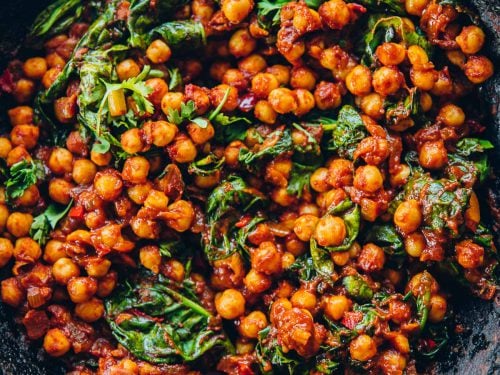
Moroccan spiced chickpeas