Write up by Chris Nolan
The French have always been highly regarded for their food and drink culture and should be rightfully proud of the impact they have had on the world. For a long time, French chefs and their cooking was considered to be the height of sophistication. French grape varieties have been exported around the world with countries in the New World trying desperately to emulate the styles of Bordeaux and Burgundy. French spirits such as Cognac and certain overpriced, waterfowl related vodkas are seen as synonymous with luxury, yet there is so much more that the spirits of France have to offer. Seriously though, do not waste your money on that vodka!

Through this blog, we will put the spotlight on some lower ABV liqueurs and aperitifs from France, along with a tasty gin. In the sister blog of this one, we will put the spotlight on the full strength spirit styles from France and its overseas territories, where we will delve into brandies, pastis, rhum and absinthe.
Aperitif
The French love wine and food. Their belief is that one elevates the other, something that we wholeheartedly agree with. The concept of aperitif is the same as aperitivo in Italy. Aperitif is an alcoholic drink served before a meal to stimulate the appetite. The word comes from the Latin verb aperire, which means "to open".
Beyond a simple drink, an aperitif represents a social pause, a transition from the workday to the evening. Known simply as apéro, it typically involves gathering with friends or family for a light pre-dinner drink and casual finger food.
France has a wide array of aperitifs in both drier and sweeter styles, from Vermouth to lighter liqueurs and of course, gin. Pastis can of course fit into this category, but the appetite for Pastis does not seem to be limited to the time set aside for apéro alone.
Vermouth
Vermouth is having a glorious revival around the world, after decades of neglect. You may remember stealing a swig of Vermouth from your nans liquor cabinet and finding it utterly repellent. This is because the bottle had probably been sat open for years and occasionally brought out on a special occasion and drowned in lemonade. The vermouth was probably so oxidised that it needed the lemonade to mask how bad it had become!
Vermouth’s revival has brought not only renewed interest, but also renewed understanding to the category. People now realise that Vermouth should be kept in the fridge and consumed within a few months of opening.

Historically there was a huge difference between the Italian and French style vermouths. Though both are traditionally made using white wine bases, French vermouths tended to be drier, paler, and more subtle than the typically more complex and powerful Italian versions. These Italian Vermouths were described as “Rosso” and were, and still are, flavoured and coloured with caramel. Early cocktail books would call for French style or Italian style depending on the drink instead of using words such as dry or sweet. In modern times, this distinction has become a little muddied, with Vermouth houses now making a whole range of styles, from bone dry, to rose, to sweet.
Dolin
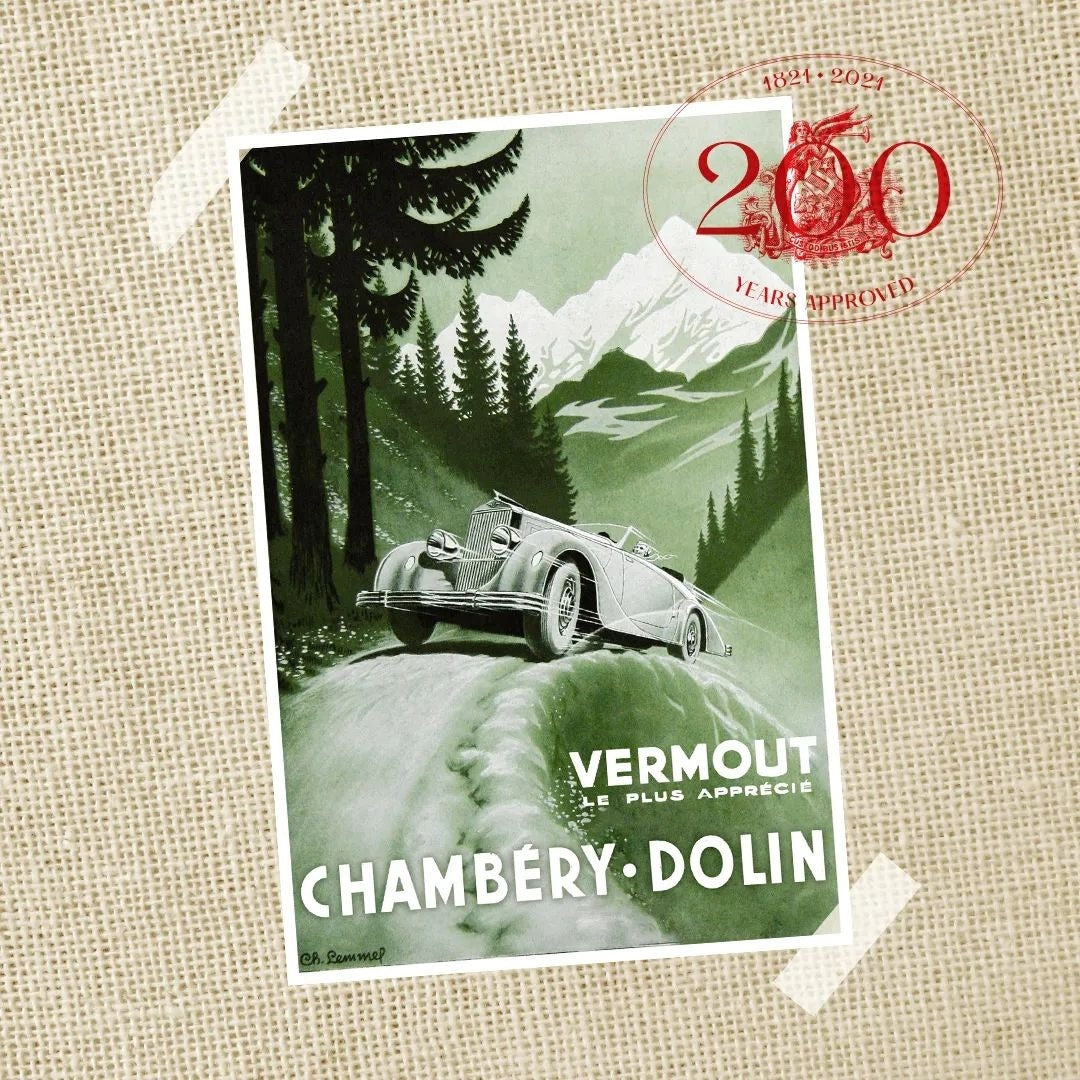
Dolin Vermouth de Chambéry has been a staple of bars since is its inception in 1820. Chambéry itself is the largest in city in the alpine Savoie department of Eastern France. The city was once a part of the Duchy of Savoy which stretched across the alps to Turin which is now of course, a part of Italy. Turin is where vermouth is said to originate.
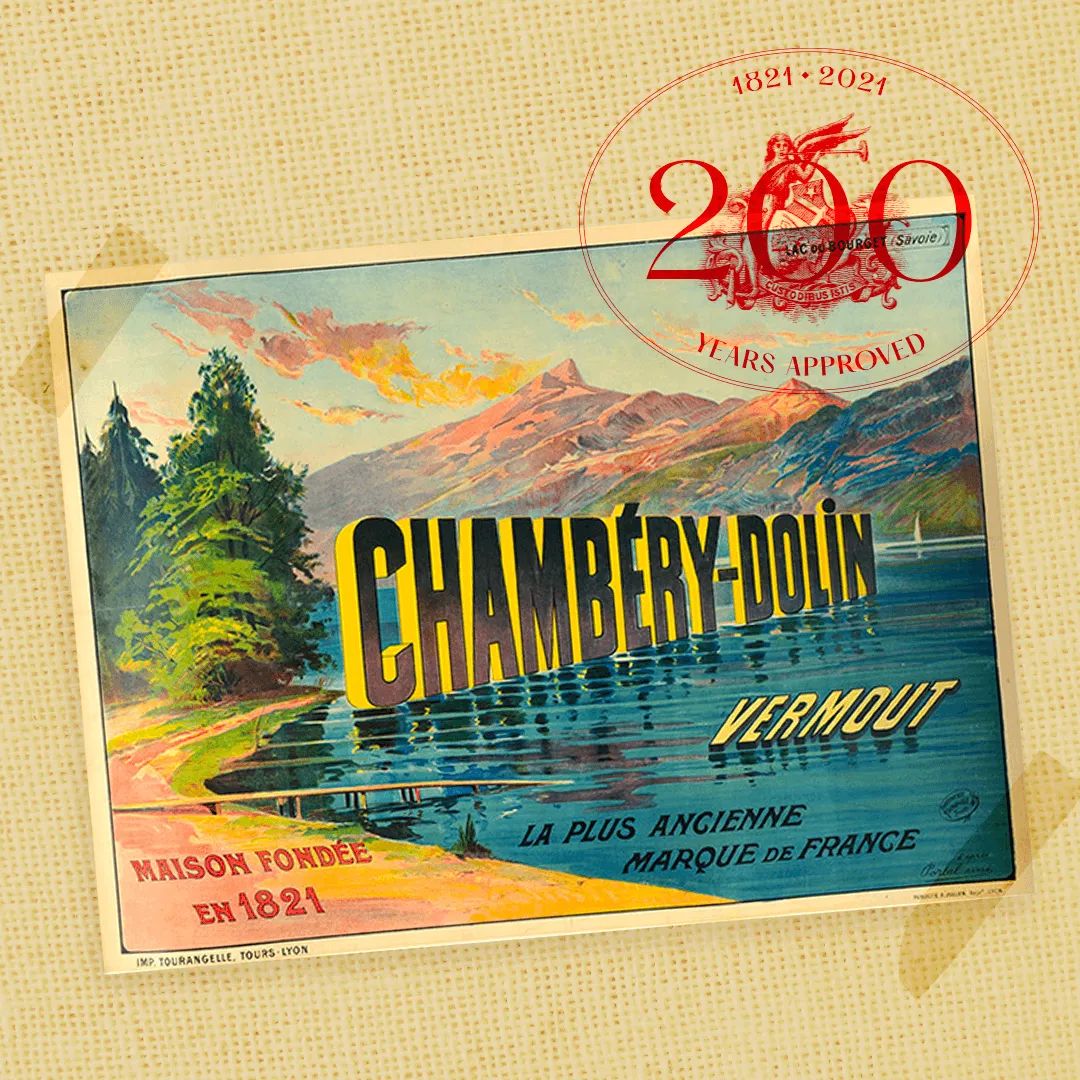
The base wine Dolin use is produced from a grape called Ugni Blanc, one of the main grapes used in Cognac. Ugni Blanc provides an almost neutral flavour but with a refreshing acidity. This neutral wine is then blended with a spirit that has been macerated with up to 54 botanicals including wormwood as a bittering agent, along with herbs, fruits, and spices. Flowers such as like chamomile and rose petals are also used.
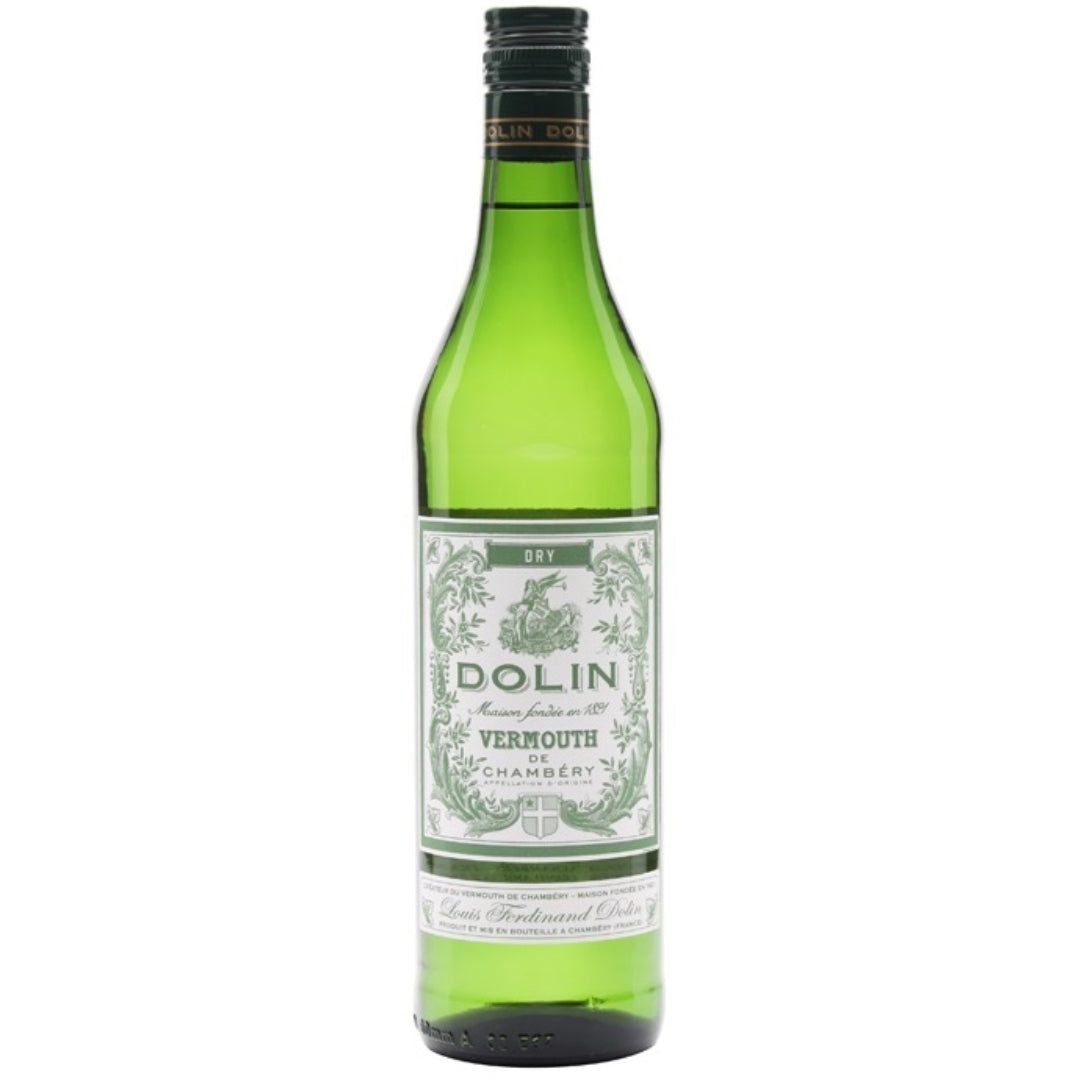
The dry vermouth is the product that Dolin are famous for, with a blend of 15 botanicals in this edition. Though labelled as dry, it still has a very slight sweetness to it, with a subtle golden tint. A generous and rich nose with hints of citrus bark underscored by the freshness of menthol and balsamic notes in the background. Almond and stone fruit fragrances dominate the slightly bitter citrus base and bring balance to this lively and fine dry Vermouth.
I find Dolin dry to be ever so slightly oily on the palate, a sensation which I find works fantastically as a constituent to a Martini, which lets face it, is the ultimate pre-dinner aperitif cocktail. Personally, I would go for 60ml London Dry Gin, something juniper and citrus heavy, 15-20ml Dolin Dry, stirred down and served with a lemon zest. I also find Dolin dry delicious when served simply, in a well iced wine glass with a lemon slice and a sprig of tarragon.
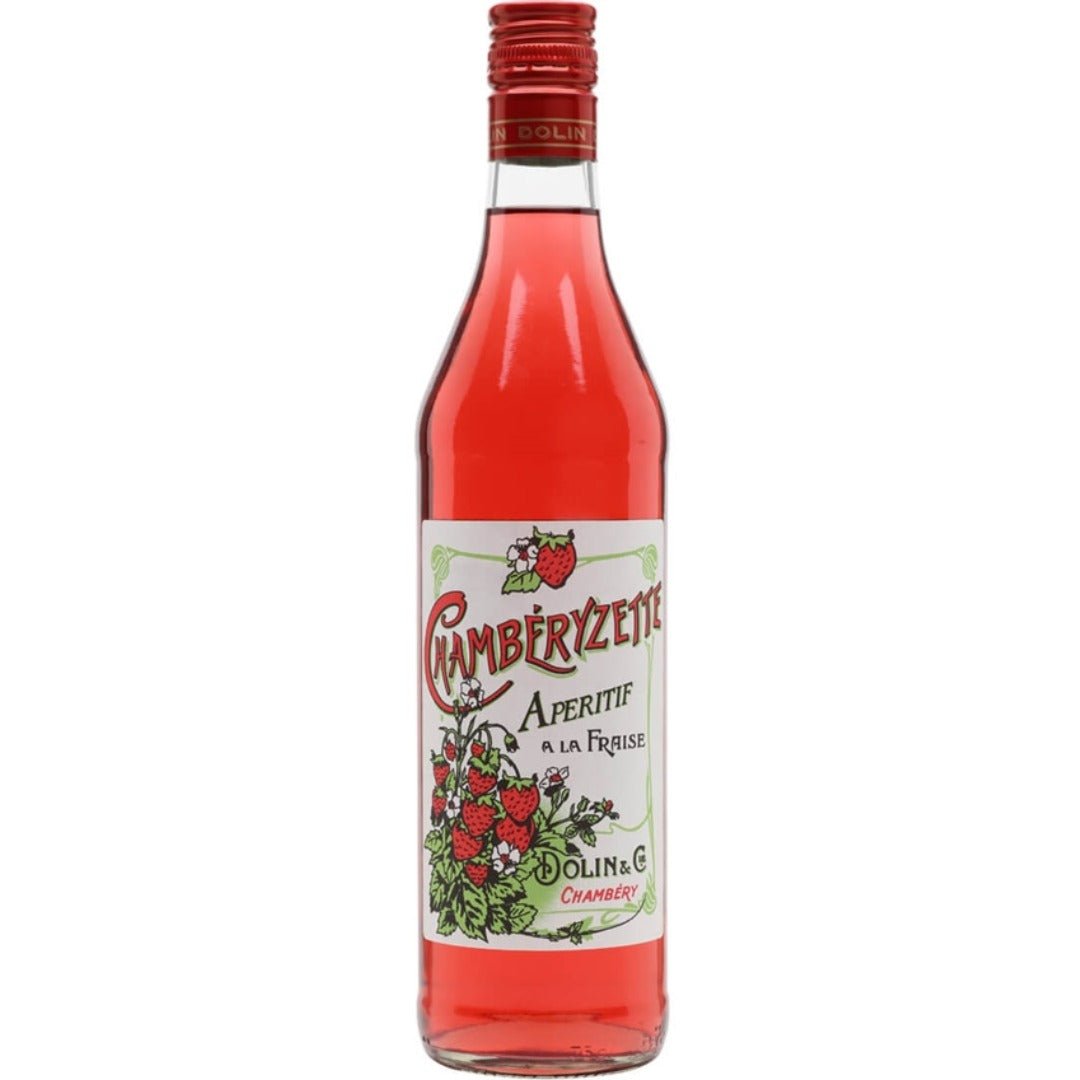
Another fantastic aperitif from Dolin is the delicious and underused Chamberyzette. This is a surprisingly old blend of Dolin vermouth with alpine strawberries, first released way back in 1902. Chamberyzette is the perfect aperitif for anyone looking for a flavourful and indulgent drink to enjoy in the shade of a parasol. It is exceptionally versatile and adds a vivid, balanced strawberry profile to drinks like a spritz, vodka soda, Martini, or a wild strawberry Negroni. Because of the vermouth base, this is far more complex than any simple strawberry liqueur.
Citadelle Gin
Citadelle is a gin brand produced by Cognac producer, Maison Ferrand, who's brandies we visited in the sister blog of this one, The Spotlight on the full strength spirit styles of France.
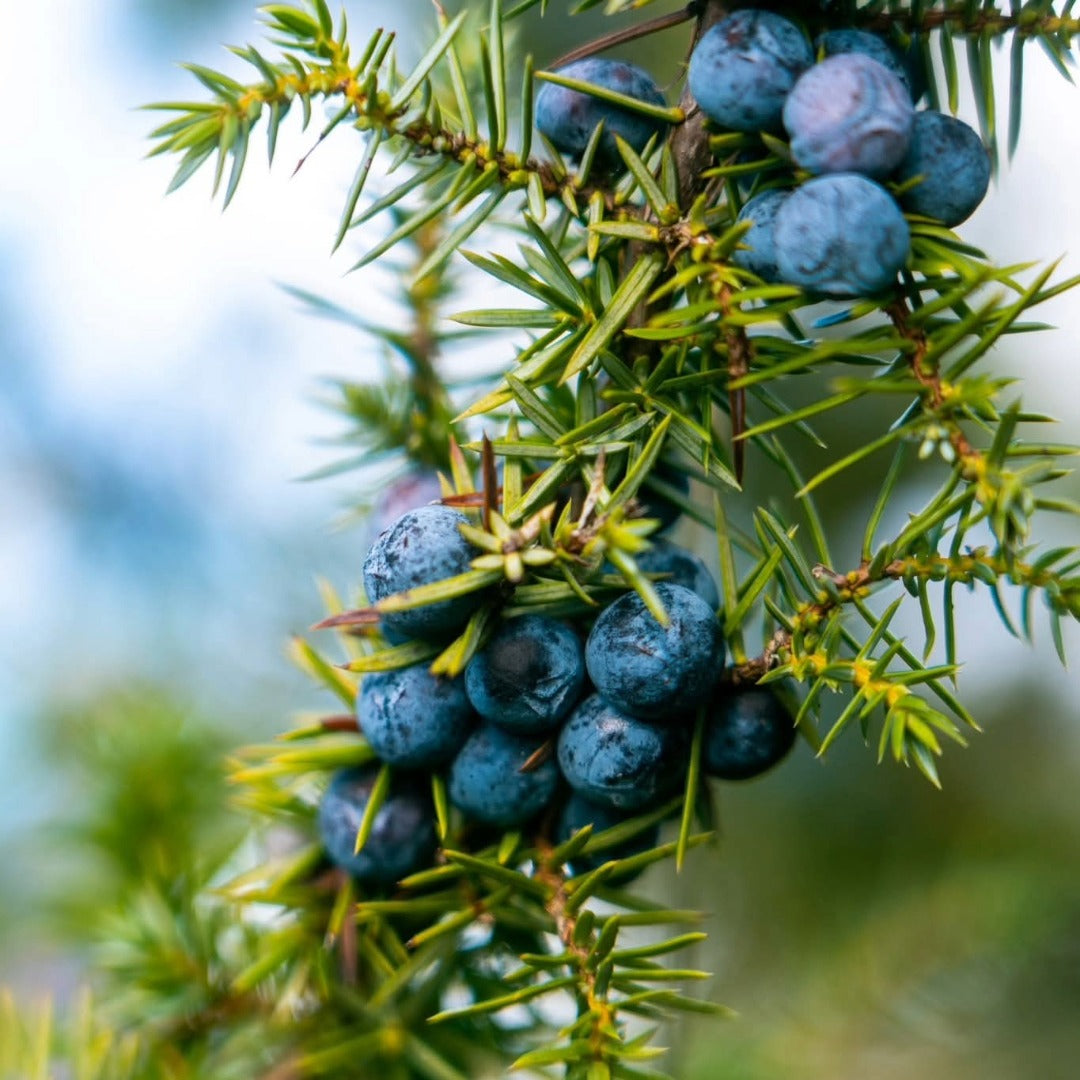
In the fields across from the distillery, Ferrand have juniper bushes growing, it was these bushes that inspired Alexandre Gabriel to start producing gin in 1996. Ferrand's full juniper harvest adds up to a only a proportion of the juniper berries needed to fulfil Citadelle's needs. Full access to their own juniper however is a rarity in the gin world, I can only think of one UK gin that uses its own juniper berries but, just as with Citadelle, they also do not manage to grow enough to be fully self-reliant.
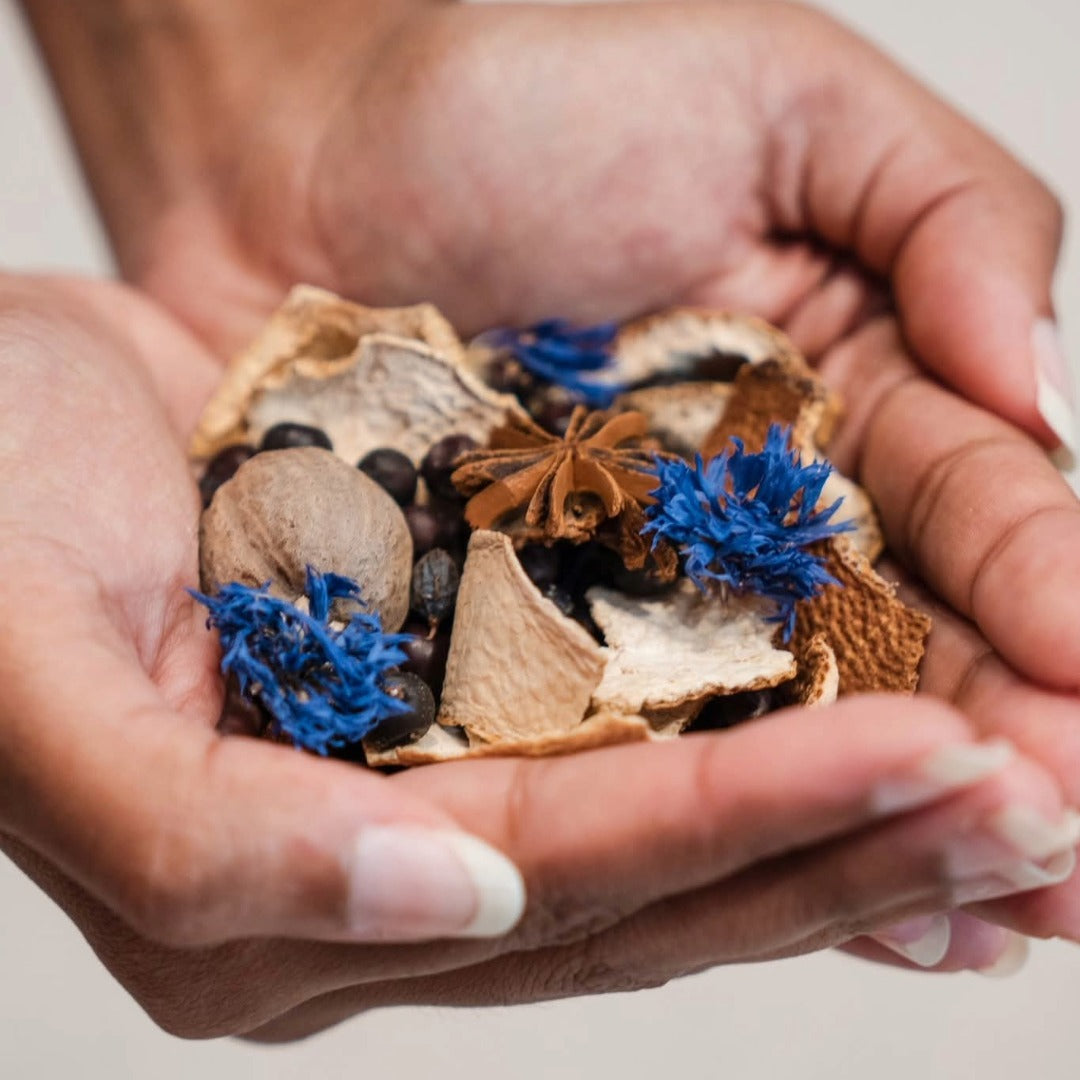
Prior to distillation, the full list of 19 botanicals in the standard Citadelle recipe are macerated in neutral, wheat alcohol. This maceration is performed separately at different ABVs and for differing lengths of time depending on the delicacy of the botanicals. The full line up of botanicals that go into the standard Citadelle recipe are:
Juniper berries, almond, orris root, fennel seed, aniseed, grains of paradise, orange peel, cardamom, violet root, lemon peel, coriander seeds, cubeb berries, cassia bark, liquorice root, savory, nutmeg, angelica root, cumin & cinnamon.
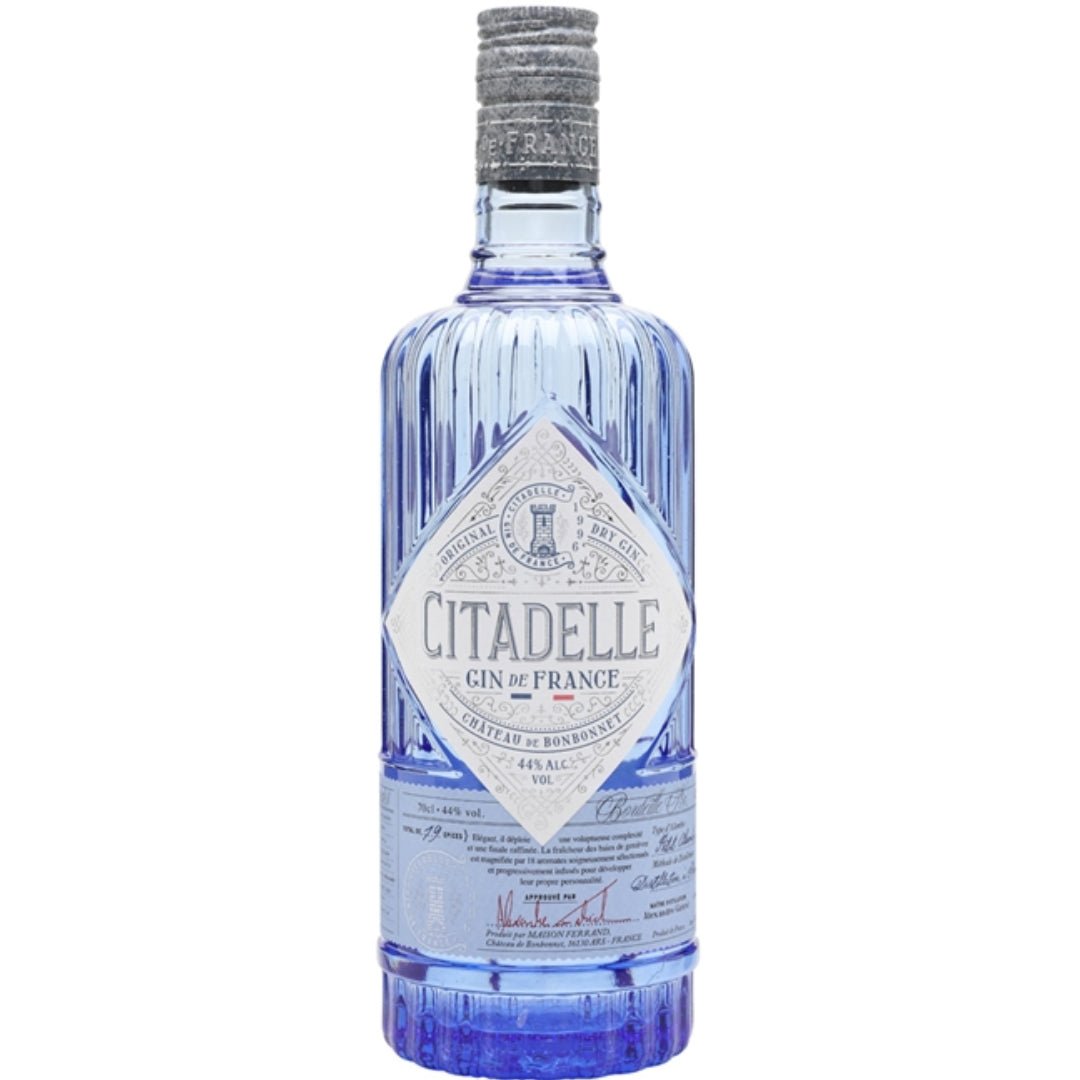
Citadelle gin is distilled on classic, direct fired Charentes style alembic pot stills. The result is a brightly aromatic gin which exudes delicate aromas of fresh flowers highlighted by more assertive citric scents. The nose becomes more intense with herbaceous notes of juniper and anise, then, the spicy cinnamon comes forward bringing a very gourmand dimension to the gin. On the palate, the juniper cedes to a long, voluptuous, spiciness. I find the standard release to be highly versatile, serving as a G&T, try with classic Indian tonic water, simply garnished with a lemon zest in summer, or in the colder months, try with a cinnamon stick and an orange twist.
Citadelle do of course produce a wide range of different variations which are well worth taking a look at. Jardin D'Ete, the Summer Garden Gin, blends in whole lemons, fresh yuzu zest, melon flesh & orange peel. The “Rouge” involves steeping fruits such as fresh cranberry, raspberry, blackberry, blackcurrant, and rhubarb in spirits before distillation leading to a “pink gin” flavour profile but fully dry and also…not at all pink. Vive Le Cornichon is predictably distilled with cornichons, making this the ultimate gin for a Dirty Martini or a Gibson cocktail.
Aelred Melonade Aperitif
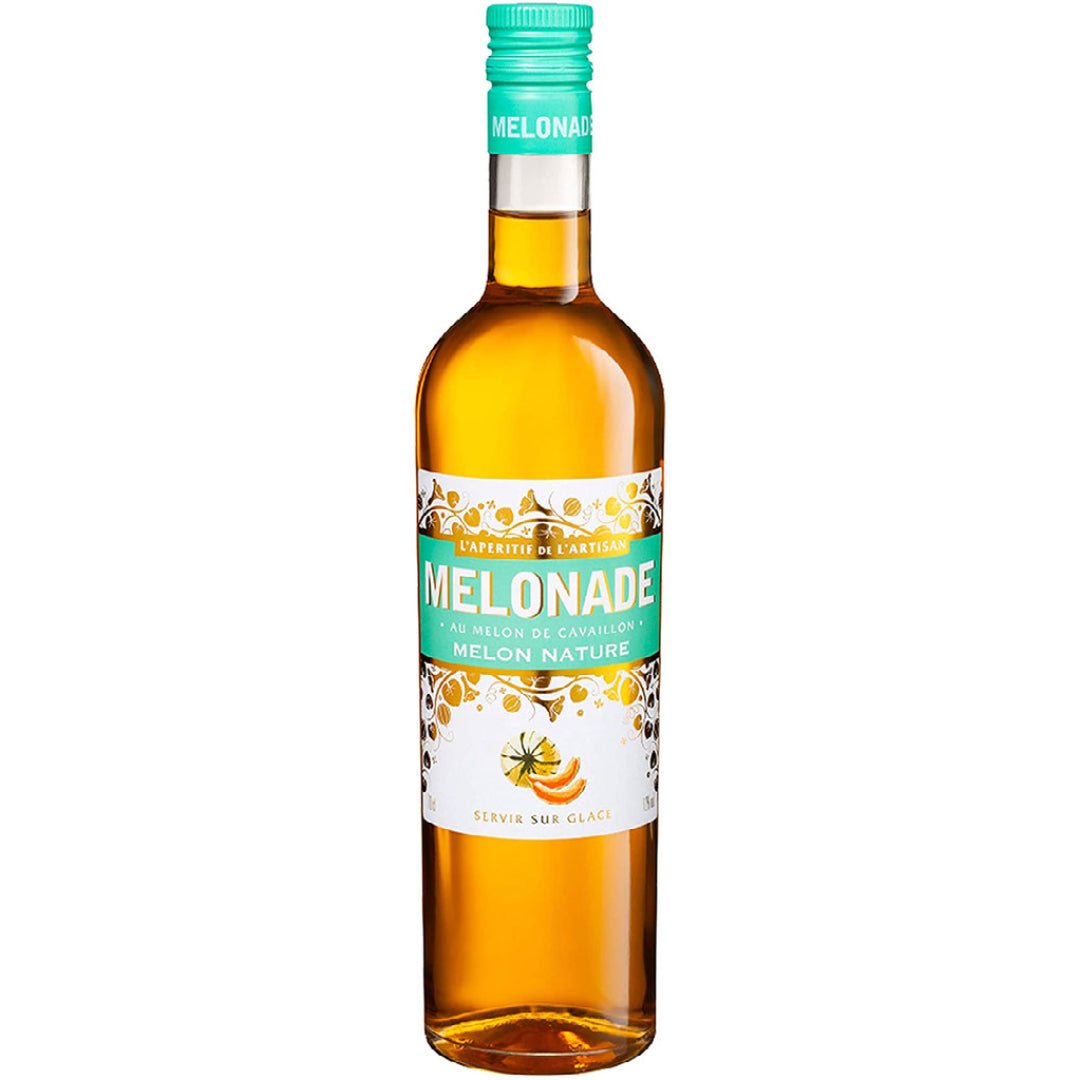
Ok, ok, I know this looks and sounds questionable, but trust me, it’s really good! Melonade is a delicious aperitif produced in Cavaillon, the melon capital of France. The production for Melonade is refreshingly simple, orange Charentais melons have been combined with a neutral spirit, sugar cane and a little lemon juice for zing.
Flavour wise, this is juicy and sweet, with notes of cantaloupe, orange, red grape and peach all the way through. You can happily use this instead of Aperol for a spritz, keep it French and use Crémant instead of prosecco though. Oo la la!
Something a little sweet
We all need a sweet treat every now and again. The French very much seem to enjoy sweetness, but all in moderation! Sweet wines such as Sauternes, Monbazillac and Banyuls are a perfect accompaniment to dessert or are great just at the end of meal served as a dessert in their own right, but the are not the only boozy, sweet treats on the French menu.
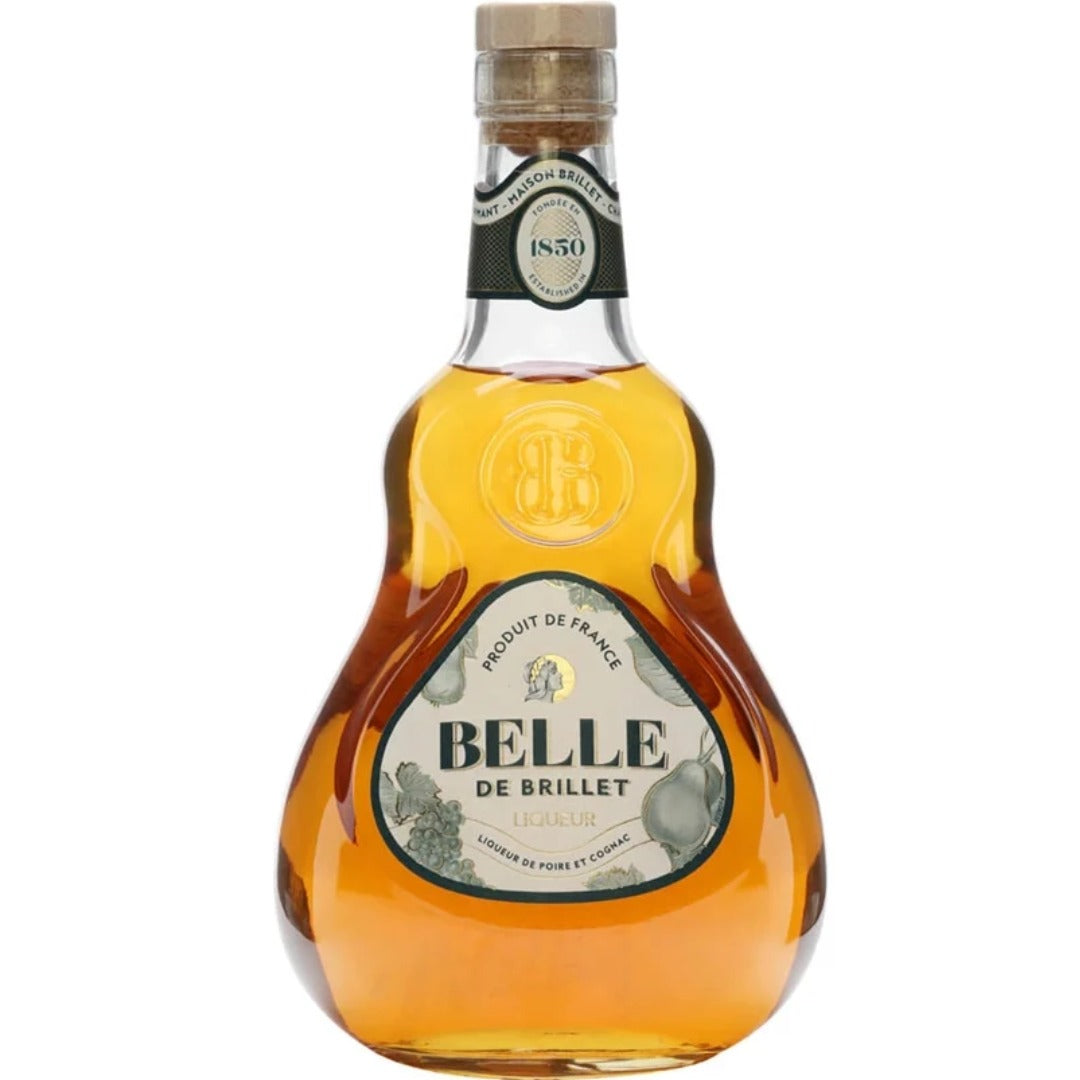
Belle De Brillet Cognac & Poire Williams Liqueur
Personally, I do not have much of a sweet tooth, but do I love this sweet treat! Williams Pears are a variety of sweet and delicious dessert pear, one of the crème de la crèmes of the pear world!

Belle de Brillet is owned by Remy Cointreau. Maison Brillet blend the pear eau-de-vie with Cognac from a single vineyard in the Fin Bois sub region. The flowers and stone fruit notes of the Cognac add complexity and structure to the fresh character of ripe, William pears. The equivalent of 18 pears go into each bottle! A little sugar and Madagascan vanilla complete the picture, contributing softness and body to this moreish liqueur. No additives, (caramel or added flavours), or cheap neutral alcohols are used.
This is great to accompany what else, but a poached pear dessert! Failing that, get it with a cheese board, the sweetness and bright orchard fruits pair brilliantly with mature cheeses.
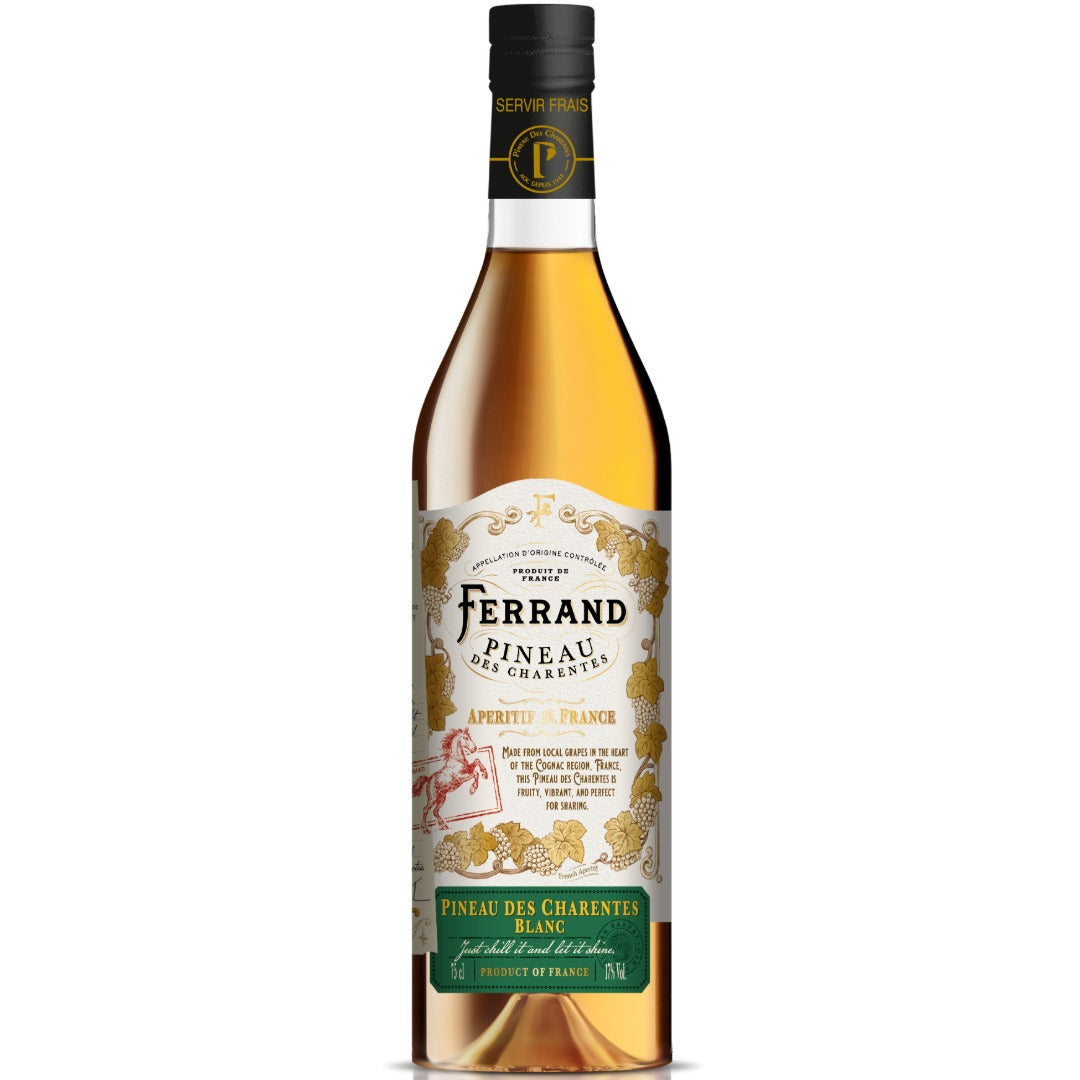
Ferrand Pineau Des Charentes Blanc
Here we are, back with Maison Ferrand who we looked at twice in the Spotlight on the Full-Strength Spirits of France blog for their Cognac and also earlier in this one with Citadelle Gin. This time, we look at the lower ABV Pineau des Charentes. The most famous export In the Charentes region is undoubtedly Cognac, but it is for precisely that, export. 95-97% of Cognac produced leaves the shores of France, destined for foreign markets. Pineau des Charentes is one of the most consumed beverages in the locale, with every producer making a version, often only for sale directly from the cellar door.

What is Pineau though? Pineau des Charentes is a blend of aged Cognac or unaged grape spirit with either unfermented or semi-fermented grape juice, still loaded with natural grape sugars. This example from Ferrand is full aged Cognac blended with unfermented grape juice that was then aged for 18 months, with 12 of those spent in oak casks.
Because of the addition of Cognac and the extra aging, the flavour is more complex than that of pure grape juice. Tinned peaches and toasted almonds dominate the palate, but there's plenty of melting butter and prunes there too. This is simply stunning with a cheese board, so do yourself a favour and instead of a dessert wine, pick up a bottle of this for your next gathering which requires one. The added benefit of this over a dessert wine is in its stability, you do not need to polish off a bottle, instead it will last for months once open. Pineau is also lovely as a spritz with tonic or soda as an aperitif.