Write up by Chris Nolan
The French have always been highly regarded for their food and drink culture and should be rightfully proud of the impact they have had on the world. For a long time, French chefs and their cooking was considered to be the height of sophistication. French grape varieties have been exported around the world with countries in the New World trying desperately to emulate the styles of Bordeaux and Burgundy. French spirits such as Cognac and certain overpriced, waterfowl related vodkas are seen as synonymous with luxury, yet there are so many other wonderful spirits that France has to offer. Seriously though, do not waste your money on that vodka!

Through this blog, we will put the spotlight on some famous full strength spirit styles from France and its overseas territories, we will delve into brandies, pastis, rhum and absinthe. In the sister blog of this one, we will put the spotlight on the lower ABV liqueurs and aperitifs of France along with a delicious French gin.
French Brandy
Cognac
Cognac is easily France’s most famous distilled product. There are up to 500 brands of Cognac, but the vast majority, you are unlikely to ever see. The category is dominated by just four big brands, Hennessey, Martell, Remy Martin and Courvoisier. These four houses account for over 90% of all cognac sold and drank in the world. 50% of all Cognac sales is down to just Hennessey alone which is astonishing in a market valued at over £11 billion! These big four do not of course grow all their own grapes and do not in fact distil all their own spirit, instead having contracts with growers and distillers to buy in both grapes and spirit. The demands placed on these growers can be intense to ensure that the giants are provided with the volumes they need, no matter what the growing seasons may throw at them. To keep volumes high, corners will inevitably be cut, and some less than excellent liquid may end up in the final product, but ultimately, in these volumes, dud batches can simply be blended to the point they are undetectable. Some of the brandies these big four release can of course be fantastic, still, I personally would rather focus on that small 10% of remaining Cognac.
The Cognac region itself is situated in the Charentes, just to the North of the famous Bordeaux wine region. Cognac was never blessed with the terroir that made Bordeaux’s wines famous, instead the maritime influence is strong, with chalky, acidic soils. The grapes grown are high in acid, with low sugar levels meaning low potential alcohol levels. As a wine, these are thin, acidic and nigh undrinkable but…in the 17th Century the Dutch turned up with pot stills and found this wine to be perfect for distilling into brandy!
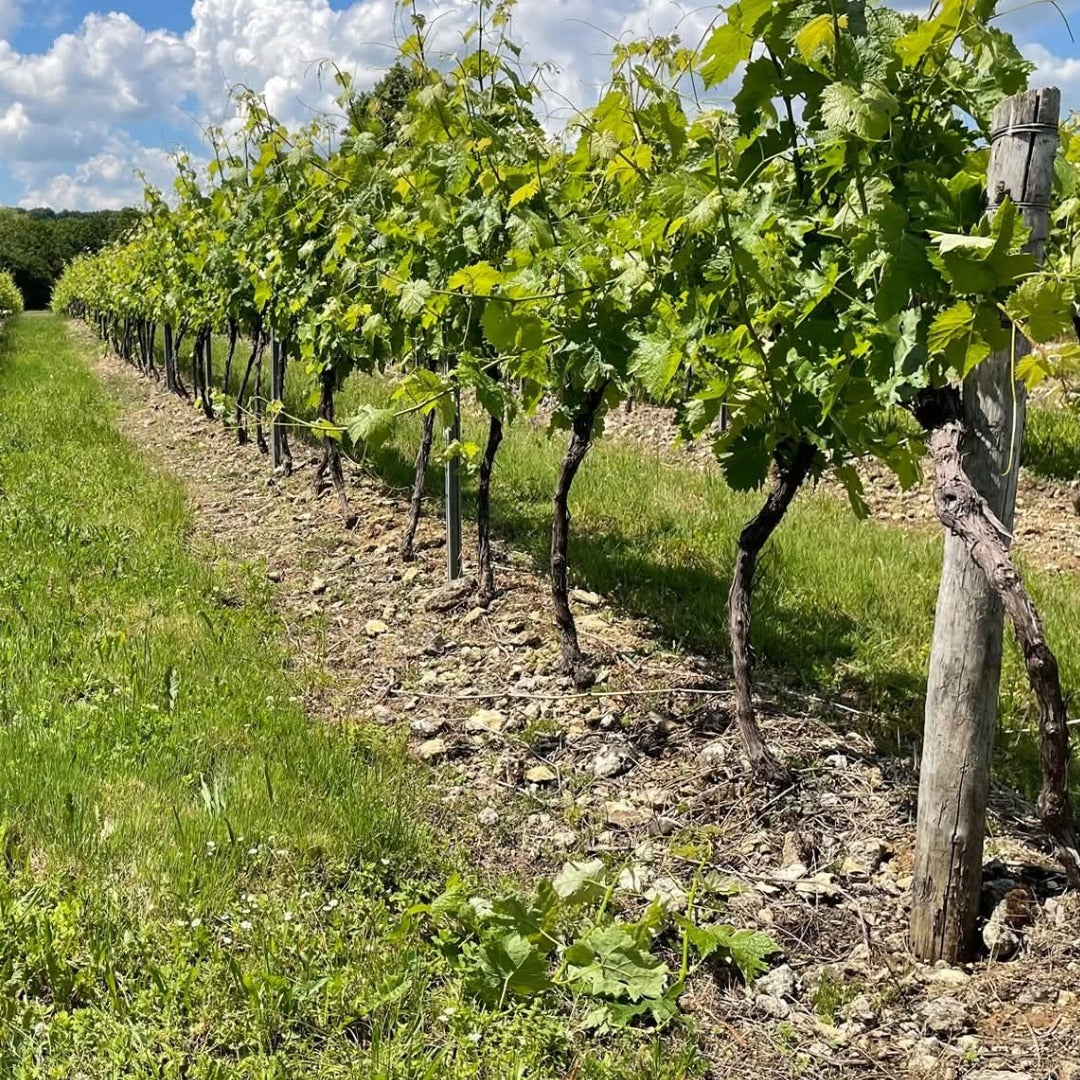
The vineyards of Camus in the Borderies sub-region
Cognac is a heavily protected brandy style, with many rules and regulations surrounding its production which I won’t fully go into here, the French do love their bureaucracy! Much of it boils down to sub regions within Cognac, permitted grape varieties, still types, distillation seasons, minimum and maximum ABV’s, maturation times, wood types permitted for casks and also labelling regulations and permitted additives such as sugars for sweetening and spirit caramel for colouring.
The rules are in place to protect Cognac’s identity as a regional style, but even within the strict laws and regulations, a lot of flavour variation is possible, the following are two vastly different cognacs produced within that 10% of smaller houses.
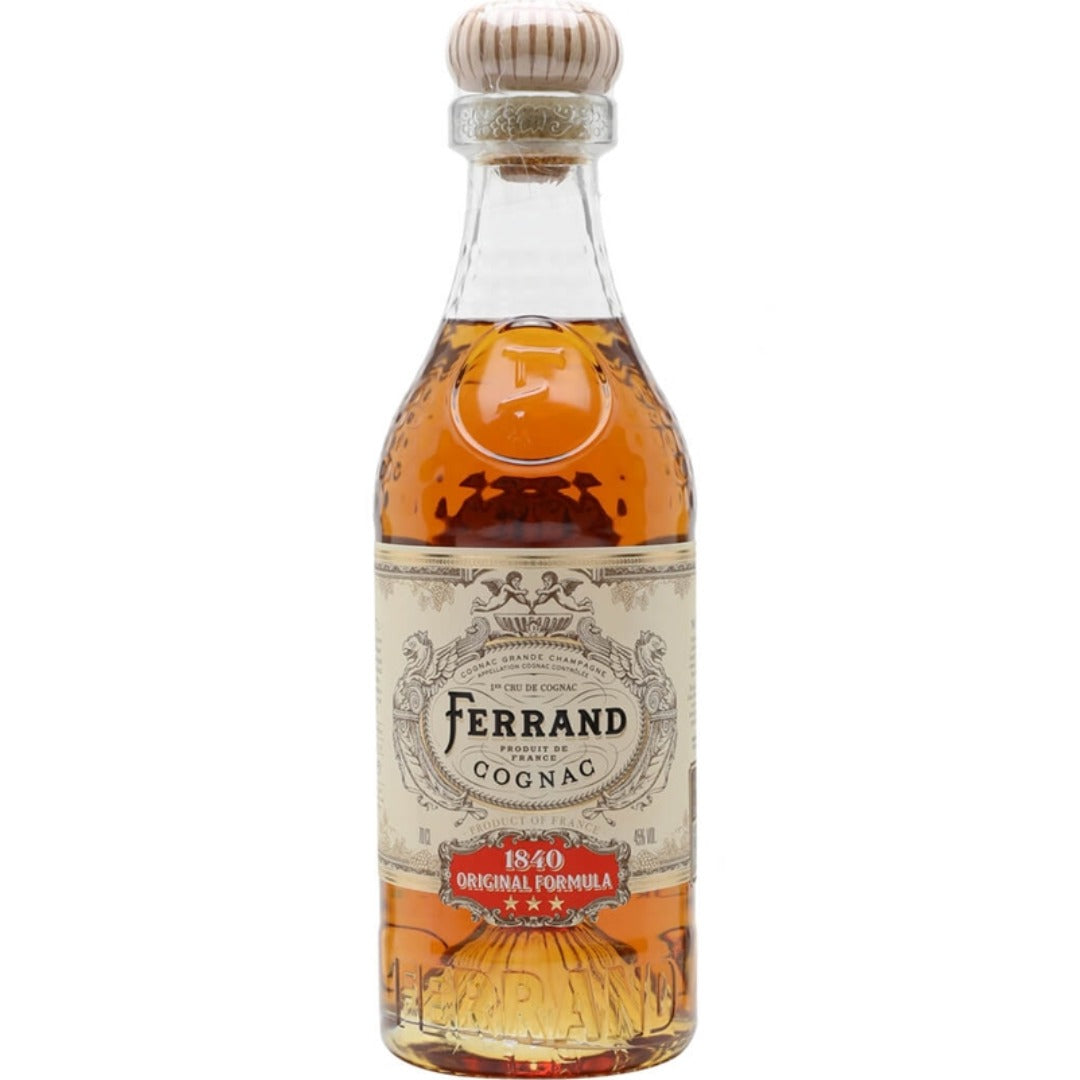
Ferrand 1840 Original Formula 1er Cru Cognac
Maison Ferrand is one of the larger independent Cognac houses within the tiny 10% of the market that the big four will allow. They are however, growers and distillers instead of simply a brand. Ferrand is the result of the encounter in 1989, between Alexandre Gabriel and one of the oldest winegrowing families in the Cognac region. The aim was to, “breathe new life into Maison Ferrand and to transform it into the world’s best Cognac.”

The distillery and vineyards are situated in the sub-region of Grande Champagne, this is the premier cru vineyard of Cognac, not to be confused with the famous sparkling wine appellation over 600km away. This is an area of rolling hills on the famous chalk-based soils.
Ferrand 1840 Original Formula is a collaboration between Alexandre Gabriel and cocktail historian, David Wondrich, and, “represents an attempt to recreate the kind of Cognac pioneers of the bar such as Jerry Thomas, Harry Johnson and Leo Engel would have used in their Juleps Cocktails, Crustas and Punchers. Modelled on an impossibly rare 1840 bottle of Pinet Castillon Cognac, 1840 Ferrand employs nineteenth century blending techniques to create a Cognac that is rich, concentrated and highly mixable, in the 1840 style.” Personally, I just think it is a fantastic sipper.

The nose starts with ripe, juicy grapes which are complemented by hints of meadow flowers and notes of acacia tree blossom, alongside a bracing hint of cedar. Warm & fruity on the palate, you can feel the warming 45% ABV. Dried peels and allspice. Acacia honey and dried apricot. Spiced finish, ending on Black Forest honey and dried peels.
This brandy will elevate your favourite Cognac cocktails such as the Sidecar, but I would also recommend it for an all brandy take on a Sazerac.
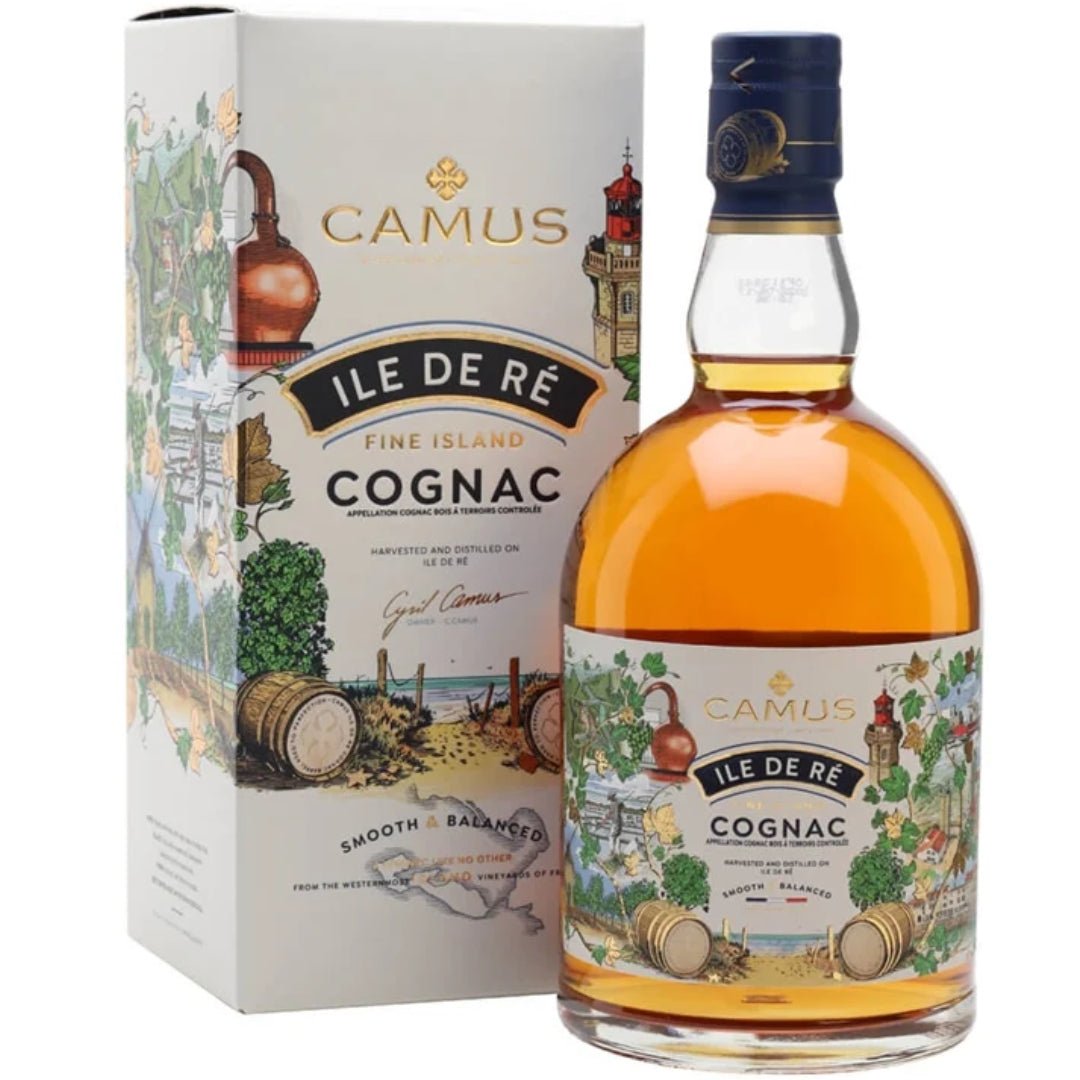
Camus Ile De Re Fine Island Cognac
Camus is an old Cognac house that is producing some really lovely and aromatic brandies. The majority of their vineyards and production is in the Borderies, the smallest sub region of the Charentes. The brandies produced in the Borderies are known for maturing faster than spirit from the other Cognac sub regions, because of this, they are often used to bulk out lighter brandies. One famous example is Martel’s Cordon Bleu.
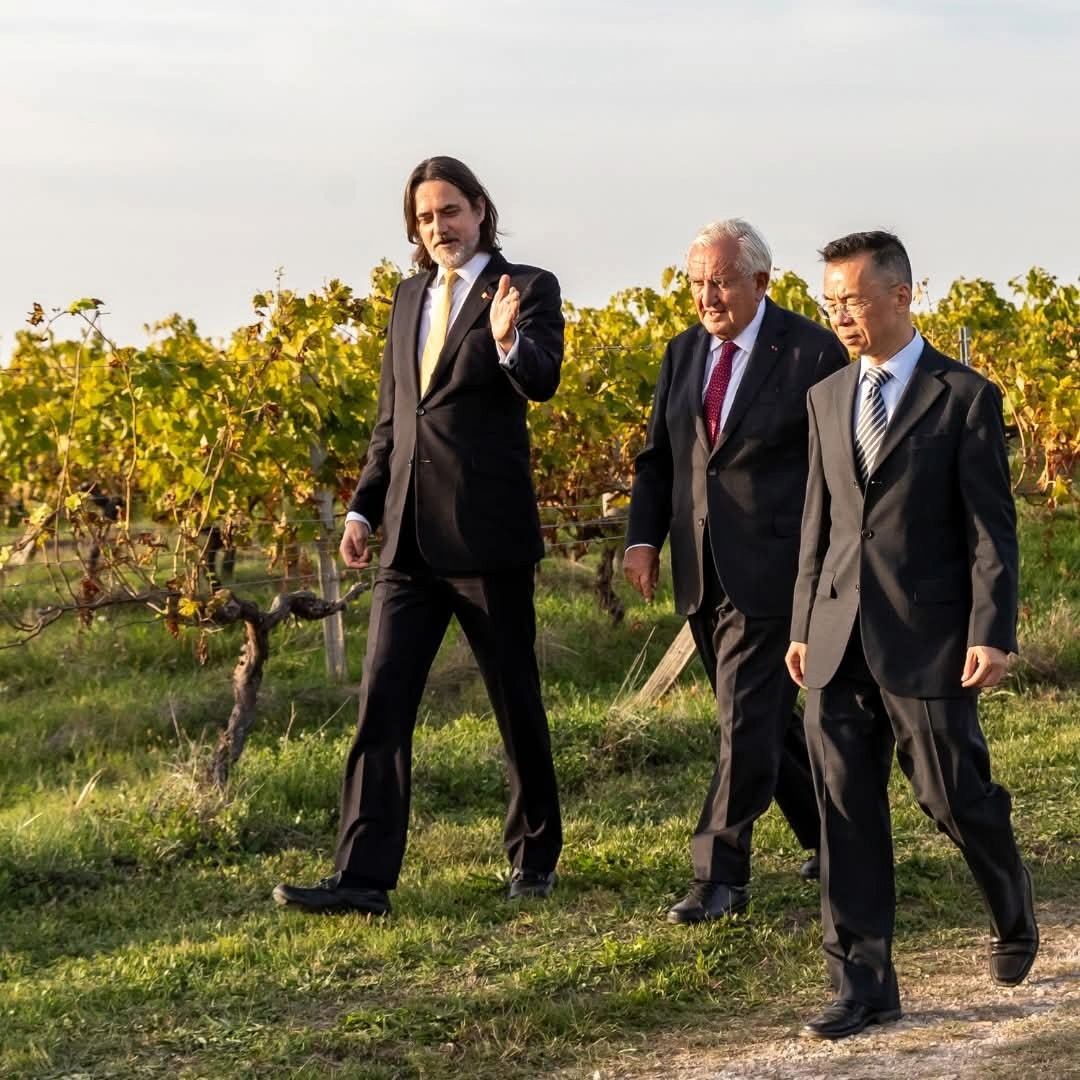
Camus do not only own vineyards in the Borderies alone, they also have a site on the beautiful Ile de Ré, just off the West Coast, but still a part of the wider Charentes. Camus are the only Cognac producer to grow vines on the island, they also distil the spirit and complete the full aging process for this delicious brandy on the island itself. This one really is unique!
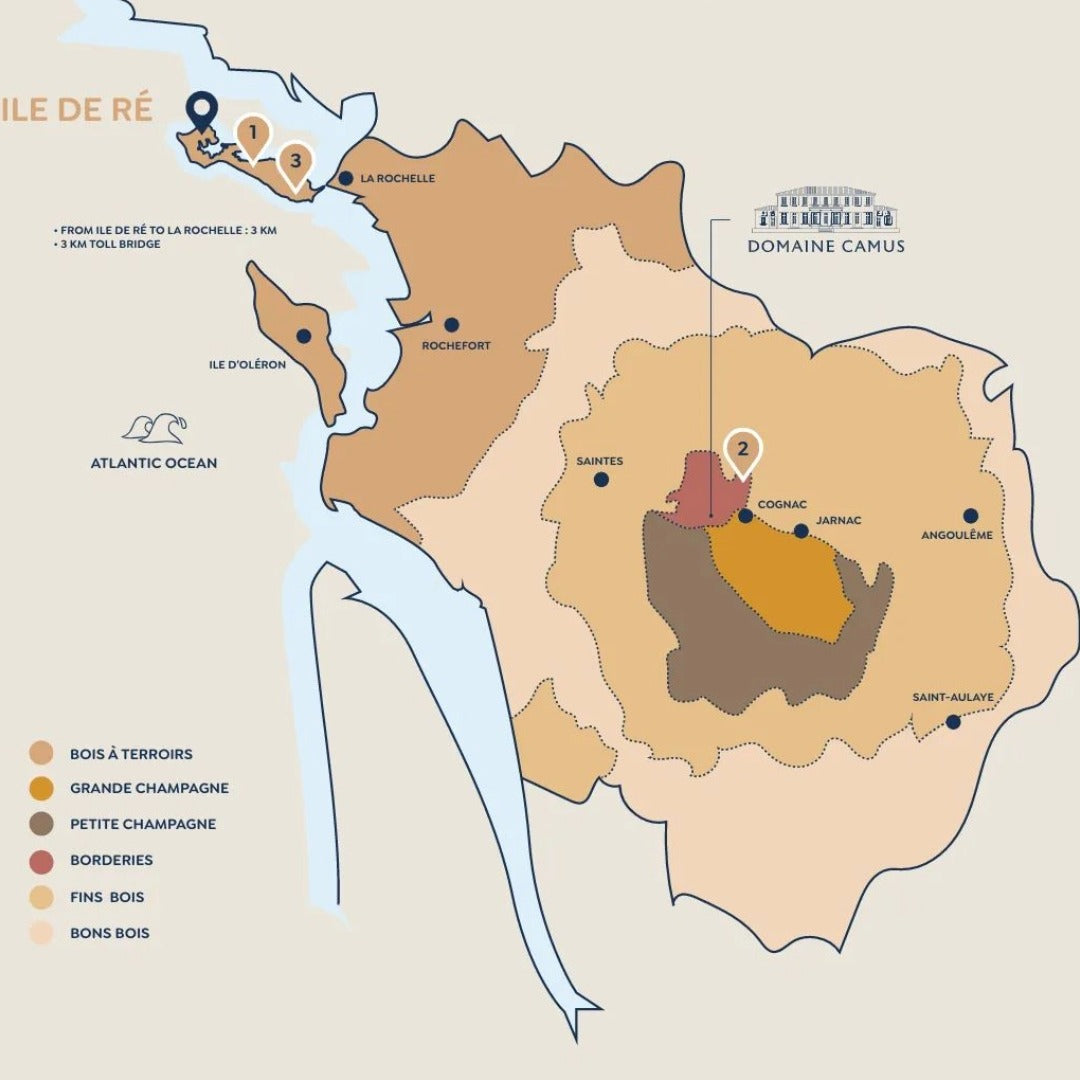
The island of Ile de Ré is home to France’s western most vineyards. The limestone and sandy soils, combined with the sea spray which sweeps over the vineyard, give a maritime composition to the soils. The aging in this climate also has a profound effect. The constant breezes give a mild acceleration to the aging process, with the sea breezes aiding evaporation from the casks, marginally increasing the angels share and helping to concentrate the spirit in the casks. The result is a distinctly elegant flavour profile with a crisp freshness on the palate, enhanced by Camus’ intensely aromatic house style.
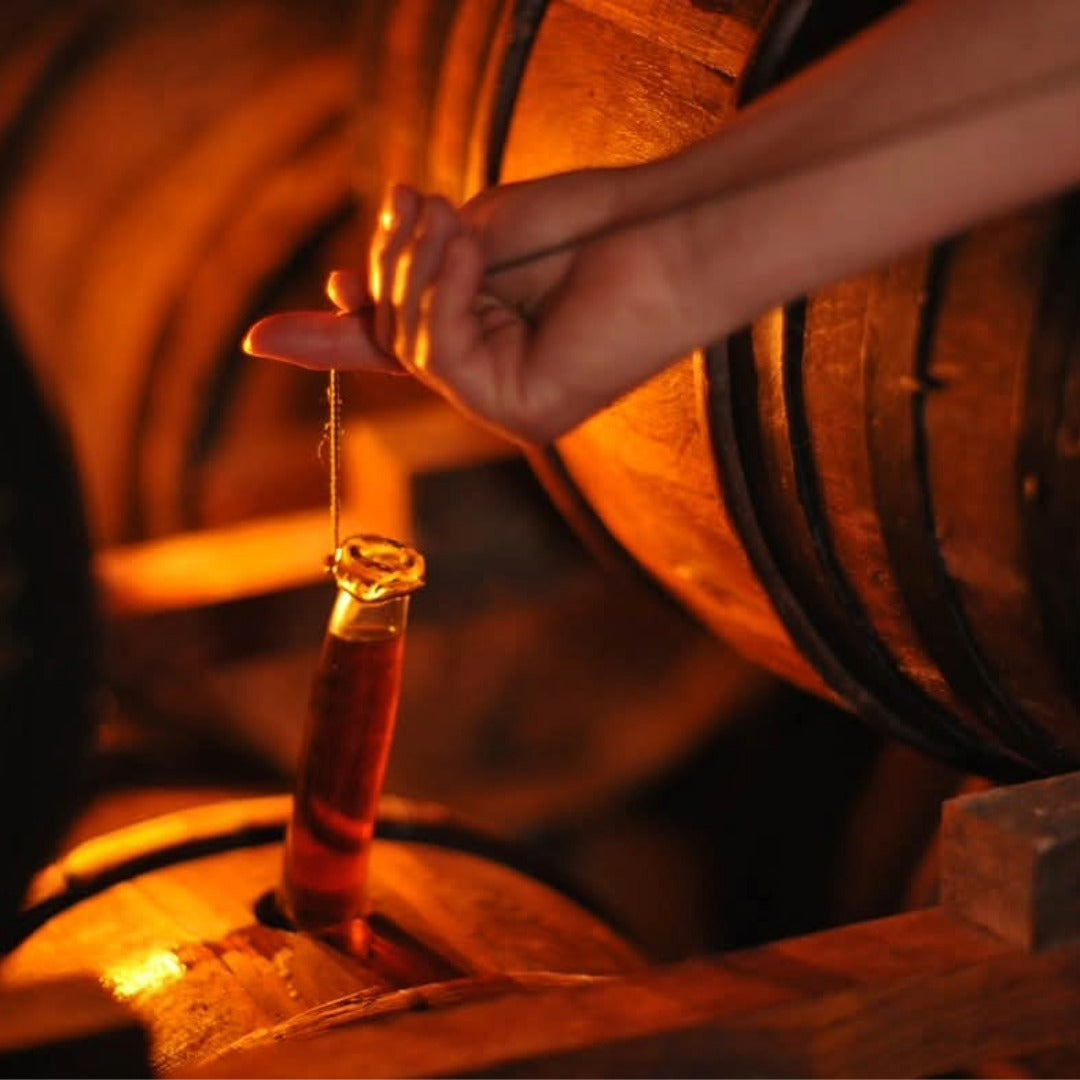
Elegant and fresh on the nose, with lively notes of white fruits such as peach and apricot. The palate bursts with juicy orchard fruits, such as apple and pear, hints of caramel and almond aromas balanced by cocoa, cinnamon and a subtle mineral note. Spicy finish with a saline, moreish tang.
Calvados
Though it is not the most popular, Calvados is by far my favourite and also in my opinion, the most underrated brandy style from France. Where Cognac and Armagnac are grape based distillates, being from the cooler Northern climate of Normandy, Calvados is distilled from a blend of apples and pears. Normandy produces some of the finest ciders in the world, so it just makes sense that the brandy distilled from this cider would also be fantastic!
Calvados is produced from around 200 apple varieties and 100 pear varieties. These are small and bitter, nothing like the sweet and juicy varieties found in your fruit bowl. These varieties are divided into four separate categories: bitter, bittersweet, sweet and sharp. The aim is for balance in the final product. On the note about balance, unlike the Cognac and Armagnac appellations which are very specific about the still types producers have to use, in Calvados producers have the freedom to use what they like, pot stills or column stills, or even both (with some exceptions, noted later).
Calvados producers have more freedom in terms of aging too, though the spirits must still be at least two years old before they can be called Calvados. A popular aging technique is to initially age the spirit in large casks made from new oak for an initial burst of flavour. The spirit is then moved to older casks for a slower aging process to allow oxidation without swamping the fruit character with tannin and the flavour of oak.
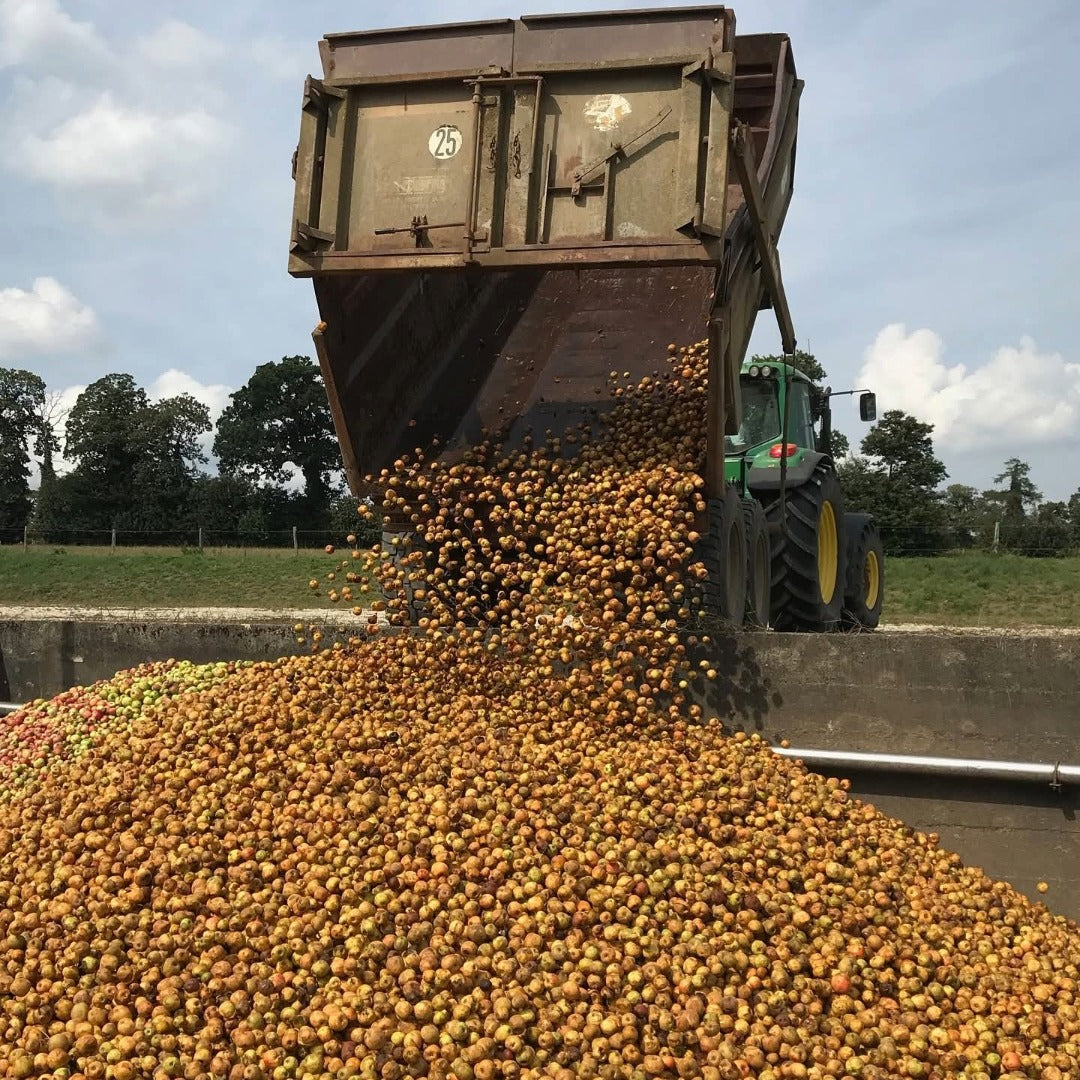
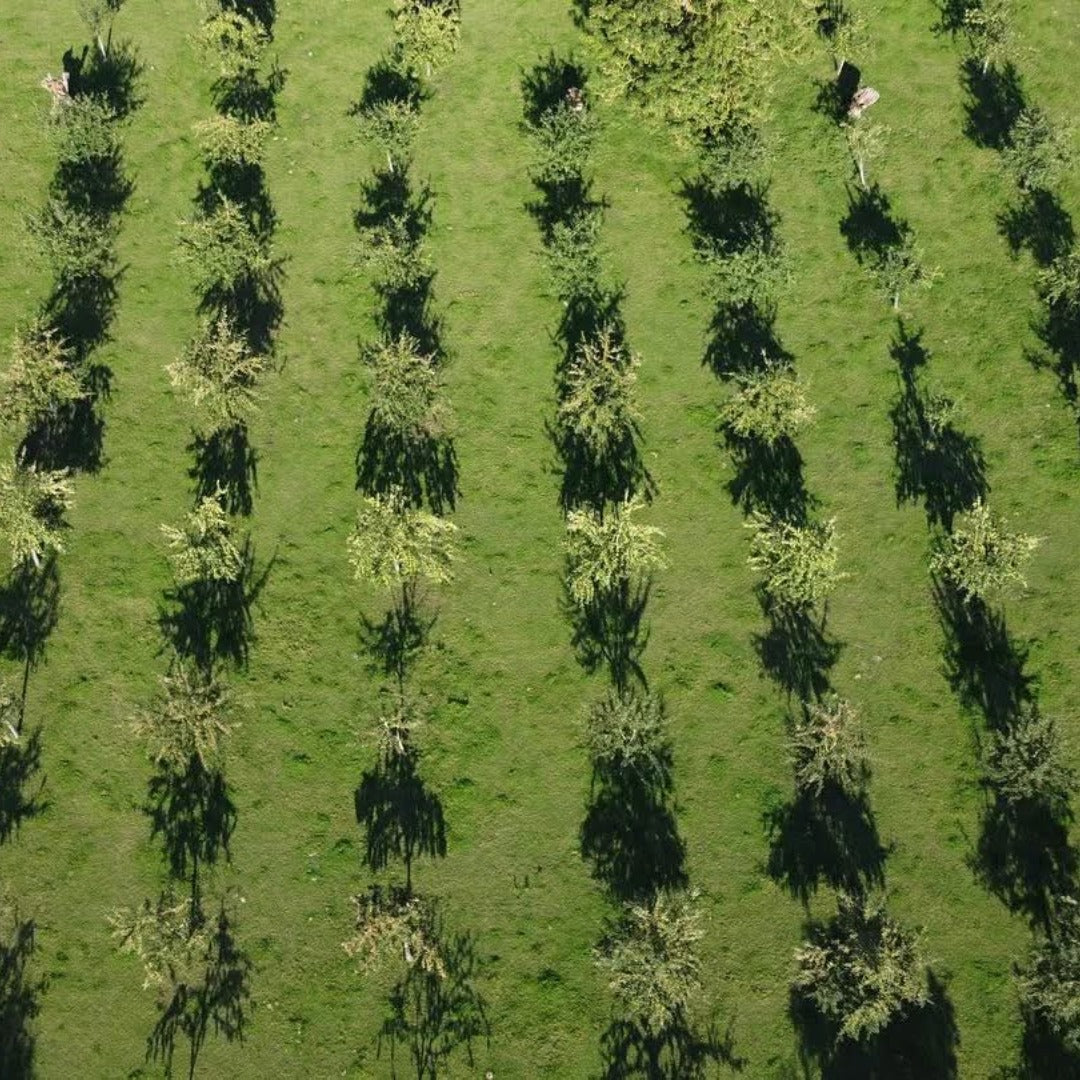
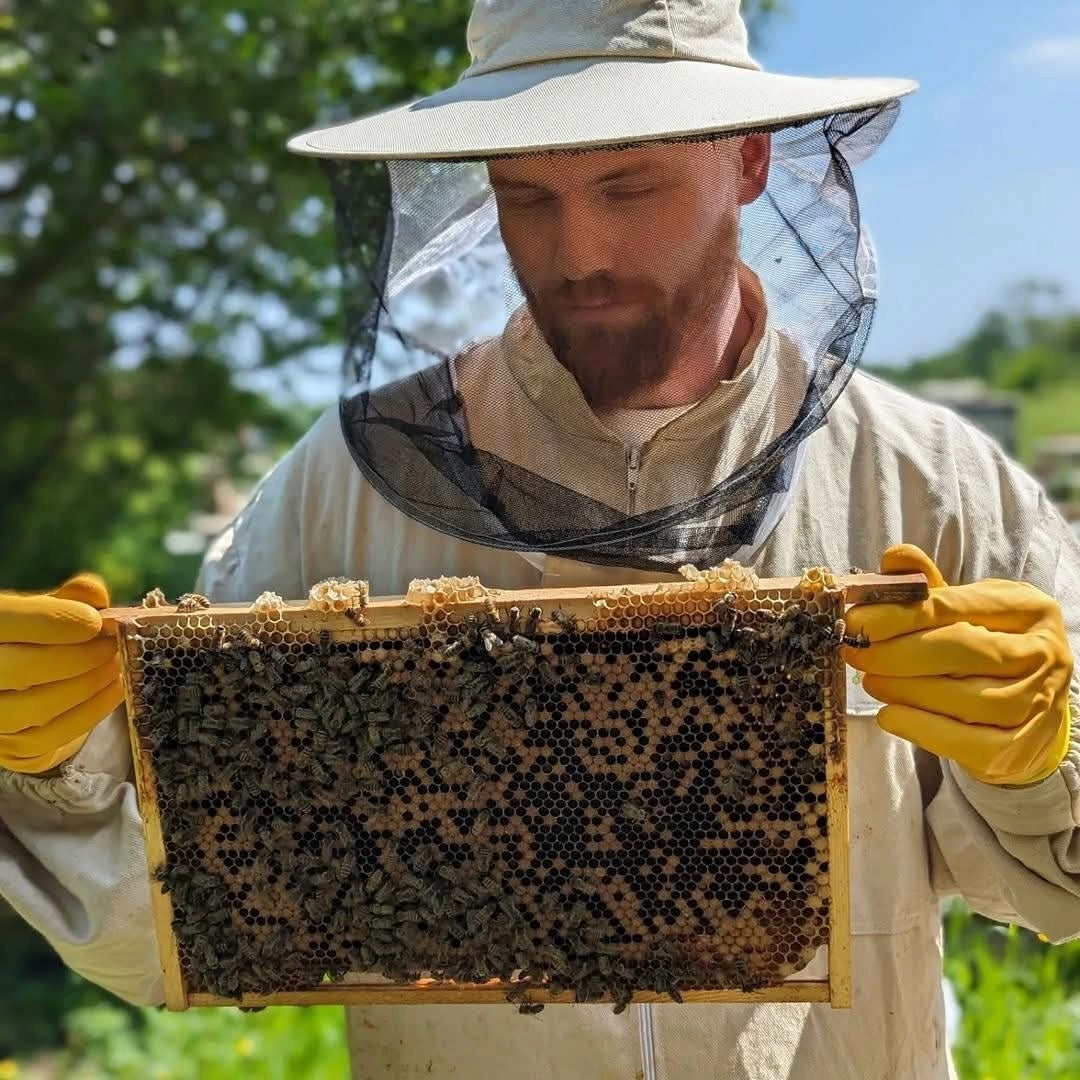
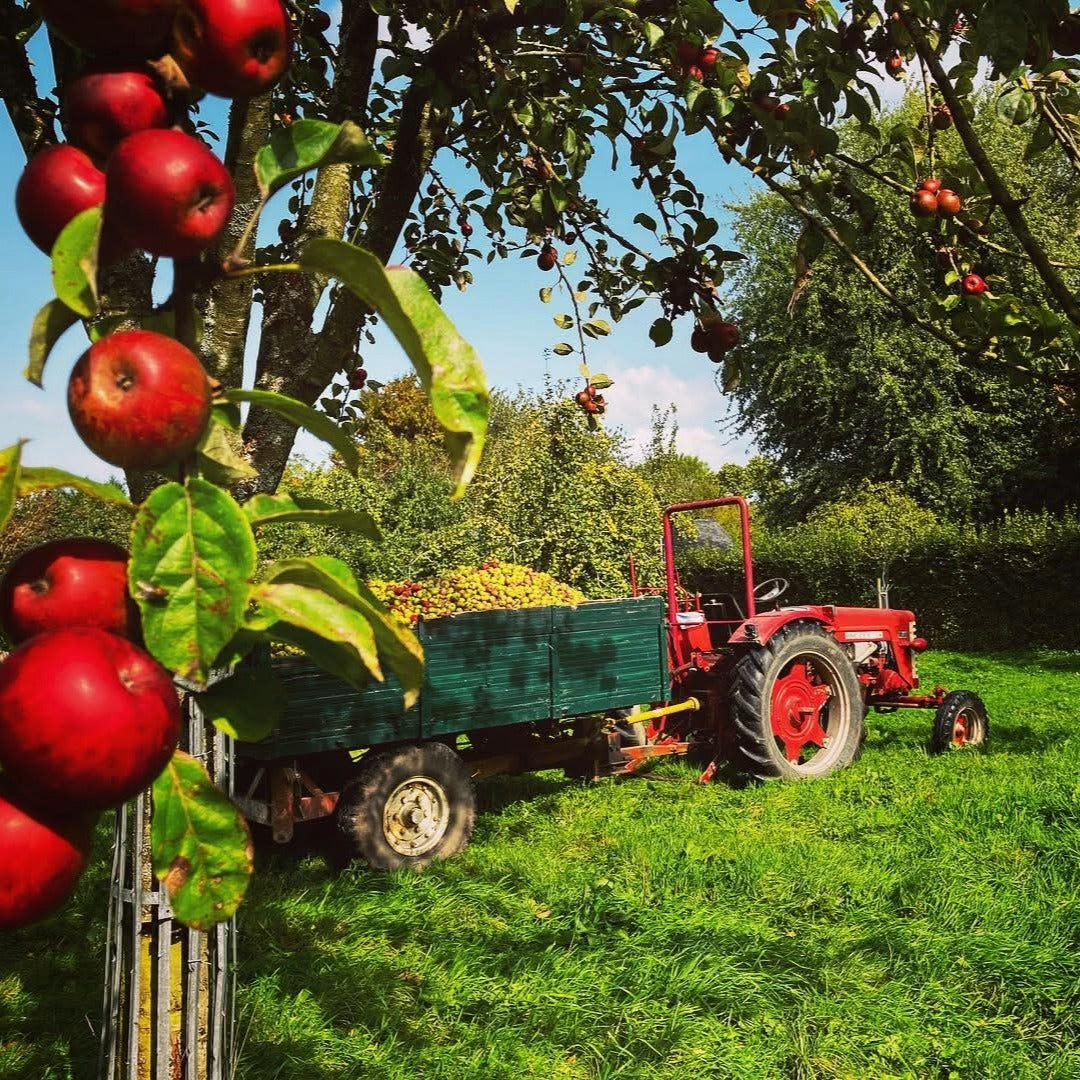
As delicious as it is, you can also feel morally superior drinking Calvados. This is because it is one of the most sustainable spirits you can buy. Apple and pear trees are fantastic carbon sinks, a single traditional orchard can sequester between 35 to 50 tonnes of carbon per hectare over a 25-year period. Because of this natural absorption, producers like Christian Drouin and Avallen have conducted carbon audits confirming their production actually removes approximately 2.7 to 2.9 kg of CO₂ from the atmosphere for every bottle sold. These traditional tree-farming methods do not require artificial irrigation either. They provide vital habitats for pollinators, like bees, supporting up to four times more wildlife than standard field crops.
Avallen Calvados
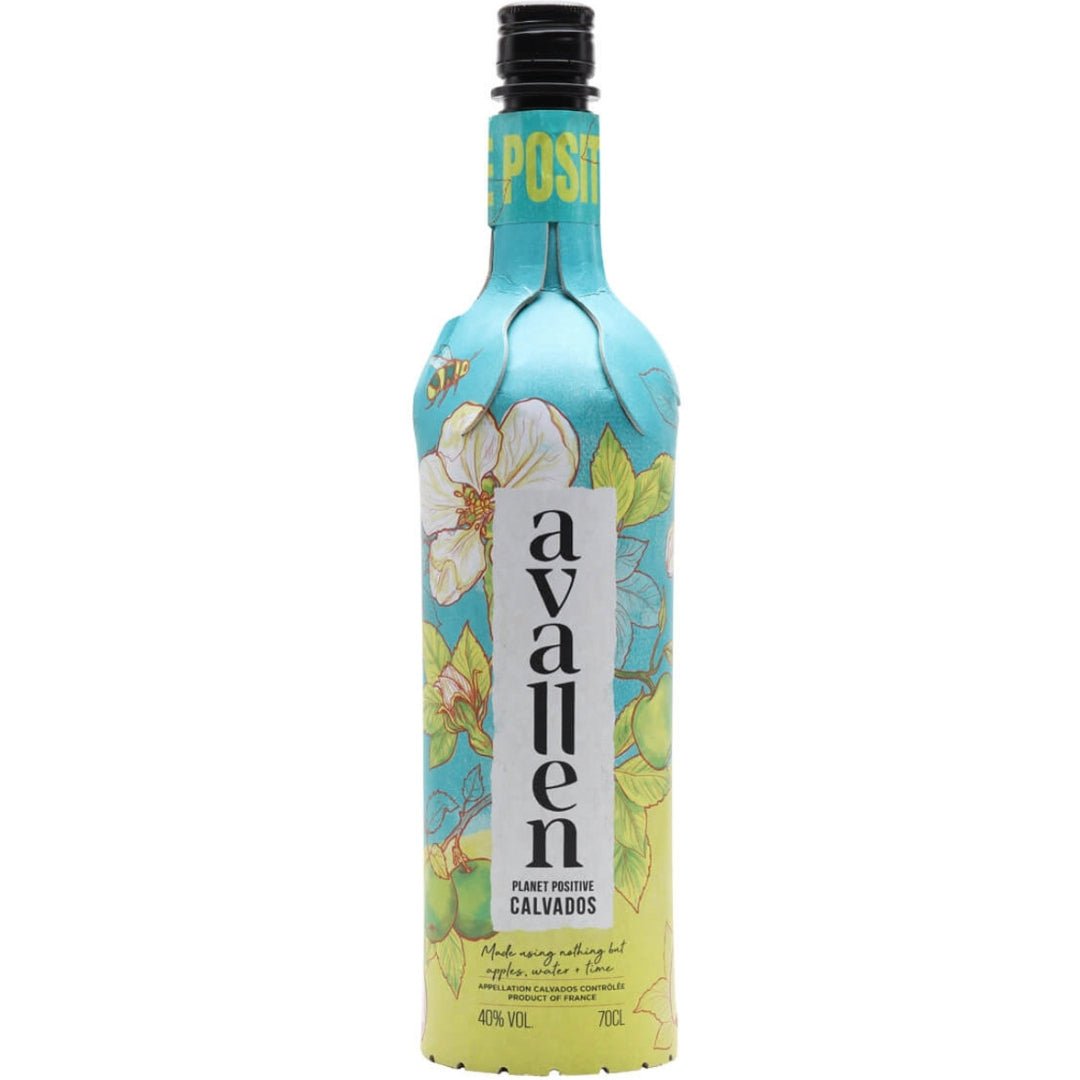
Avallen Spirits is a company with environmental positivity at its core. Avallen Calvados is completely natural with no additives or added sugar. The liquid is fresh, fruity and proudly apple forward in its flavour profile which is aged in French oak barrels for 2 years.
For the brandy, Avallen use 40 varieties of apple with 30% of them grown on site at Distillerie Coquerel with the remaining coming from up to 300, sustainable, pesticide free farms from within 20km of the distillery. This release of Avallen comes in a bottle made from 94% recycled cardboard. A thin food-grade liner keeps the Calvados safely inside until you’re ready to let it out. This packaging is super sustainable, lighter to transport and easy to recycle!
The nose is a freshly cooked apple pie with a hint of vanilla custard. It’s body is a richly warming with cinnamon, vanilla and star anise. Finally, the finish is a lingering toffee apple finish. I find this to be a really lovely and versatile spirit for mixing. Try it as a Calvados twist on a Mojito or Southside cocktail or even serve it simply with tonic or even better, ginger ale.
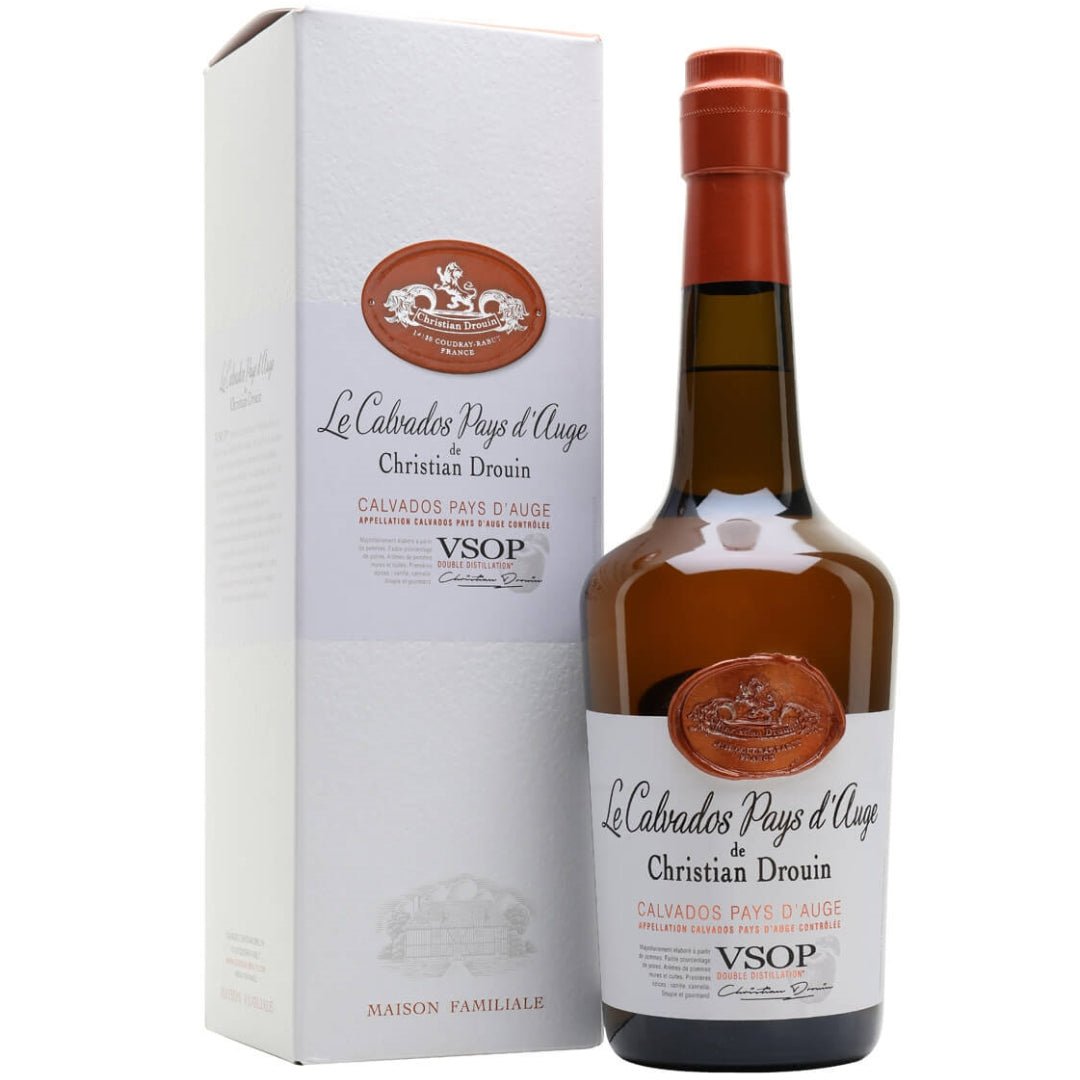
Christian Drouin VSOP Calvados
The Drouin family are relative newcomers to Calvados. The firm was founded in 1960 by Christian Drouin the elder, an industrialist from Rouen in Northern France. He developed his interest when he bought a farm in Gonneville complete with cider apple orchards and decided to try to make the best Calvados he could. It’s still a family business, now run by the third generation and widely acknowledged as one of the best as well as most innovative producers in the region.
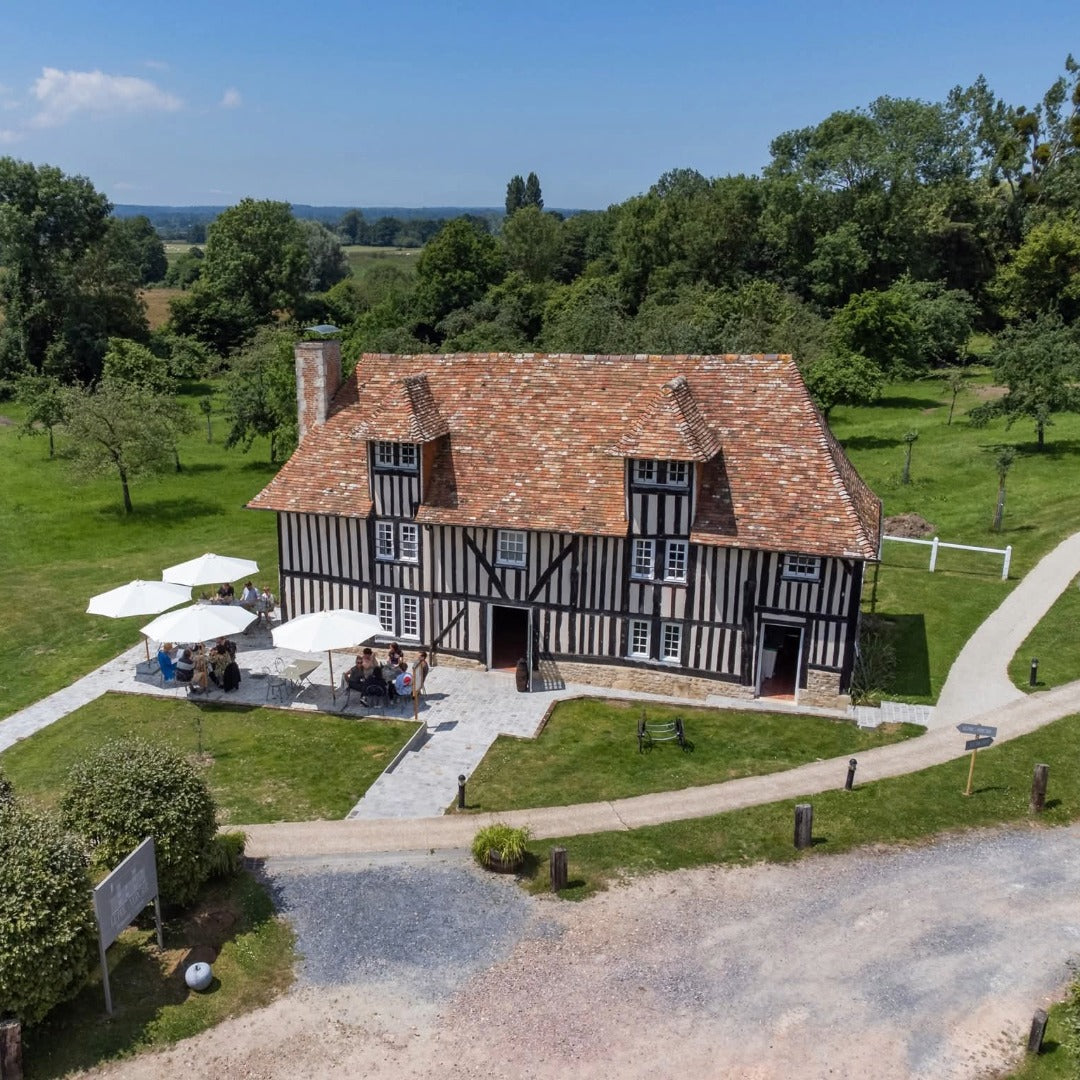
The distillery is located in a historic 17th century Norman farmhouse in the Pays d'Auge subregion. It is a requirement that Calvados made in the region undergoes double-distillation in a copper pot still and has a maximum of 30% of perry can be used in the blend.
You can by all means mix this brandy, your cocktail will be great, but to me it would be a shame to mask the beautiful flavours present when simply sipped neat. Fresh apple peel, baked apple pie, white chocolate and dried flowers on the nose. A rich, savoury palate unfolds more flavours from the orchard and finishes with warm notes of oak and juicy fresh stone fruit. I love drinking this post dinner, accompanied of course by a wedge of Normandy’s finest camembert.
Rhum
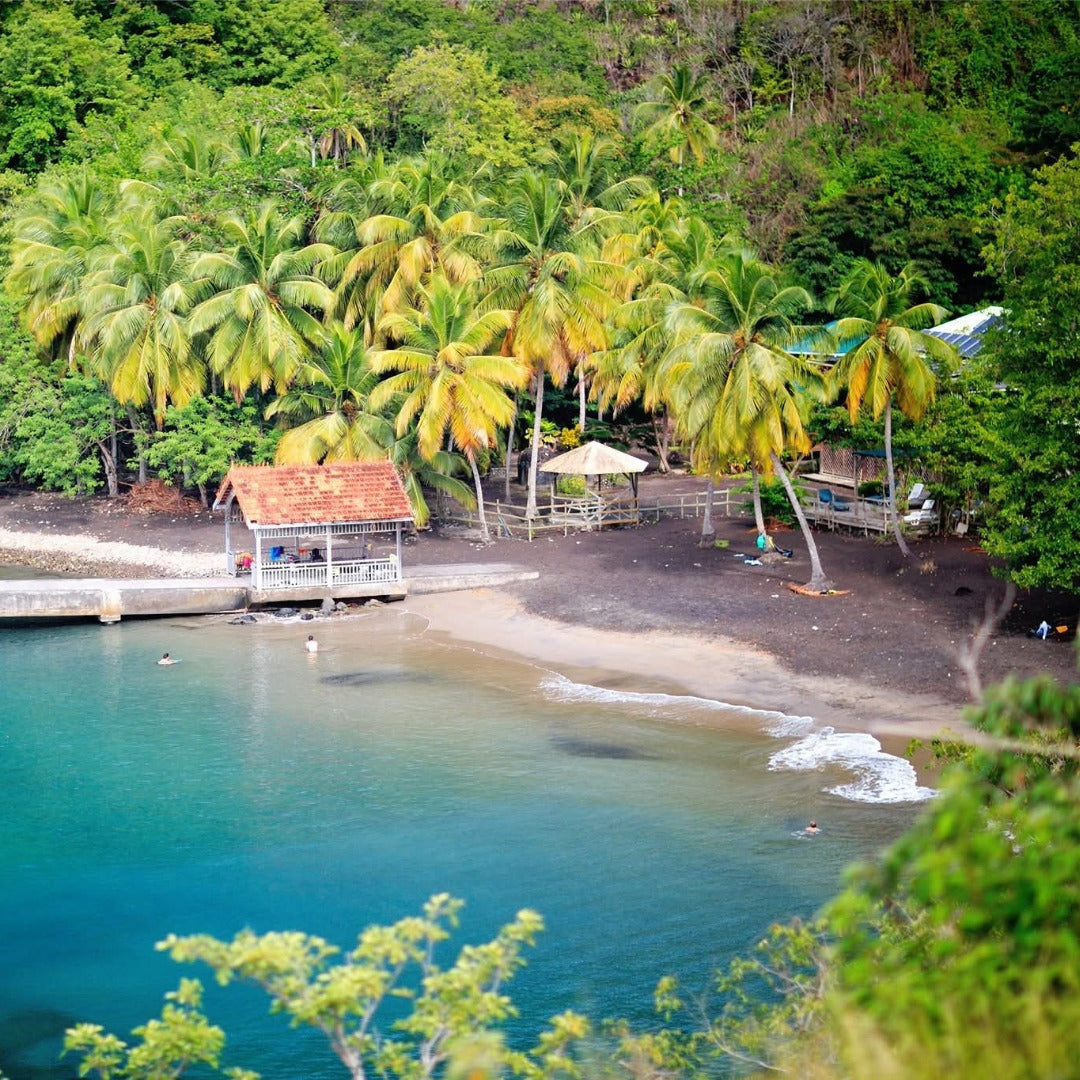
France’s border does not stop at the Atlantic coast. Including its overseas territories, France sprawls across 12 different time zones, 13 during daylight savings. Over in the Caribbean, Guadeloupe, Martinique, Saint-Barthélemy, Saint Martin and a couple of other smaller islands are all classed as either overseas departments or dependencies of France. As with most other Caribbean islands, these were used for growing sugar cane. The cane was transformed into sugar and shipped back to France to turn into delicious pastries and macaroons for the cafes and bistro’s of Paris. The remaining molasses was distilled into spirit…then the French switched to domestically grown sugar beet to get their fix so the French isles ended up with loads of surplus cane.
French style rum is called Rhum, most commonly seen is Rhum Agricole, agricultural rum as opposed to Rhum Industrial, industrial rum. Initially Rhum Agricole would just refer to a rhum made at a small, self-contained farm and not the base material. This later morphed to mean that the base material had to be raw sugar juice as opposed to molasses. Raw sugar cane juice gives a very different flavour profile to molasses. Sugar cane itself is a species of grass, Saccharum Officinarum, and as a grass it has a lovely vegetal and even grassy aroma, banana/plantain can be detected along with a distinct minerality that is often missing in molasses rum. Rhum Agricole is not widely seen in the UK but is of course very popular on the French mainland. Come to the shop and give one a try if you are unsure about committing to a bottle, we all love it here!
Clement Rhum Agricole Blanc
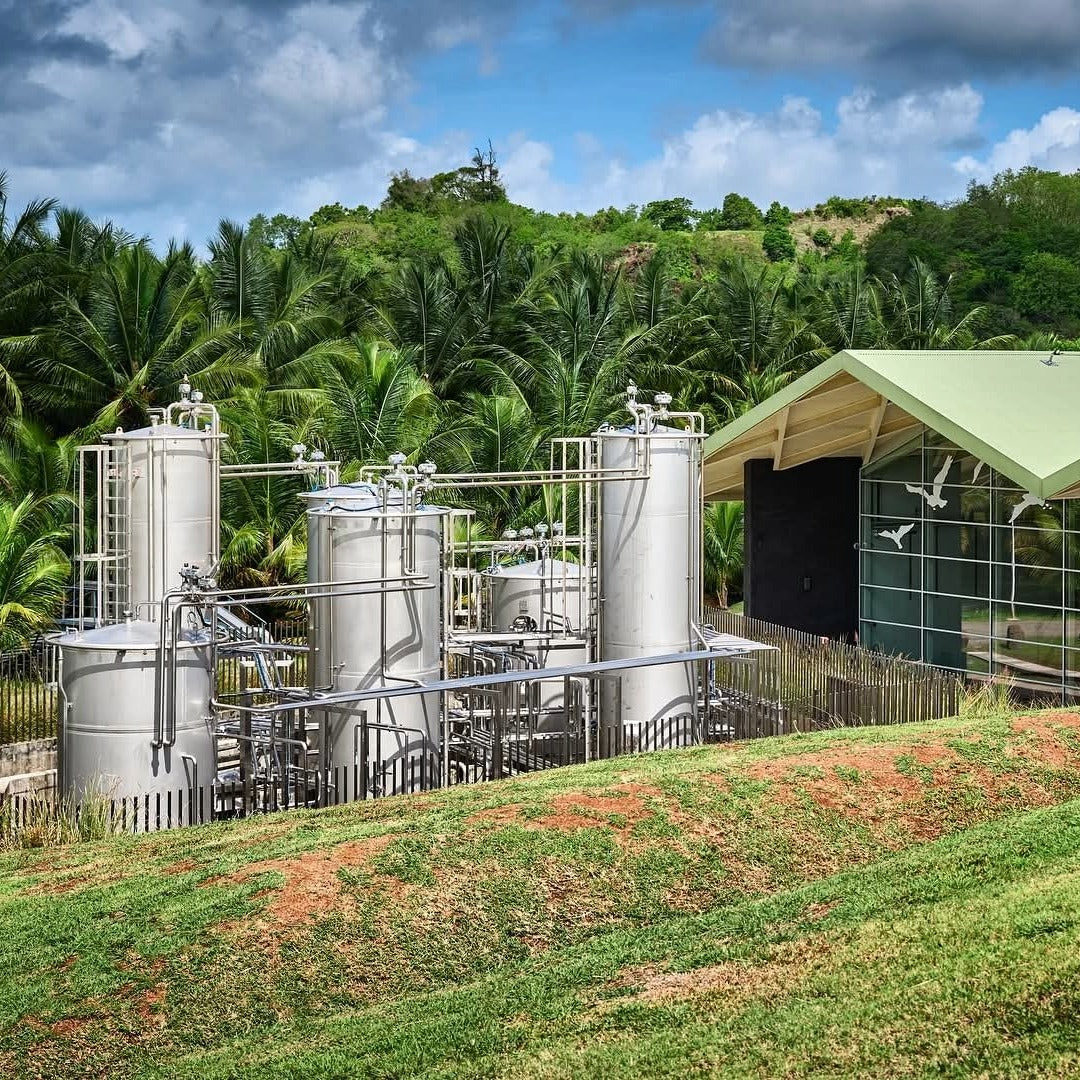
Rhum Clément is a leading producer of A.O.C. Martinique Rhum Agricole. After distillation, the fresh cane spirit is placed in stainless-steel tanks to mellow. Each stainless-steel tank has a small, perforated pipe and a release valve at the top. A stream of filtered air flows gently through the pipe, creating tiny bubbles which pass through the rhum. This removes any unpleasant esters, which could take away from the full-bodied flavour of the rhum. Over a period of nine months, the rhum is reduced gently with slow agitations in preparation for ageing or bottling.
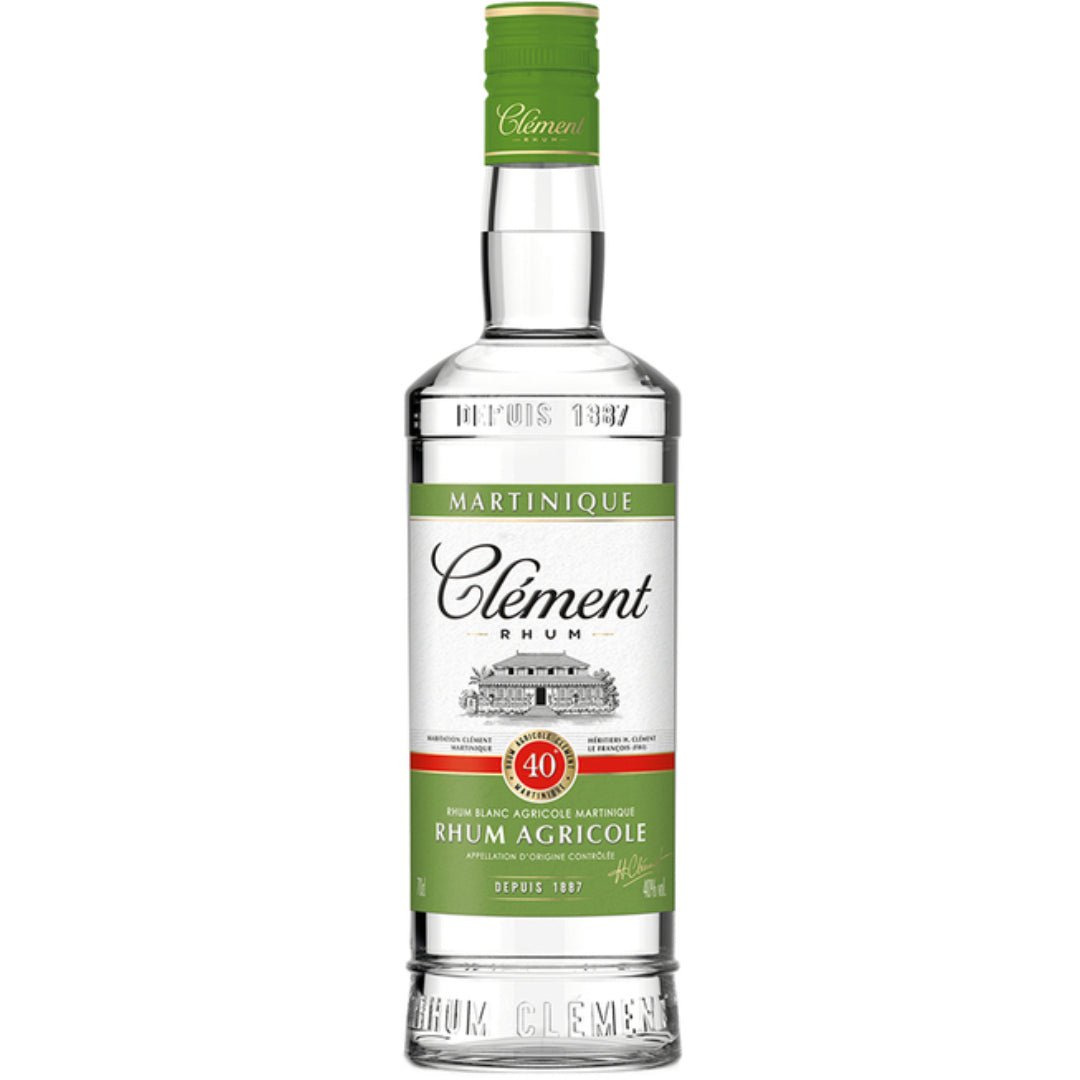
Blanc is the perfect expression of a true Rhum Agricole from Martinique. Clean, with nice flower and cane flavours, it is perfectly adapted for a Ti Punch and as well as many other cocktails.
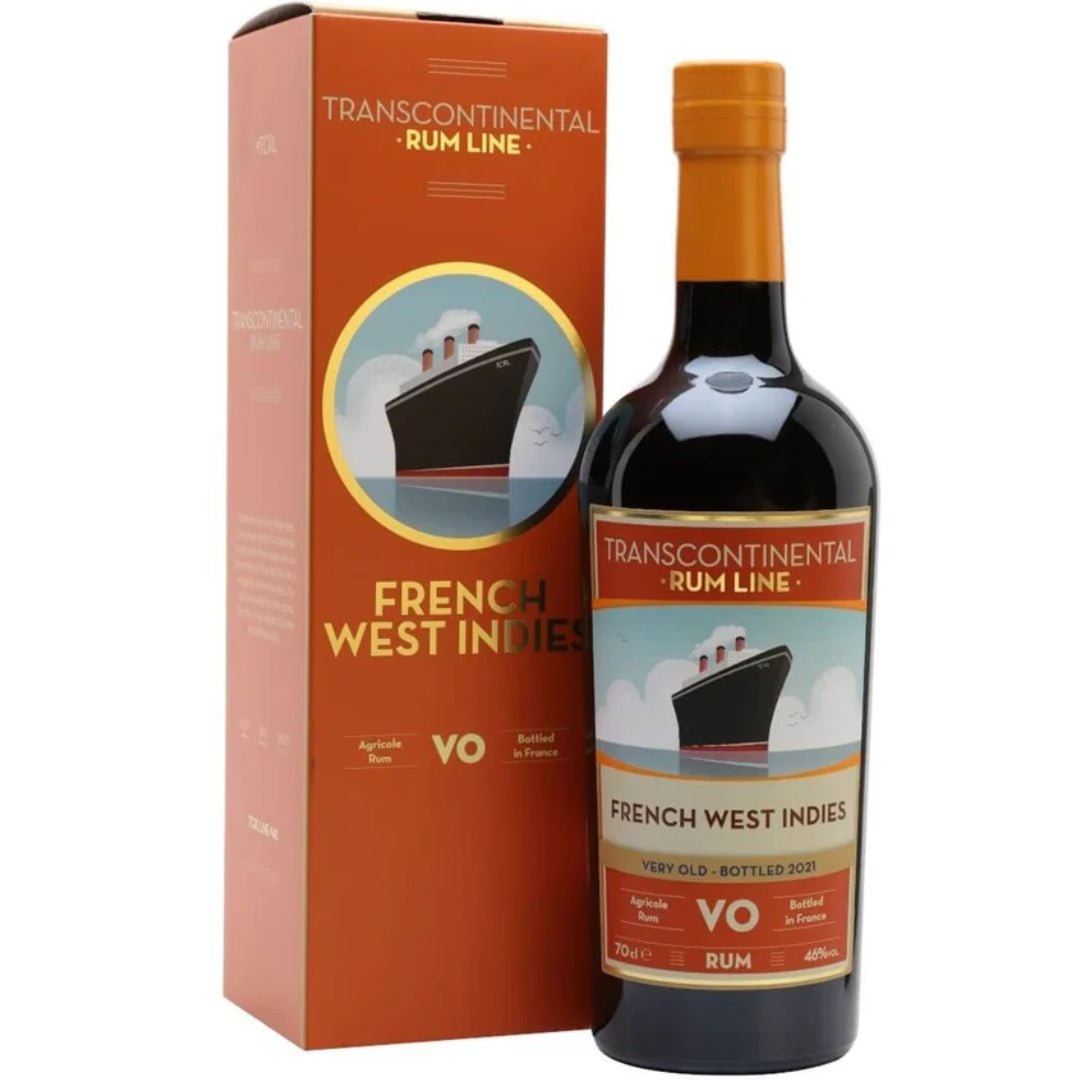
Transcontinental Rum Line French West Indies VO
Transcontinental Rum Line is a French independent bottler, with its products inspired by the trade and great voyages of rum between the country of production and its maturation conditions. The origin of distillation and maturation environment all play a part in the story of these great rums; TCRL seeks to celebrate the stylistic diversity and vast spectrum of flavours and aromas that lie within the rum category, selecting rums that are shining examples of the style of their origin.
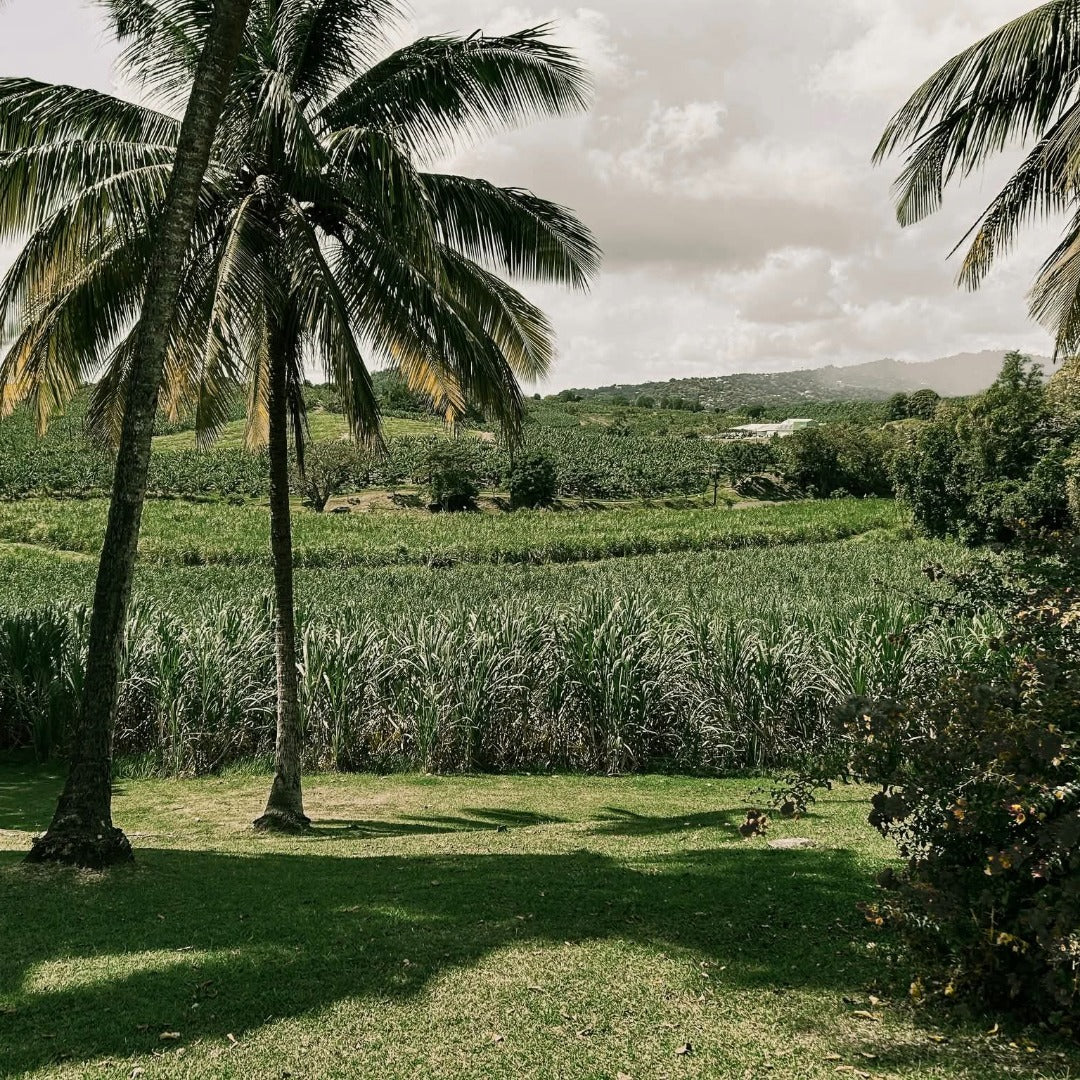
This limited-edition "French West Indies" rum from the Transcontinental Rum Line series was distilled using a creole still and initially matured in the tropics for three years, before being transported to France to finish aging.

Bottled with natural colour and having no sugar added post distillation. Aromas of cinnamon, honeysuckle, soft fruit, orange and sugar cane fill the nose, complemented by notes of pears, mango, orange, oak, cloves, liquorice, vanilla, peppery spice and soft smoke throughout the palate and lingering in the finish. This complex rum is designed for sipping as a “sun downer” either straight up or with some ice on a particularly warm evening.
Anise Spirits
France has a long history of producing spirits with the delicious anise seeds grown across the Mediterranean Basin. Anise is native to North Africa and the Middle East and was first recorded being cultivated by the ancient Egyptians, 4000 years ago for use as medicine and as a flavouring agent. The plant was brought to the Northern Mediterranean for use in Medicine early on. The main use of anise in traditional European herbal medicine was for its carminative effect (reducing flatulence), as noted by John Gerard in his "Great Herball", an early encyclopaedia of herbal medicine:
“The seed wasteth and consumeth winde, and is good against belchings and upbraidings of the stomach, alaieth gripings of the belly, provoketh urine gently, maketh abundance of milke, and stirreth up bodily lust: it staieth the laske (diarrhea), and also the white flux (leukorrhea) in women.”
According to Roman author, Pliny the Elder, anise was used as a cure for sleeplessness, chewed with alexanders and a little honey in the morning to freshen the breath, and, when mixed with wine, as a remedy for asp bites. In 19th-century medicine, anise was prepared as aqua anisi ("Water of Anise") in doses of an ounce or more and as spiritus anisi ("Spirit of Anise") in doses of 5–20 minims. In Turkish folk medicine, its seeds have been used as an appetite stimulant, tranquilizer or diuretic.
All this means, drink more anise spirits, they are maybe good for you? Please drink anise spirits responsibly.

The most powerful flavour component of the essential oil of anise, anethole, is found in both anise and an unrelated spice indigenous to South China called star anise. Star anise is considerably less expensive to produce and has gradually displaced classic anise in Western markets.
France has three spirits with an anise core, Pastis, Absinthe and Anisette. I have never seen anisette in this country so we will ignore that for today.
La Fee Absinthe
Absinthe is potentially the most notorious spirit category from France. It is both beloved and abused in equal measure. Originally, absinthe was produced as a medicine, but when the phylloxera louse devastated the vineyards of France, absinthe merrily filled the void in the French people’s blood stream.
Unfortunately, bad press and the rise of temperance early in the 20th century led to its almost universal banning across the world. The bans have now been overturned, and the spirit is legally available again.
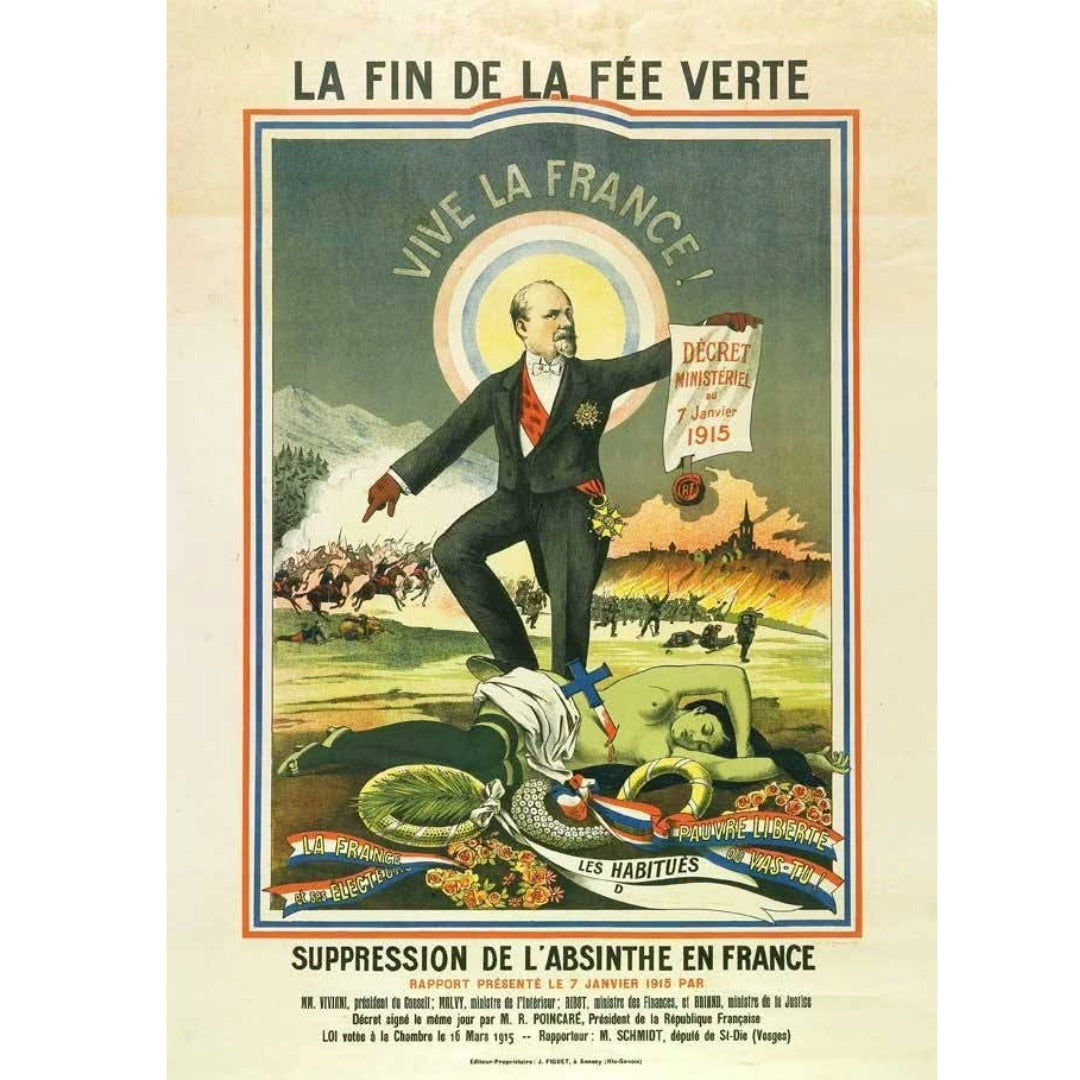
One notable story of infamy relating to absinthe that was used in the arguments to ban it, goes as follows. In 1905 Swiss farmer, Jean Lanfray, murdered his wife and daughters sparking a national campaign to obtain a ban on absinthe. Lanfray was said to be under the influence of absinthe when he shot his family, he was also known however, to be a wine guzzling alcoholic. On the day Lanfray committed his crimes, he had washed down two glasses of absinthe with no less than a creme de menthe, a cognac, six glasses of wine with lunch, a glass of wine before leaving work, coffee with brandy and more wine!
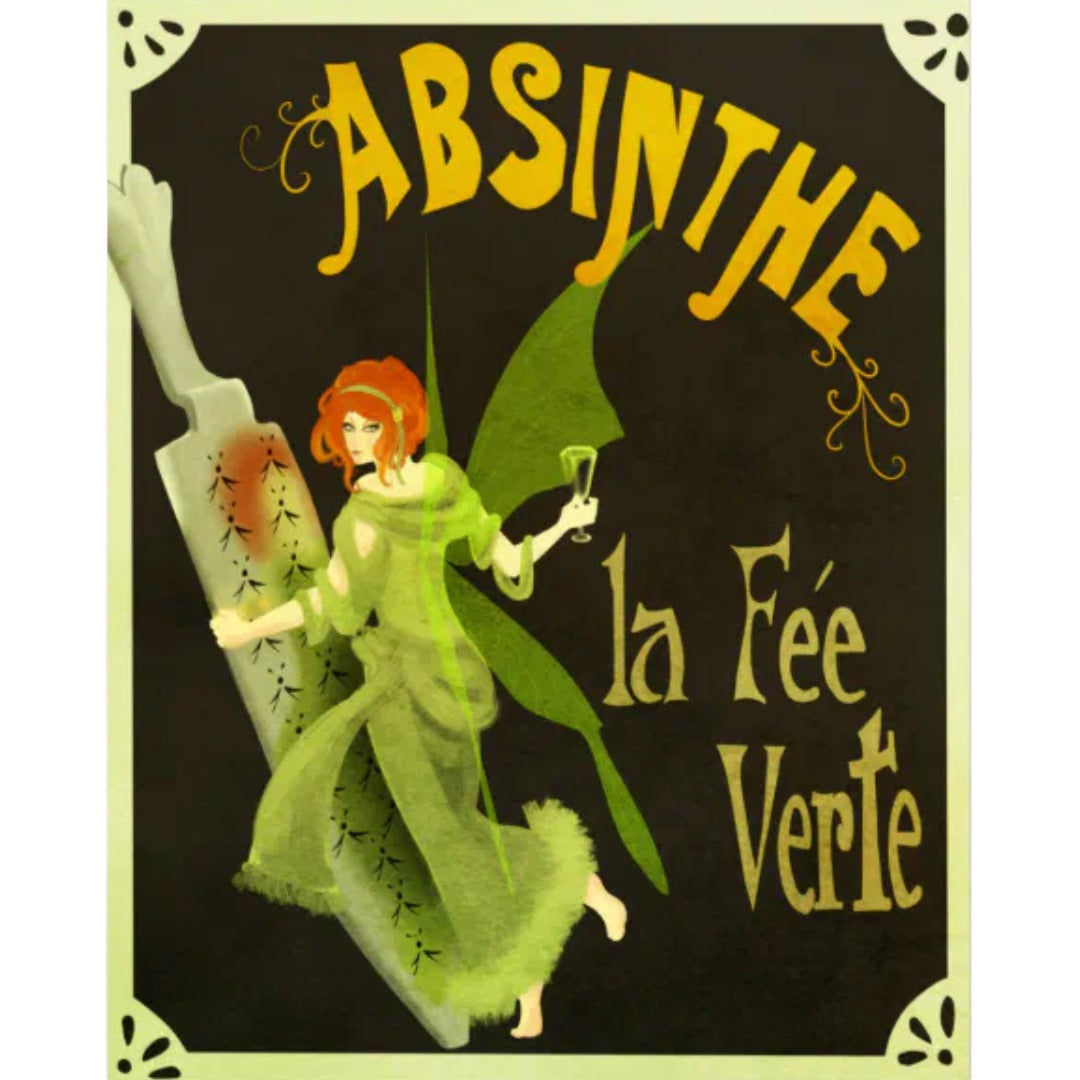
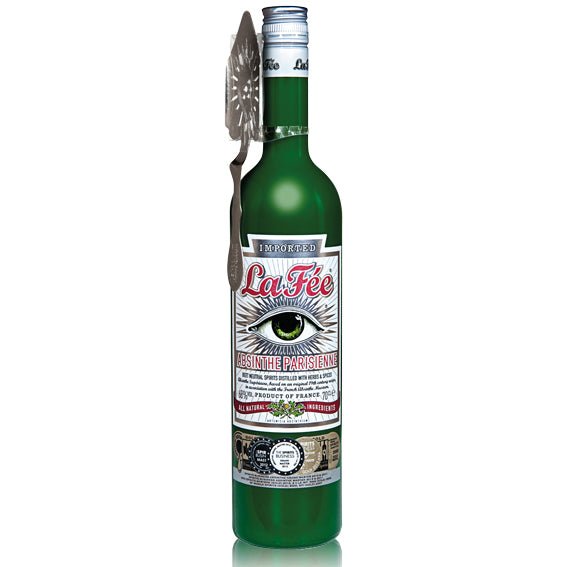
La Fee Absinthe was launched in 2000, when it became the first traditional absinthe to be commercially produced since its ban in 1915. Traditionally distilled in copper stills, the flavour of La Fee is centred around grand wormwood (Artesimia Absinthium) and balanced with petit wormwood, green and star anise.
Aromas of fennel and coriander dominate with slight hints of liquorice and aniseed. The palate is fresh and rounded with anise with angelica, coriander, fennel, mint and liquorice all present in the background. At 68%, I would recommend drinking this with care! Don’t be like Monsieur Jean Lanfray.
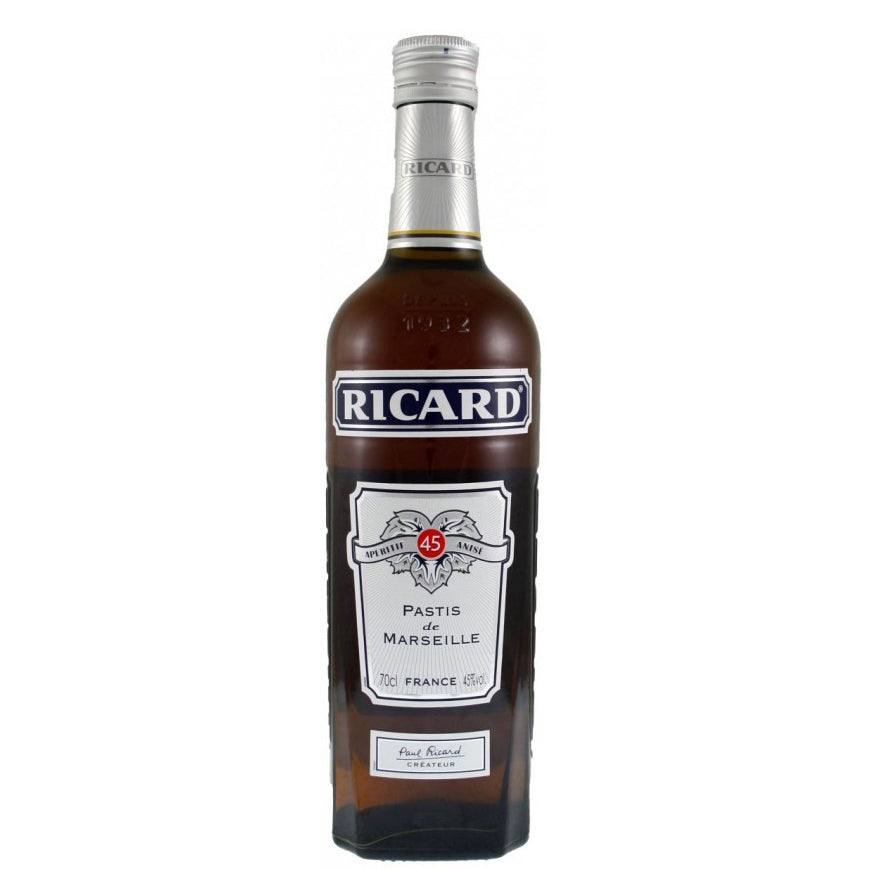
Ricard Pastis
Pastis emerged some 17 years after the ban on absinthe, during a time when the French nation was still apprehensive of high-proof anise drinks. The first Pastis was Ricard from Marseille, which until recently, was the 3rd biggest selling spirit in the world!

Having arrived in the wake of Absinthe, Pastis is closer in style to other Mediterranean anise spirits such as Ouzo in Greece, Sambuca in Italy, Lebanese Arak and Turkish Raki. Pastis tends to be more herbal than the other examples. Ricard is flavoured with liquorice root, which is shredded and placed in a percolator through which alcohol and purified water is forced through. this process is repeated 3 times so that the alcohol takes on the flavour and aroma of the liquorice. this same process is also used to extract flavours of seven other aromatic herbs, including green anise and fennel.

Green, grassy aromas of tarragon sit alongside pungent anise and liquorice. Rich anise dominates the palate with a touch of fennel and herbal complexity, finishing with soft liquorice and minty, lemon freshness. The traditional French way to drink Pastis is 1 part liquor to 5/6 parts chilled water in a tall glass.