Spotlight On French Red Wines & Their Global Influences
Write up by Chris Nolan
The French have historically claimed to produce the “best wines in the world”. The wines produced over the channel can however be divisive; we have some customers who will not drink wine from any other country. As a counter point, we also have customers who will not touch French wines! Love it or loathe it, the French influence on the world of wine is irrefutable. For our two “Spotlight” blogs, one for white wines, the other for red wines, we will look at a traditional wine style from France and a “New World” example which takes inspiration from the classics of France.
For today in the “Spotlight On French Red Wines & Their Global Influences” we will take a look at the following grape varieties: Pinot Noir, Merlot, Cabernet Franc, Cabernet Sauvignon & Syrah.
Pinot Noir
Pinot Noir is the great red grape of Burgundy, Bourgogne as we will refer to it from now on. Fans of the variety will argue about how this is the best grape ever and how no other grape can even come close to rivalling its majesty. There are endless tomes written on both the grape and Bourgogne itself, yet this grape is still the subject of much debate. People argue about things such as which specific site shows the purest expression of Pinot Noir? Should the wine be oaked, should it not be oaked? If Pinot grown anywhere else in the world can ever even come close to rivalling the expressions from the hallowed land of the Cote du Nuits and the Cote du Beaune. Whether you are a fan or not, it cannot be denied that Pinot Noirs site specificity and elusive charm has earned the variety obsessive adoration.
A little on the variety itself. Pinot gets its name from the French “pinot” meaning “pinecone.” This is a reference to the shape of the tightly packed bunches of grapes. These bunches, unsurprisingly resemble the shape of a pinecone. The first written mention of “pinot” is from a document dating to 1375, though there are older accounts from 1283, near Paris, naming the same grape as “Moreillon.” Other records from a similar time in the Cote d’Or name the variety as “Noirien”. By the time these names had been written down, it is likely that Pinot Noir had already been spread widely around France and into other regions of Europe, with several areas claiming to be the Birthplace of the grape. That being said, Bourgogne without a doubt produces the most famous examples.
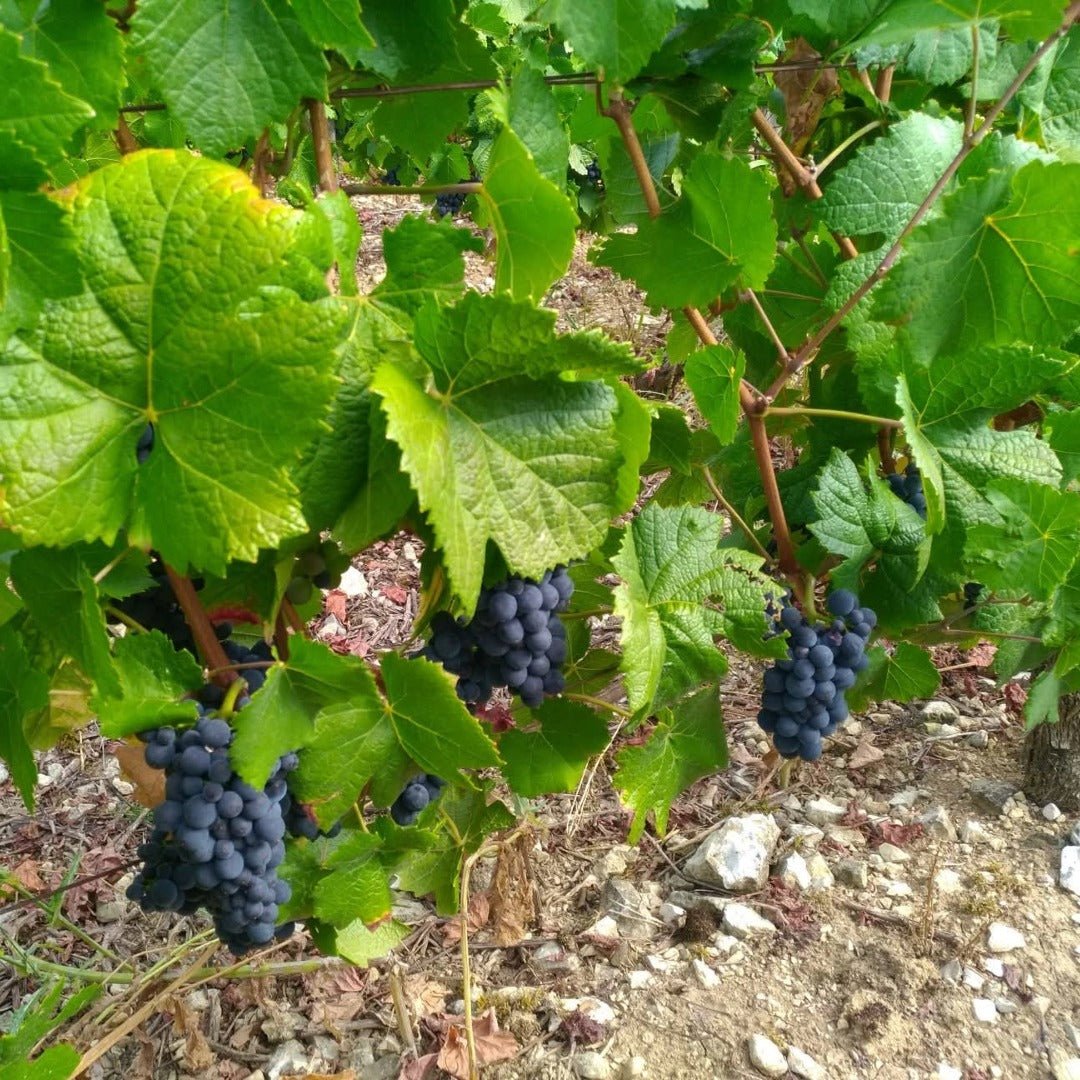
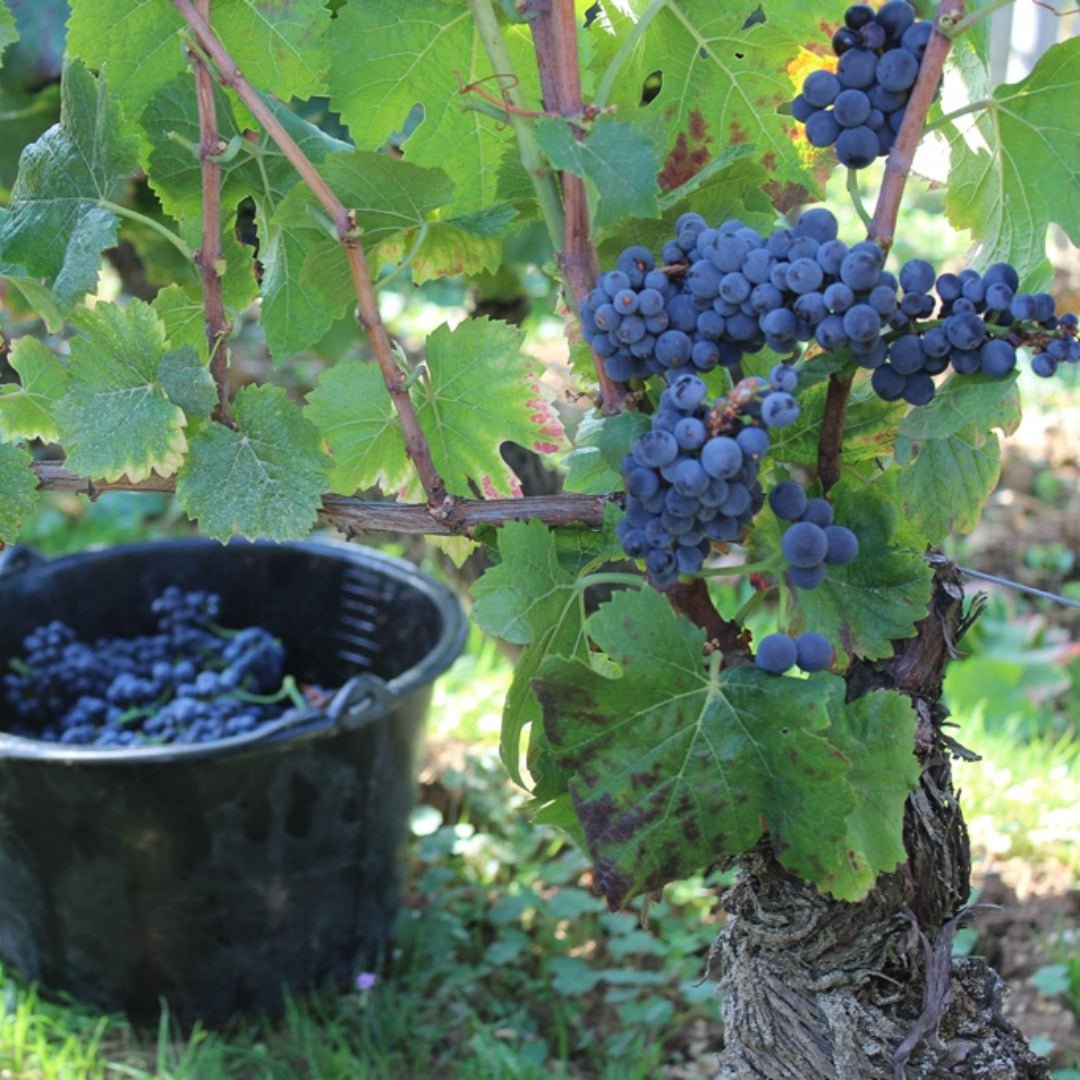
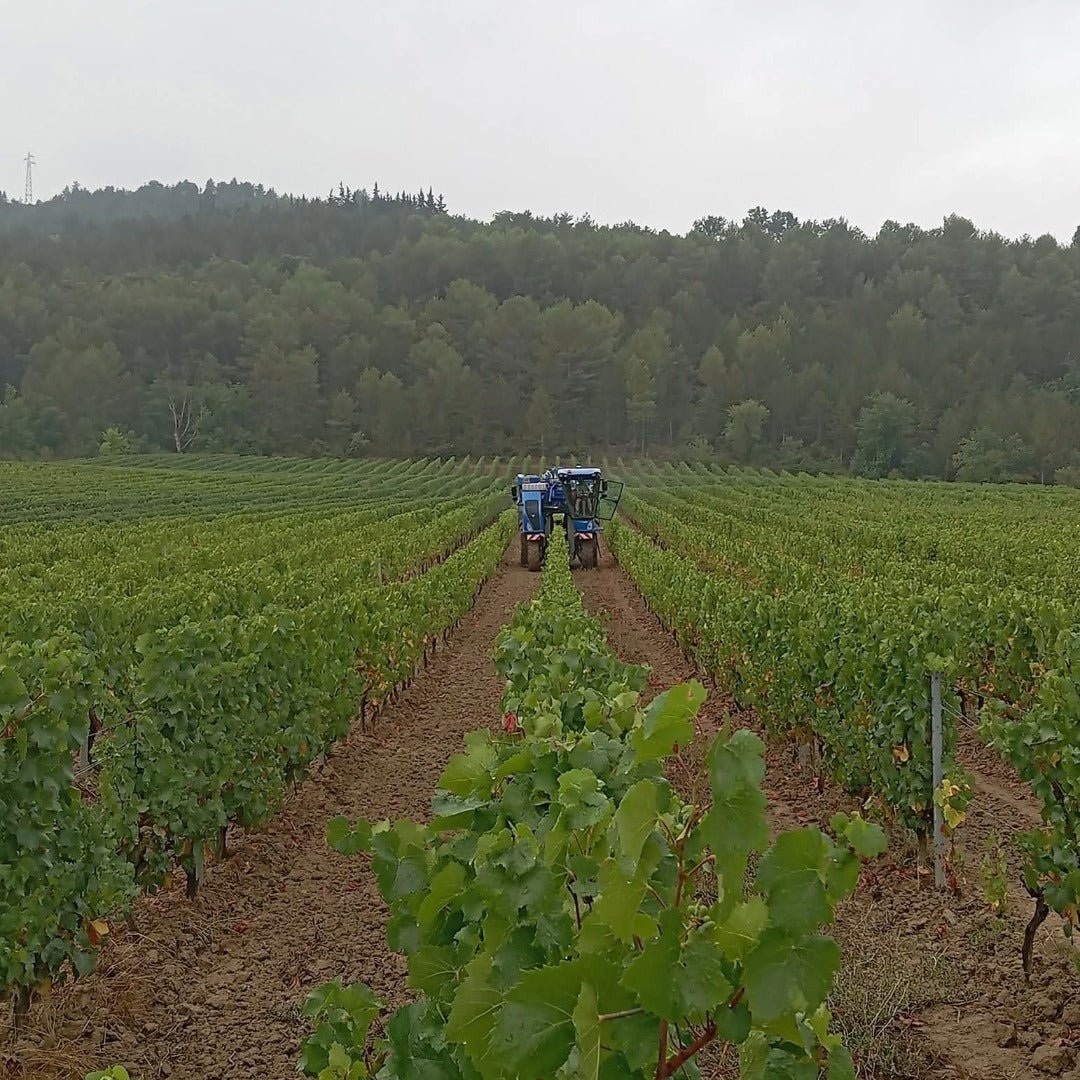
Pinot Noir grown in Coulanges la Vineuse
Pinot Noir is notoriously finicky to grow. The vine buds early, putting it is at risk of frost and is susceptible to “coulure” which is where the grape clusters fail to develop after flowering due to a carbohydrate deficiency. The vine prefers temperate climates and grows best on chalky clay soils. It does not do well in heat. The grapes have thin skins and can ripen too quickly, (the sugar levels hit ripeness before the pips and stalks are ripe leading to astringent flavours, the acidity will also start to drop off leading to flabby wines). The thin skins are susceptible to sun burn, quickly leading to baked, jammy flavours and a drop in freshness. These thin skins are also prone to diseases such as mildew and rots which need treatments or a lot of vineyard work to mitigate. Other problems include viruses such as fanleaf, leafroll, and leafhopper insects which feed on the sap. A lot of hard work, but the results pay off and well looked after Pinot Noir can be enchanting!
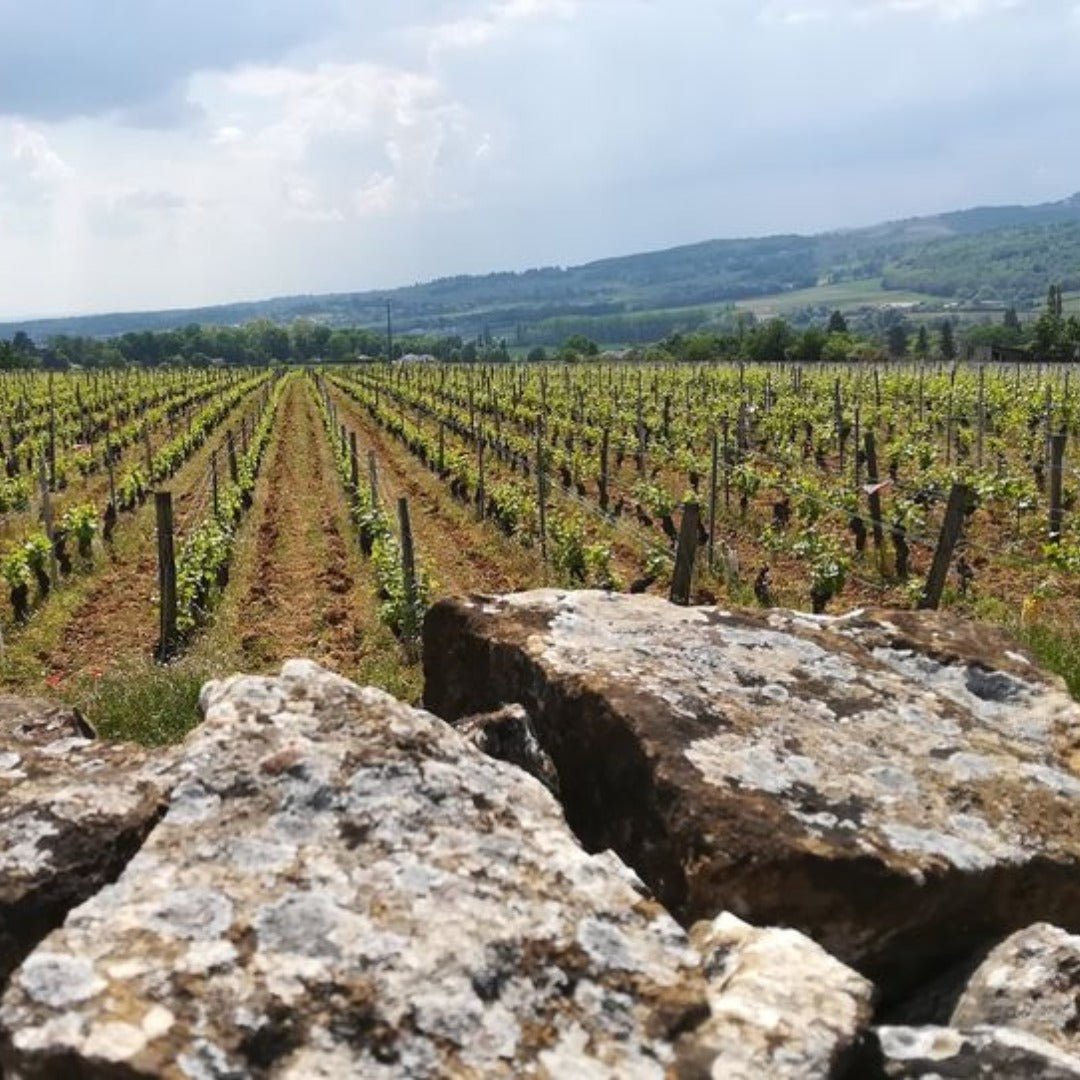
Pinot Noir in the fabled vineyards of Vosne-Romanee
Traditionally, the focus of Bourgogne has been more on soil and climate than on the qualities of the grape variety itself, a trend which has been imitated in the New World wine regions such as in New Zealand, Australia & Chile. The natural characteristics of the grape itself provide a wine with moderate to high acidity, low to moderate tannins and a pale colour in comparison to other varieties. The fruit characteristics are usually in the realm of cherries, (red and black depending on climate), strawberries and raspberries. Pinot can often show a savoury element too, with leafy, mushroom-y characters that can develop with age, along with leather/bookcase notes.

The famous 13th century Hospices De Beaune
If you would like to get a better understanding of the hollowed terroir of Bourgogne or other classic regions of France and Italy, the LCBO, Liquor Control Board of Ontario, produced a very good “discover wine” series you can find for free on YouTube.
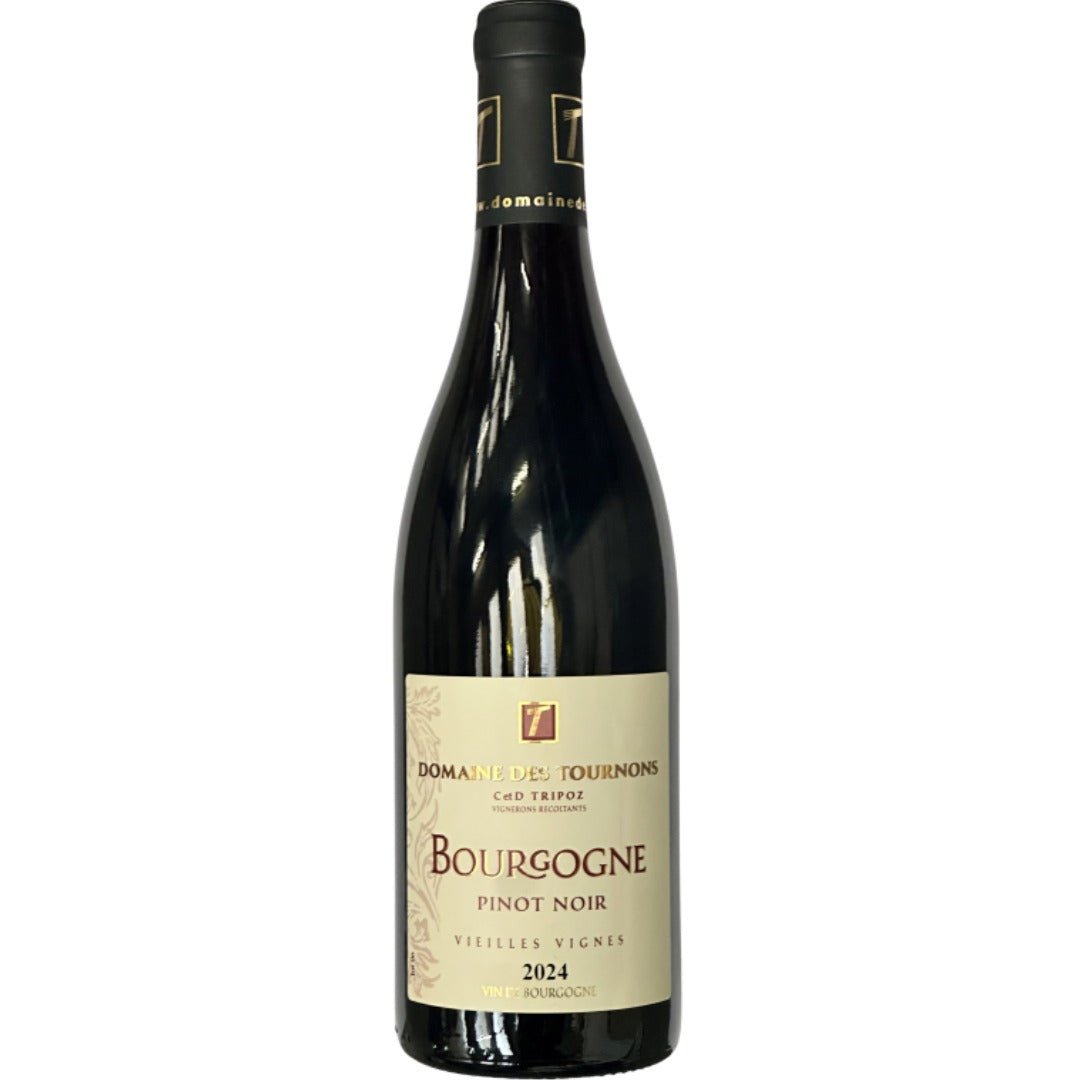
Domaine Des Tournons Tripoz Bourgogne Pinot Noir
Pinot Noir is grown in many areas of France but it would be an absolute shame not to show off a wine from Bourgogne, unfortunately this is a very expensive region. The land costs alone are some of the highest in the world! These days, even the “village level” wines of the Cote d’Or are in such high demand that the prices are too high for the average person to enjoy with any regularity. Today I would like to draw your attention to this, a more humble wine, a regional “Bourgogne Rouge.” These regional wines can again, be quite expensive for what you find in the bottle but sometimes, you can find some real gems. Gems such as this wine, or the great value wines from Domaine Rochebin, I have chosen this Domaine Des Tournons as it is a relatively new wine for us.
Situated in the picturesque village of Charnay-lès-Mâcon at the southern end of the Mâcon appellation, in the Southern end of Bourgogne itself. Domaine Des Tournons have 13 hectares of vines, mainly planted to Chardonnay as is typical in the area, with smaller plantings of Pinot Noir. The vines are farmed following organic principles, with the vines being classed as “vieilles vignes,” old vines. The youngest vines are 30 years old with the oldest plants being over 70 years old. These older vines have a reduce yield, with more concentration in their fruit. Aging is 9 months French oak barrels.
I was quite surprised by the concentration of this wine when we first tried it, it punches above its price point and I would even describe it as “good value,” something I didn’t believe was even possible for a Bourgogne!
As with any good Bourgogne, this wine rewards patience. The flavours are nuanced and evolve steadily with an initial fruitiness developing into spice, fennel and leather as the wine breathes. This earthier style of Pinot Noir cries out for traditional foods. Mushroom dishes are an absolute winner with this style of wine, as are the more funky pungent flavours of rind washed, squishy French cheese. The subtle power of the Pinot Noirs of Bourgogne can stand up to heartier red meat dishes too, so long as you choose a lighter cut such as a fillet steak, but be warned, it is east to lose this style of wine behind a heavy sauce.
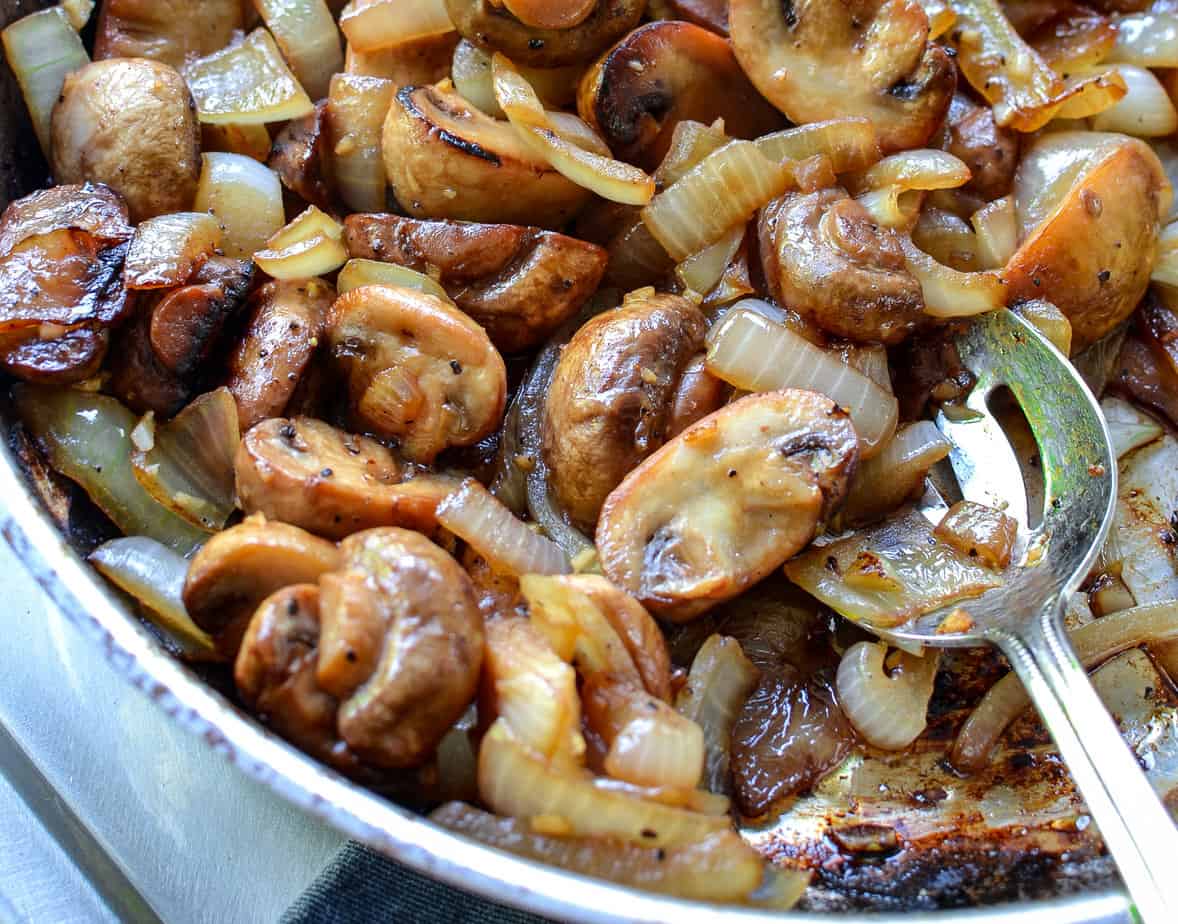
Sautéed mushrooms, earthy food with an earthy styled wine
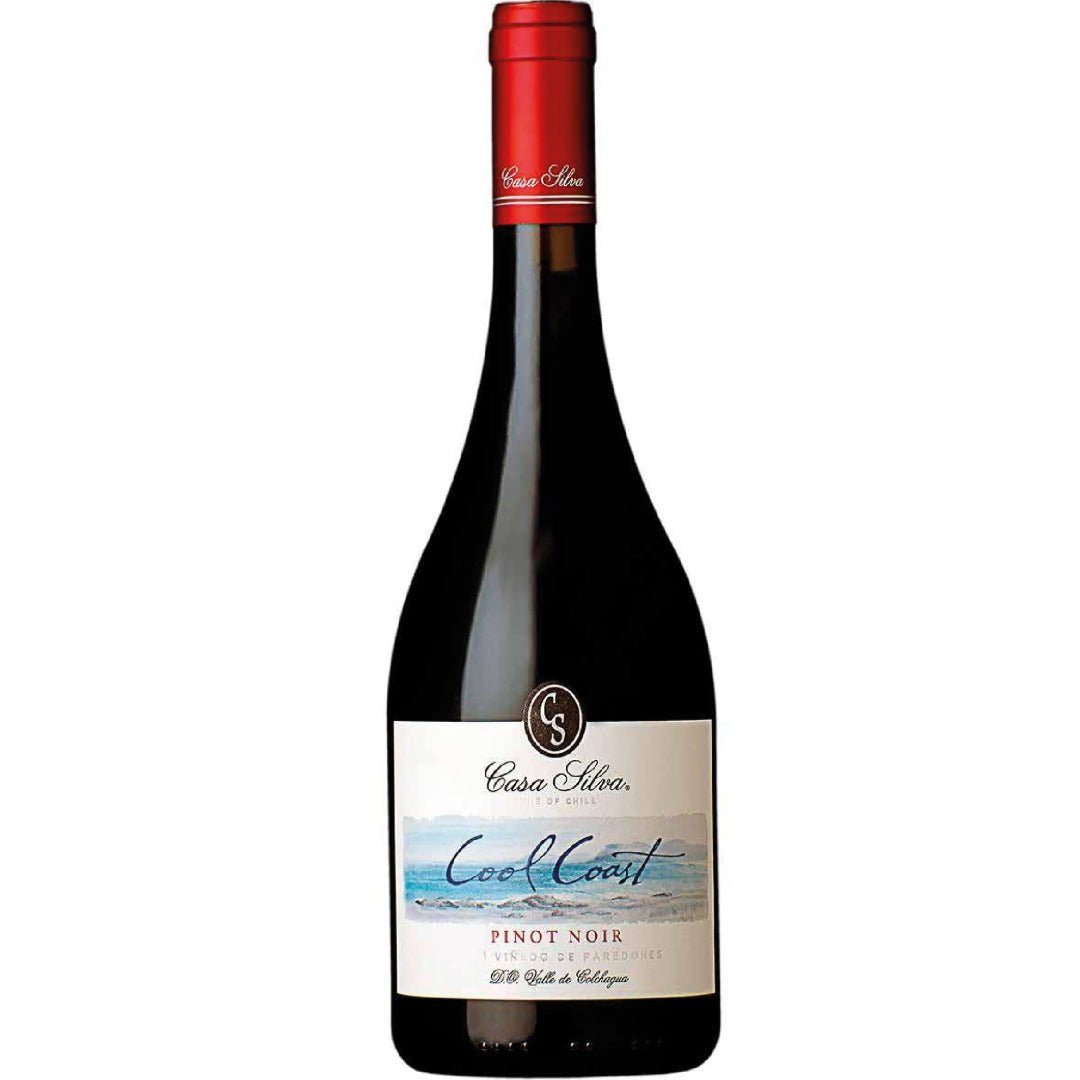
Casa Silva Cool Coast Pinot Noir
For a new world example of Pinot Noir, I have chosen a wine from Chilean producer, Casa Silva. This is a wine we served by the glass on one of our previous menus where it went down a storm. Bourgogne is a very marginal climate for Pinot, a climate where the grapes can be slowly coaxed to full flavour ripeness whilst maintaining their balance. Most New World wine regions, even in the highly regarded Pinot sites of California, are on the warmer side of what Pinot Noir enjoys. The best new world Pinots are all planted in areas with moderating factors such altitude in places like Australia’s Yarra Valley, extreme Southern latitudes in places such as New Zealand’s Central Otago or Argentina/Chile’s Patagonian sites. Another key moderating influence is the cooling effects provided by the Oceans. Fantastic Pinot Noirs are grown in coastal sites all around the world, Mornington Peninsular in Australia, Hemel-en-Aarde in South Africa, Carneros and Santa Barbara in California and also here on the coast of Chile’s Colchagua Valley.
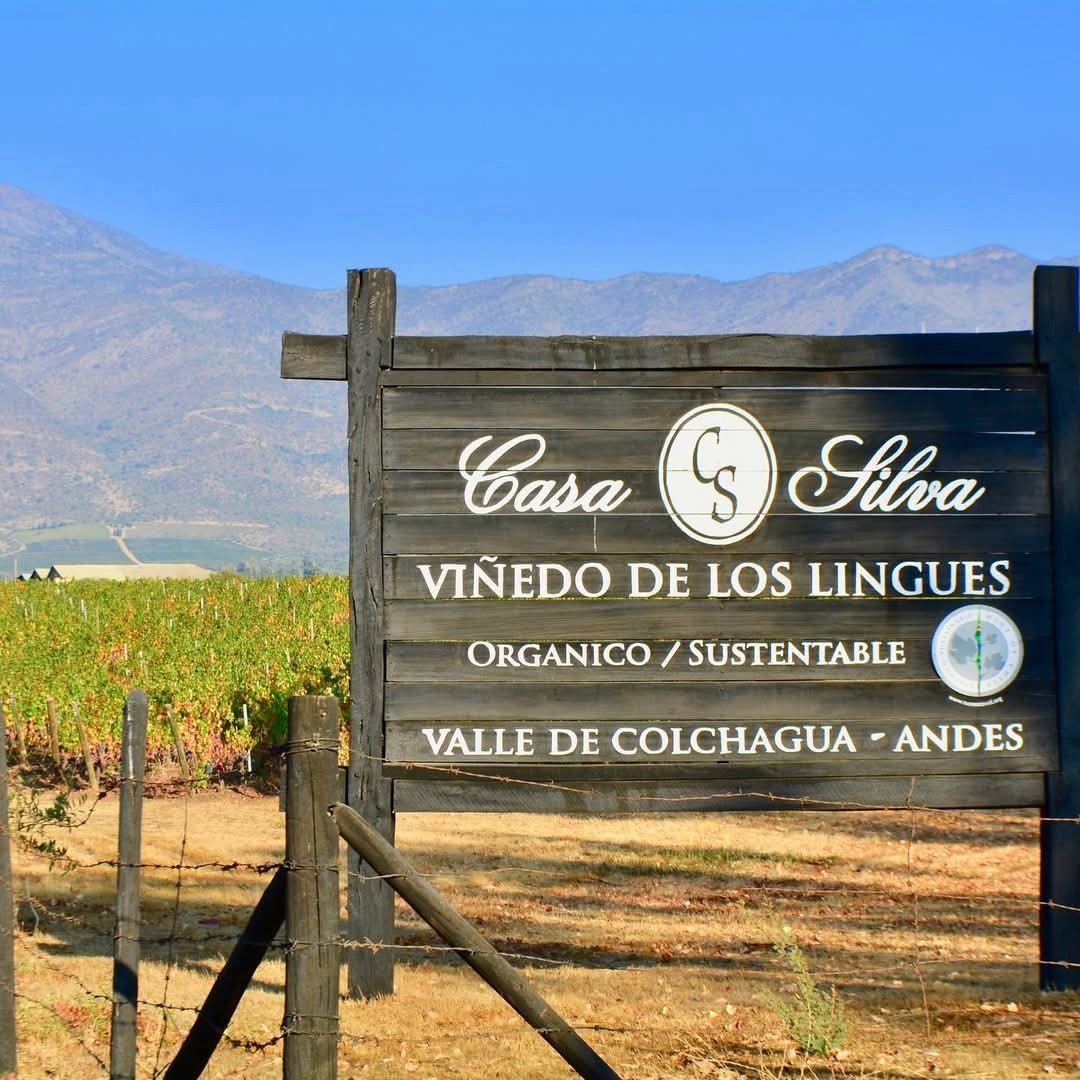
Casa Silva is Chile’s most awarded winery. They own vineyards in all three of Chiles West-East wine zones, Coastal, Central Valley and High Andes. This “Cool Coast” Pinot is from the companies Paradones vineyard, a short 6km from the Pacific Ocean. Here, these vineyards experience similar climatic effects to those of Carneros and Santa Barbara but the wines are a fraction of the cost. Morning sea fogs roll in, blanketing the vineyards and protecting the grapes from the sun, these fogs burn off in the afternoon, exposing the grapes to the extreme sunshine that Chile is famed for. These limited sunshine hours help to lengthen the hang time the grapes are allowed, leading to fully developed ripe grapes which are still in perfect balance.
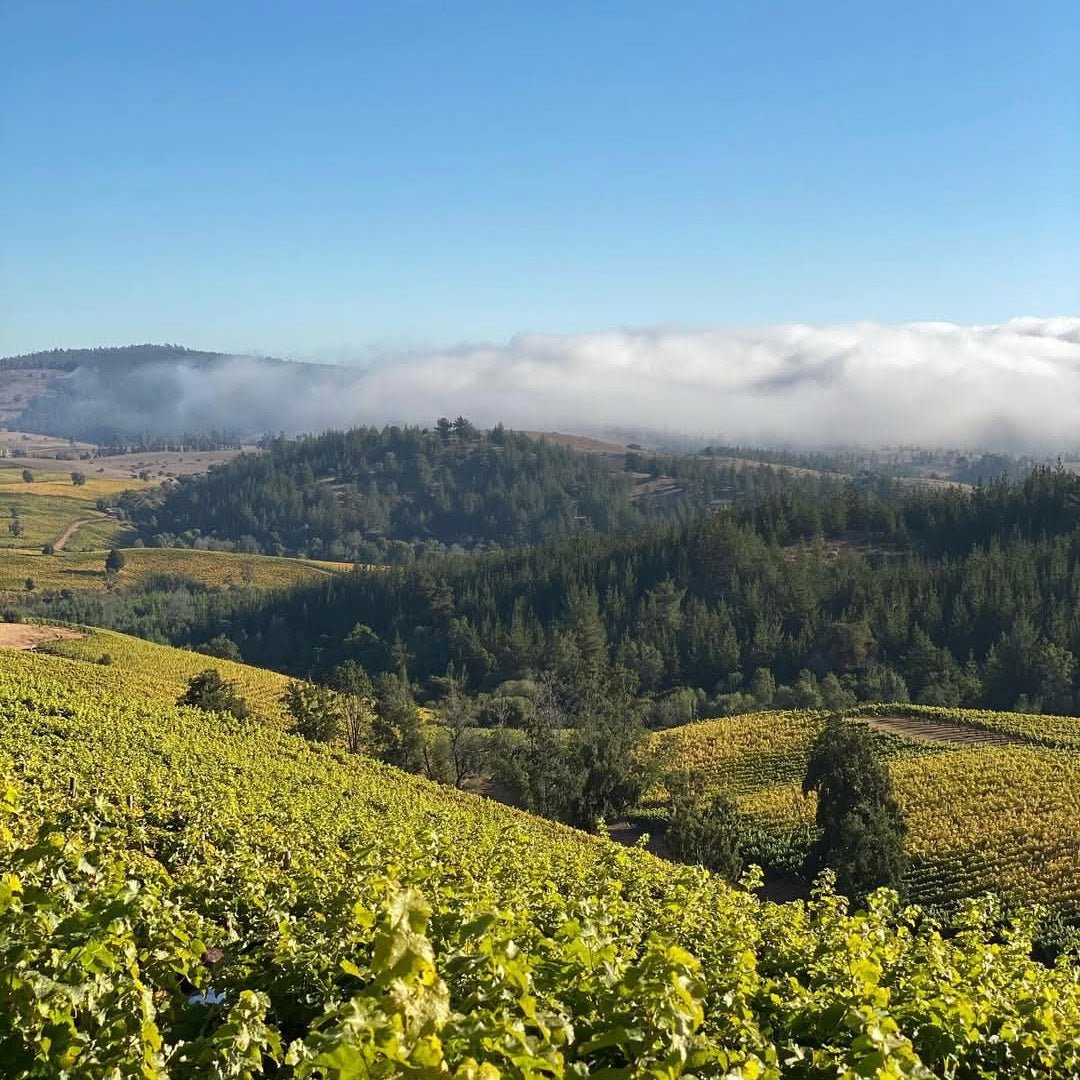
Casa Silva's Paradones Vineyard, note morning sea fog rolling in
In the winery, Casa Silva has taken a very Burgundian inspired approach. Grapes are chilled in a cold room to 3°C. Grape clusters and berries are manually selected both prior to, and post destemming. Tanks are filled by gravity, without the use of must pumps. Pre-ferment maceration takes place at 5 - 7 °C for 12 days, after which a careful alcoholic fermentation is undertook at 21 – 24 °C for another 15 days. “Punch downs” of the fermentation cap (of grape skins) are done daily, in order to break as few berries as possible and as such promote intracellular fermentation. 70% in 3rd fill oak barrels, 30% stainless steel tanks, 6 to 8 months in barrels and stainless steel tanks, 6 months in bottle prior to market release.
The end result is a wine that is juicier than the Bourgogne and with a very slight nod to the earthiness present in our pervious wine. The fruits are vibrant strawberries and raspberries but it is the texture of the wine that grabs me here. It has a fleshy feeling to it, almost as if you have bitten into a grape. This fruitier style of pinot noir lends itself nicely to duck, particularly with an Asian style flare to it.
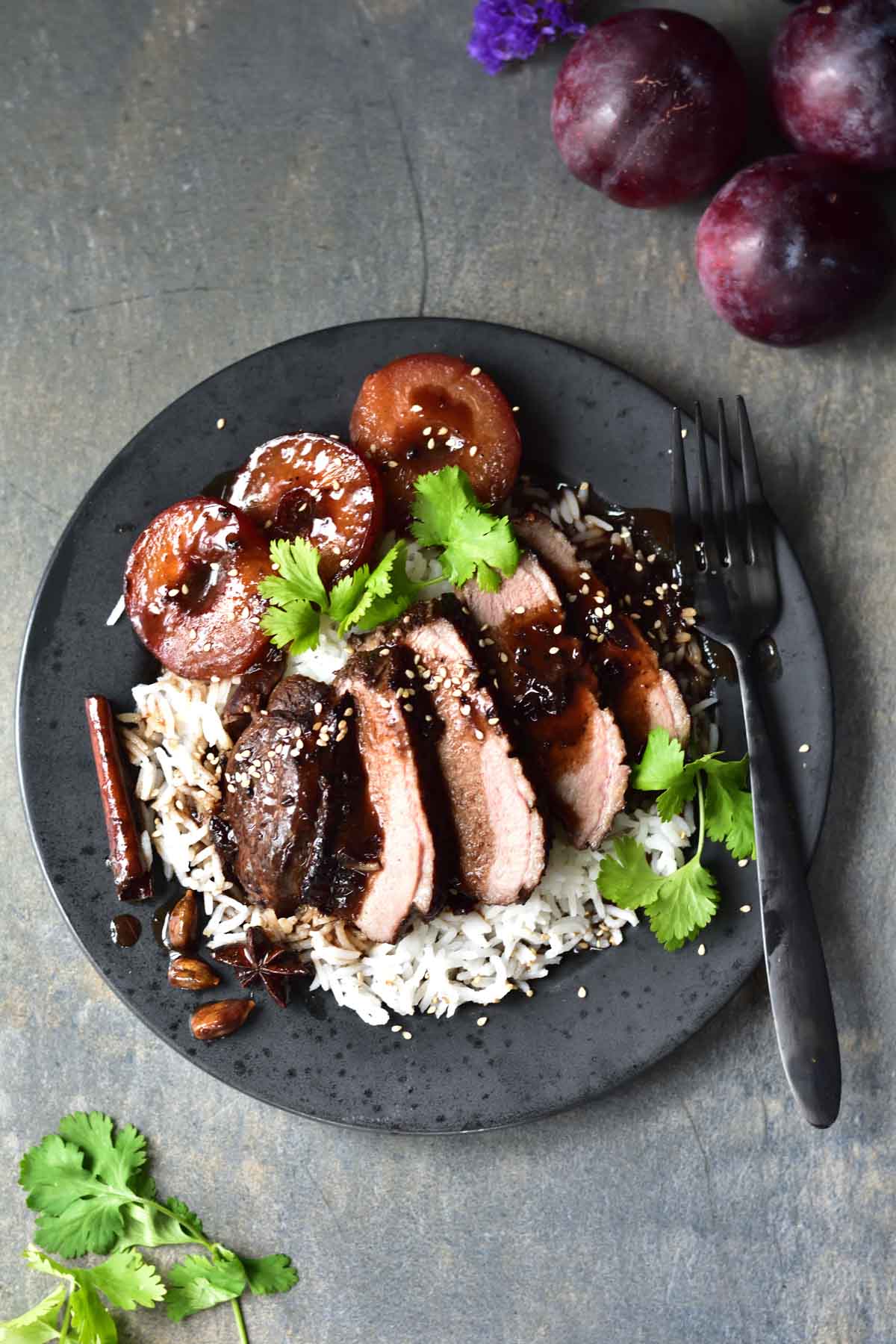
Duck in plum sauce. Perfect for new world pinot!
Cabernet Franc
Now we’re talking! Cabernet Franc is one of my top grape varieties and I am happy to say, this previously maligned grape is now having a delicious renaissance. Cabernet Franc is one of the key red wine grapes of the Loire valley and is the 3rd most planted variety in Bordeaux, after the better-known Merlot and Cabernet Sauvignon. Cabernet Franc is known for being more delicate and aromatic than the other two top Bordeaux varietals, bringing a savoury, herbal tone to a Bordeaux blend.
Whilst the grapes home is likely the Libournais in Bordeaux, it is very rare to see a Bordeaux wine with a majority of Cab Franc in the blend. Instead, Cabernet Franc has found its spiritual home in the cooler vineyards, further North on some of the inland stretches of the Loire Valley. Cabernet Franc has some distinct advantages in more marginal climates such as the Loire Valley.
The grape is known as an early ripening variety, in comparison to its Bordeaux partners Merlot and Cab Sauv. This means fruit can be harvested earlier in the growing season, reducing the risk of the harvest being destroyed due to inclement weather later on in the season. In Bordeaux, Cab Franc was grown mainly as an insurance grape so that vignerons would always have some fruit if the earlier budding and later ripening Cab Sauv or Merlot crops failed. In the cooler Loire where it is a lot harder to ripen red grapes, this means that vignerons can get a perfectly ripe wine!
Cab Franc itself is known for its moderation. The tannins are moderate, the acidity is medium. In cooler climates the wines are bright with savoury notes of bell peppers, graphite and red liquorice. Strawberries and herb notes can sometimes be found and even a slight balsamic tang. In warmer climates, the herbs and the liquorice will be more expressive, a dark spiciness can develop too and the bell pepper notes can come across more like paprika. The acidity in warmer climates will also be softer, making the wine feel more velvety in the mouth.

Grown around the world and rising in fame, it is high time people drank more Cab Franc! Cab Franc’s can appeal to any red wine fan. Looking for a bright juicy style of wine? Look for cooler climate regions, the Loire, Switzerland, Great Southern/Albany in Western Australia, Finger Lakes in New York State. Looking for a punchier style? Bordeaux blends from Saint Emilion will generally contain some Cabby F or, single varietal wise, Stellenbosch in South Africa and Mendoza in Argentina are both producing some mind blowingly good examples.
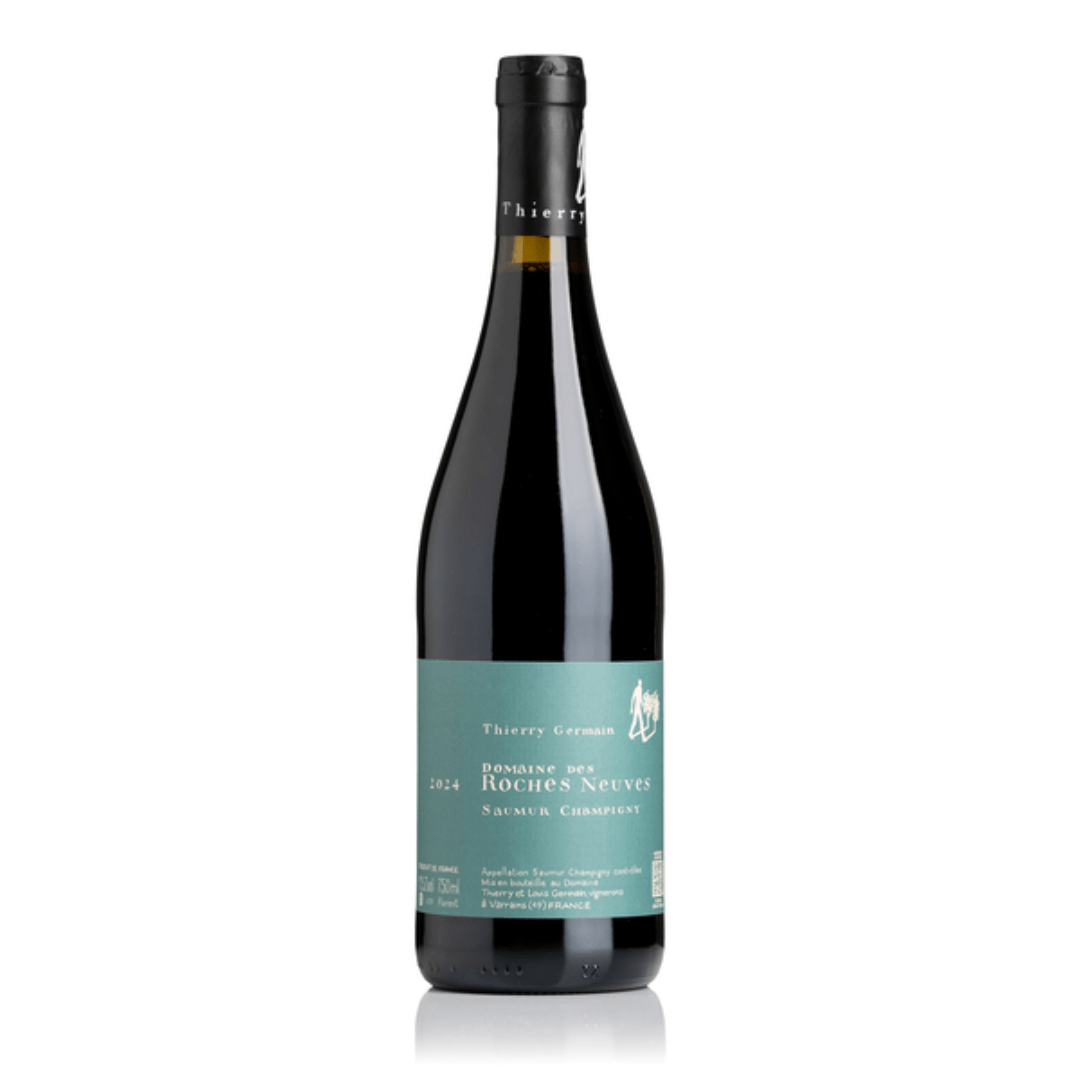
Domaine Des Roches Neuves Saumur Champigny
For our traditional French style, we head out to the Loire Valley commune of Saumur Champigny. This is a red wine appellation in a sea of white wine production. The majority of the crop is Cab Franc with a small amount Cab Sauv and Pineau d’Aunis also grown.
The key feature to the success of Saumur as a wine region is a low plateau of tuffeau, (a yellowish metamorphic rock, distinctive of the central Loire region), which rises up at the eastern edge of the town of Saumur and continues almost uninterrupted for seven miles to the village of Candes Saint-Martin, just east of Montsoreau. This sandy tuffeau is porous and helps to naturally regulate the water supply in the area. The rock absorbs excess water during wet seasons, retaining it for use during drier periods. Vines planted on tuffeau benefit from the free draining soil, adding concentration to the berries, but they also do not suffer from water stress.
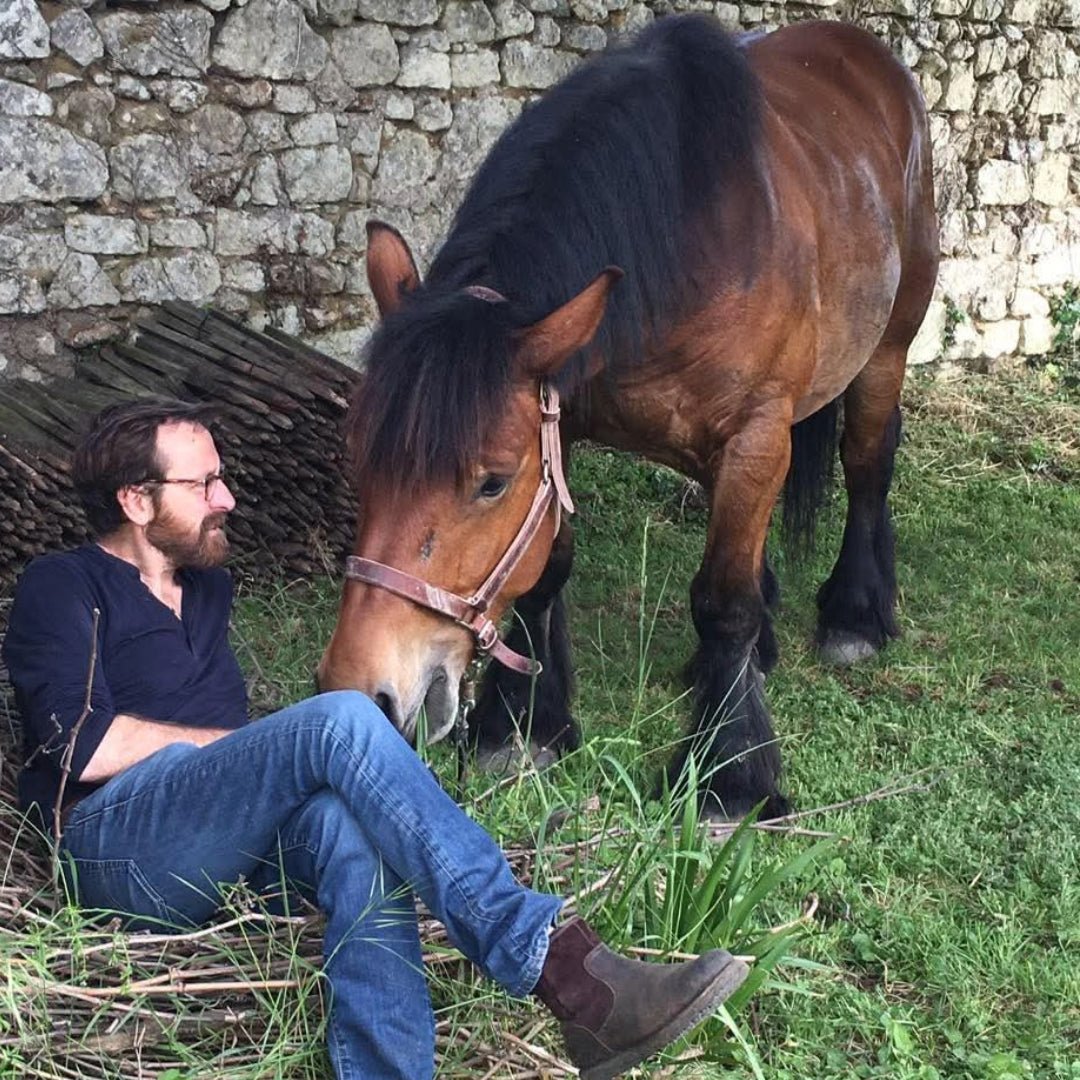
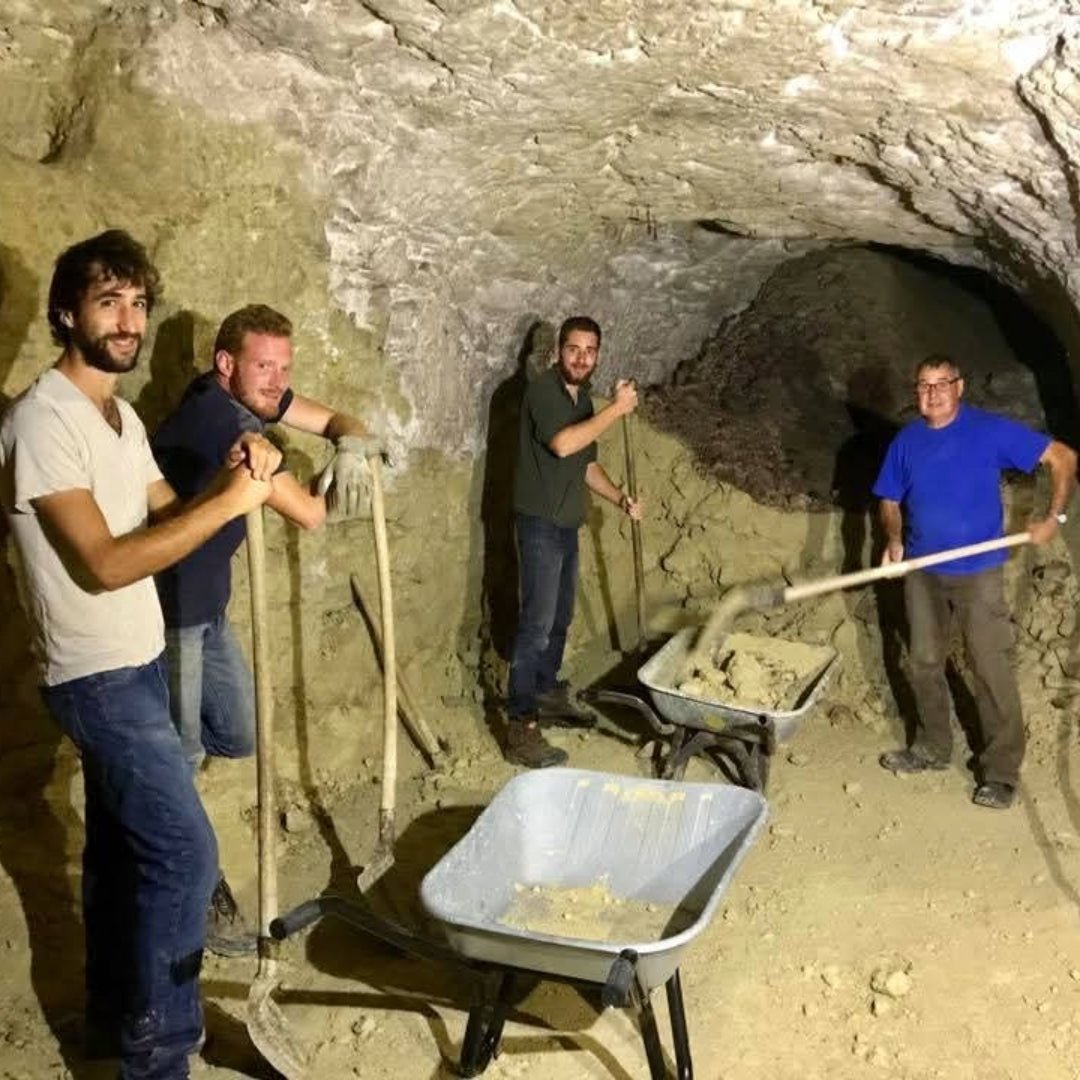
The Loire valley is a hotbed of organic and biodynamic viticulture. In areas such as Saumur, this is easier to practice than in other appellations because of the benefits brought by the tuffeau. Biodynamics entails a holistic, ecological approach to grape-growing, treating the vineyard as a single, self-sustaining living ecosystem. Biodynamics completely avoids synthetic chemicals and goes beyond traditional organic farming by utilizing natural preparations, promoting biodiversity, and timing vineyard tasks such as pruning and harvesting, to lunar and cosmic cycles. One such example is the use of sprays containing a garlic solution, this is sprayed over the vines as a repellent to insects who would otherwise munch on the leaves. Thiery Germain of Domaine Des Roches Neuves is a practitioner of biodynamics.
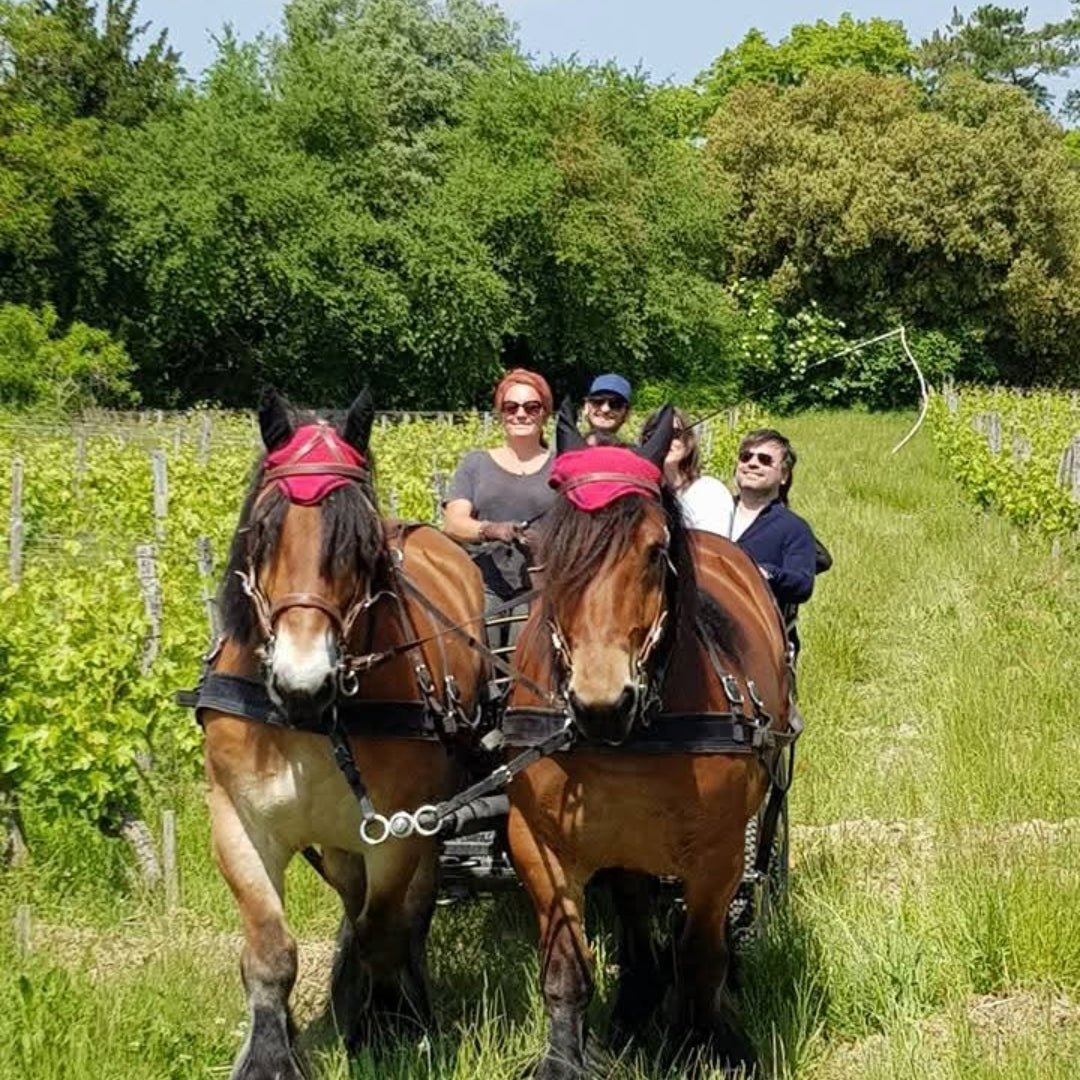
Due to the minimal intervention, some biodynamic wines can be, as I would describe them, feral, with odd aromas caused by a yeast called Brettanomyces, giving an aroma commonly found in scrumpy cider. The acidity can be unbalanced and sometimes volatile. Thiery’s wines are not like this. They are clean and vibrant.
This delicious Cabby F has lively aromas of irises, violets and red fruits, a balanced and ripe palate, harmonious and full textured with a smoky finish and subtle tannins. A cool and delicious “natural” red, the type of wine you can drink by the bucket load.
The Loire Valley was once the playground of the French aristocracy, so for food pairings, if you can get your hands on some wild boar, make it so! Since we ate all the boar in this country centuries ago, instead head to your local butcher and get some good quality swine. This fresh Cabernet Franc is ideal for chilling and chinning with fresh chops cooked over coals! For the vegetarian, the savoury elements of a Loire Cab Franc makes this ideal for pairing with ratatouille.
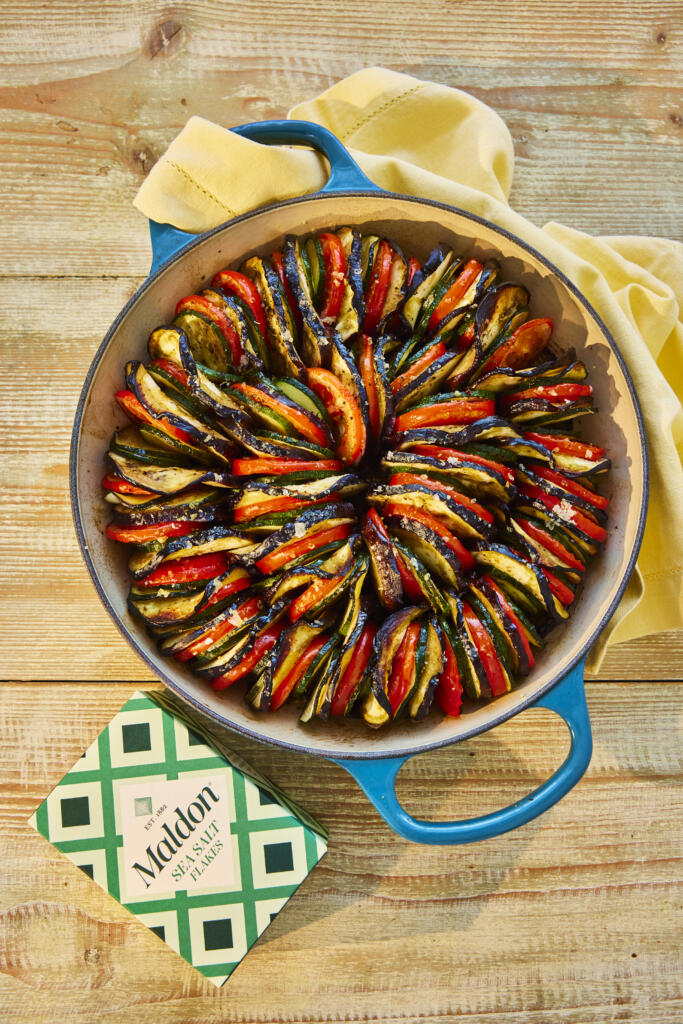
Cabernet Franc is perfect for veggie dishes such as Ratatouille
Benegas Estate Cabernet Franc
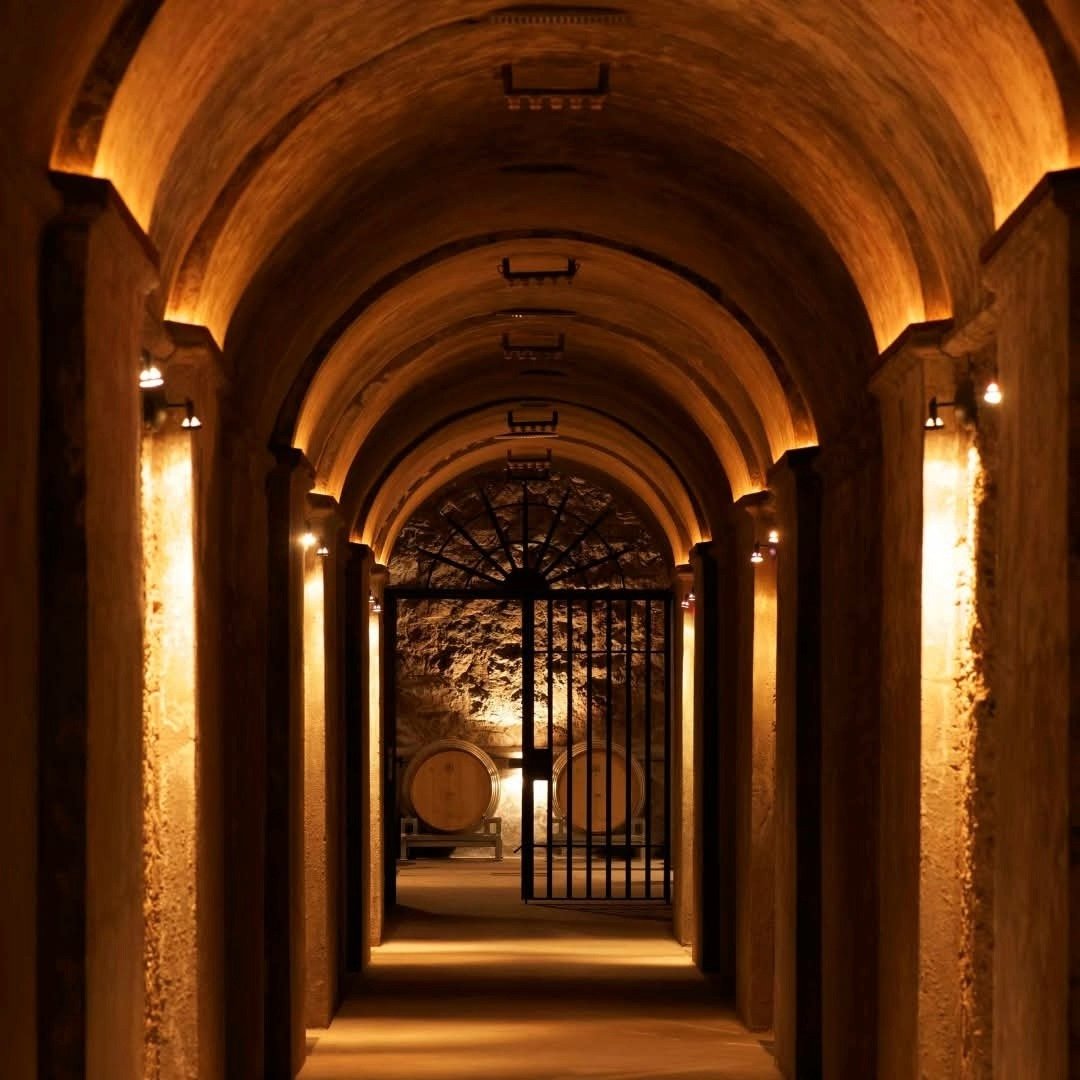
Outside of France, I have found that Argentina is making my favourite expressions of single varietal Cabernet Franc, these are generally very different to the Loire style but equally worth seeking out. I would go as far as to say that Cabernet Franc is currently the most exciting grape variety coming out of Argentina at the moment! Bodegas Benegas were the first winery to plant Cabernet Franc in Argentina back in 1888, it would be rude not to focus on one of their expressions.
Mendoza is one of the highest altitude wine regions in the world, reaching up to 1500m above sea level. This creates the all-important diurnal swing in temperatures, drawing out the growing season that allows grapes to reach their full phenolic ripeness while retaining their all-important acidity to keep the wines balanced. The Andean peaks, running up the Eastern edge of Mendoza create a rain shadow. With almost zero cloud cover, the grapes can absorb all the suns energy.
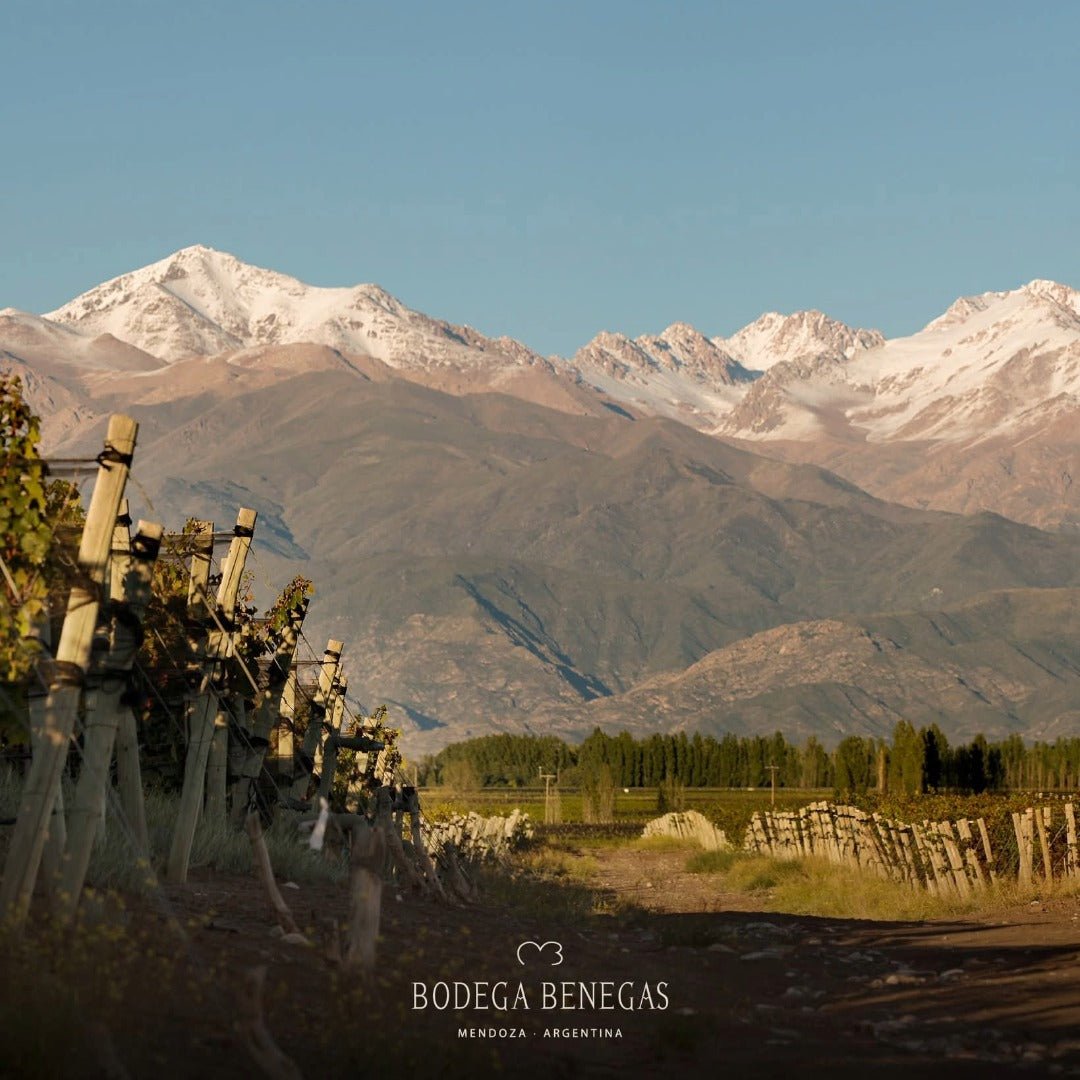
Mendoza is an arid semi desert landscape so vineyard pests such as insects and fungus are not an issue. Because of the mountains, water is not a problem either in this arid region. A historical practice, which some farms still use, is to flood their land every spring with the melt water that cascades down from the Andes. The more common and environmentally sound method, practiced by Bodegas Benegas, is to capture this melt water in reservoirs and to use drip irrigation only when needed.
Cabernet Franc does incredibly well in Mendoza, perfect ripeness is easy to achieve and the grapes classic characteristics shine through. Ripe red fruits, bell peppers, a touch of graphite, and silky tannins. Mendoza’s Cabernet Francs are also much more reliable from vintage to vintage than its counterparts in the Loire, which can vary massively. Plantings in Mendoza are increasing rapidly, this can only be a good thing.
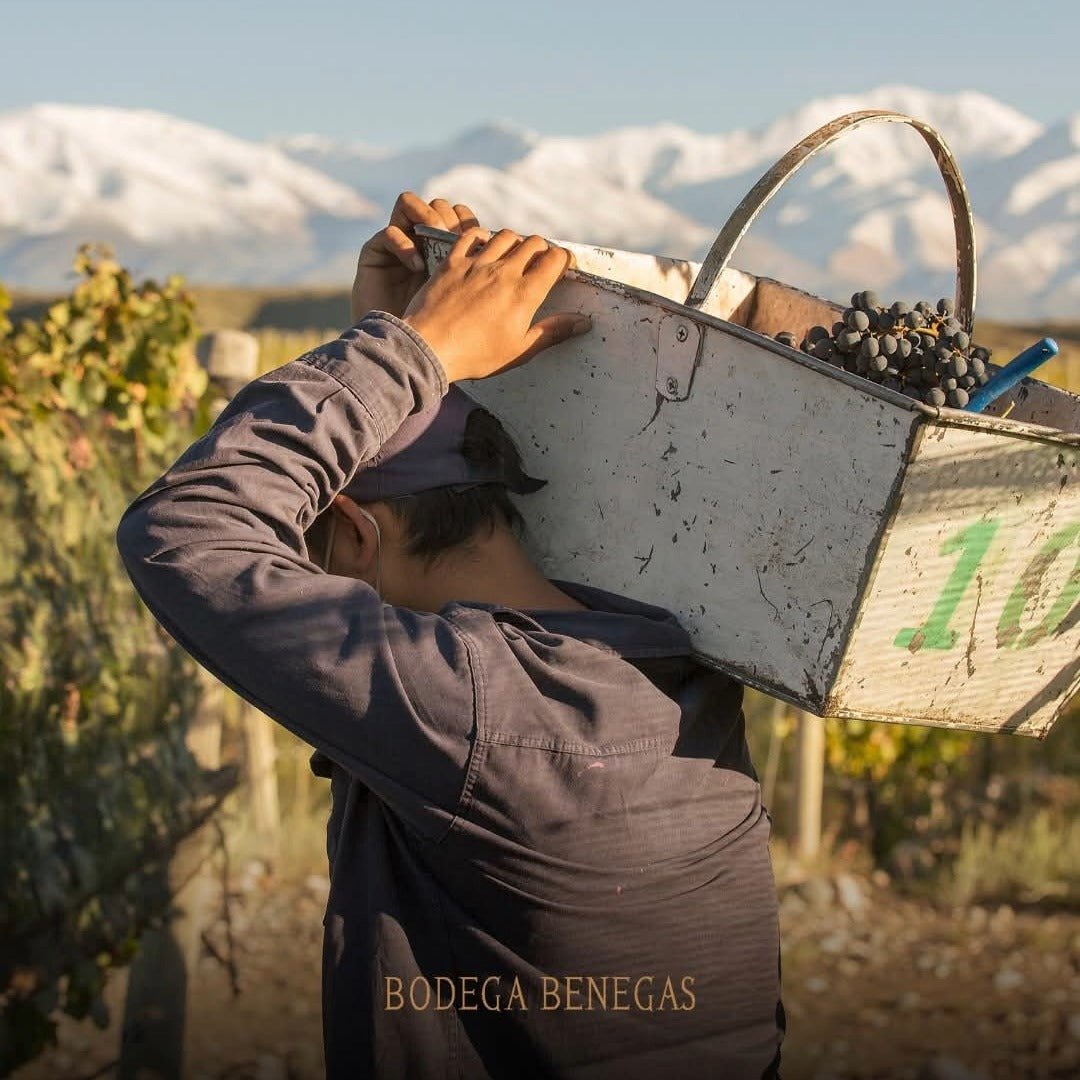
The wine in this bottle is from younger Cabernet Franc vines which are descended from the ancient vineyards planted by Tiburcio Benegas in 1888, in the Finca Libertad vineyard at 850m altitude on Mendoza's Upper River Bank. These youthful vines provide deliciously vibrant fruit. The grapes were cold soaked and then fermented in stainless steel tanks with native yeasts. Macerated on the skins for 2 weeks post fermentation, the wine was then racked and underwent malolactic fermentation before 6 months aging in French oak barrels.
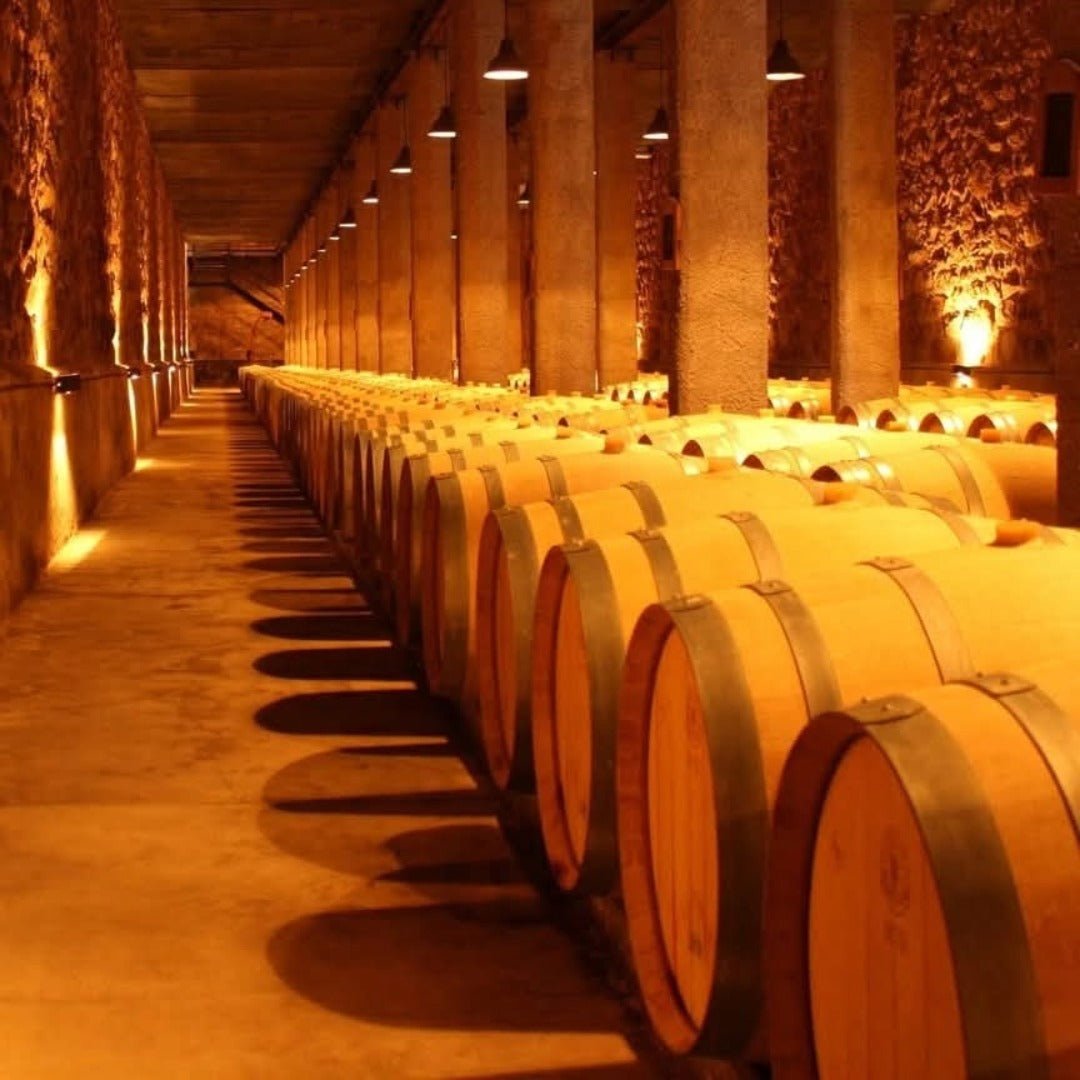
Herbaceous to begin with on the nose, fresh and complex aromas of red fruits such as currants, raspberries and plums. Elegant freshness on the initial palate with a meatiness in the mid palate. The tannins are ripe, rounded and pure velvet in the mouth. This broader shouldered style of Cab Franc matches perfectly with richer foods such as moussaka and lamb shoulder.
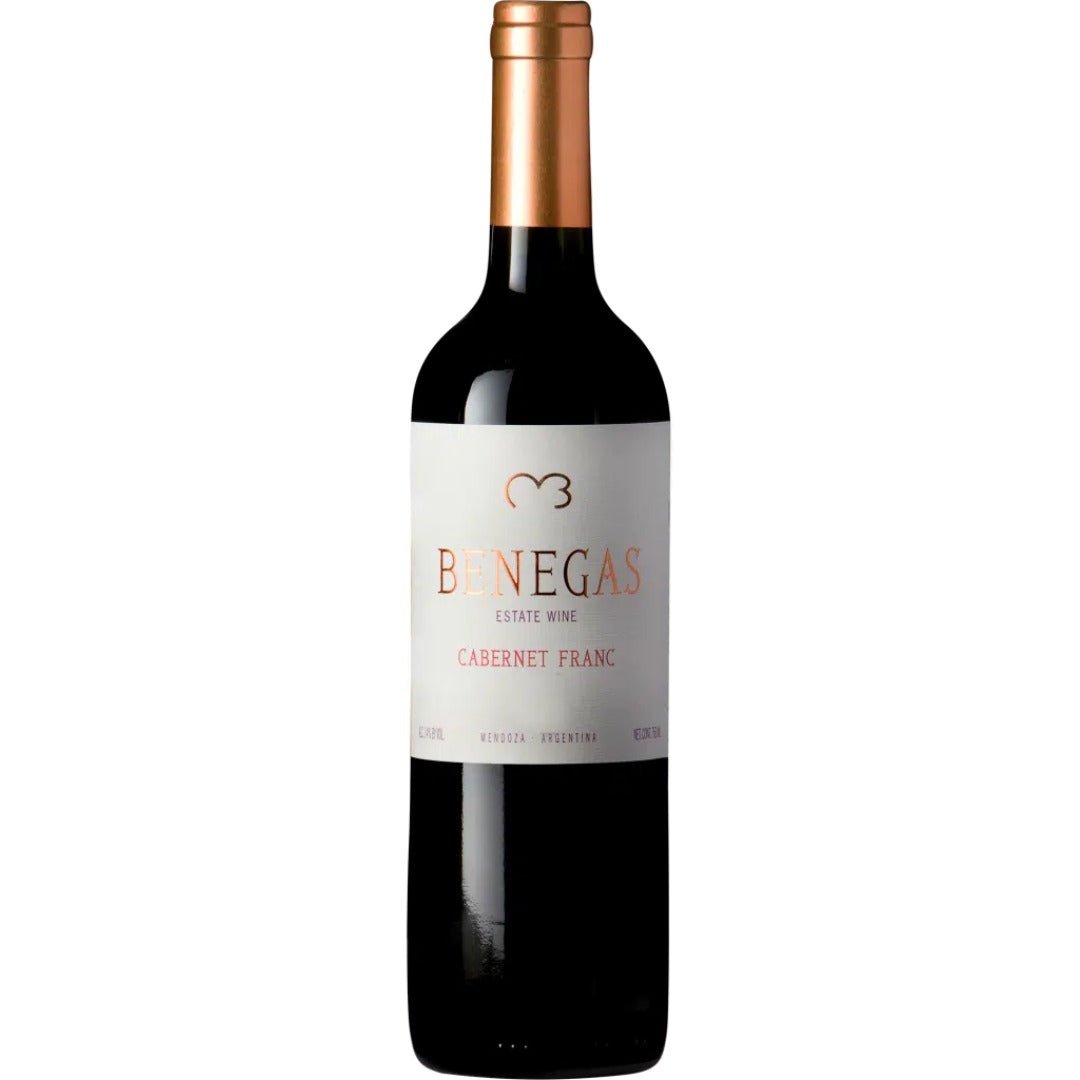
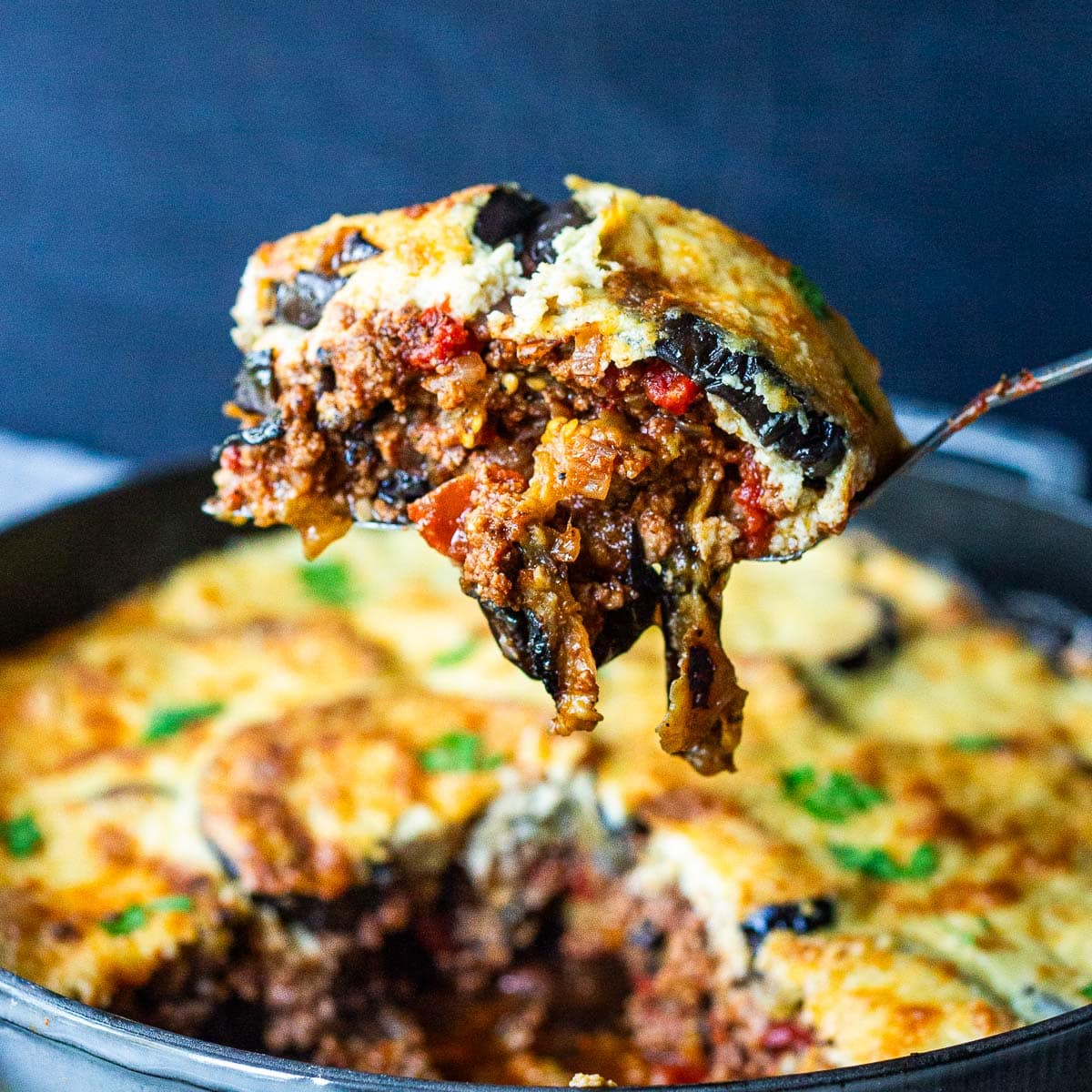
The aubergine element of moussaka pairs perfectly with the savoury profile of Cabernet Franc
Merlot
Merlot has strong ties to Bordeaux. It is the most heavily planted grape in the region, responsible for two thirds of the areas production. Not all of this wine is great stuff, Bordeaux produces more wine than most countries, with red Bordeaux being produced in every price-point some duds are bound to sneak through! Bordeaux does however produce some frankly amazing wines with Merlot. The most famous communes are Pomerol and Saint-Emilion. However, there are some brilliant and more affordable wines produced in every quality and price bracket which can prove exceptionally good value. Have a look for areas such as Fronsac and the Cotes De Bordeaux, (including Blaye, Bourg, and Castillon), or Bordeaux Superieur.
Merlot is an offspring of our previous grape, Cabernet Franc along with an obscure variety called Magdeleine. The grape gets its name from the French, “merle,” meaning “little blackbird.” It got this name because it was the grape that blackbirds targeted for their sweet, early ripening berries. The early ripening element has historically always been of great importance in Bordeaux. Here, the climate has always been marginal, with thick skinned grapes such as Merlot being at the cusp of where they will reliably ripen.

In it’s homeland of Bordeaux, Merlot is often blended with other varietals. In this Bordeaux blend, it provides a plumpness and a velvety texture to the more austere Cabernet Sauvignon. The flavours of Merlot can range from cherry to plum, with the wines being medium to full bodied in style. Occasionally in the New World, some are bottled with a bit of residual sugar. This slightly sweeter style is often practiced for budget wines in places like the US. No wonder Miles in the movie Sideways proclaimed, "If anyone orders Merlot, I'm leaving. I am NOT drinking any f*****g Merlot!"
The “Sideways” effect is a real phenomenon. The movie came out just after vineyards in California and Australia had heavily invested in planting more Merlot vines. This one movie caused a reported 2 – 70% drop in sales depending on which vineyard you ask! The kicker is, Miles’ favourite wine in the movie is his prized 1961 Cheval Blanc, a Merlot dominant blend from Saint-Emilion.
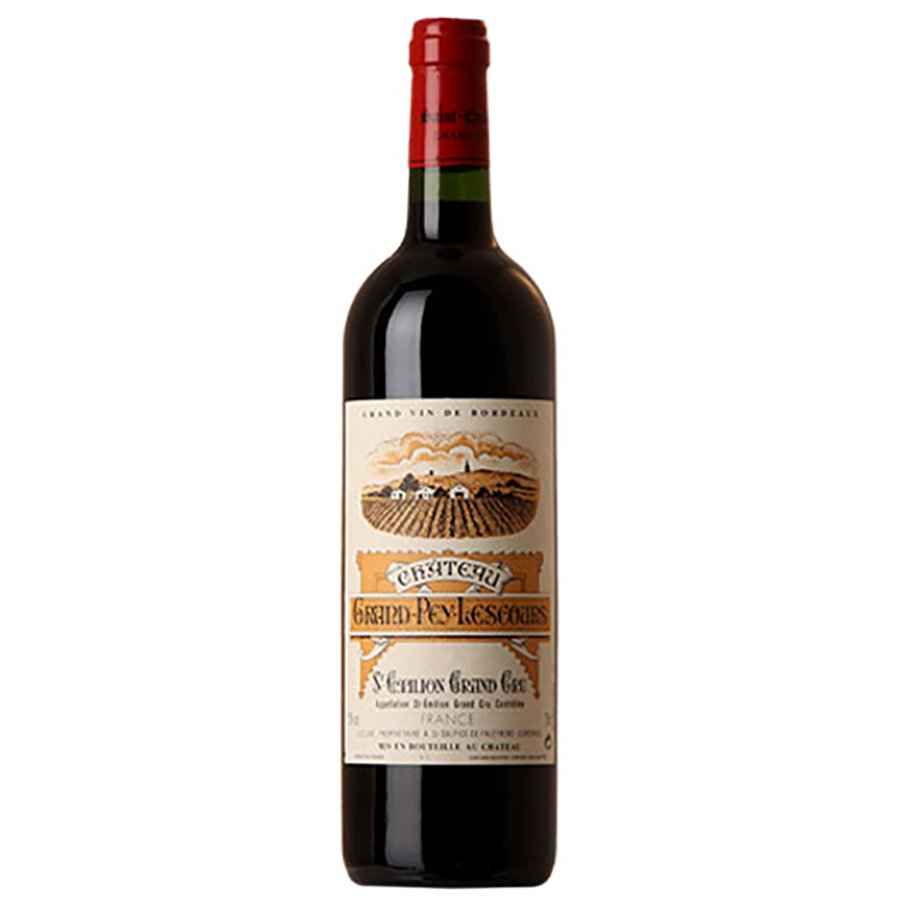
Chateau Grand-Pey-Lescours St Emilion Grand Cru
Cheval Blanc costs almost £600 per bottle for a 2022 vintage wine, this 2016 Chateau Grand-Pey-Lescours is much more affordable!
The best limestone-based vineyards surrounding the town of Saint-Emilion produce top tier, world class Merlots with a concentration that Bordeaux wise, is only really achieved here or on the Limestone plateau of Pomerol. Here the wines reach a level of plumpness that leaves a broad smile across your face. The limestone bedrock is relatively soft here, the vine roots can dig deep into the earth to hit the water table, so the grapes do not go into hydric stress. This is increasingly important with global warming as Merlot is a thirsty vine! With global warming however, alcohol levels are climbing, 14.5-15% ABV is now the norm not just the show of a great vintage, I saw some Saint-Emilion labelled 15.5% ABV recently!
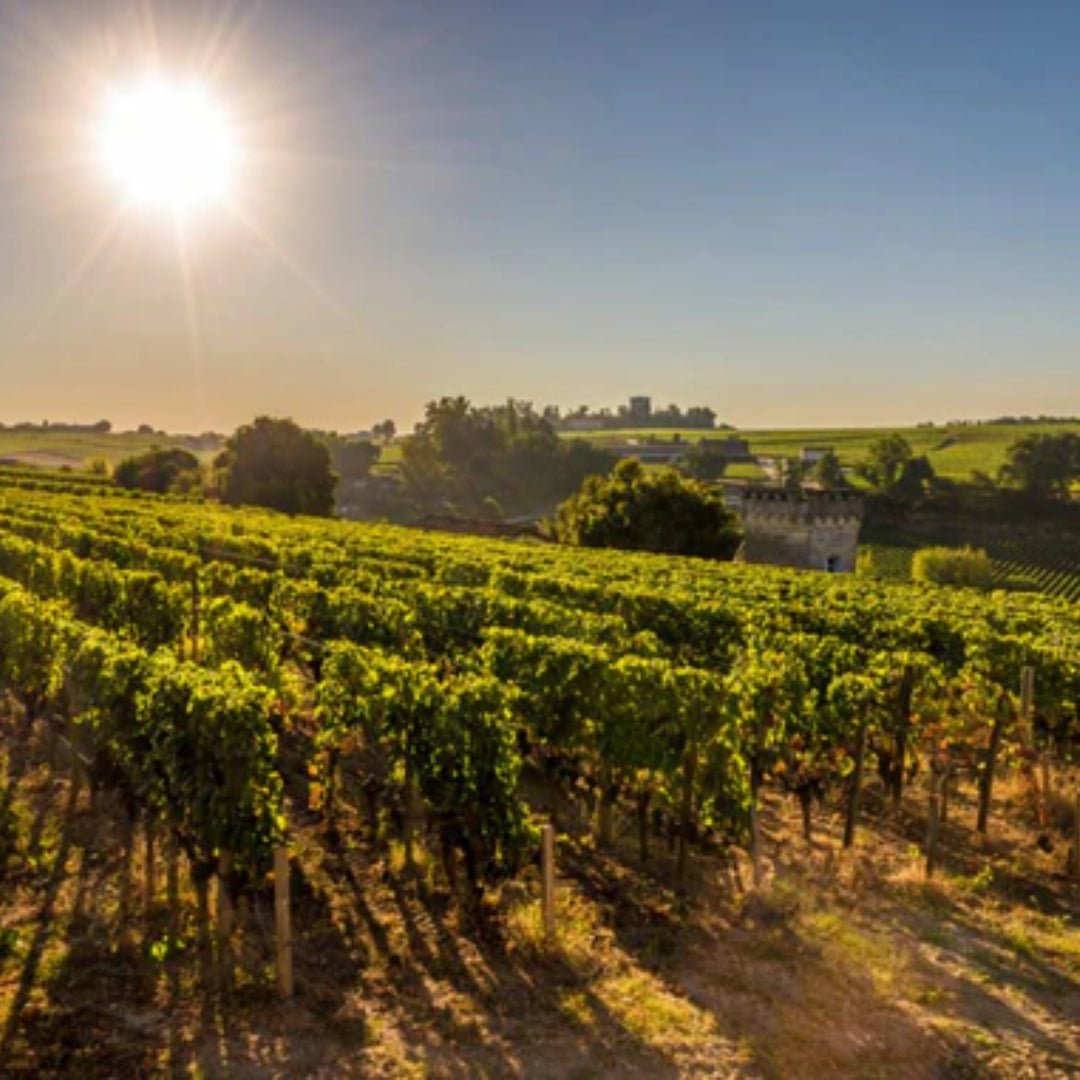
Chateau Grand-Pey-Lescours has been owned by the Escure family since 1924 and is ranked as a Grand-Cru. The title "Grand-Cru" differs in Saint-Emilion compared to the quality tier system Bourgogne. In Bourgogne, the land is classified, in Saint-Emilion it is the producer that is classified. The system is designed to be fluid, if you do not perform, you will be warned, if you continue to underperform, you will be demoted. Similarly, if you overachieve, (and shout about it a lot and loudly), you may even get promoted!

This wine is currently a 2016 vintage. 2016 is a vintage noted as being “excellent.” The blend is 75% Merlot 20% Cabernet Franc and 5% Cabernet Sauvignon with the average vine age being 25 years old. After hand harvesting, the wine is fermented in concrete tanks and then 50:50 aged in concrete vat and French oak barrique.
Very fragrant, the wine is adorned with notes of black fruits and undergrowth. The 75% Merlot gives this wine a wonderfully soft plushness. Flavours of black cherries and blackberries and bramble fruit. The remainder of the blend is Cabernet Franc and Cabernet Sauvignon, which adds structure and earthy complexity. A true classic that pairs brilliantly with pie and gravy!

Savoury pie with a lush, vintage Saint-Emilion. Don't forget the extra gravy.
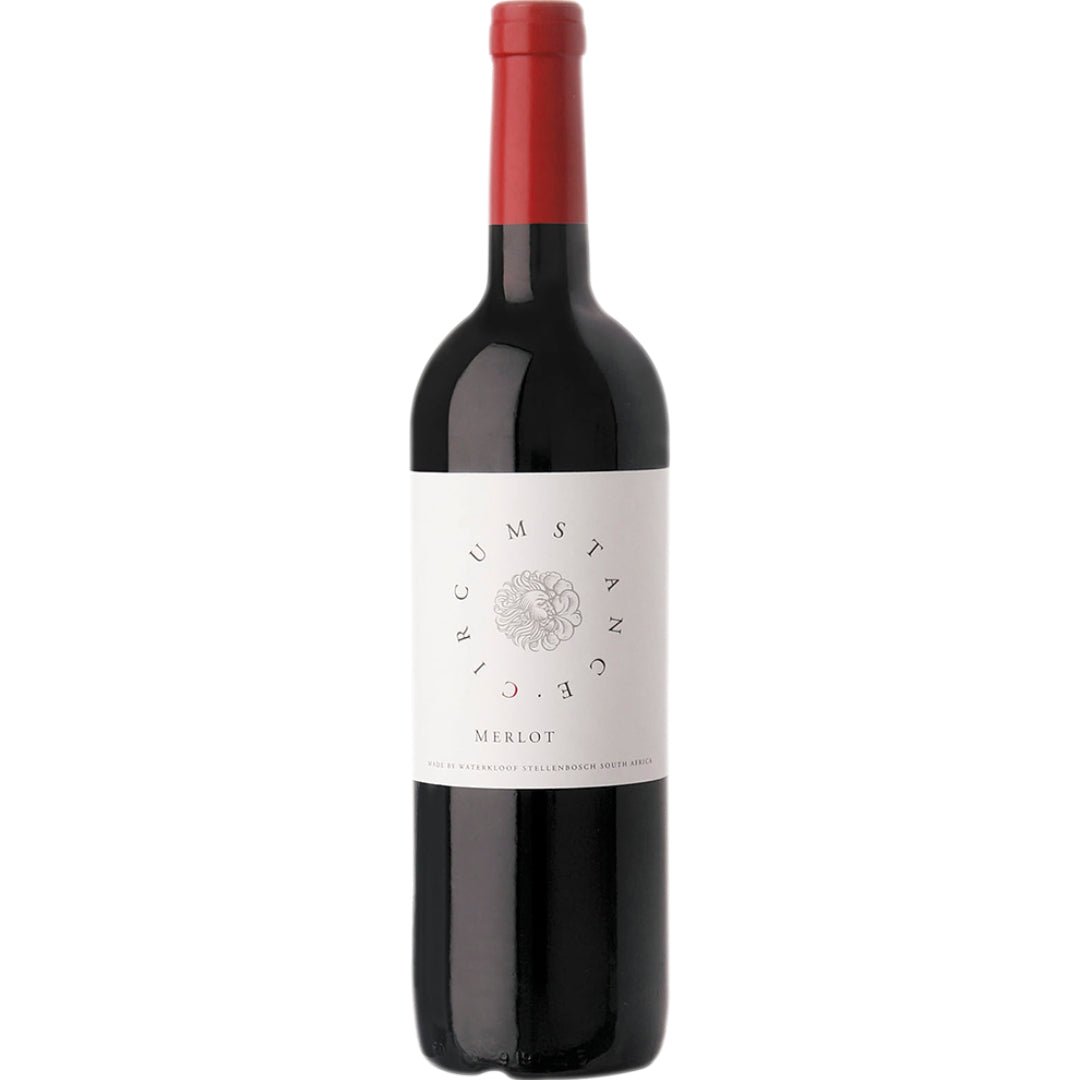
Waterkloof Circumstance Merlot
Heading back down to the Southern hemisphere for our New World Merlot option, this time to Stellenbosch in South Africa. Stellenbosch has become famous for producing Bordeaux style grapes, both as blends and as single varietals.
Stellenbosch, 25 miles from Cape Town on the Western Cape, is the most famous region in S.Africa. Here the climate has a Mediterranean feel, it is hot and dry during the growing season, but with cooling breezes from the Southern Ocean. These cooling breezes are felt particularly strongly on the windswept slopes of Schapenberg on the curve of False Bay. It is these slopes where Waterkloof’s farm and vineyard are perched, with their commanding views of the bay. The effect of the Ocean on the wines gives them a distinctly European feel whilst still tasting distinctly South African.
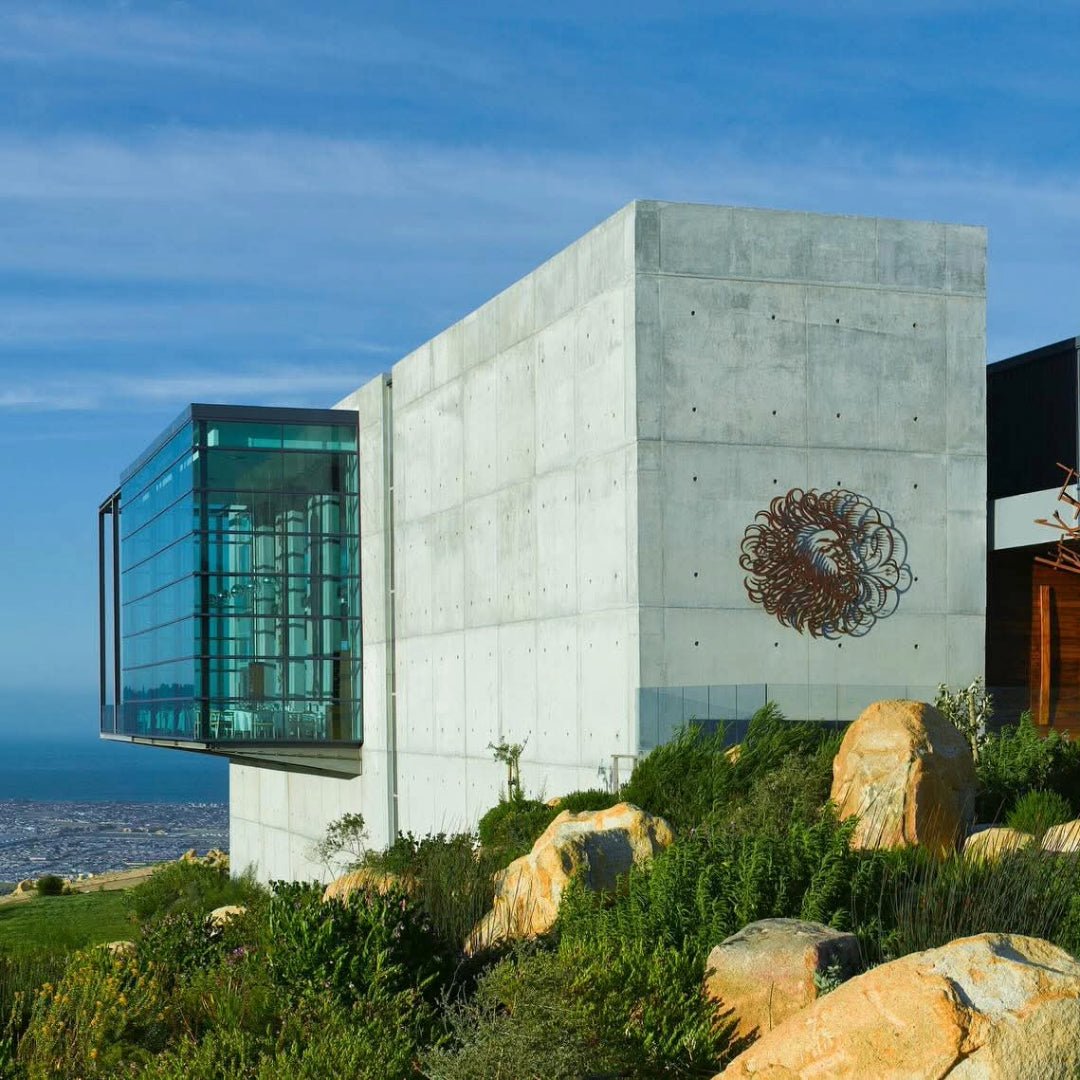
The Waterkloof estate is farmed as sustainably as possible. Sustainability is incredibly important in the Western Cape as South Africa's Cape floral kingdom is one of the richest areas in the world for plant biodiversity. Of the 9000 plant species found here, 6000 are native fynbos, (shrubland wildflowers), which cannot be found anywhere else in the world. Waterkloof were until recently aiming for full biodynamic accreditation, they still follow most of the practices but have opted out now, as they feel they can do more outside of the program. The key reason for opting out is that biodynamic certification does not allow controlled burning on the land but many of these fynbos need fire to activate their seeds and re-produce, similar to some plant species in Australia.
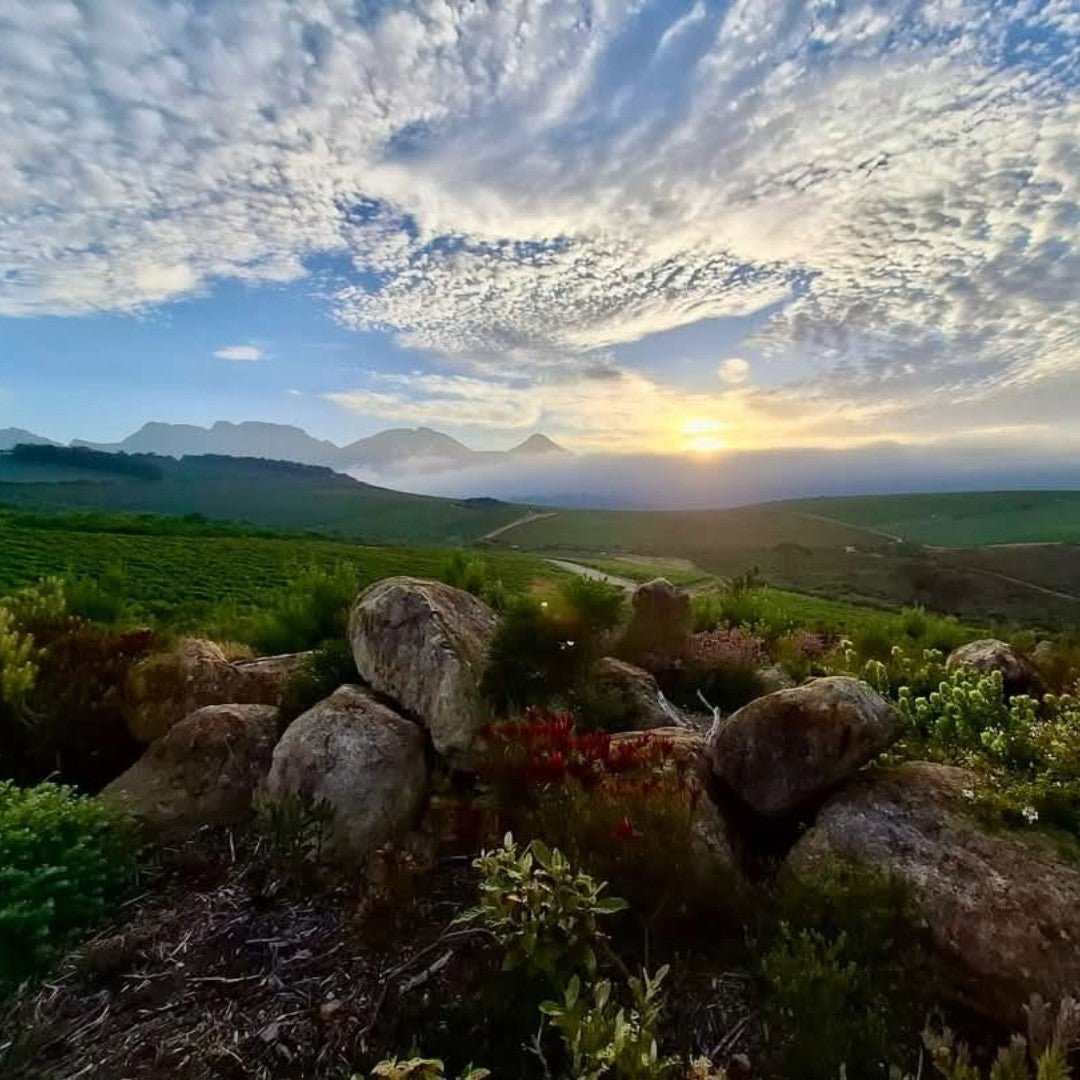
The grapes are treated in as “natural” way as possible in the vineyards with the only irrigation being via drips and only when necessary. The Merlot is from two adjoining, windswept, south-facing (less sun exposed) blocks 240-260m above sea level and a mere 2 miles from The Atlantic. These factors combine to produce low yields, balanced grapes and wines with a true sense of place. Production is a miserly 5 tons per hectare. In the winery, head winemaker, Nadia Barnard, treats the wine to a natural ferment with ambient yeasts. The juice spends 30 days on the skins with punch downs on the cap twice daily. The wine is put through a gentle basket press and then undergoes malolactic fermentation. Aging is in mainly older French oak barrels for 18 months.

Head winemaker Nadia Barnard checking a cask sample
Warm, ripe fruit and cedary spice on the nose with dense cassis and bramble fruit aromas. Concentrated plum and berry flavours are nicely complemented by subtle oak characters, notes of bitter chocolate and firm but fine tannins. The density of this wine makes it perfect for BBQ, a Brai if you are feeling South African.
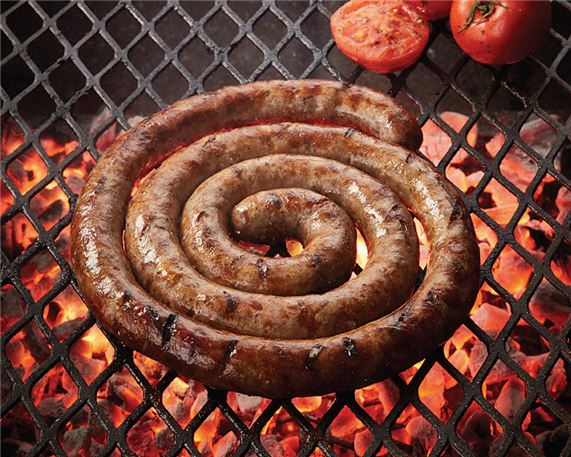
Boerewors Sausage is essential for any Brai, and is great with Merlot
Cabernet Sauvignon
“Cabby” is the undisputed king of Bordeaux. This is the grape responsible for all the great wines of the top Chateaus in the Medoc. Cabernet Sauvignon has also become one of the most popular and widely planted grapes in the world, where ever it is planted, Cabernet Sauvignon is always recognisable through its dark colour and aromas of blackcurrant.
Cabernet Sauvignon has its origins in Bordeaux, in the South West of France. As previously mentioned, similar to Merlot, Cab Sauv is an offspring of Cabernet Franc. This time its parentage is Cabernet Franc and Sauvignon Blanc. In Bordeaux, Cabernet is usually found as a component of a blend. This is because the vine flowers late in the season and also ripens late in the season. This late ripening can mean that in more marginal climates, such as Bordeaux, the grapes can fail to fully ripen if early cold weather rolls in. Luckily, Cabernet and Merlot are dream blending partners. Cabernet brings structure in the aspect of acidity and tannin structure, Merlot plumps out the blend with more velvety tannins and palate weight. The flavours compliment each other too, Cabernet with its bright cassis and herbal elements, sometimes even mint and eucalyptus, Merlot brings the plum and cherry.
The worldwide spread of Cabernet Sauvignon lies in its adaptability. It is very tolerant of different soil types and climates, being grown at 50 degrees latitude in Canada and as close to the equator as 20 degrees of Latitude in Northern Argentina. With the vines leaf canopy being as wild as it is, Sauvignon gets is name from Sauvage, (savage/wild), growers have the option of leaving a fuller canopy for shade, or cutting it back to get more sun on the fruit to slow or aide ripening as is needed.
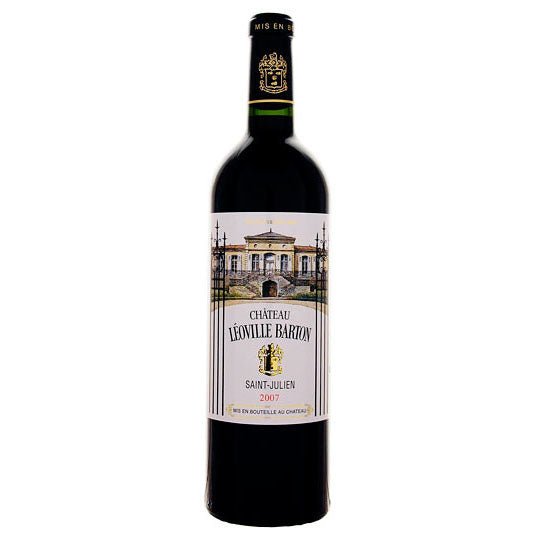
Chateau Leoville Barton Cru Classe Saint-Julien
Bordeaux has to be the place to start looking into French Cabernet Sauvignon, after all, the vineyards of Bordeaux are its stomping ground. Here we find ourselves in the Medoc, this stretch of land on the left bank of the Gironde estuary is the home of the most famous names in not just Bordeaux or even France, but in the whole wine world. On this single strip of land you have Chateau Latour, Chateau Margaux, Chateau Lafite Rothschild, Chateau Mouton Rothschild and many, many more. Despite all these famous names, the Medoc is actually a very young area for quality viticulture compared to the rest of France.
Before the 17th century this was all marshland. It was the Dutch who drained the swamp allowing viticulture to get started here. This is a similar time to when the first vines were being planted in South Africa! What was revealed through the draining of the marshes, was great banks of gravel. It is on these that the best sites are planted. The influence of the gravel is all important, it is free draining, very important for vineyards at such low altitude and so close to the water, the gravel also provides a warm soil for the vines, soaking up the suns rays and radiating the heat back into the vineyards.

Amongst the many distinguished appellations and communes of the Medoc, it is Saint-Julien that produces perhaps the most “Bordeaux-y” wine of all. It is here that the balance is the best, the wines have substance but also delicacy. Opulence with austerity. The wines are brash in their youth, demanding cellaring to reach their peak. At their peak, the wines show the beautiful scent of cedar wood that is such a hallmark of good Bordeaux, along with the mouth-watering blackcurrant that is Cabernet Sauvignon’s key trait. If you would like to learn more about Bordeaux, I would highly recommend Oz Clarkes book titled simply, “Bordeaux”, full of facts and fun stories, it also reads like more of a road trip than just throwing facts at you.

Chateau Leoville Barton is expensive sure, but it is worth it to experience this level of wine at least once in your life. The estate was classified as a 2nd growth in the 1855 classification of the vineyards of the Medoc. From the Leoville Barton website: “The 1855 classification was initially established at the request of Emperor Napoleon III with the aim of presenting the wines of the Gironde at the Universal Exhibition of Paris. The responsibility of writing the classification was given by the Bordeaux Chamber of Commerce to the Association of Trade Merchants of the Bordeaux Stock Exchange. Its mission was to devise an official classification based on many years of experience and according to the quality of the Terroir and the reputation of each Château. The Classification was published on the 18th of April 1855 and represented the realities of the market and its evolution over more than a century.”

The vineyard is in the heart of St Julien, amongst some of the most beautiful slopes of Garonne gravel, facing the estuary. The clayey gravel subsoil provides excellent growing conditions whatever weather the vintage brings. The ploughing is traditional, without weeding or herbicide. The grape varieties in the blend are 74% Cabernet Sauvignon, 23% Merlot and 3% Cabernet Franc. We are currently on the 2009 vintage, this particular year is considered spectacular in the Medoc. If you get this wine open for a good hour or so, it will be perfect to drink now, but it has the bones to continue aging long into the future.

This is incredibly classy, with very concentrated, rich, restrained black fruits, and hints of cedar, minerals and cigar box. It is all in absolutely perfect balance with a wonderful freshness and sublime elegance amid lashings of fruit and very fine tannins. This is a wine that demands the best lamb or beef joint you can afford!
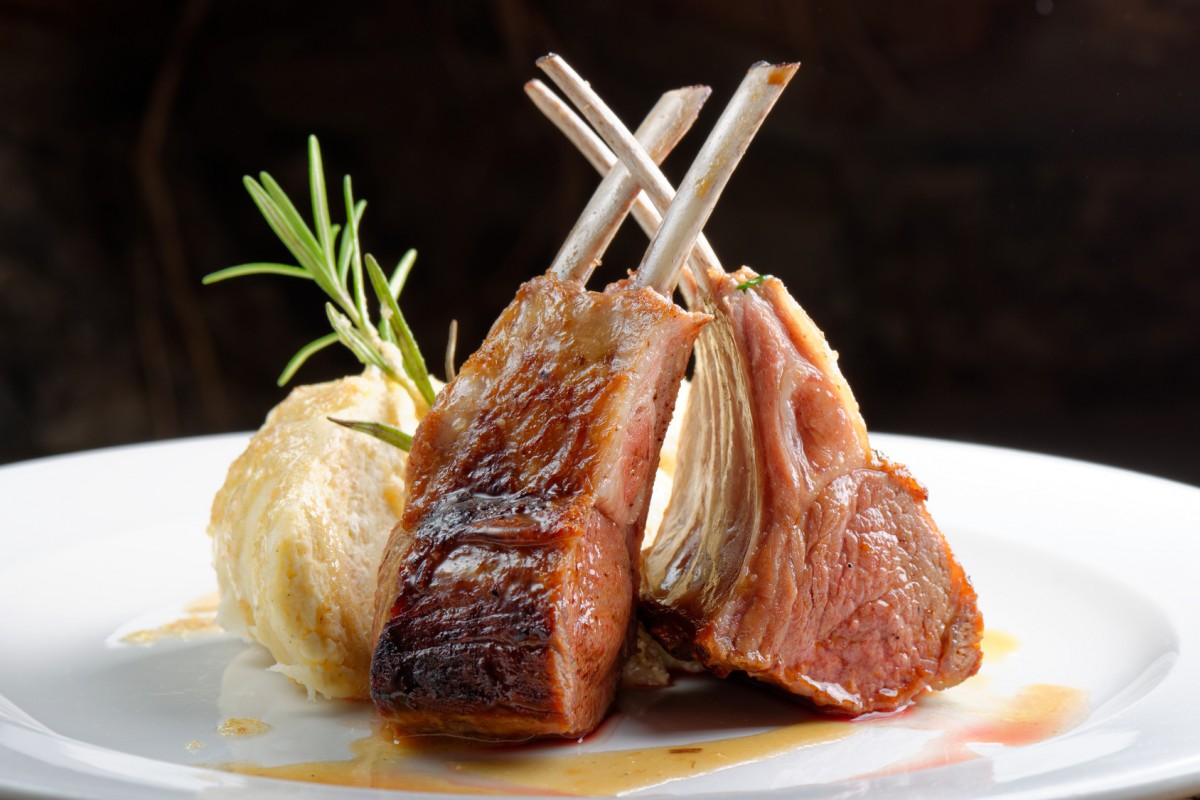
The neighbouring appellation of Pauillac is famous for its lamb, as the old adage goes, what grows together goes together!
Kanaan Winery `Pretty Pony` Ningxia Cabernet Sauvignon
From the classic Cabernet from Bordeaux we now travel to the harsh climate the Helan (*huh-lahn*) Mountain in Ningxia, (*ning-shah*), China. In terms of vineyard area, China comes third to Spain and France. However, while 90 percent of French vineyards grow wine grapes, in China it is table grape production that accounts for a similar percentage. China is one of the biggest, (and still increasing), wine markets in the world, the increase is being driven by two key factors, the younger generation who see wine as more stylish than beer, and by the “gifting culture” in the Chinese business world. Today, many international wine companies have interests in China. Among these are Moet Hennessy, Remy Cointreau, Pernod Ricard, Torres and the Bordeaux families of Lurton and Barons de Rothschild.

Ningxia is a significant wine-producing region in the central-north of China. The wide, heavily irrigated valley between the Yellow River and the base of Helan Mountain has proved to be one of China's most promising vineyard areas. Ningxia has a thoroughly continental climate, its eastern border bring 950 KM (600 miles) from the nearest ocean. The summers are hot, although the high altitude of the vineyards (some more than 1200m/4000ft above sea level) helps to create a suitable climate for winegrowing. At this altitude, intense sunlight during the day is followed by much cooler nights.

The short growing season in Ningxia is followed by a long, cold winter with temperatures dropping to -20 degrees C. To stop them freezing and dying, the vines must be protected with an insulating mound of dirt piled around the base of the plant. This has to be done by hand and is needless to say, an expensive and time-consuming task, luckily the abundance of labour in China means that it is much easier than in other parts of the world, adding a human element to the overall terroir of Ningxia.
The land at the base of Helan Mountain is part of the Yellow River floodplain, the soils have been deposited over time by both the river and from sediment washed down from the mountains. These pebbly, sandy soils are free-draining and have low fertility, which lessens both vigour and yield in the vine, leading to smaller, more concentrated berries.

Kanaan Winery is located at the foot of the Helan Mountains. Kanaan means ‘the land of milk and honey’, signifying the hope for Ningxia to be one of China’s leading regions for the production of fine wine. The winery was established in 2011 by Fang Wang, also is also known as Crazy Fang since she opened a winery with no previous experience!
The vines are trained in the upturned ‘L’ training system, where the cordon, the part of the hard wood where new wood sprouts from in spring, is kept close to the ground to facilitate vine burial. All vineyard work is done by hand as this training system is not suitable for mechanisation. The final blend is 90% Cab Sauv and 10% Merlot which is fermented in stainless-steel tanks. The aging is 12 months in used French oak barriques.

Bright ruby red in colour, this wine is characterised by fresh notes of blackcurrant, coffee, cinnamon, and chocolate, which give way to an elegant and refined palate, with finely structured tannins. Just be careful, you are on 15% ABV here! This is a great wine for coal kissed ribeye steak.
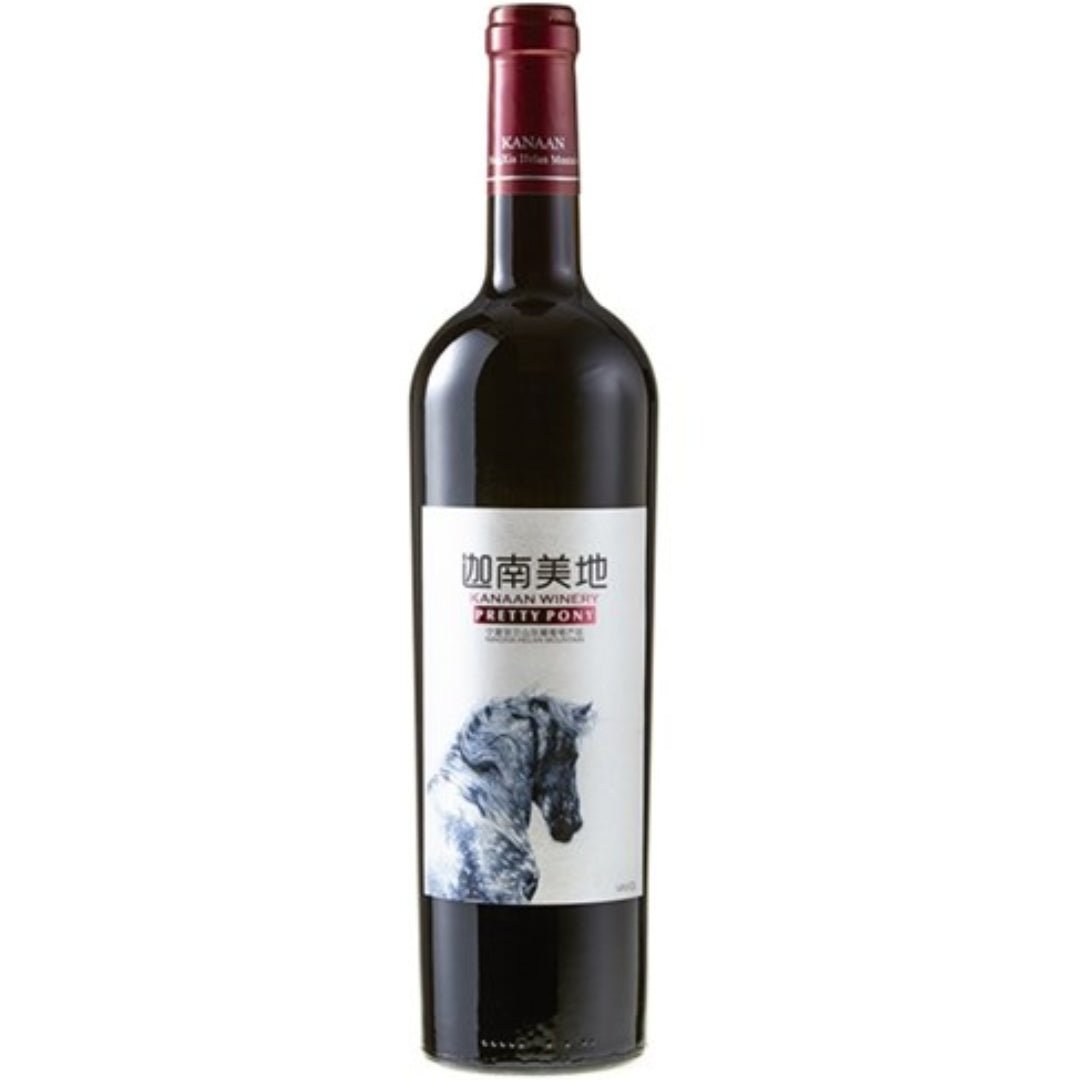
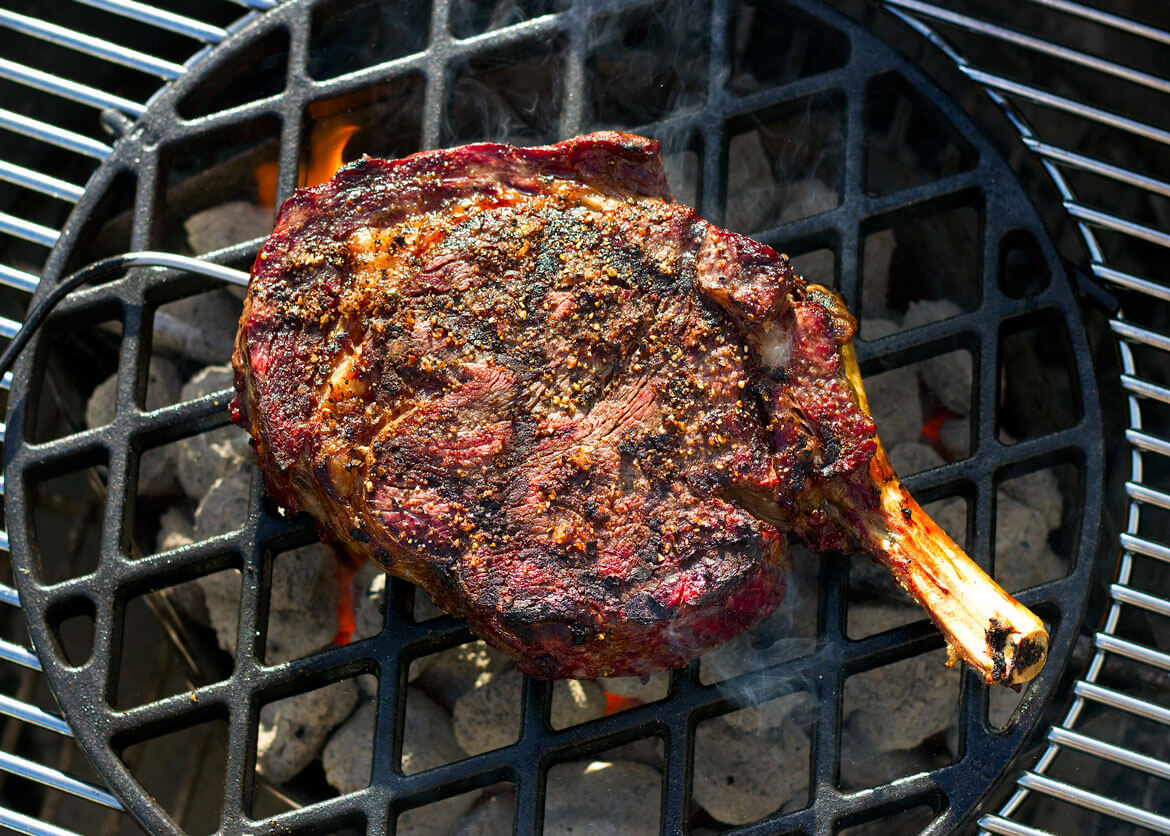
Cabernet with a rib eye steak is perfection. The darker characters work brilliantly with the char and smoke from BBQ cooking
Syrah
Syrah is undoubtedly a grape of French origin, with its home being the slopes of the Northern Rhone. This is important to stress as it is also known by a different name, Shiraz. Some people believe that the grape is of Persian descent, so named because it was thought to be from the town of Shiraz, in what is now in Iran. Recent DNA research has proven that Syrah is actually the offspring of two ancient Rhone varietals, a red grape called Dureza and a white variety called Mondeuse Blanche, neither of which you are ever likely to see. Instead, it is likely called Shiraz in Australia as an Anglicised corruption of the French name. The first written records of the grape in Australia, dated from 1832, have it spelt “Scyras” so you can see the name change happening there.
As a plant, Syrah generally prefers warmer climates, such as that of its Rhone homeland, but it is surprisingly adaptable and able to survive in cooler climates. This adaptability is something that vintners in New World countries such as Australia and South Africa are using to their advantage, planting at higher altitudes and in coastal extremes, with the aim of creating leaner, more food friendly wines.
In the vineyard, Syrah is a very vigorous vine when young, needing a lot of work in the vineyard to tame its leaf canopy and to manage the potential fruit clusters in order to get concentration in the final berries. Once the vines have reached 10-15 years of maturity, the vines are known for their high resistance to dry conditions and drought, perfect for warmer climates.
Syrah is very often seen as a component in a blend. In the Northern Rhone, it is quite frequently blended with white grapes such as Viognier, in appellations such as Cote Rotie, this can be as high as up to 20% of the blend. Viognier is a close relative of Syrah and its job in the blend raises the acidity of the ferment, extracting more colour from the red grape skins and helping to hold that colour in the wine. The Viognier also adds its own floral notes to the blend. More commonly across the Southern Rhone and Languedoc/Roussillon, Syrah is blended with the red grapes, Grenache and Mourvedre as well as Carignan, Cinsault and a whole bunch of other varieties. In this GSM blend, made famous by Chateauneuf-Du-Pape, Syrah adds palate weight and spice along with dark fruit characters such as plum, damson and blackberry with liquorice and sometimes gamey notes. Grenache provides brighter red fruit, strawberries, raspberries and herbs. Mourvedre adds structure, depth and colour to the final blend.
M.Chapoutier Monier De La Sizeranne Hermitage
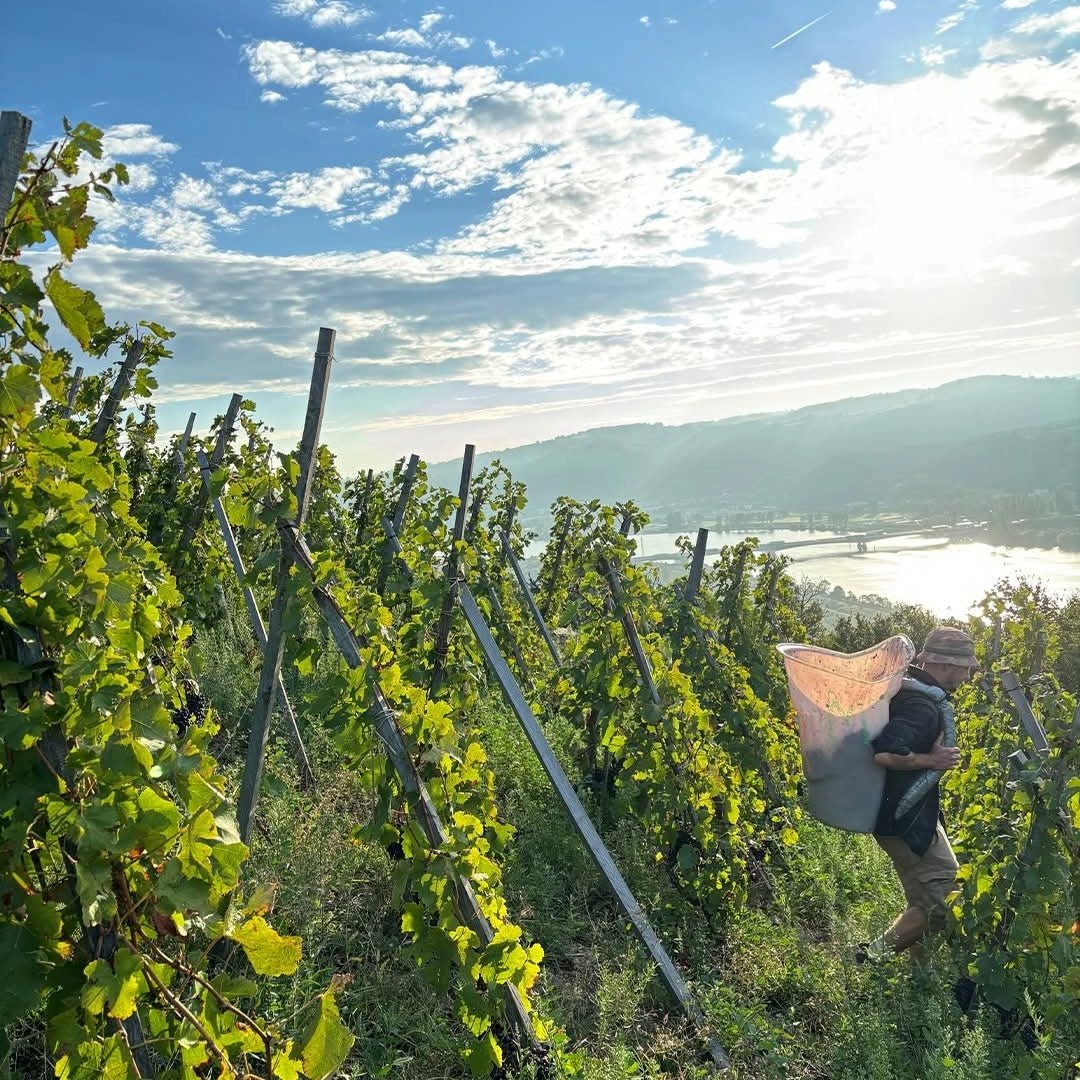
The fabled hill of Hermitage produces some of the most prestigious, long lived and full bodied Syrah in the Northern Rhone. This granite hill top is crowned by the iconic Chapelle Saint-Christophe. According to local legend, in the 13th century, a knight named Gaspard de Stérimberg returned from crusade and retired as a hermit. He built a small chapel on the summit and planted the first vines on the slopes, which laid the foundation for the famous Hermitage wine region. It is likely untrue that this is when the first vines were planted as the Roman’s were definitely actively planting vines in the slopes of the Rhone Valley centuries earlier.

The vines on Hermitage are planted on the South facing slopes of the hill to benefit to the highest degree from sun’s rays. Hermitage sits on a meander in the mighty Rhone River that has the flow sweep from West to East, instead of North to South. With the water flowing to the South of the hill, the vines benefit from the reflection of the sun off the waters surface, back on to the grapes themselves to aide ripening. The sun combined with the thin, poor, rocky soils and their low mineral and water content, leads to some of the most concentrated Syrah grown in the Northern Rhone, known for their robustness and rich aromas of leather, coffee and red berries.
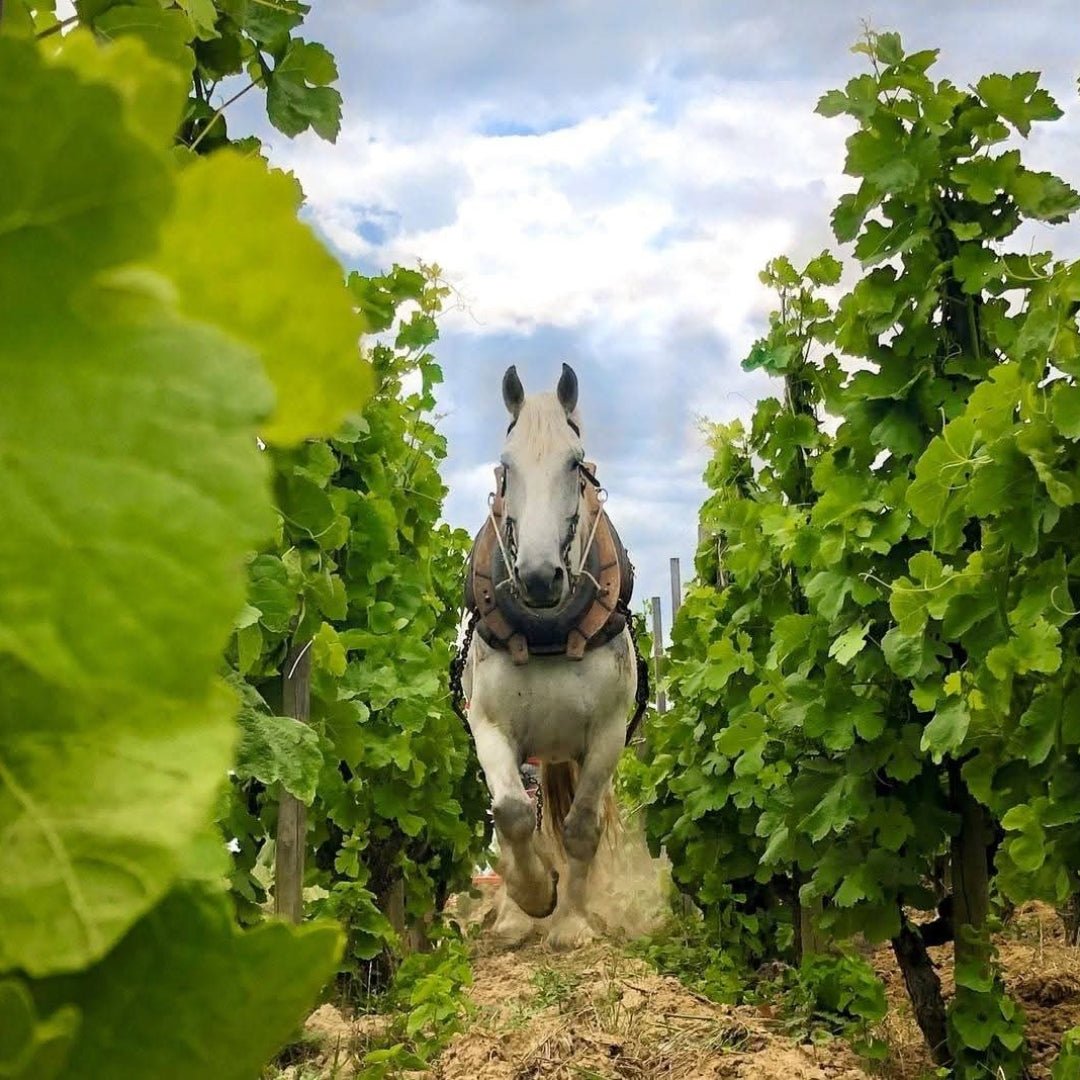
Maison M. Chapoutier, is a winery and negociant business situated in the town of Tain-l'Hermitage, at the base of the famous hill. This is one of the oldest companies in the Rhone Valley, driven by Michel Chapoutier, the biodynamic pioneer of the region. Michel Chapoutier is a little mad but gets great results. If you want to get a judge of his character, I recommend getting on YouTube and watching Oz Clarke and James May’s wine journey.
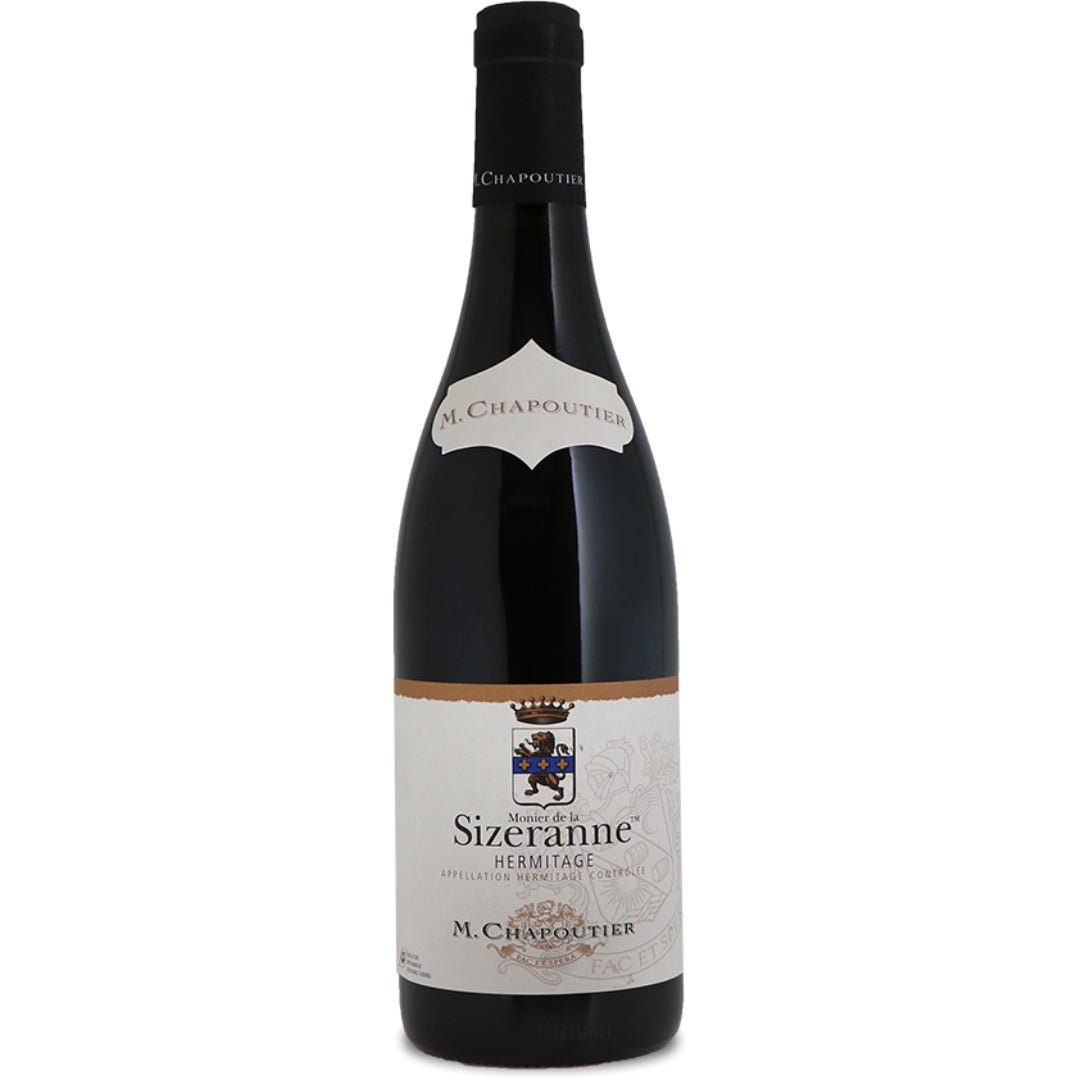
Hermitage "Monier de la Sizeranne" comes from a blending of different soils from West to East: "les Bessards": from a granitic origin, it constitutes the "soul" of a good Hermitage. "le Mel": old alluvial terraces, with a lot of gravels and shingles more or less calcareous, "les Greffieux": silty soil with shingles. Grapes were hand harvested at optimal maturity. Entirely destemmed, the grapes ferment in concrete tanks. One to two daily treading’s ensure a good extraction. The wine receives 18 months ageing, 85% of which takes place in oak barrels, giving the wine its notes of oak. The remaining 15% is aged in concrete tanks to preserve minerality and freshness.

The nose is full, with raspberry & blackcurrant with a hint of liquorice. On the palate this is a round and elegant wine with concentrated and gentle tannins. The finish is blackcurrant, raspberry and spicy pepper aromas when it is young as this is. With time cellaring, this spiciness will start to develop into leather and game notes with clove and paprika.
This style of wine is the perfect pairing with game such as venison and hearty stews. My favourite thing to pair with Northern Rhone Syrah is the culinary delight that is haggis neeps and tatties!
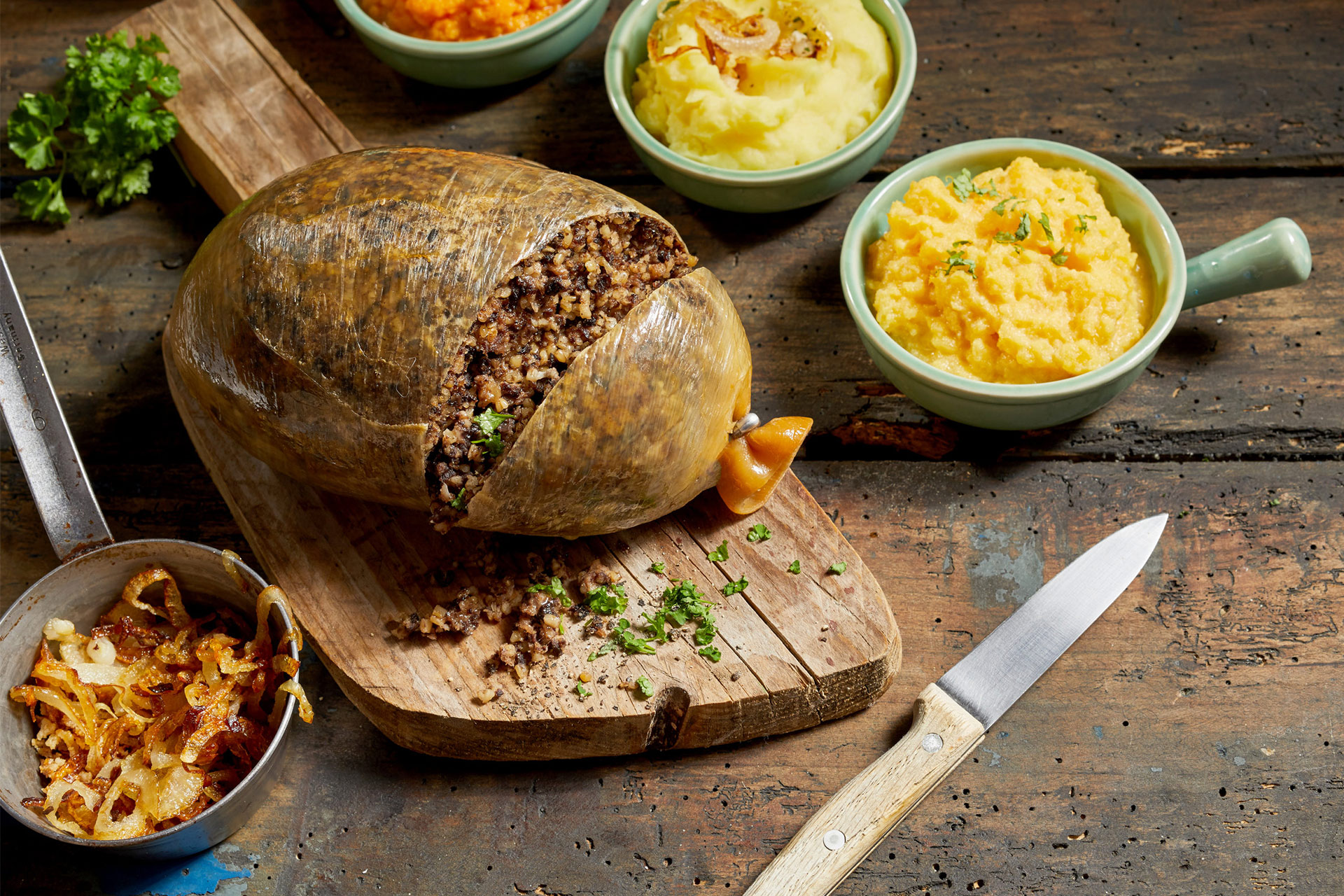
Reignite the Auld Alliance of Scotland and France by paring Syrah with the earthy, spice of a good honest haggis
Eisenstone Barossa Valley Ebenezer Shiraz
The Barossa GI is Australia’s most iconic wine region, famous for its robust red wines some of which are made from the oldest vines grown anywhere in the world. The Barossa GI sits on the traditional lands of three First Nations; The Peramank, Ngadjuri and Kaura nations. All three of these nations share some central “Dreamtime Stories” which recognise the unique soils, lands, animals, hills and aspects of the area now known as “Barossa” that makes it such a special place and made it so attractive to the first vine growers. The concepts of these stories are very similar to how we would describe vineyards in the concept of “terroir.” The “Barossa Wine Growers Association” has an acknowledgement that speaks to all 3 of nations in terms of landownership and management.

The Barossa GI is known to be a warm "Mediterranean" climate but the reality is way more complicated. At a basic level though, the Barossa is split into two main sub regions, the warmer Barossa valley and the cooler, higher altitude Eden Valley. Wine maker, Stephen Cook, sourced the grapes for this wine from Adrian Hoffmann’s vineyard around the town of Ebenezer, situated at the northern end of the Barossa Valley. The ancient, dry-grown vineyards in this district are renowned as being warmer, with lower rainfall and relative humidity compared to the rest of the Barossa Valley and are an important part of Australia’s winemaking heritage and a living link to traditional Barossan viticulture.

The blend of grapes in this wine is largely from Adrian Hoffmann’s Micken block, this is a younger planting of cuttings, all sourced from iconic old vine vineyards. The block is situated on a small, red loan rise that is of extremely high-quality soil. The grapes were fermented in small batches and after fermentation, the wine was matured in 50% new French oak for 20 months prior to bottling. Minimal intervention is used in the winemaking process; the wine is moved the minimal times prior to bottling and is not cold stabilised or filtered.

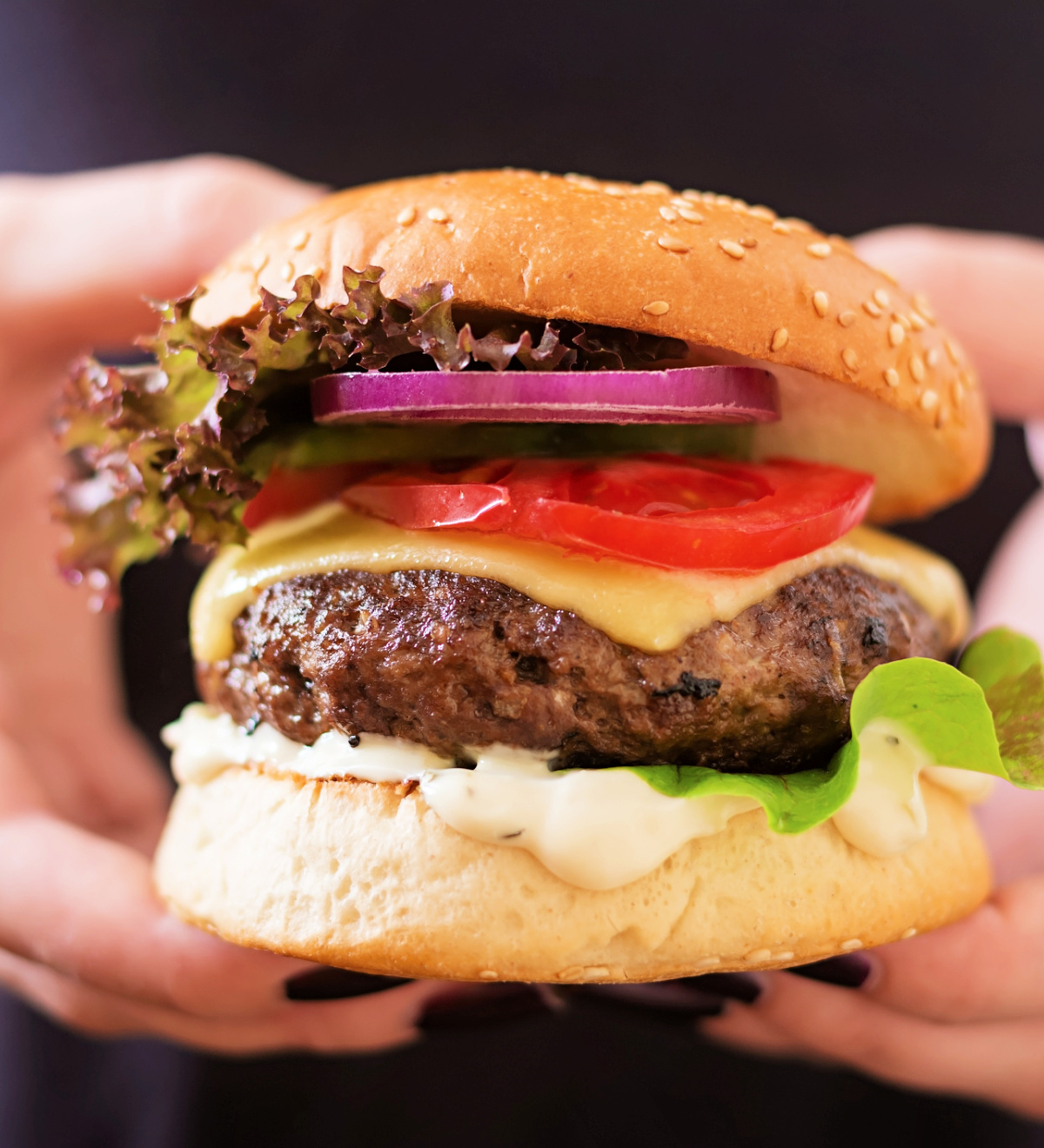
Mark in our shop absolutely loves this wine, the nose is of classic blueberry and savoury oak aromas. The palate has abundant berry fruit supported by a tight tannin structure that pulls the wine together to give it persistence. Aussie style Shiraz is often very high in tannins, these tannins are pure velvet though and not spikey or green as you can find in less sunny climates. These elevated tannins work very well with vegetarian foods, veggie or bean burgers, aubergine or sweet potato, if that isn’t your jam, grab a beef burger!