


Spotlight on El Escoces Volante – Calatayud, Spain
Write up by Chris Nolan
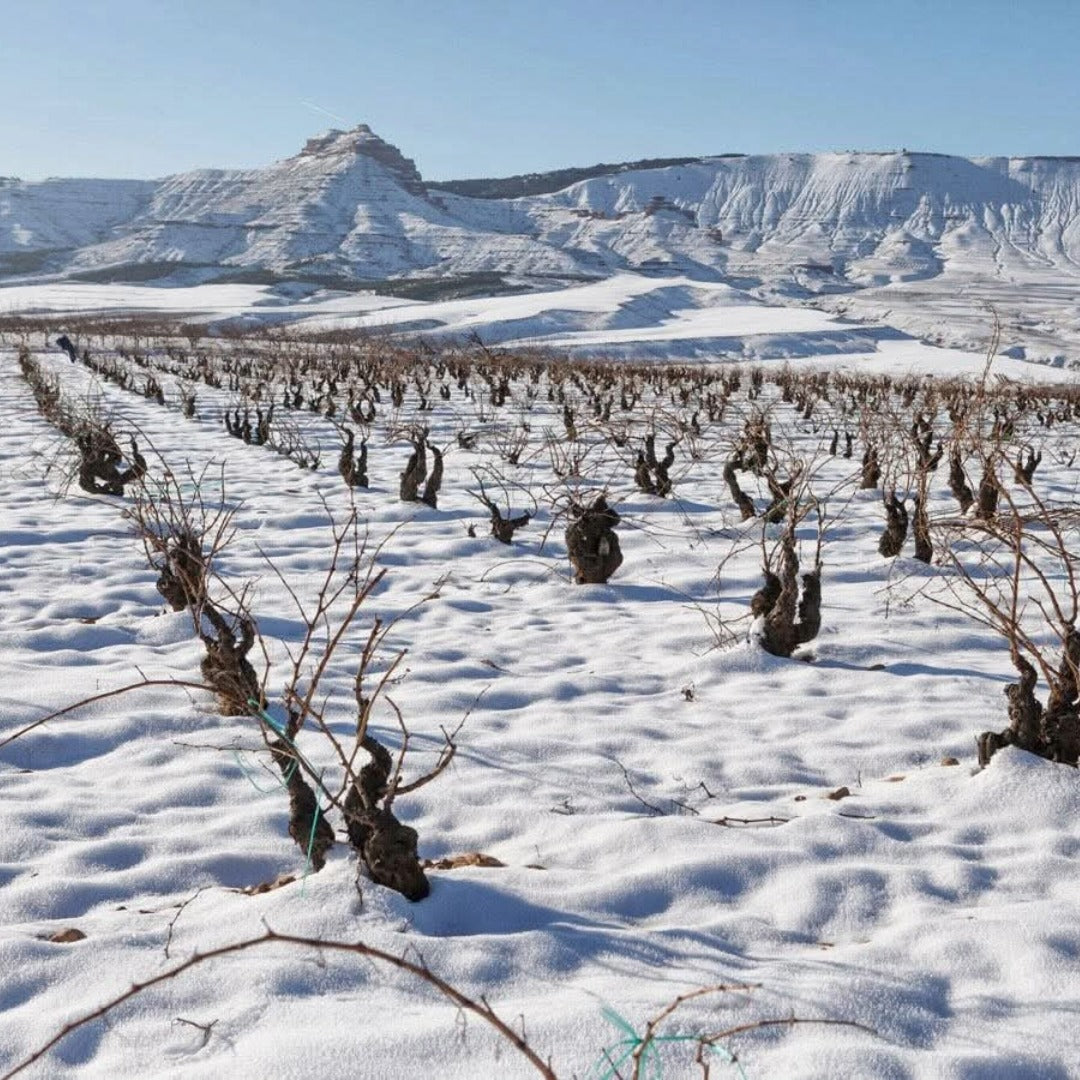
On Wednesday the 22nd of April, we hosted a fantastic tasting with Norrel and Sharon Robertson from El Escoces Volante. If you haven’t been to one of our tasting nights yet, why not? You have to! Plenty of wine flowing, lots of stories and all the information you can possibly need. What made this tasting slightly different, (other than the number of wines and volume of washing up afterwards), is that Norrel Robertson is an MW, a Master of Wine. This is the highest accolade one can achieve in the wine world with the final exams and tastings being notoriously hard to pass. Since its founding in 1955, the Institute of Masters of Wine has only approved 520 MW’s, 422 of which are still active. This select group of people numbers lower than the 637 people who have been blasted up into Earth’s orbit.
This husband-and-wife team are the founders of El Escoces Volante, an exciting project in the region of Calatayud in Northeastern Spain, a business which they run with their sons. The pair, having met in Edinburgh at an Odd Bins wine shop, are not actually Spanish. You may have figured this one out from their names. Sharon is from Yorkshire, clearly the best English county, whereas Norrel is from Scotland.
The name, El Escoces Volante, translates to, “the flying Scotsman”, a name derived not from a steam train, but from a car accident that Norrel was involved in, in his younger years in France. Norrel was called “The Flying Scotsman”, presumably in French, (l'Écossais volant), due to how fast he had been going.
With their wine journey taking them to Portugal, Italy, France, Australia, Chile and New Zealand, the pair eventually settled in Spain in 2003. Now owning approximately 43 hectares of vineyards around Calatayud. Since Calatayud is the home of Garnacha, these vineyards are planted mainly with old vine Garnacha vines, (between 50 and 115 years old), along with other indigenous varieties such as Mazuelo (Carignan), Moristel, Macabeo, Garnacha Gris and Provechón, (Bobal). The company now has 16 wines bottled in the El Escoces Volante name. Last night we drank 8 of them, including a delicious Garnacha Gris that is currently unavailable in the UK.
Here is our line-up from the night, there is some copy and paste for the technical data here, sorry!
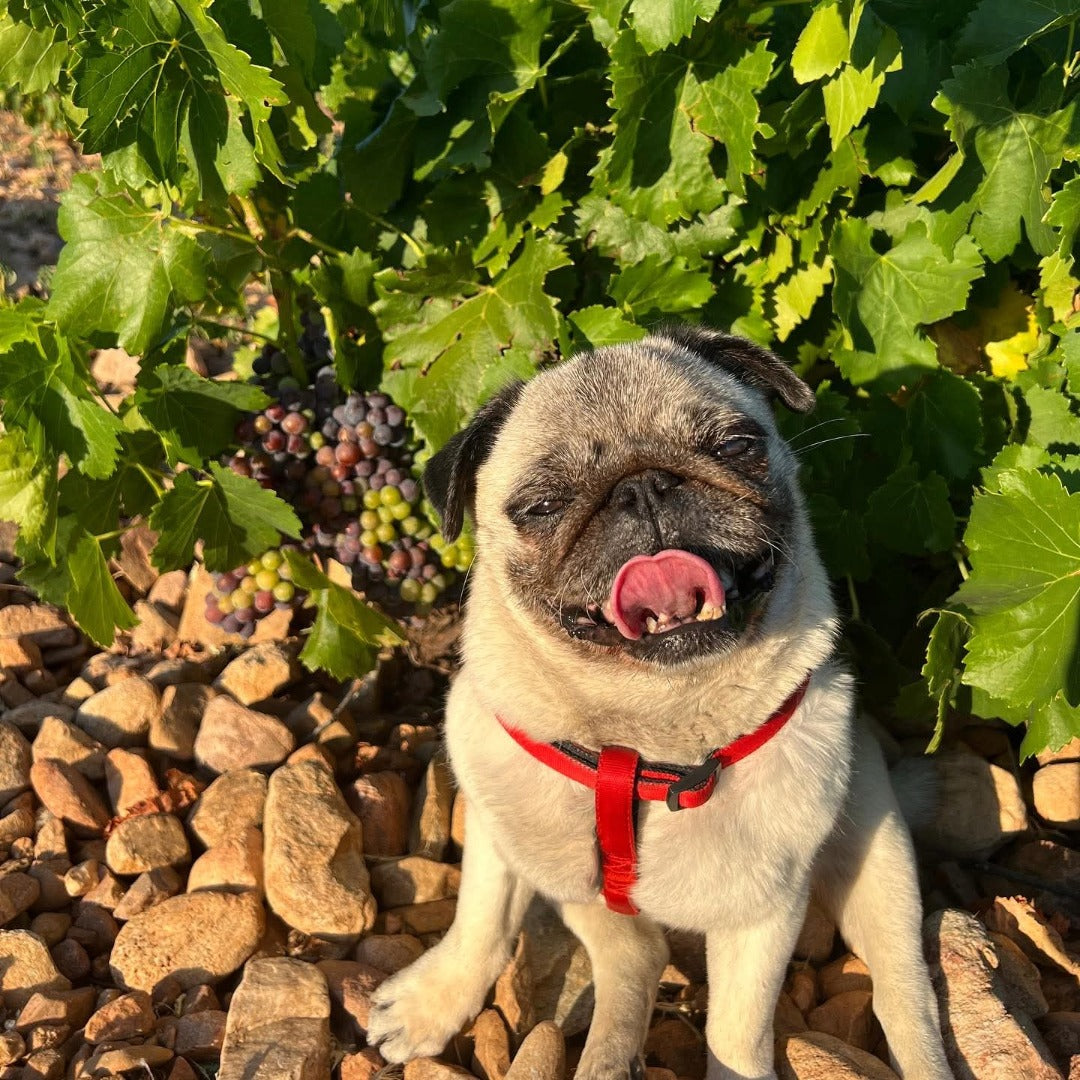
Manga Del Brujo Blanco
First up was the Manga Del Brujo Blanco, a 50/50 split of Garnacha Blanca and Macabeo, (also called Viura in Rioja). The Macabeo grapes are sourced from the Cerro Merino vineyard at 920 metres altitude, planted in 1969 on glacial soil; the Garnacha Blanca grapes grow in gravel soils at 750 metres.
Norrel and his team follow a 'Burgundian' method in the cellar - both varietals are mixed together and loaded whole bunch into the press. They use a long, slow press cycle with no sulphur and enzymes. The must is cold-settled overnight and then racked to 500 litre barrels (almost zero toast). Spontaneous fermentation takes place for around 2 weeks until dry, then the wine remains on lees for a further month before being racked back into the same barrels. The wine is bottled in Spring of the following year.
For me, this is the kind of white wine that I want to drink when I know I am in the mood for a white, but I cannot decide what I want. It kind of ticks all the boxes I want from a white wine, its crisp but not too sharp, complex but not too intense, so I’m not done with it after a single glass. Best of all, it has a light salty bite that makes me just want more of it! Aromas of ripe stone fruit, candied citrus peel and wild mountain flowers. Notes of white peach and apricot on the palate with touches of white spice, the seamlessly integrated oak giving texture, and leading into a long, mineral and saline finish.
Drink this wine if you are a fan of Chenin Blanc, white Rioja or Southern French whites.
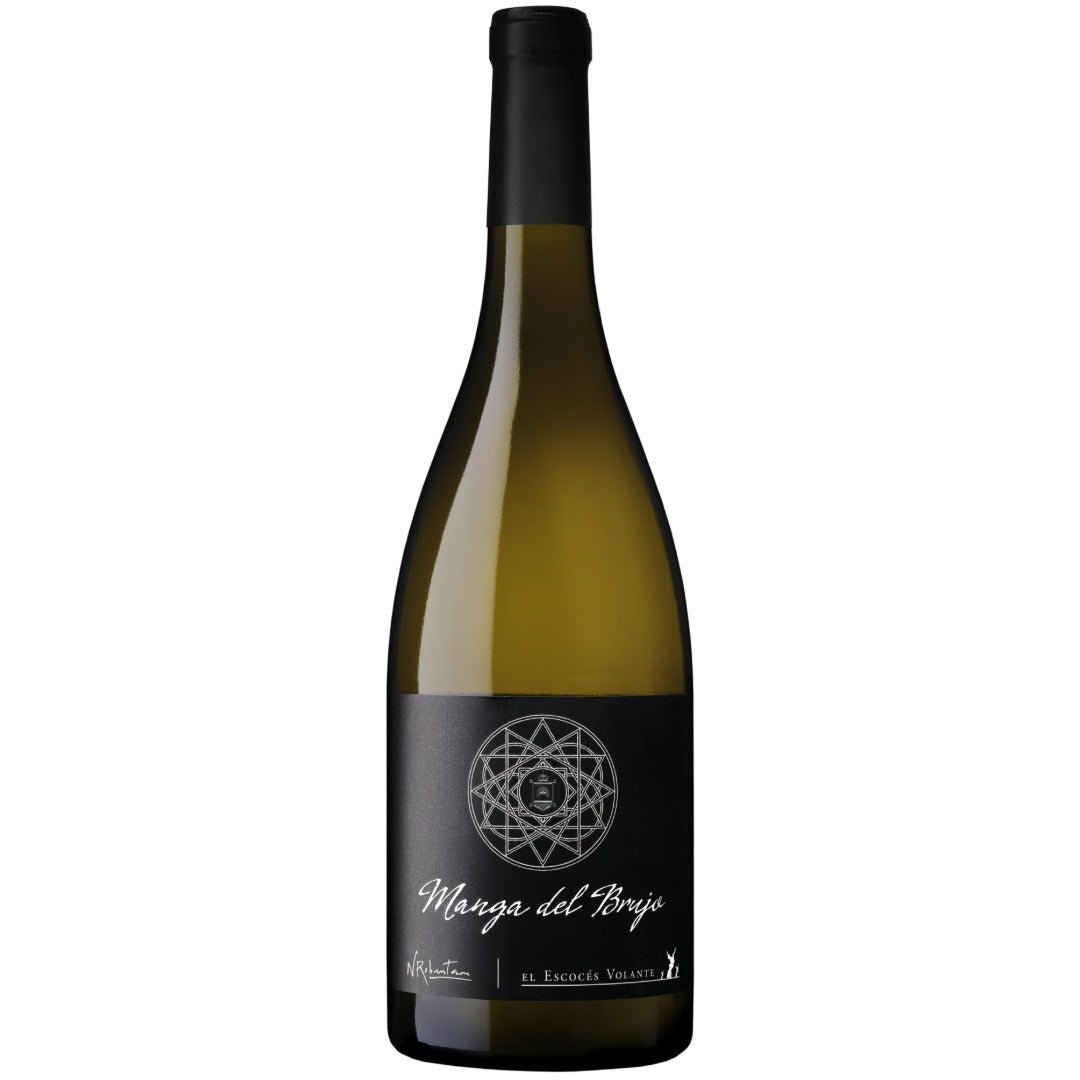
El Puno Blanco
Here is a declassified wine, declassified because the regulators do not permit Viognier to be grown in Calatayud. Boo to them though, because this was great! Viognier is one of those varietals that is tricky to get right, the grape needs heat and sunshine to ripen fully but can very quickly become unbalanced, achieving very high sugar levels leading to heightened alcohol levels which can feel hot with lower acidity making the wines feel flabby. Luckily, El Escoces Volante have the trump card of altitude on their side. The Viognier vines are cultivated 900 metres above sea level, between Villarroya de la Sierra and Clarés de Ribota in the heart of the Sistema Iberico. At this altitude there is a huge diurnal range of around 15 degrees Celsius between night and day. This temperature swing allows the grapes a longer hang time on the vines, helping ripen the viognier whilst clinging onto its vital acidity.
After hand-picking into 20kg cases the grapes are stored overnight in a cool room before the winemaking begins. They are loaded whole bunch to the press, and a long press cycle is used with no sulphur and enzymes. The must is cold-settled overnight and then racked to a mixture of old and new 500 litre French oak barrels. Spontaneous fermentation takes place - then the wine is racked, lightly sulphured, then kept sur lie in barrel for 13 months, before a light filtration and bottling.
When done right like this, Viognier is amazing. Quality wise I would compare this with a Condrieu, Viogniers top appellation in its home of the Northern Rhone, that stuffs over £60 a bottle though…
Delicate aromas of chamomile, honey and a hint of lemon rind. Peaches and cream characters on the palate, with notes of nutmeg and clove from well-integrated oak. Mineral notes lean into a long, citrusy and saline finish.
This is a lovely cheese board wine. Pair it with Manchego or even alpine cheeses. This would also be great served up with some pork and apple.
Garnacha Gris
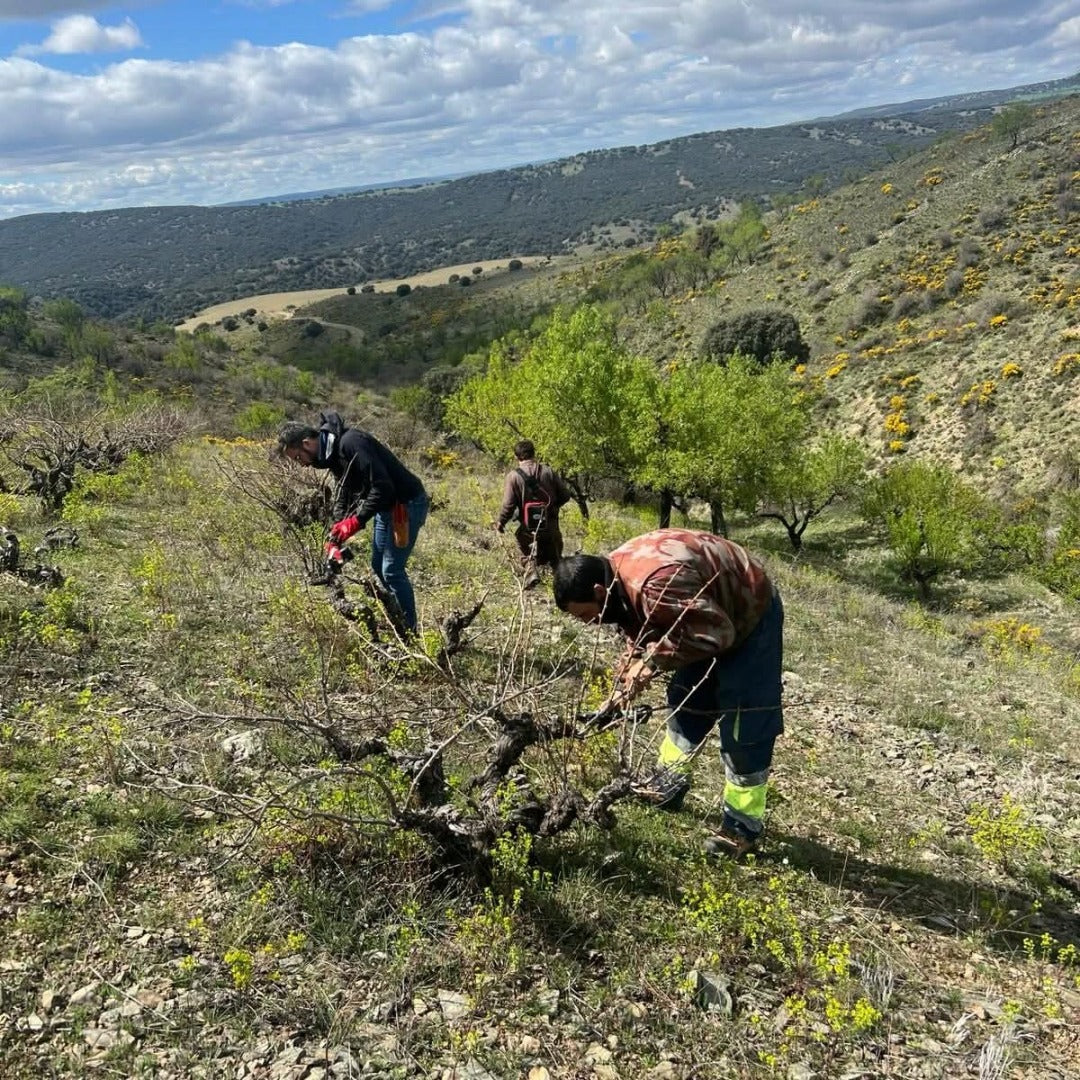
Ok, so you can’t have this one yet, it is on a slow boat from Spain and will be a few weeks until it clears duty. This is a new wine from EEV and is made from young Garnacha Gris vines. Garnacha Gris is a very rare grape in Calatayud, this is not because it is low quality but instead for a some what macabre reason. It is known in the region as, “la uva de los muertos”, “the grape of the dead” and is seen as bad luck. This is because of the greyish pink skins which were supposedly reminiscent of “the skin of a dead man”. As a nod to this, EEV have hidden a skull on the label, I think I need to look a little harder for this.
The El Bautista plot was harvested into 20kg cases and stored between 1 and 2 degrees in a cool room with controlled humidity for 72 hours before processing. The grapes were whole bunch pressed, cool, without sulphur or enzymes, to allow a natural cold settling, before the juice was racked to 5 x 500 litre neutral French oak barrels. Fermentation took place at ambient cellar temperatures in barrel and stayed on gross lees for one month, before racking and a light sulphuring, then a return to the same barrels to complete around 11 months sur lie before filtration and bottling.
A voluptuous, mouth filling white wine with striking apricot fruit, undertones of oregano and a lovely long mineral finish.
This is a wine that has way more flavour and complexity to it than any wine made from such young vines deserves to have! I think I want this one with some sardines or mackerel but I’ll have to re-try it to be sure.

Manga Del Brujo Rojo
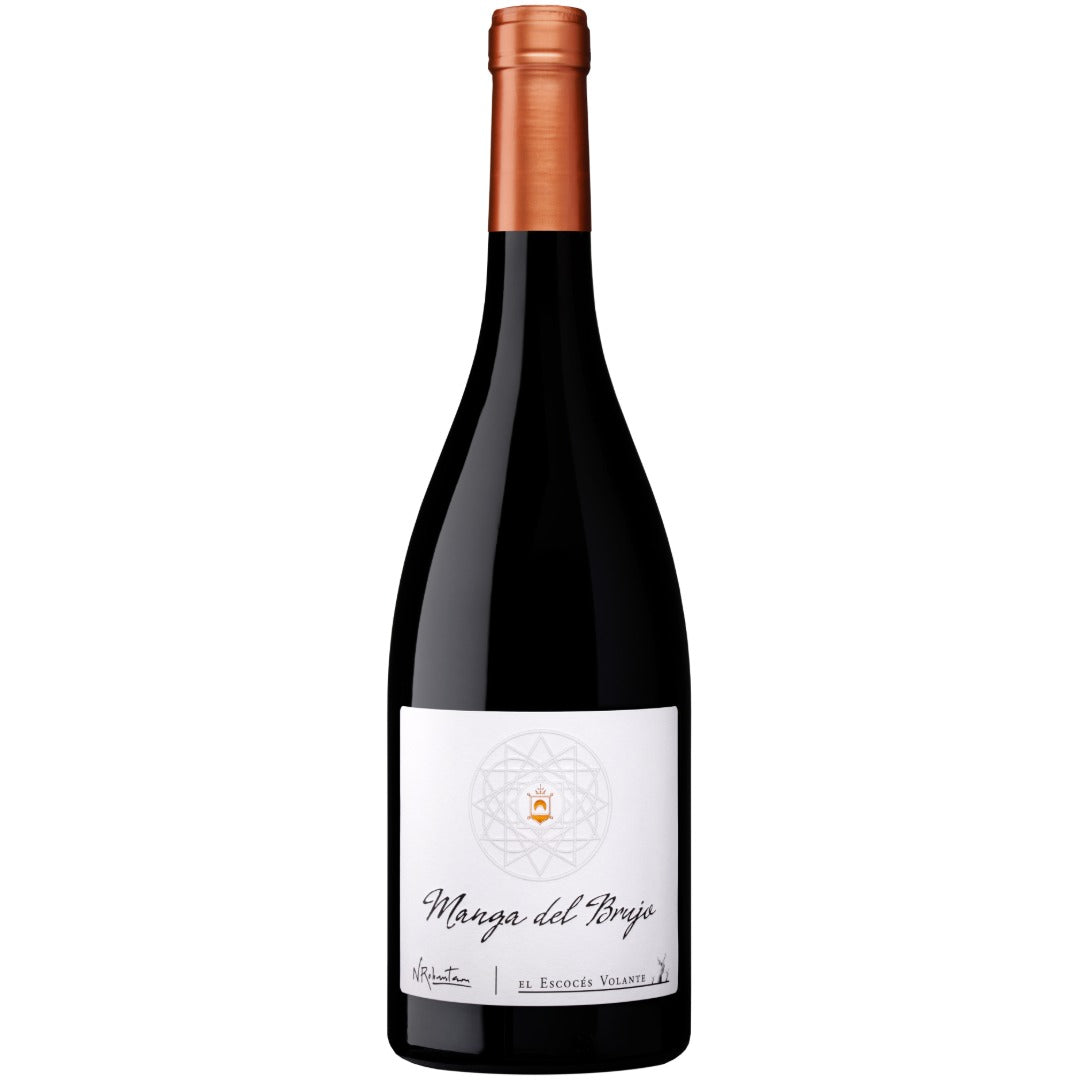
This is an old favourite, and one which we used to stock a long time ago before EEV left their previous importer. We are so happy to have this one back, that it is currently in our pre-mixed Spanish Cases.
This wine is born in the free-draining chalk and clay soils of the slopes of Monte Armantes in the Ribota Valley of Calatayud, at 600-800 meters altitude. It is a blend of predominantly old vine Garnacha (70%) along with 15% Syrah, 10% Provechón (aka Bobal) and 5% Mazuelo, (that’s Carignan to the Francophiles). This wine lends to a more savoury style due to the inclusion of 10% Provechón, extended maceration and the fermentation of Garnacha over Syrah skins.
Big, bold and spicy this a BBQ wine! Pronounced aromas of black fruits with hints of cracked pepper, thyme and lavender. The palate has a concentration of bright blackberry and black cherry characters alongside fresh acidity. It's full-bodied and complex with well-balanced tannins and a long, savoury, herbal finish.
If you are lover of Cote du Rhone wines, this will knock your socks off at this budget.
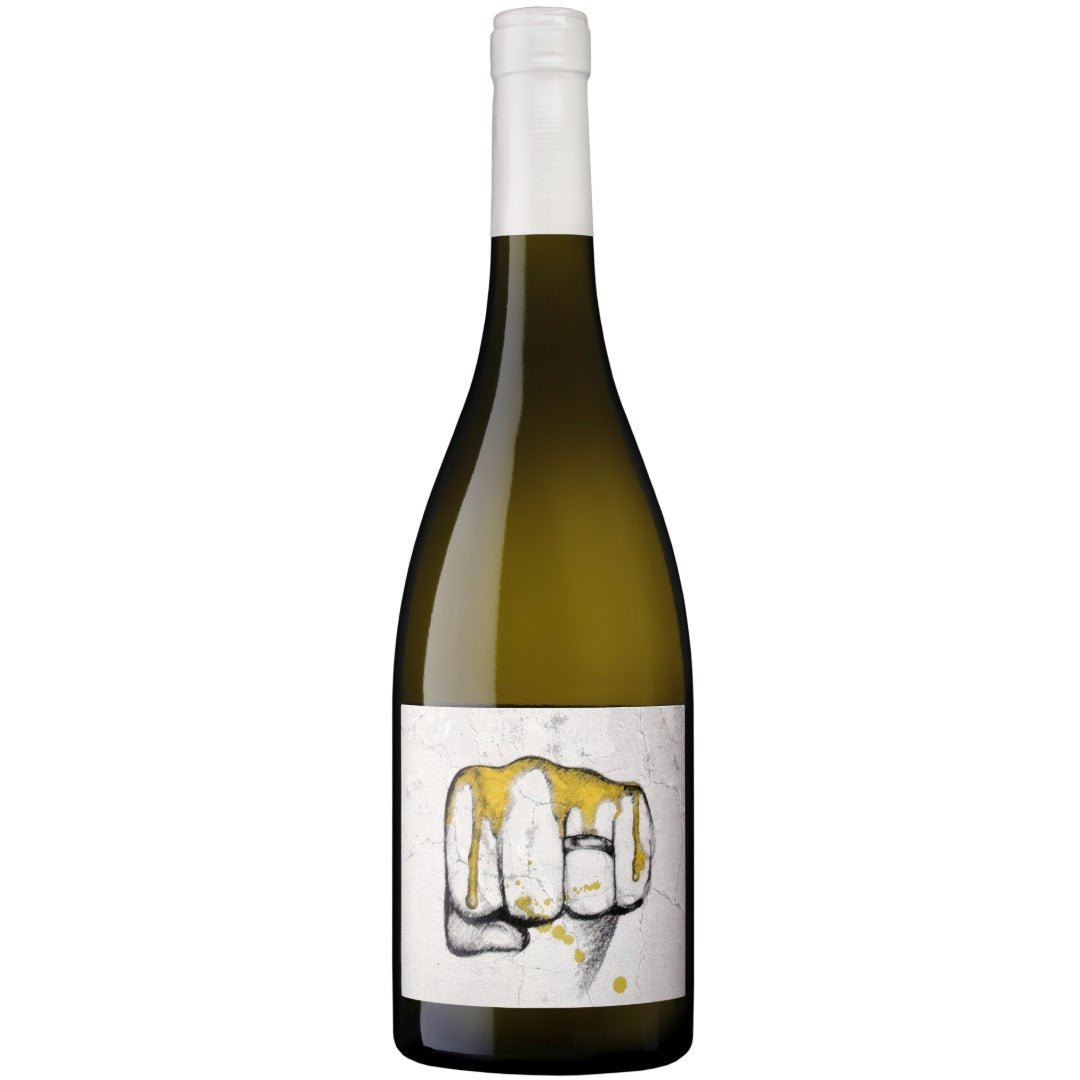
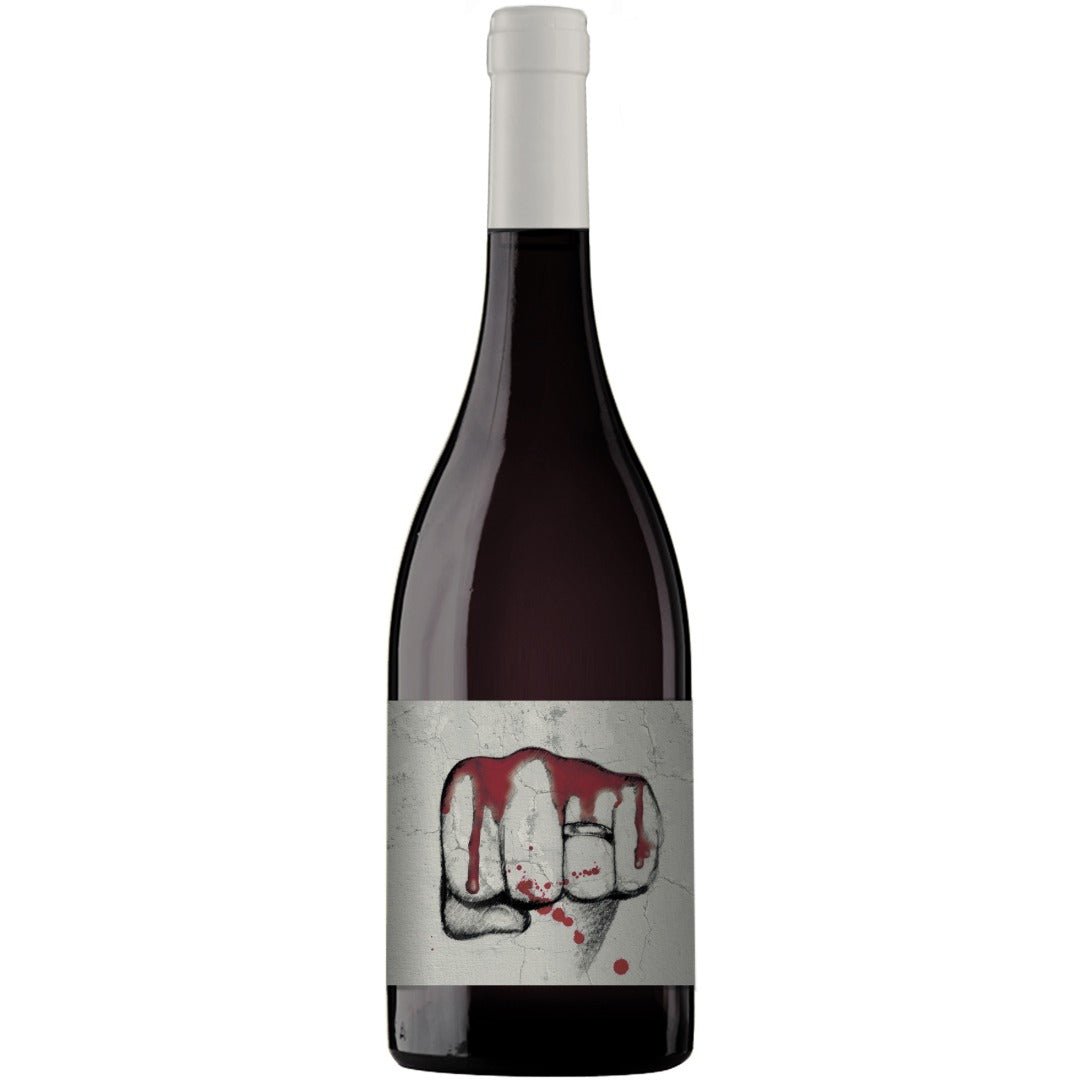
El Puno Tinto
El Puno, “the fist”. I think I might actually fight someone if they took a sip out of my glass of this. Garnacha is the best grape yeah, yeah, yeah, we’ve been saying that for years, but I think this might actually be one of the best Garnacha’s I have had in all those years. It is damned delicious!
There is a lot going on in this wine, but it is also a wine you can savour and enjoy without having to be patient, pop the cork and its good to go. It is not a pretentious wine, don’t feel that you need to sit and analyse it. It feels like it is just meant to be enjoyed for what it is, and what it is, is a damn fine bottle of wine!
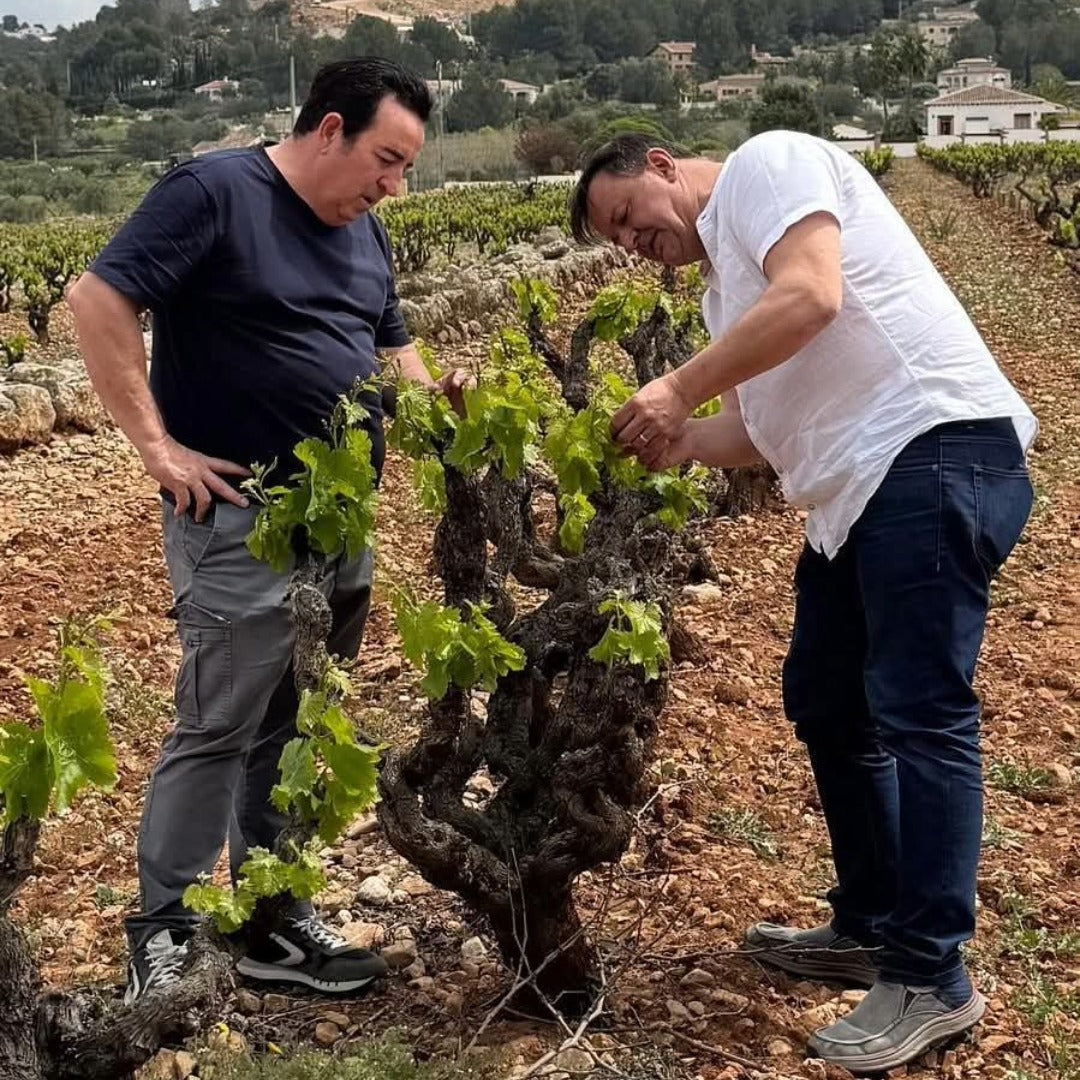
The Garnacha vines are 70-100 years old, cultivated at 1,000-1,100 metres altitude near the villages of Acered and Alarba in Aragon, in slate and quartzite soils. Found amongst mountain herbs, almond and olive trees - the bush vines are dry-grown at this extreme altitude, where annual rainfall is very low (200-300mm).All the fruit is rigorously selected and, as such, these old vines yield less than 1.5kg of fruit per vine. After picking the grapes are held for a minimum of 48hrs in a cool room. Following a selection of the bunches the grapes are crushed into tanks, where they are held at 8°C to cold soak for up to 10 days.
The temperature is then allowed to rise to bring on wild fermentation, and the tanks are plunged for gentle extraction. A couple of tanks were allowed an extended maceration to add weight and complexity to the blend. 40% of the wine was then aged in old, used, French oak barrels (500-650 litre) with low to medium toast. The component parts were blended, with some lees stirring, and bottled with a light filtration and no fining.
My initial first thought, with my captivated nose thrust deep into the bowl of the glass, was, "holy s**t that smells of Sumac!" Concentrated aromas of black fruit and spice lifted by notes of violet and thyme. The palate is serious and complex, with damson and black berry fruit balanced by ripe, rounded tannins, crisp acidity and a long and mineral finish.
Drink with a tagine. Tagine wine is good wine.
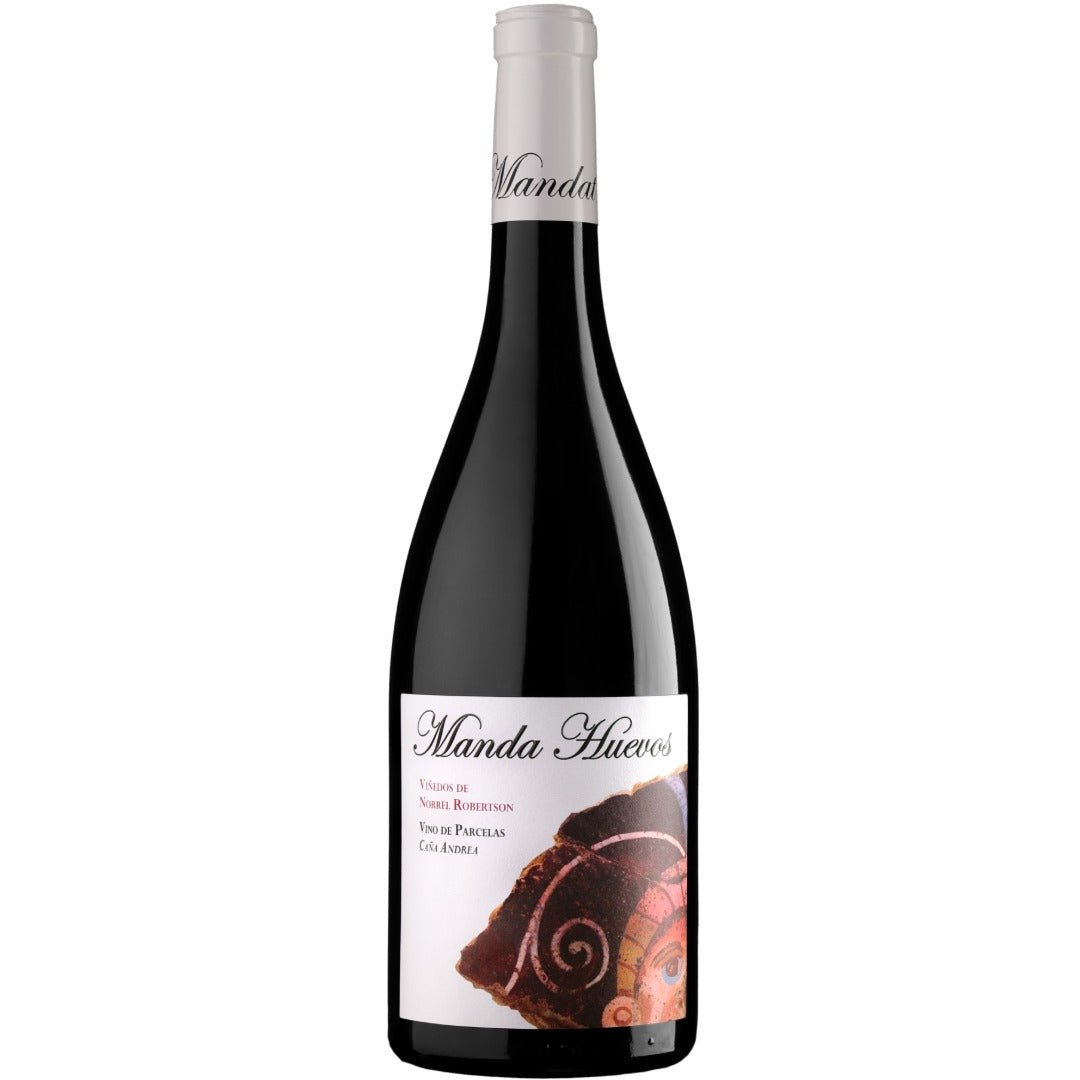
Manda Huevos Cana Andrea
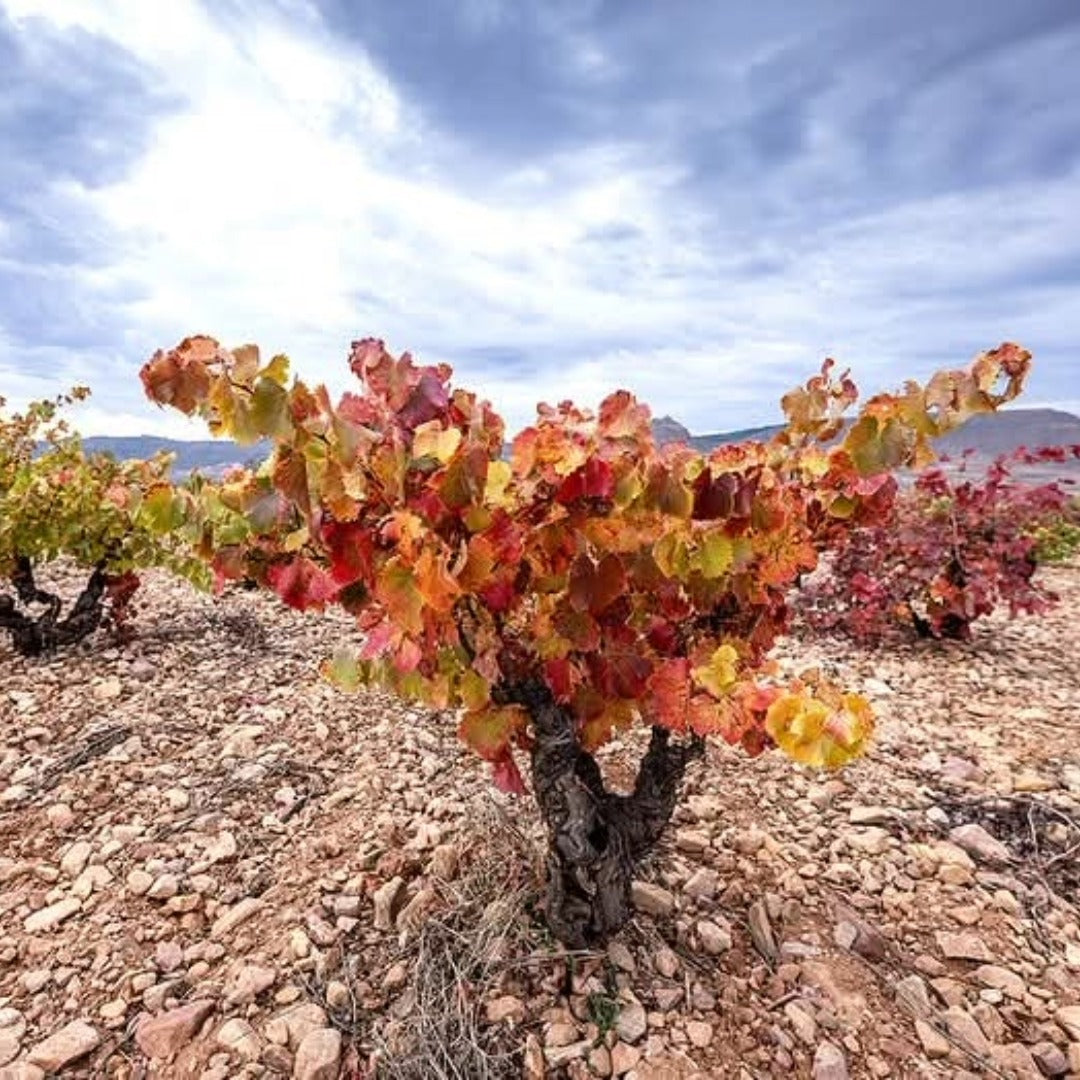
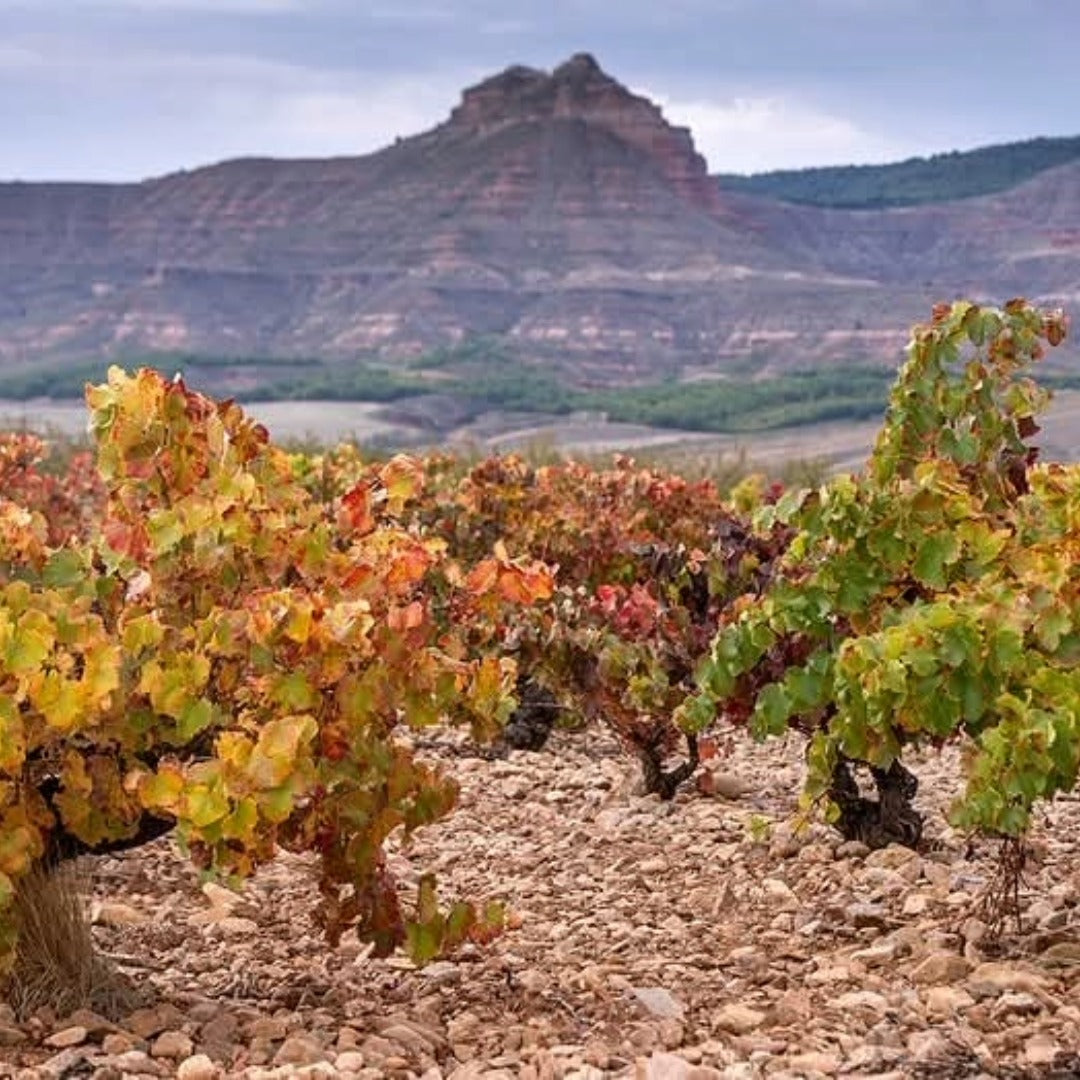
This one is a field blend. In these vineyard parcels, there are a whole heap of grape varieties, all planted intermingled with one another. One of parcels contains vines planted in 1908, just post phylloxera. The phylloxera louse decimated the worlds vineyards, when it came to replanting them, growers took a more experimental approach, to see which vines would work, these plantings were never grubbed up. We were shown a beautiful image of this vineyard site in autumn, awash in colour. Autumn is the best time to see the mismatch of vine plantings as the leaves of each varietal change colour at a different time.
This wine is produced from two vineyard parcels: Caña Andrea arriba - 0.8 hectare, planted in 1908, 80-85% Garnacha Fina with a smattering of some other varieties including Moristel, Bobal and Garnacha Blanca. This plot is north-east facing with gentle slope, 750 metres above sea level, where the soil is a mixture of red clay, pudding stones and limestone. Caña Andrea abajo – 0.7 hectare, planted in 1970, 100% Garnacha Fina. This site has similar soil characteristics, and is 730 metres above sea level, north-facing, and set within a red clay escarpment.
After harvesting the predominantly Garnacha grapes (90%) are crushed - 20% whole bunch - and all varieties are fermented together in an open-topped 5 tonne fermenter with punch downs for gentle extraction. Malolactic fermentation takes place partly on the skins, before they are pressed to a combination of three x 875 litre flextank eggs and one old 650 litre French oak barrel. The wine is aged 14 months sur lie, before assemblage in concrete, then bottling.
This is a wine I would describe as more “cerebral” than the El Puno. It is a wine that demands patience and some time to get to grips with it, it will present its flavours to you slowly, to its own schedule, not yours. Patience is very much rewarded here as the wine just keeps evolving. Delicate, pure and saline with a core of wild raspberry fruit balanced by notes of blue flowers and crushed mountain herbs.
This wine has the note the French would describe as, “garrigue”, that flavour of the herbs of Provence. For this reason, I would pair it with some lovely forest mushrooms cooked simply with garlic, butter and herbs.
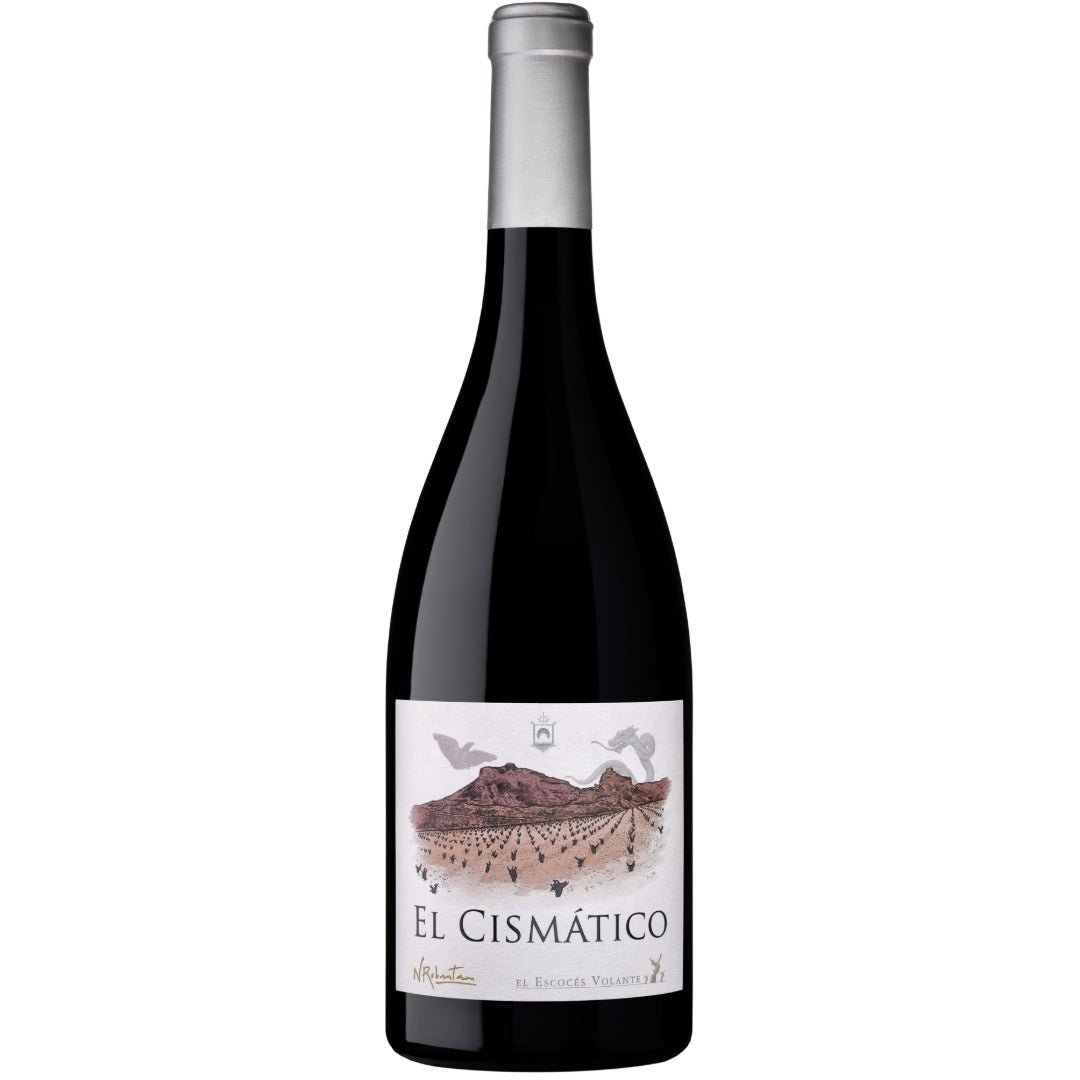
El Cismatico
The inspiration for the name of this wine comes from the schism of the Catholic church, when there were two popes sitting at the same time. One pope in Rome and then another in Avignon, (Chateauneuf-du-Pape - castle of the new pope). This new pope in Avignon was non other than Pope Benedict XIII, formally known as Pedro de Luna, an Aragonese nobleman from Calatayud. Interestingly, Saint Andrews University in Scotland was founded by papal bulls issued by Papa Luna and the Scottish Crown recognised him as the Pope until his death at the age of 92. There's a lovely Scottish connection for Norrel.
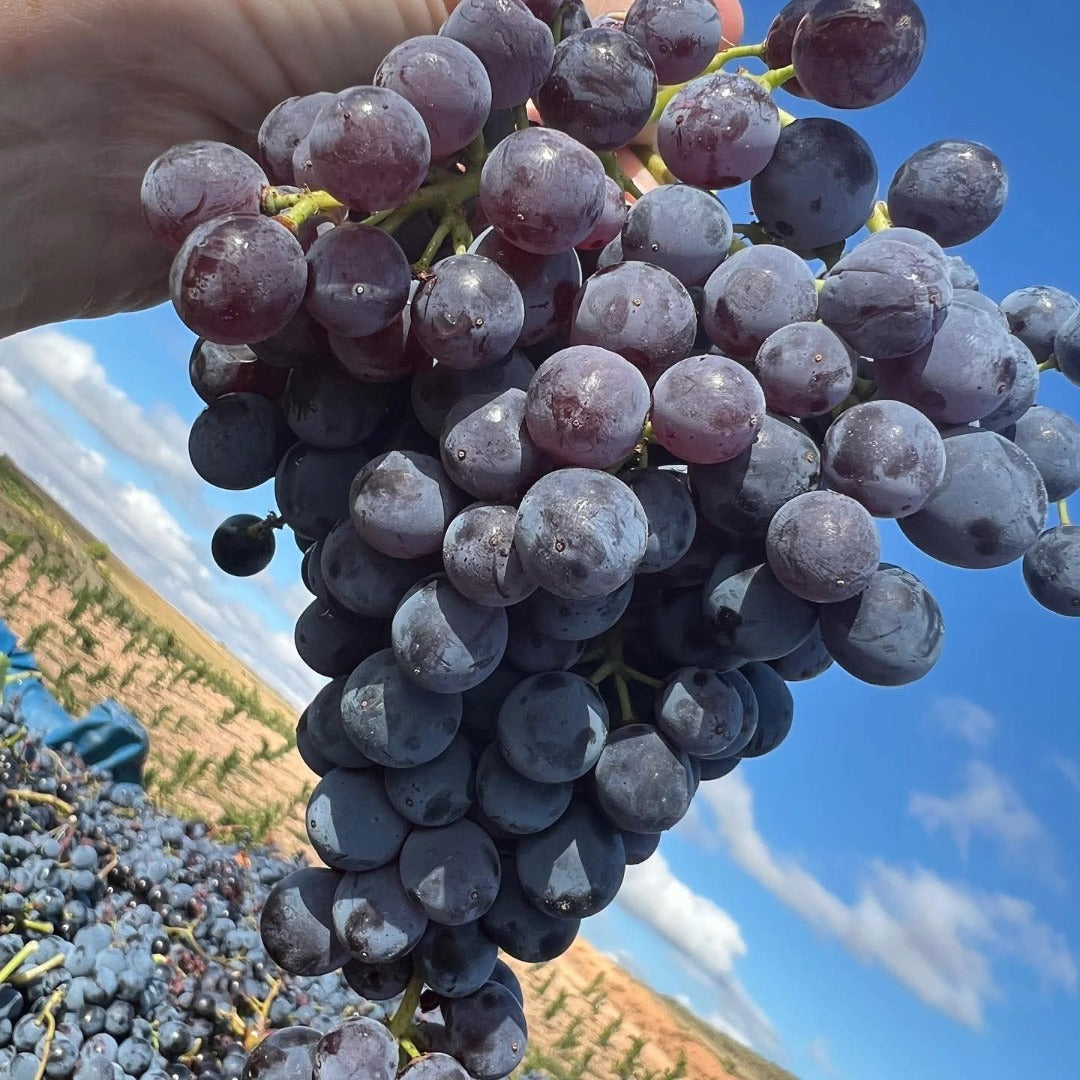
Produced from 100% Garnacha Tinta grapes sourced solely from the Armantes vineyards - two contiguous parcels planted between 1937 and 1942 (and almost 5ha in total). These are north-east facing with marl and limestone soils, at around 850 metres altitude.
The grapes are harvested into 20kg cases then stored in a cool room with controlled humidity. They're fermented together in an open-topped fermenter with 20% whole bunches included. Gentle punching down is applied once or twice a day during a long, slow, gentle fermentation - after the grapes have warmed up from their cold soak. Afterwards there is a long maceration, and malolactic fermentation on skins. After pressing, the wine remains sur lie in second use 500 litre, fine-grained French oak barrels for 13 months.
This is a 2020 vintage, so already has a bit of bottle age to it yet it still felt like a baby. The wine was showing beautifully, this definitely wasn’t infanticide we were committing, you could just sense the bones of the wine would be perfect for long cellaring. The nose, still very youthful, is deep and complex with constantly evolving aromas from wild red fruits, beets, dried orange peel and a light touch of mountain herbs as the wine opens up. The palate is characterful and nuanced with fine tannins, notes of wild raspberry and earth, and lifted violet characters.
This is a wine for a joint of lamb with mint sauce.
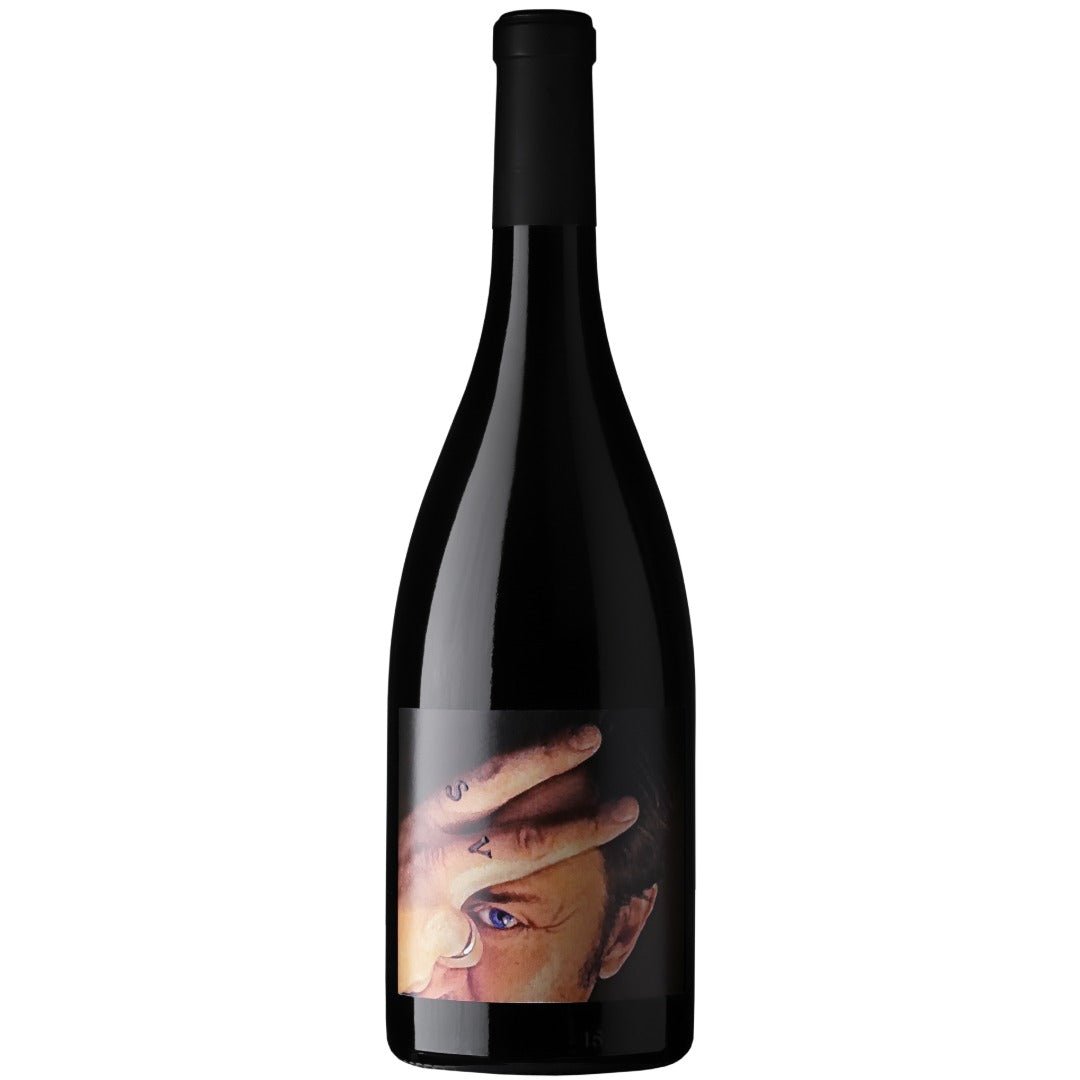
Dos Dedos de Frente
The final wine, and it’s a beast. This is another wine that is not permitted within the clasifications of Calatayud as the grapes are not permitted. Again, their loss.
There is a saying, “Dos dedos de frente”, in Spain that goes back to the debunked “science” of phrenology. Phrenology was a “science” where people believed they could identify personality traits from the shape of persons skull. A large bump on the back of the head for example, was believed to indicated a person could be a serial killer whereas a large expansive forehead indicated a person of intelligence. The saying, “Dos dedos de frente”, meaning that a person is so stupid that with only two fingers, they could cover their entire foreheads. A cunning dig at the regulators?
Predominantly Syrah with a touch of Viognier, all the grapes were sourced from the Finca del Val vineyard in Villarroya de la Sierra. This was planted in 2000, and is made up of 2 hectares of Syrah and 0.4ha Viognier at 950 metres altitude - the soil is strewn with pudding stones. The grapes were hand picked into 20kg cases, and stored at 1-2 degrees for 48 hours in a cool room before gentle crushing and cold soak for a further 6 days. Then the must was warmed and fermentation began with punch downs and pigeage.
The Viognier and Syrah grapes were harvested at the same time and were co-fermented. Then the wine was aged for 14 months in a mixture of old 650 litre French oak pipes, 500 litre old puncheons from Sylvain (French oak) and a very low toast selection of 500 litre Stockinger (Austrian) barrels.
Syrah is a naturally reductive grape, this one took a while to open up but once it did, it was awesome. Here, Norrel is making a similar style to that found in the Northern Rhone. As with many in the wine trade, this region in France is a place who’s red wines he found enthralling. This single-vineyard, high altitude, late-ripening Syrah blend is a ripe, meaty and supple red in the Rhône style whilst retaining a delicate perfumed character too.
You have to pair this with a steak, its just a classic pairing! I would be interested to put one of these down in the cellar for a decade to see if this develops the enchanting, curried characters that slowly emerge with an aged Cote Rotie.
That final, beefy wine wrapped up the tasting, but the washing up took hours. Never mind, the wine and company were both great. If you get the chance to visit us for these tasting evenings, please do! If you cannot, I am going to make a conscious effort to report on the ones I am a part of.

Thank you for your patience on this long post and thank you to Norrel and Sharon Robertson for hosting and sharing their stories and knowledge and thank you to Paul Nolan from Boutinot Wines, (no relation), for organising a fantastic evening.
Please do not forget, the super low limit you need to hit for free delivery to all Leeds Post Codes!


