Spotlight on Spanish Garnacha
Write up by Chris Nolan
Whether you have been a customer of ours for close to two decades or if you have been a customer for two minutes, you will have heard all of us at some point declare our unyielding fanatical love for Garnacha in all its forms. The head honcho, Chris Hill, can often and loudly be heard proclaiming that Garnacha is the best grape!
The origins of Garnacha are still debated to this day. The grape is grown across Southern France where it is known as Grenache. The Languedoc/Roussillion regions produce some fantastic examples at great prices, it is a key component in the world famous and widely imitated roses of Provence. The most famous examples from France are found in the Southern Rhone, notably Chateauneuf Du Pape. Despite all these famous examples, the French do not actually claim the grape as their own, giving that honour to the Spanish where it is thought to originate from the vineyards of Calatayud in Aragon.
One place disputes Garnacha’s birthplace being of Spanish origin, that place is Sardinia where the grape is known as Cannonau. Sardinia was once under the control of the Kingdom of Aragon so this is possible, but there is a wider range of genetic variation for Garnacha vines grown in Aragon that would support the vine being of Spanish origin.
Why Garnacha is great
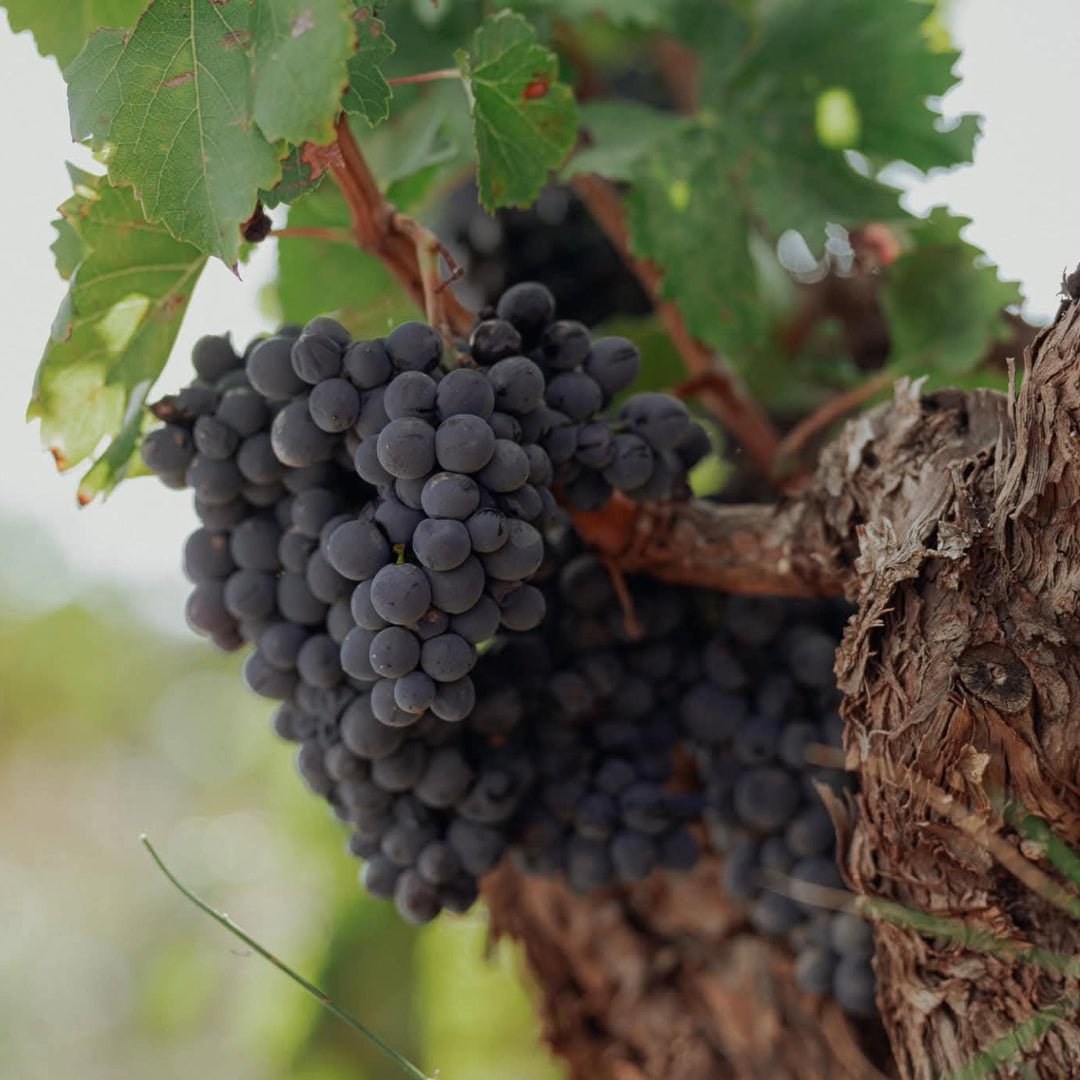
Garnacha is currently the second most widely planted grape in Spain after Tempranillo, the star of the show in Rioja. As with Tempranillo, Garnacha is grown in almost every region in the country. Garnacha was looked down on for a long time, often hidden away in blends but increasingly, as fashions change, it is seen as a single varietal with its own strengths and qualities.
Garnacha has long been a workhorse grape. The vine is hardy, with strong woody frames that make it wind resistant. It is also drought resistant, making it perfect for arid climates such as those found around Spain. When the vines are young, the yield of grapes is generous to say the least! It is these generous yields that likely led to the spread of Garnacha, providing plentiful albeit rough wine for the populous.
With that reputation, it may seem ridiculous that we should be as obsessed with the grape as we are, but when Garnacha is treated with the respect it deserves in the vineyard, the results can be spectacular. The key to great Garnacha is in reducing the yields and the vigorous growth so the vines concentrate all of their energy into the fewer remaining bunches of fruit.
To reduce the vigour of the vines, dry farming is important. Without irrigation, the vines have to work harder to find water so develop deeper root systems to tap into the water table. This makes them more self-reliant. The reduced access to water also creates smaller more flavourful berries. Irrigation, particularly closer to harvest time, can swell the grapes with let’s face it, boring tasteless water. This is a key reason why a lot of your supermarket wines can be a bit bland, being made from over cropped, irrigated vines with insipid fruit.
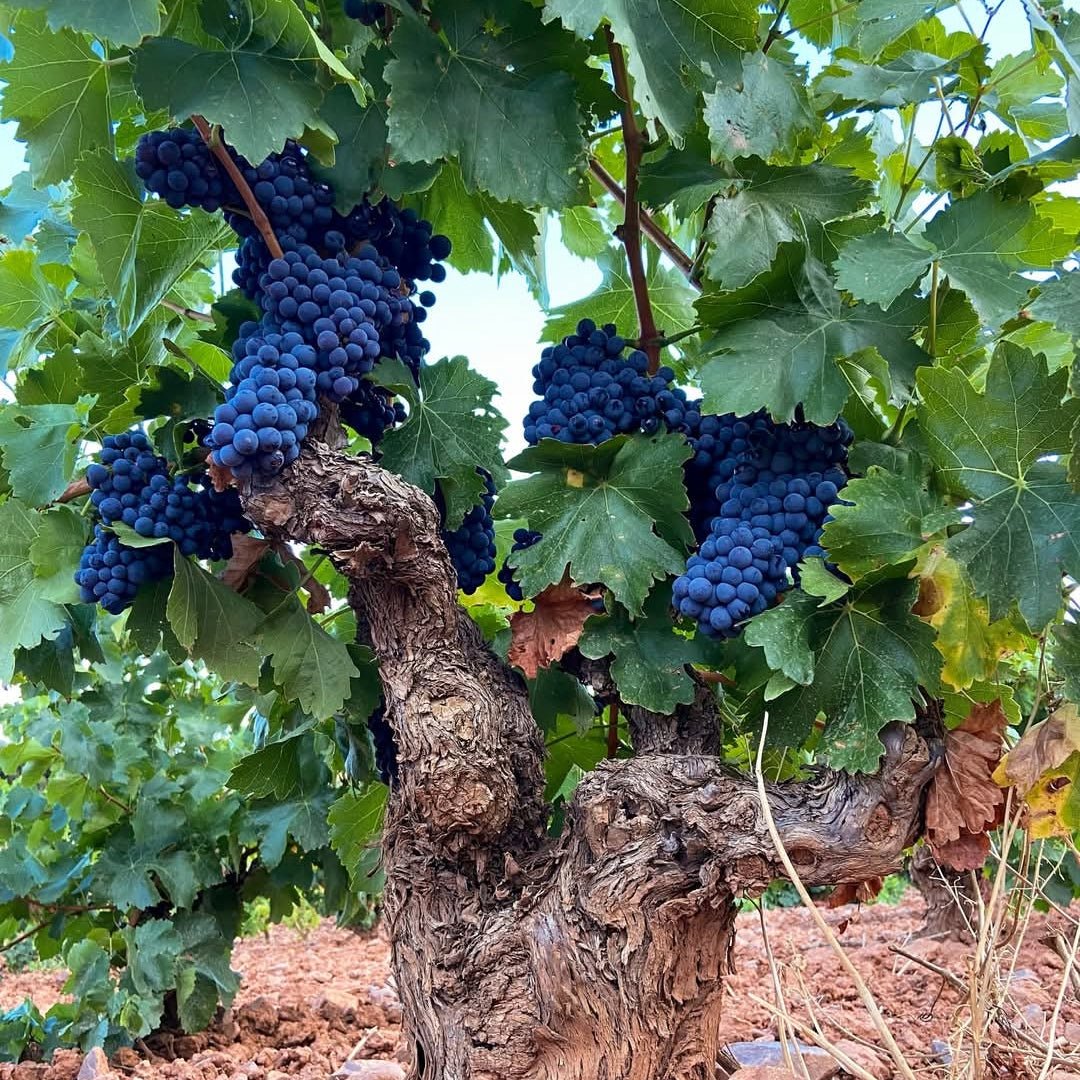
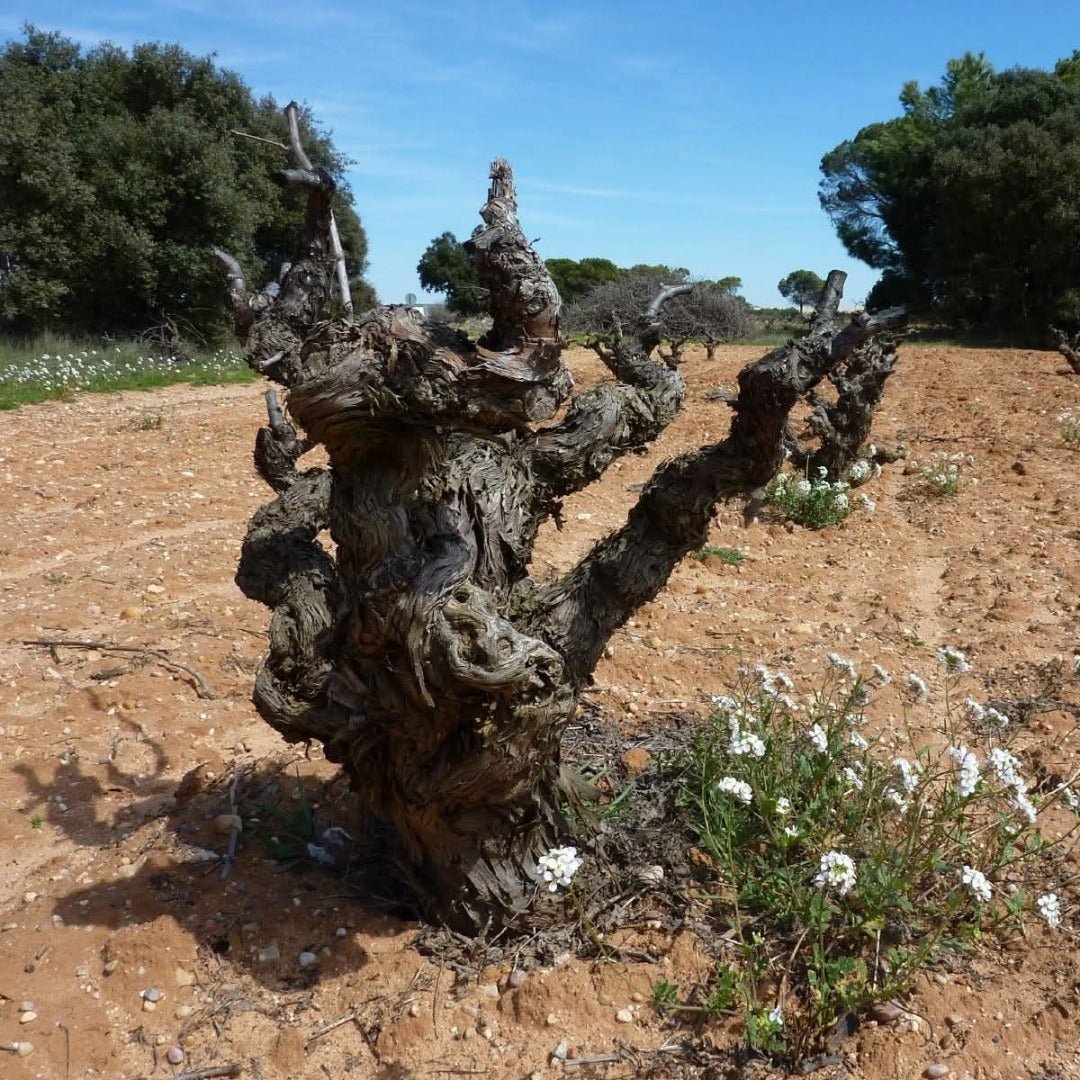
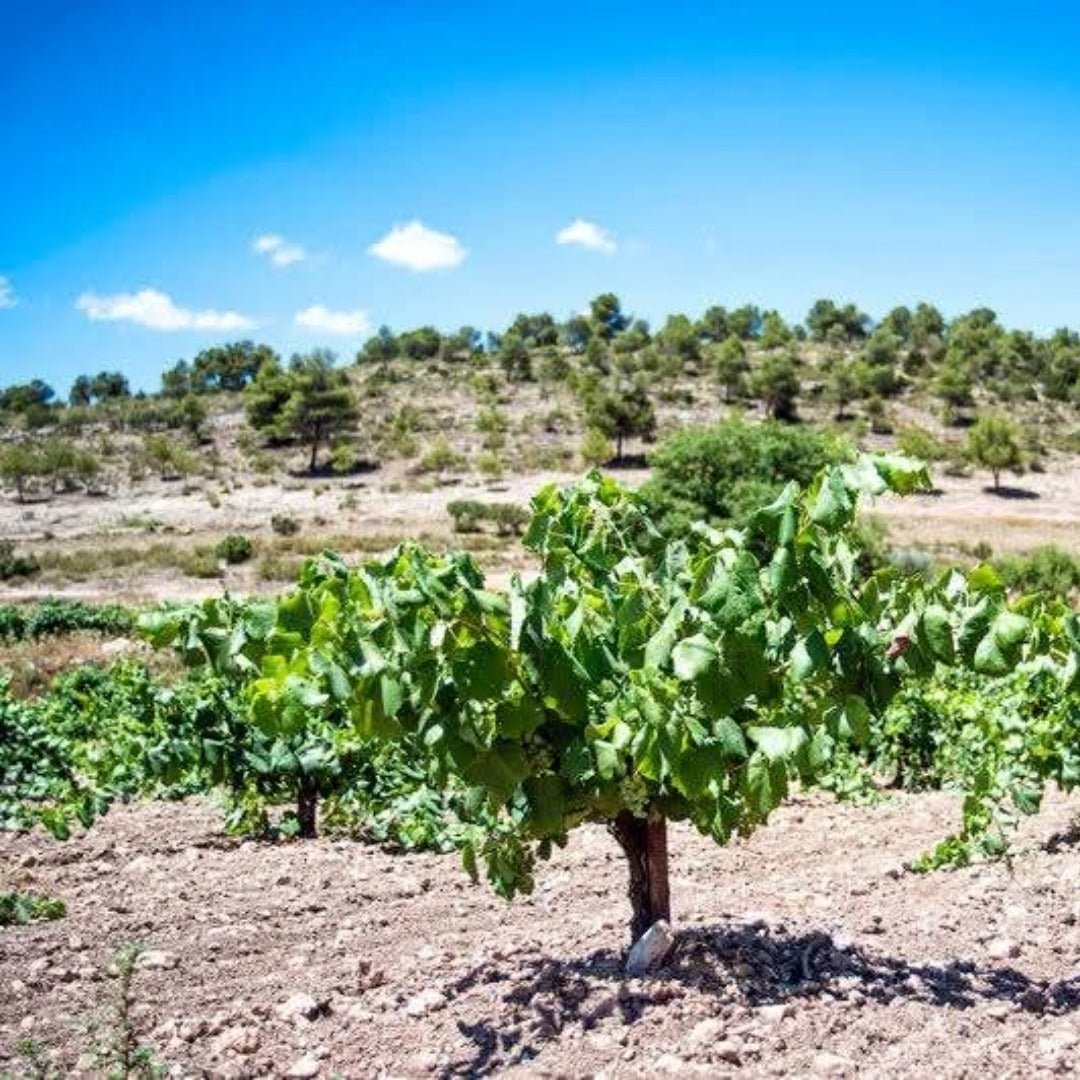
Vine age is another key attribute to the top-quality Garnacha’s produced around the world. As vines age, they enter different stages of their life cycle. In the early stages of their life, all the vines energy is put into growing the plant, throwing out stems and leaves which need to be managed in the vineyard. The common method for growing Garnacha vines, is to train them into bush vines. Bush vines are impossible to machine harvest once they are grown, instead needing to be hand harvested. The trade-off for the increased labour is added benefits in arid climates. A key benefit of bush vines is in helping the grapes thrive without irrigation due to their deeper root systems. A second key benefit is that the vines canopy of leaves also provides natural shade to protect the all-important grapes from sunburn and improve air circulation to reduce disease.
After the initial growing stage, the next stage of the vines lifecycle is to try to reproduce, directing its energy into producing more, and more grape clusters in an attempt to maximise the chance that the vines DNA will spread. This is the part of the lifecycle where the vines vigour needs to be controlled in order to get tasty, concentrated fruit.
The final stage is when the vines are classified as old vines, where the vines energy is now directed more to survival. As with other species, the canny old vines have learned to make sure that the fewer berries they do produce are even more delicious to not only birds, but more importantly, us. Meaning that they will be chosen instead of the fruit from the younger vines!
You can find our full listing of Spanish Garnacha's here including reds, whites and rose. For now though, I would like to bring your attention to some fun favourites.
Garnacha’s of Spain
Aragon
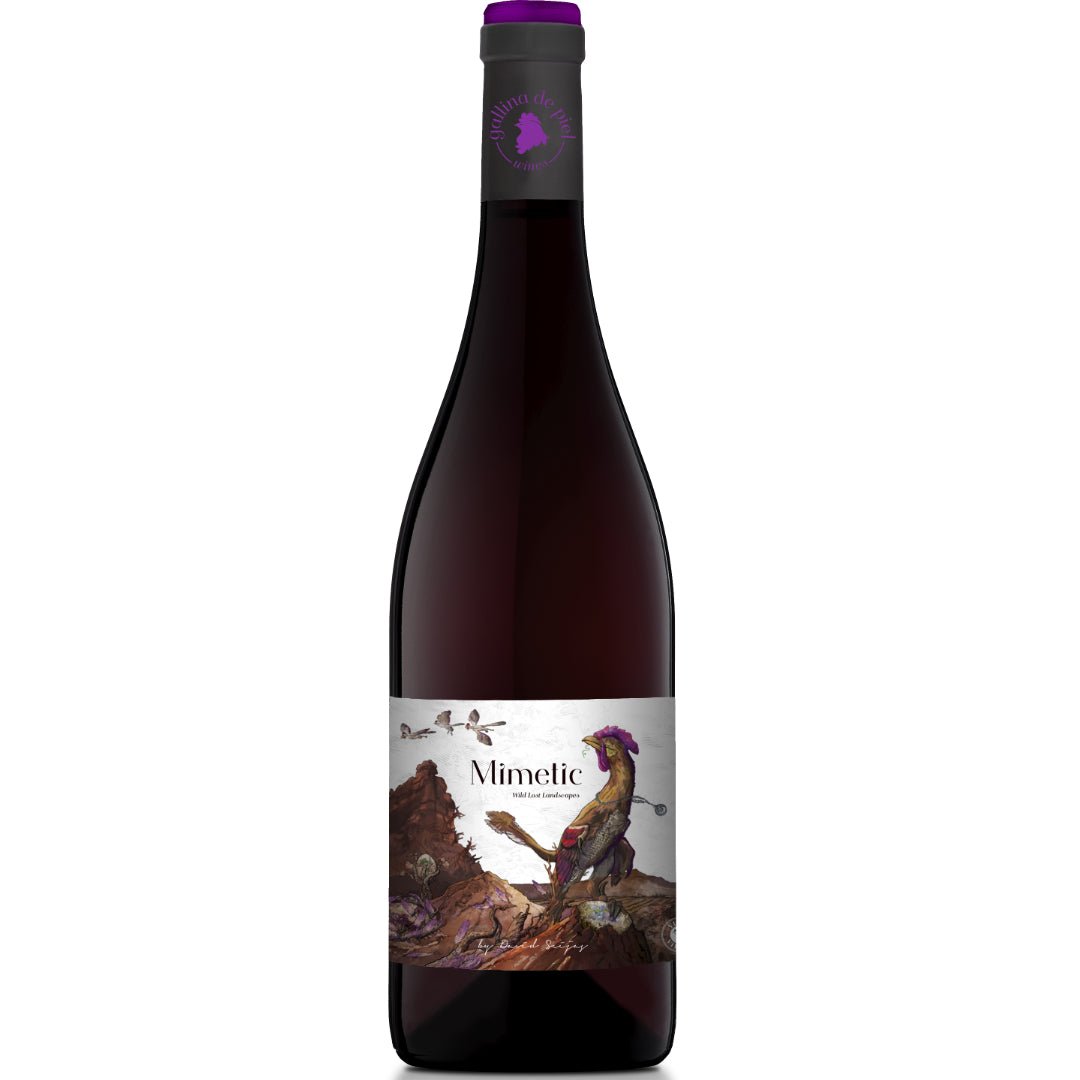
Gallina De Piel Mimetic Rojo
We are starting our Garnacha tour in Calatayud, Aragon. Hilly and dotted with ancient, Roman architecture interspersed with Moorish and more modern Christian examples. This is one of the regions thought to be the birthplace of Garnacha so this is the obvious place to start.
“The Scary Chicken Wine” as we call it here, is part of a project made by David Seijas, the former Head Sommelier at three-Michelin-starred restaurant El Bulli. Coming from this position, he knows a thing or two about wine! ‘Mimetic’ is sourced from 40 to 80-year-old Garnacha vines grown on deep, red clay soils with large surface pebbles. This arid, semi-desert landscape sits at 750 – 1,000 metres above sea level, with its hot continental climate tempered by cool nights which help retain refreshing acidity in the grapes. The final wine is aged in concrete for six months, creating a bright, juicy expression of Garnacha with lively freshness. What I truly love about this wine is the gravelly feeling of the tannins in the mouth, making it a fantastic pairing for mature, grainy cheeses such as vintage cheddars…it must be those surface pebbles…


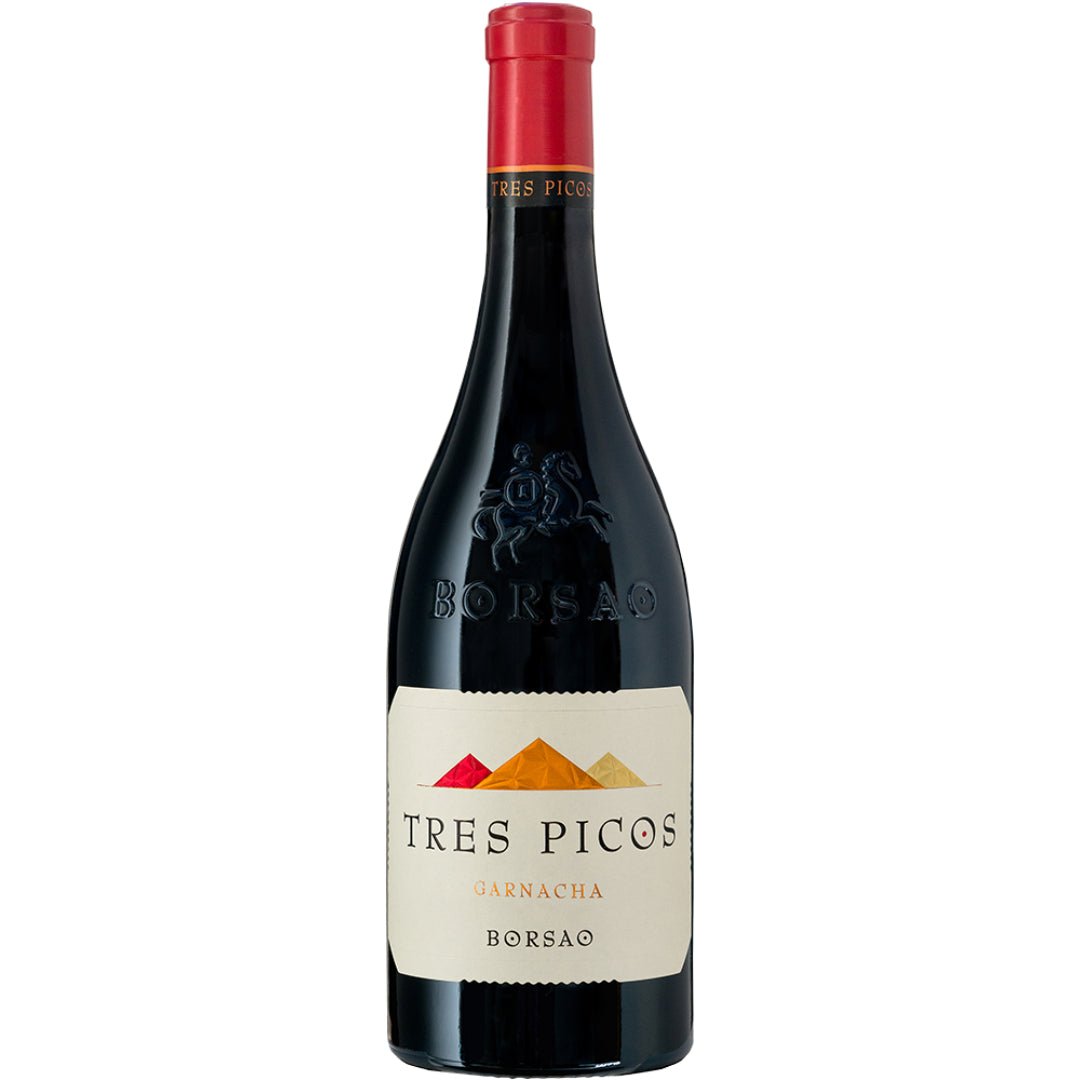
Borsao Tres Picos
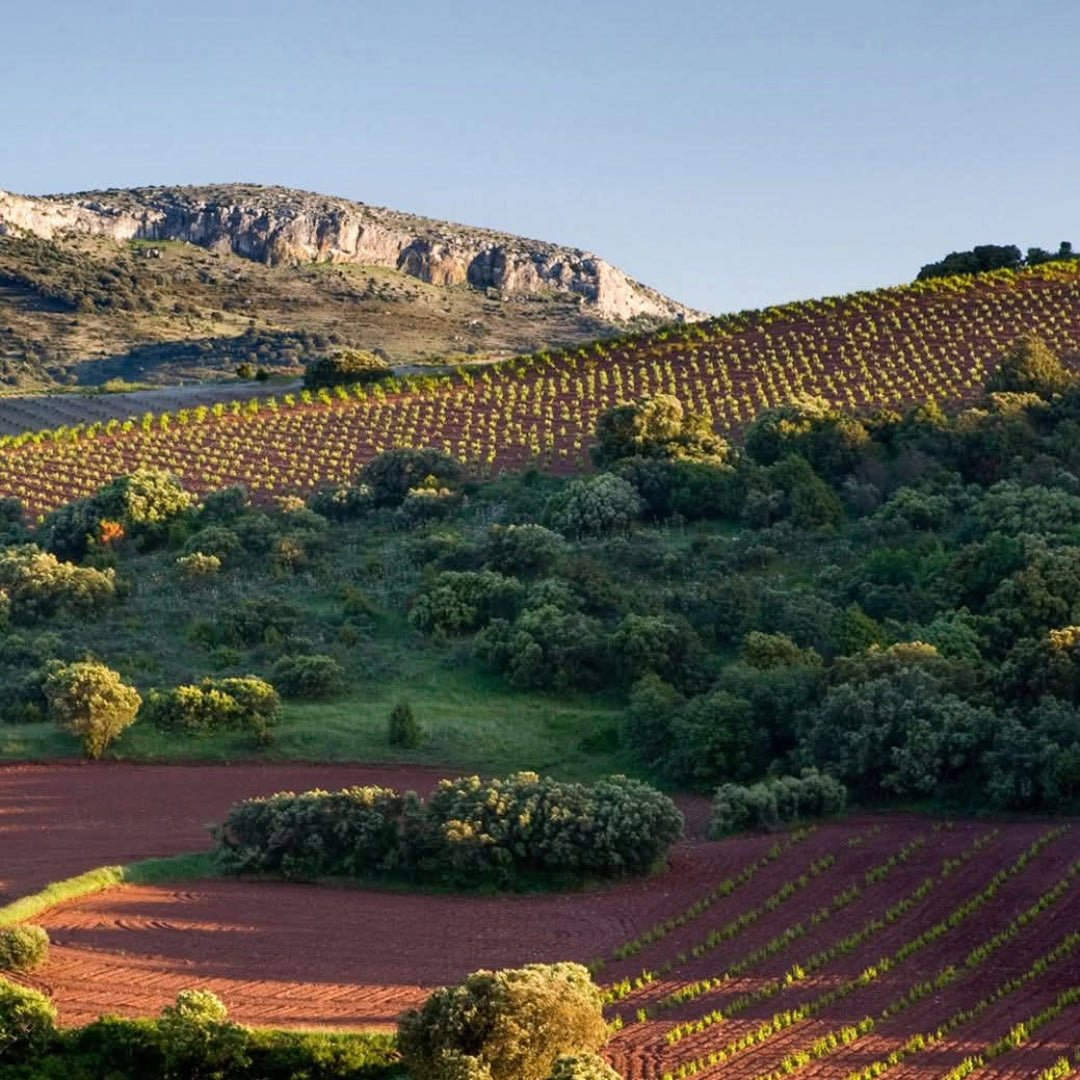
"El Imperio de la Garnacha" ("the Empire of Garnacha"), is how the locals refer to Campo de Borja, the region that Bodegas Borsao calls home. Campo de Borja is just Southeast of the world famous Rioja DOCa which focuses more on Tempranillo, though does grow a huge amount of Garnacha in its own right.
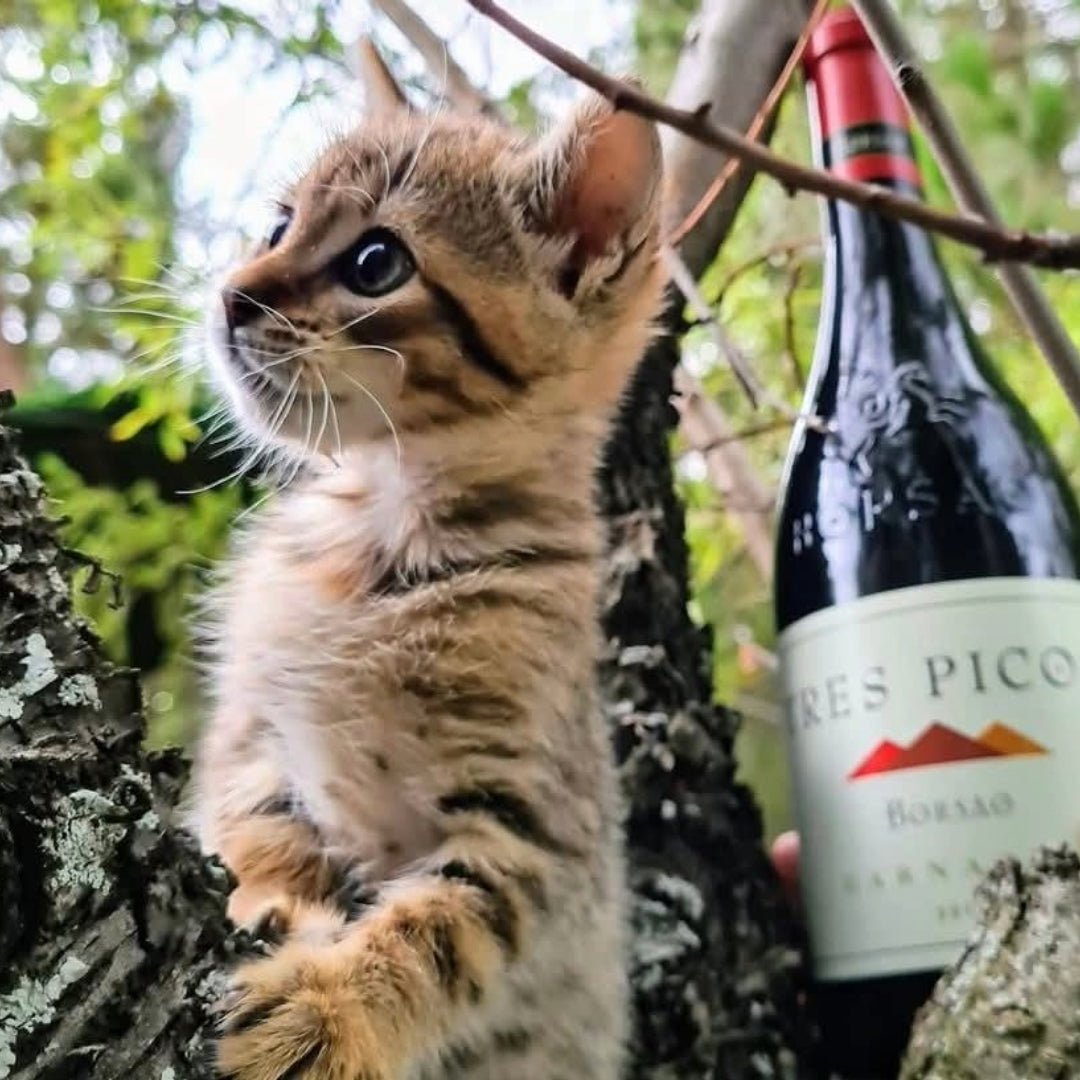
Tres Picos has been on our shelves for almost 18 years now and on the very rare occasion that we get in a new staff member, this is the first wine they are recommended, (forced), to take home. The reason is to show how good Garnacha can be and why it is the best grape. Why does Campo de Borja produce such fantastic Garnacha? Well, the region provides exactly the challenging, arid climate that Garnacha requires to produce high quality grapes, also the average age of the vines in the whole region is 30-50 years old!
Borsao was established as a co-operative in 1959. In 2001, it joined with two other progressive, co-operative cellars in the Campo de Borja region to become the Bodegas Borsao that we know today. Grapes are sourced from over 375 member growers covering 2,400 hectares - nearly a third of the region's total. The majority of these grapes end up in the modestly priced “Borgia” range, these wines while remarkably good for how little they cost are not a patch on the Tres Picos.
Tres Picos, Three Peaks, if you are not familiar with Spanish, is a wine made from Borsao's oldest Garnacha vines, up to 60 years old, planted on uneven clay and limestone soils in the Alto Moncayo - at an altitude of 600-700 metres and aged for 5 months in French oak barriques. The result is a full-bodied, hedonistic expression of Garnacha that has been known to hit 15.5% ABV in warmer vintages. This generous wine deserves a decadent treat such as Chorizo cooked in cider!
Catalunya
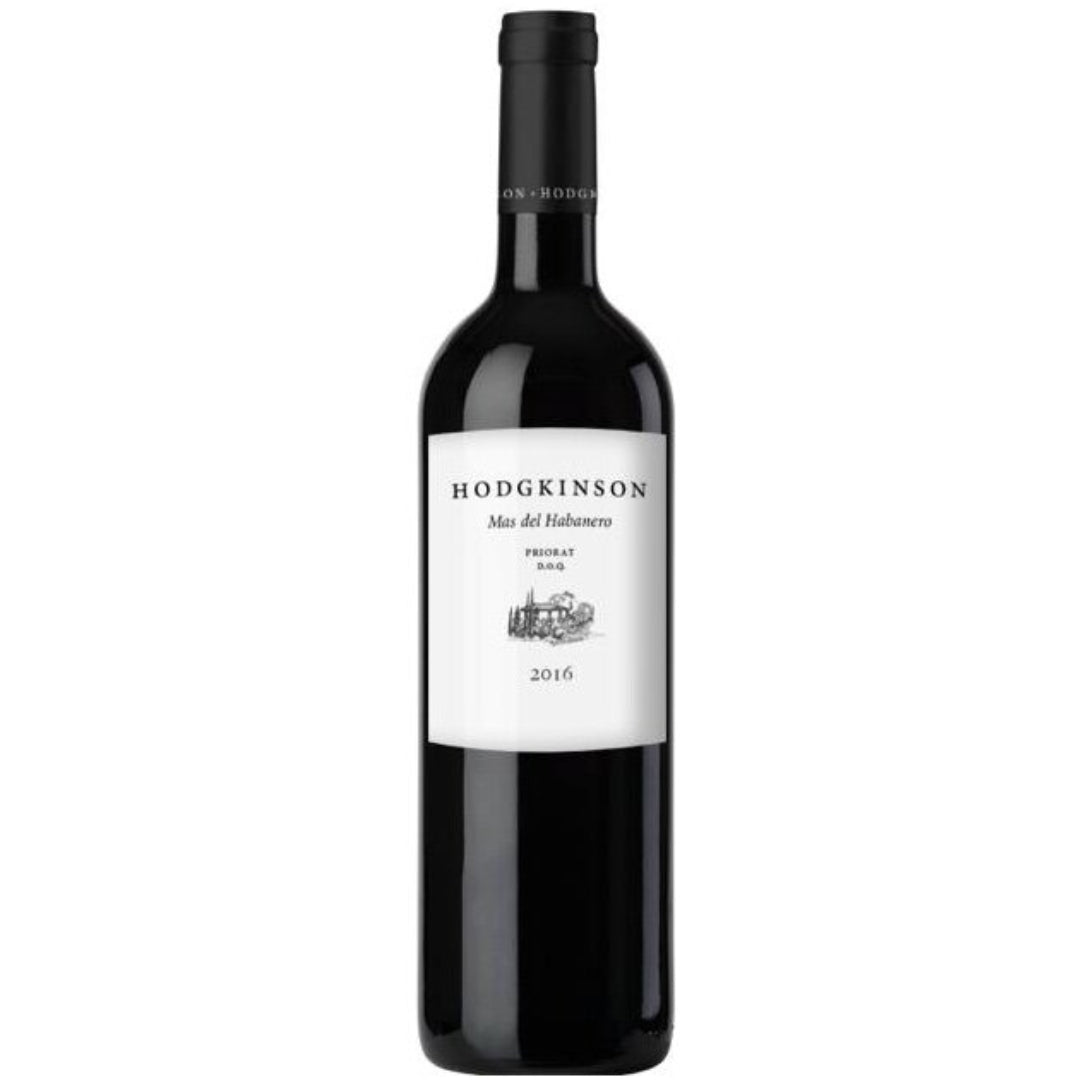
Hodgkinson Mas Del Habanero Priorat
The region of Priorat in Catalunya produces some of the finest wines in the whole of Spain. This is not simply my opinion, it is codified in the laws of Spain’s wine designation, as one of two DOCa’s, at the top of the wine hierarchy pyramid, the other being Rioja.
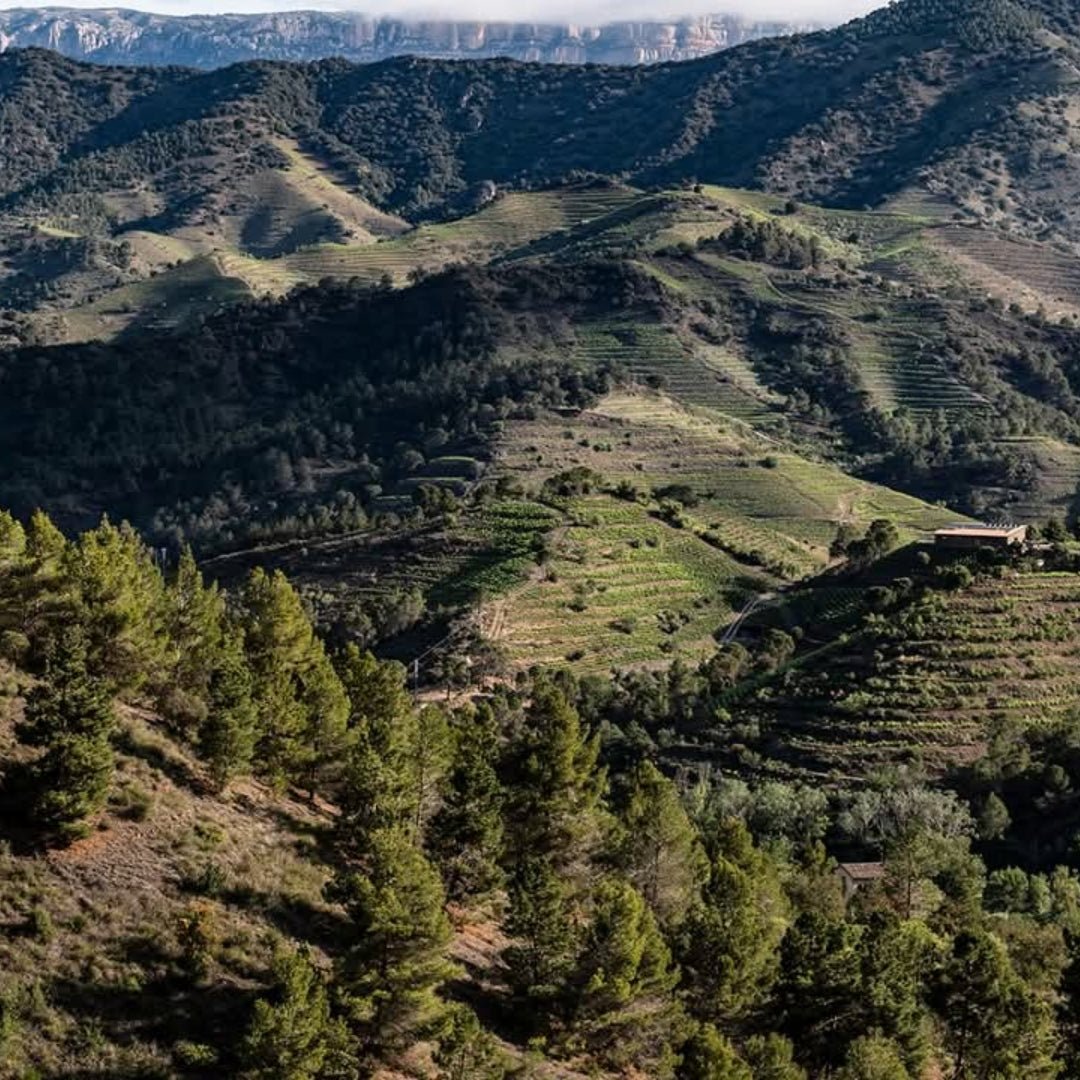
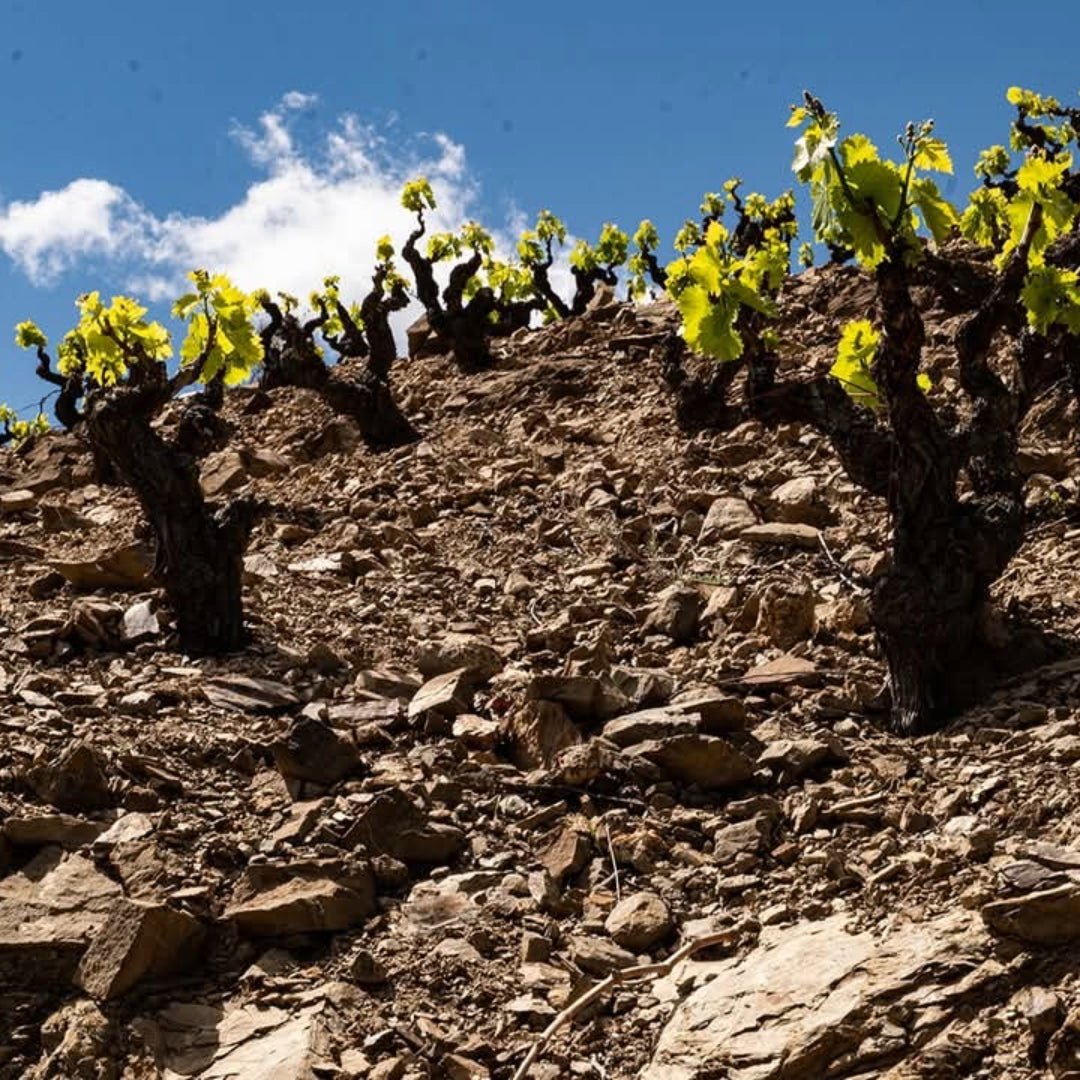
Priorat is often compared to Chateauneuf du Pape, as they are both famous for quality and Garnacha. Here in Priorat, Garnacha is most commonly blended with another Spanish grape, Carignena, or just Carginan in France. Priorat’s vineyards are planted at high altitude in "llicorella" - a free-draining, nutrient-poor soil made up of partially decomposed slate and quartz. Spain's hot, dry vineyards are known for their low yields, but Priorat's vines are low yielding even by Spanish standards, and as we have learned, lower yields produce more flavourful berries! The dryness here is no joke, the rainfall here is tiny, an average of a mere 500mm annually, this is comparable to Jerez in the far South of Spain!
Hodgkinson is arguably our favourite Priorat with a high proportion of 85% Garnacha Negra with 15% Carinena blended in to increase colour, tannin and acidity. The wine is matured for 24 months in a combination of 500 litre French oak barrels with only 25% of them being new oak, (older oak being the majority means the wine is still elegant and not swamped with oak), the rest of the wine is aged in 500 litre clay amphorae which provides an amazing texture. Fresher on the palate than many Priorat’s I have come across, this is still rich and full, with flavours of tobacco, plums and pepper, it is a gastronomic beast!
La Pilosa Garnatxa Peluda, Herencia Altes
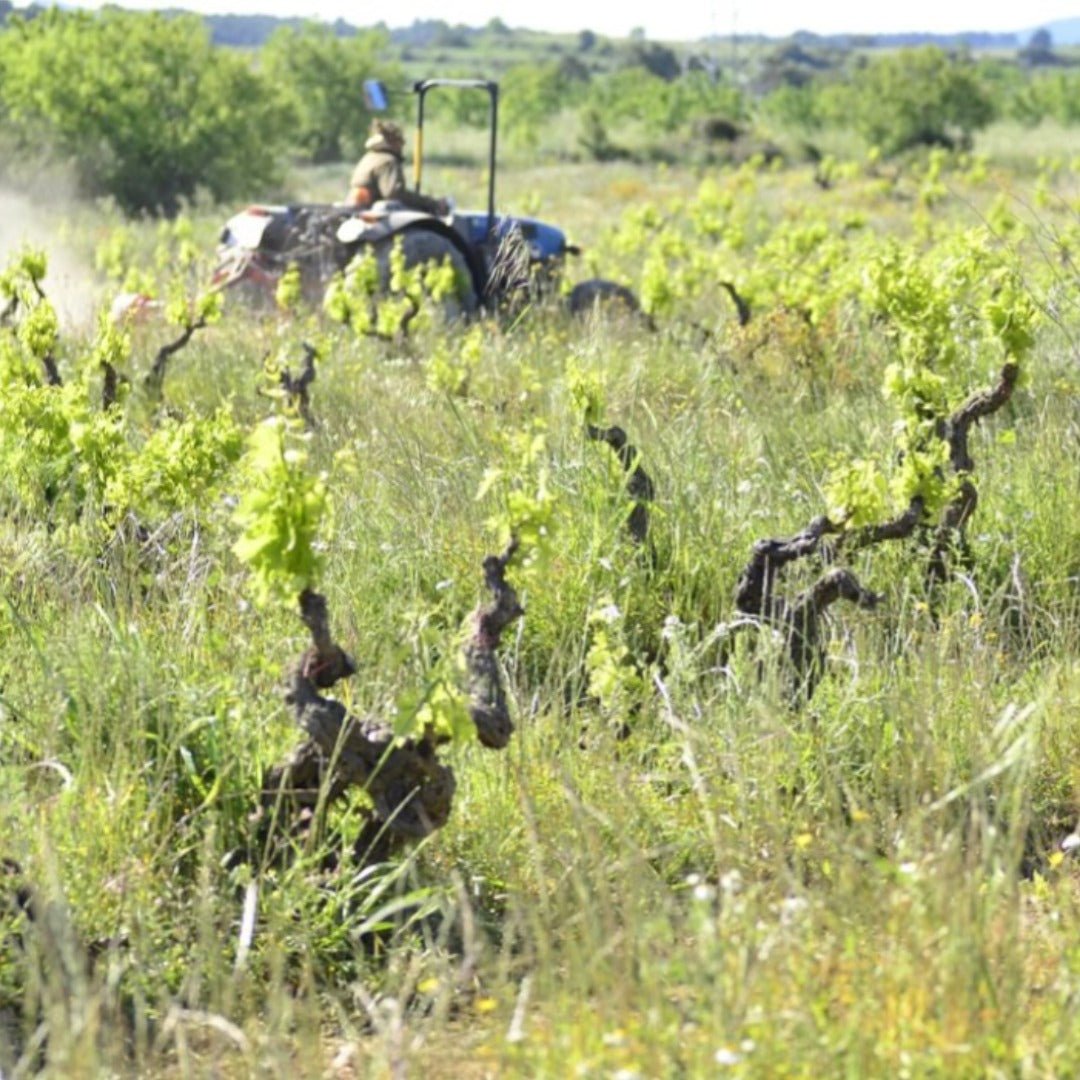
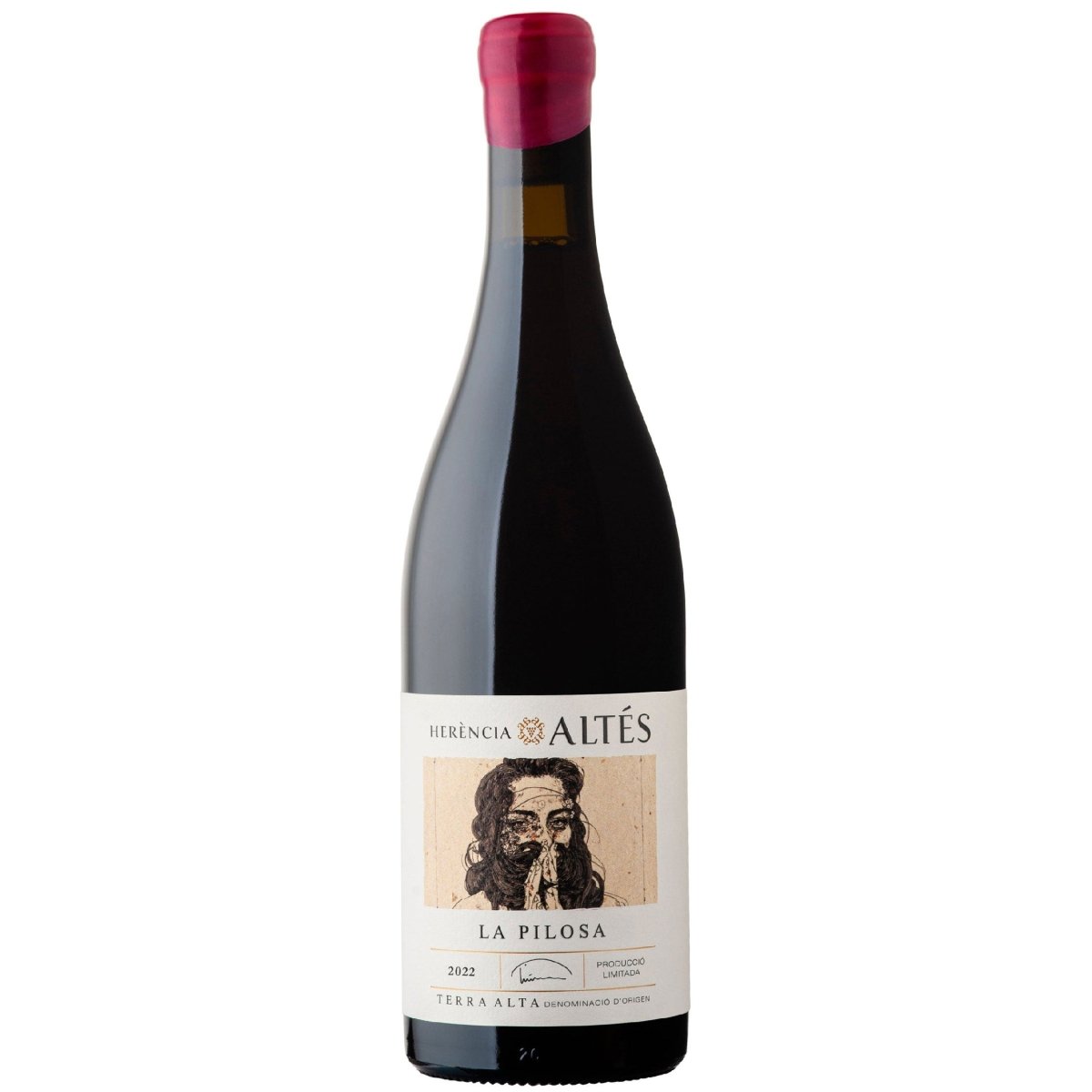
Staying in Catalunya, here we have our first of two different mutations of Garnacha, sorry, Garnatxa, sneaky Catalans! This version is Garnatxa Peluda, more simply known as hairy Garnacha! No, the berries are not like grapey kiwis, it is the leaves that are covered with fine hairs, not the grapes, so don’t worry about a furry textured wine. These hairy leaves do have a purpose, the hairs around the stomata on the vine leaves help to trap and retain moisture so the vines are even better in arid climates than standard Garnacha Negra!
Garnatxa Peluda’s trademark hairy leaves have the added bonus that it is harder for small pests to munch on the leaves themselves. It is not just the leaves that differ from the more common Garnacha Negra. The wines themselves tend to be lower in alcohol and are lighter on the palate, almost leading the wine to be more “Pinot Noir-y” in style.
To elevate this fresher more vibrant style of Garnatxa, Herencia Altes have treated this wine gently in the vineyard and in the winery. Hand harvested fruit is fermented in concrete tanks with 50% whole bunches, similar to production in Beaujolais. The wine is aged in huge 5000 litre Austrian foudre’s to add complexity to the wine without the effect of oaked flavour characteristics. All this gentle treatment allows the natural spice of the Garnatxa to show. Notes of clove, black pepper and Mediterranean herbs are the highlights here, backed up with waves of creamy raspberry.

Central and Southern
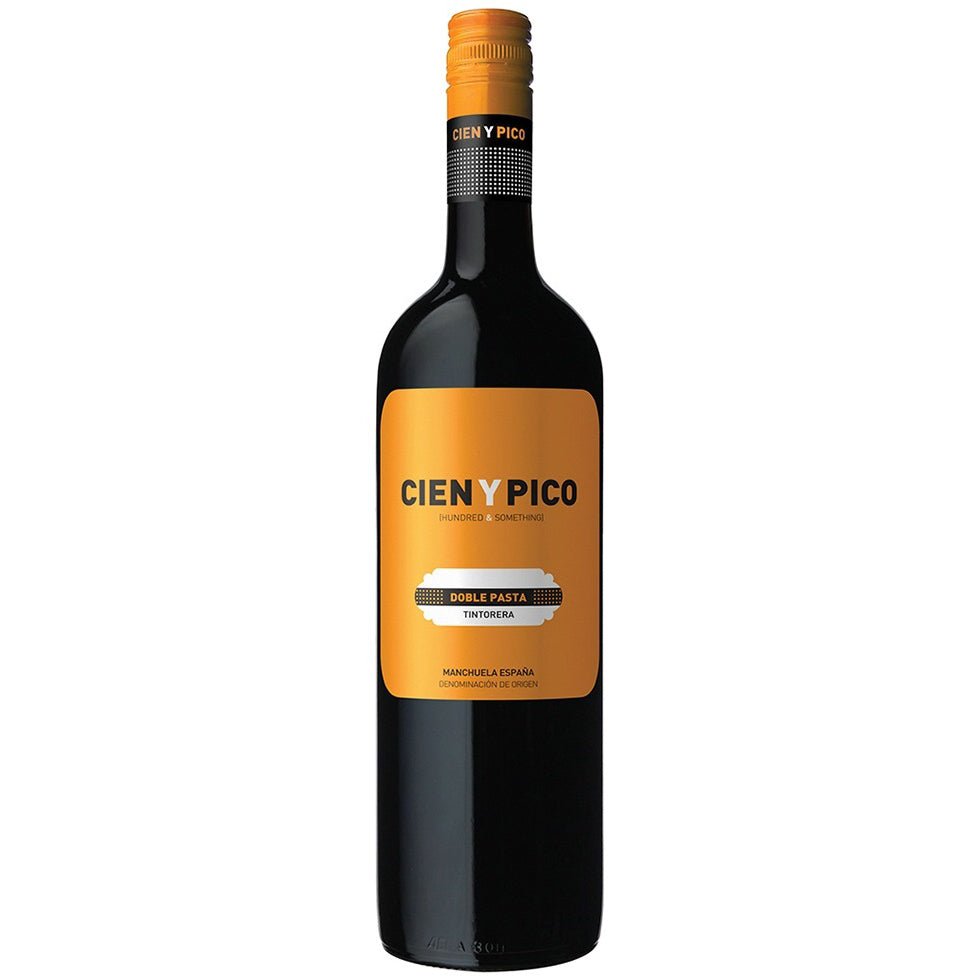
Cien Y Pico Doble Pasta
This is our second Garnacha mutation, Garnacha Tintorera, also known in France and Portugal as Alicante Bouchet. This grape is a crossing of Petit Bouschet and Grenache Noir that was introduced in 1855 so is very well established. The key difference between classic Garnacha Negra and Garnacha Tintorera is the colour of the fruits flesh. Almost all red grapes used for wine production have clear flesh, whereas Garnacha Tintorera is one of the very few quality wine grapes with red flesh, the only other example is Georgia’s Saperavi varietal. The combination of the red skins and red flesh creates an inky, opaque juice with more concentrated flavours.
Cien y Pico, meaning “Hundred and Something”, is based in the baked, arid planes of Manchuela, to the West of Valencia. Here they are producing some exceptional old vine wines. In fact, the name, Cien y Pico, is a direct reference the age of the ancient vines these wines are made from.
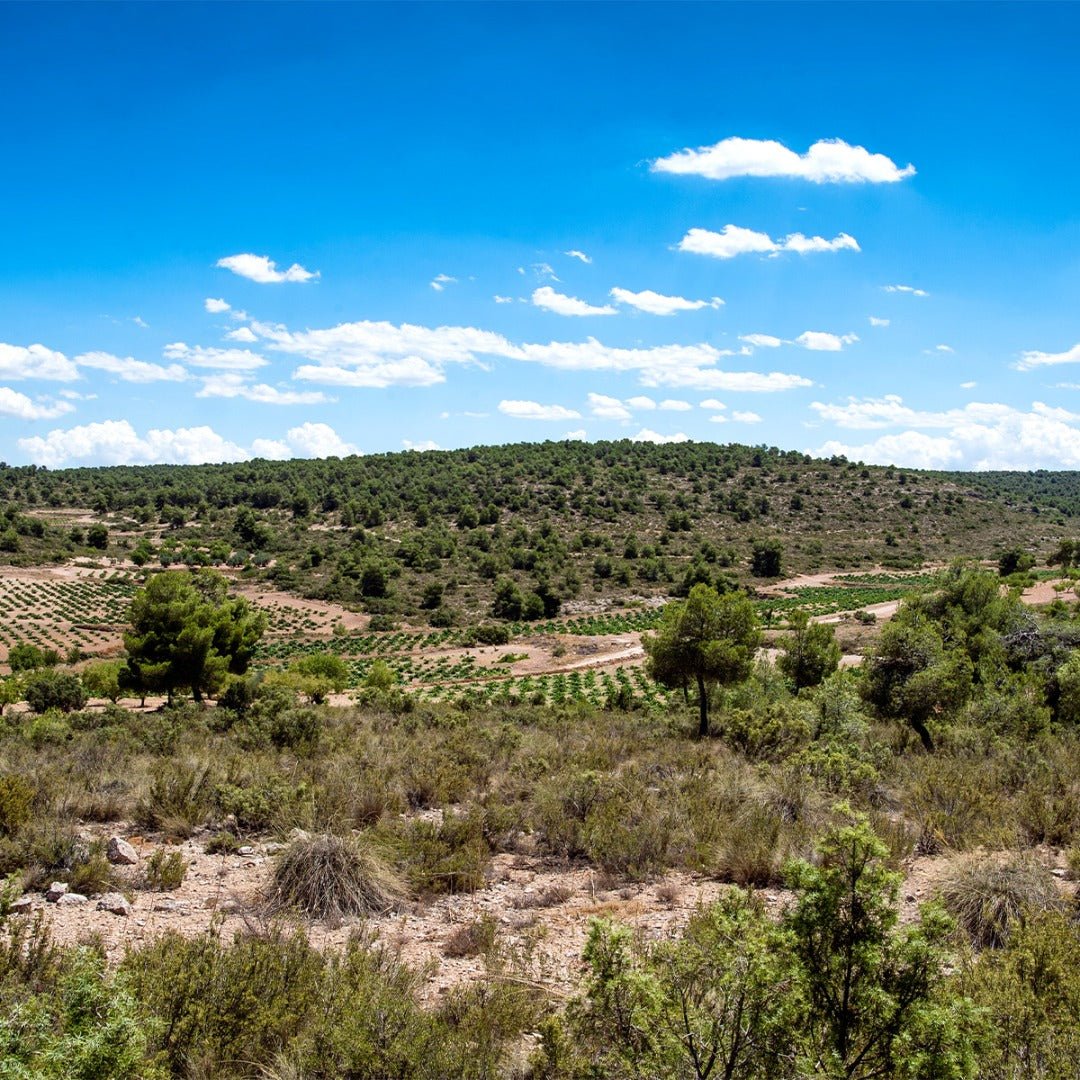
A truly international team of winemakers are behind Cien y Pico; Australian Zar Brooks, his Bulgarian wife Elena Golakova Brooks (winemaker and owner of Dandelion Vineyards in Australia), Spaniard Luis Jimenez Garcia and Italian Nicola Tucci. The project started as an attempt to save the incredible resource of old vines in places like Manchuela that were being grubbed up in vine pull schemes. The four vineyards Cien y Pico source from are all located on the Meseta (or "plateau") of Castilla-La Mancha. With only a pitiful 300 millimetres of rain per year, meaning that even these gnarly old vines need to work hard to get enough water!
Measly small yields of intensely flavoured, deeply coloured Garnacha Tintorera must be handpicked and then in this case, the grapes are vinified in the 'Doble Pasta' method where crushed grapes are fermented over additional grape skins to create a dark, concentrated wine. Intense aromas of blueberries, damsons and cherries are the result. This wine is fantastic for veggies, try with bean stews/burgers or with sweet potato dishes.
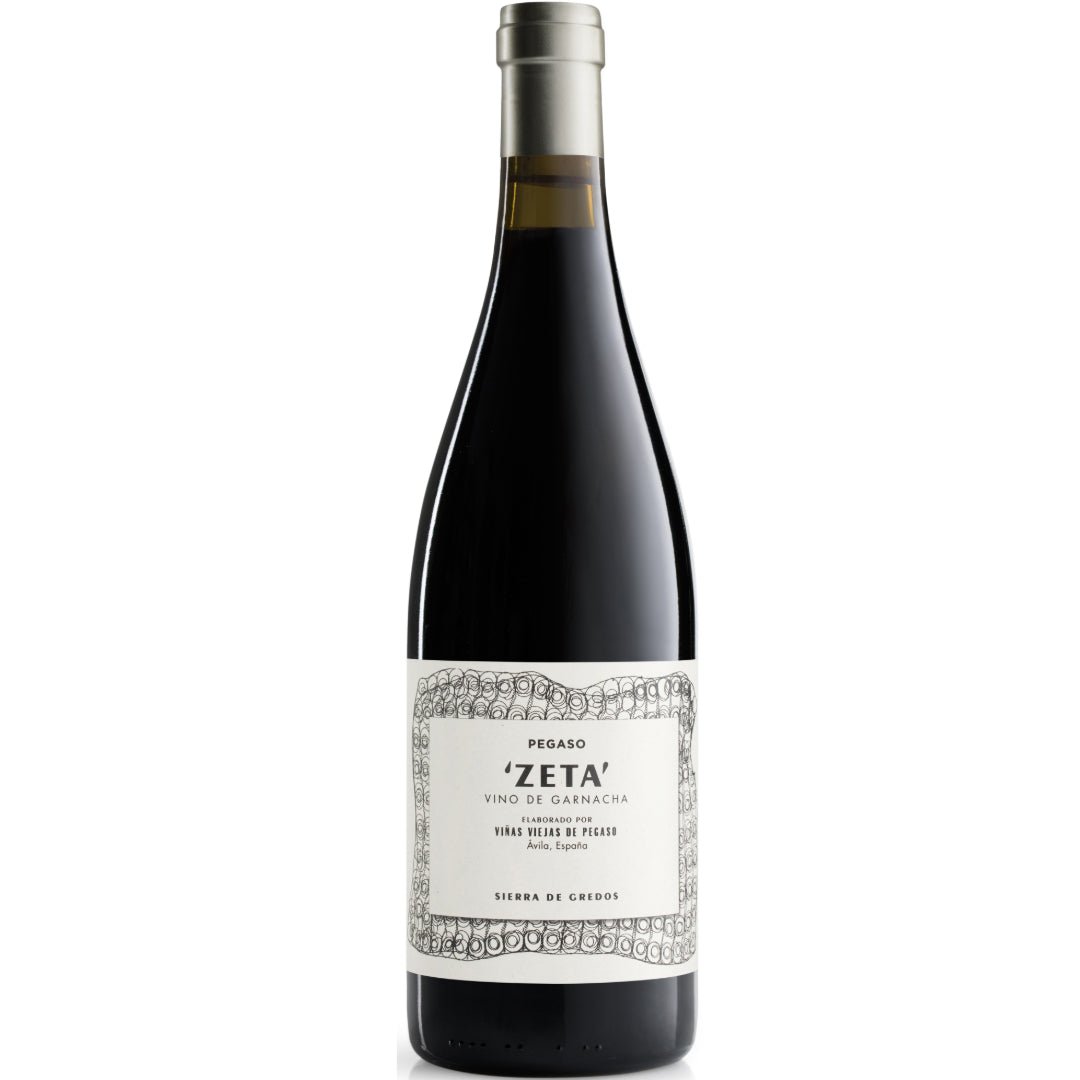
Pegaso 'Zeta' Cebreros Garnacha
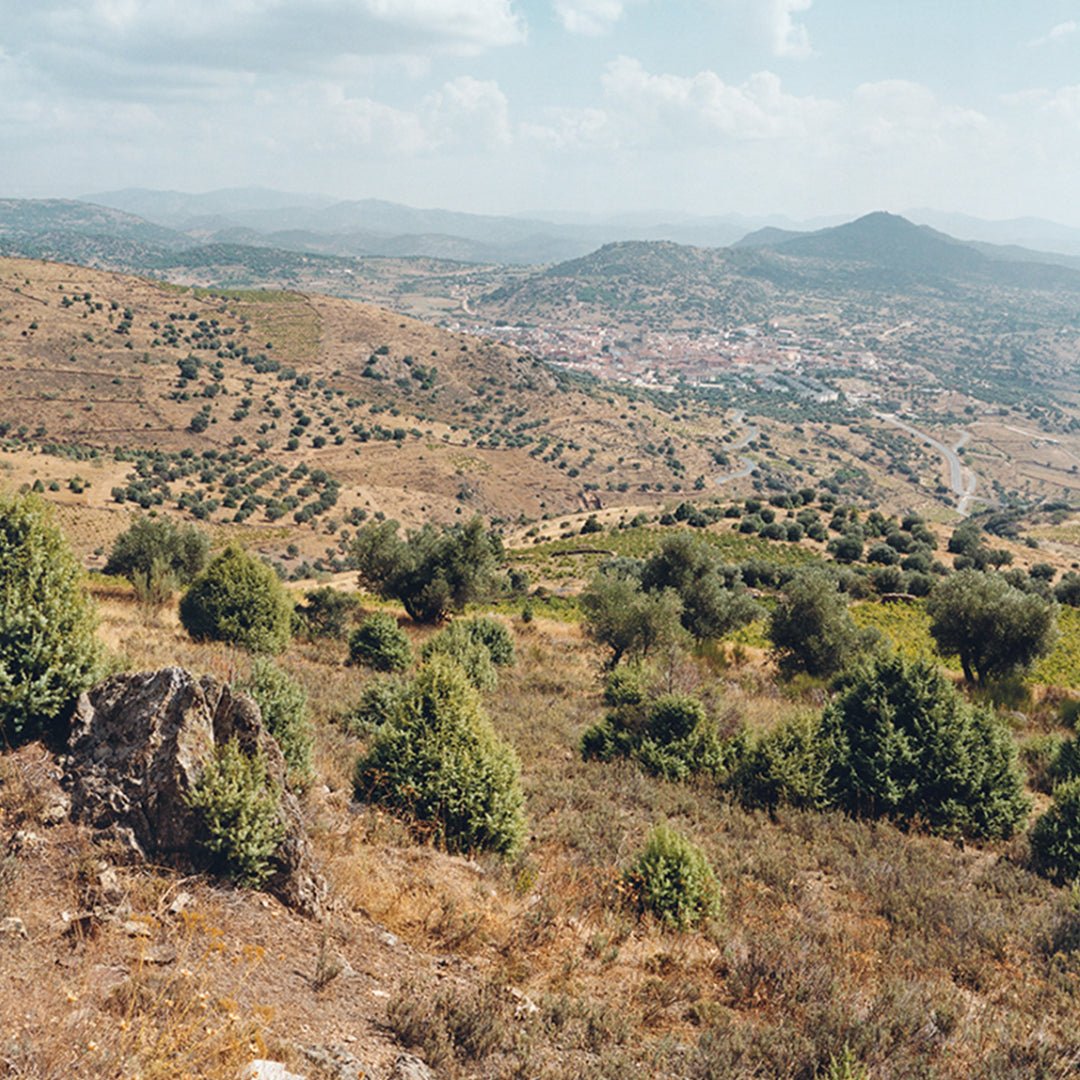
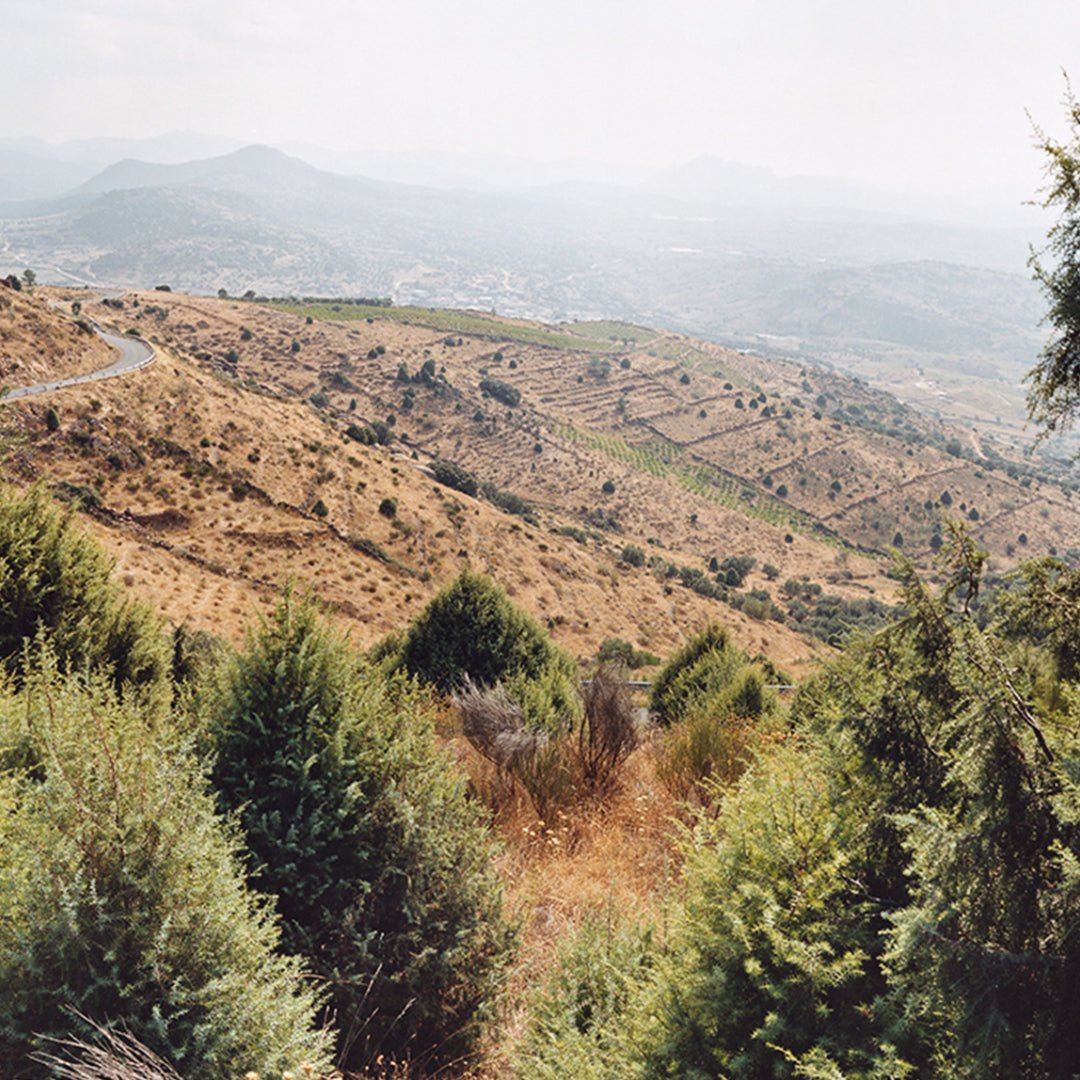
Our final Garnacha of this spotlight is from an old region that is finally getting its time to shine. This is the region of Cebreros in Central Spain, just to the West of Madrid itself. Part of the wider Sierra De Gredos region, this is one of the hubs of the New Wave of Spanish winemaking.
Pegaso is a collaboration between Rioja native Telmo Rodríguez, his long-time business partner Pablo Eguzkiza and two-time world rally champion Carlos Sainz Sr. They named the winery in tribute to Pegaso, a famous 1940s Spanish car manufacturer prized by collectors with an eye for sleek, classic design.
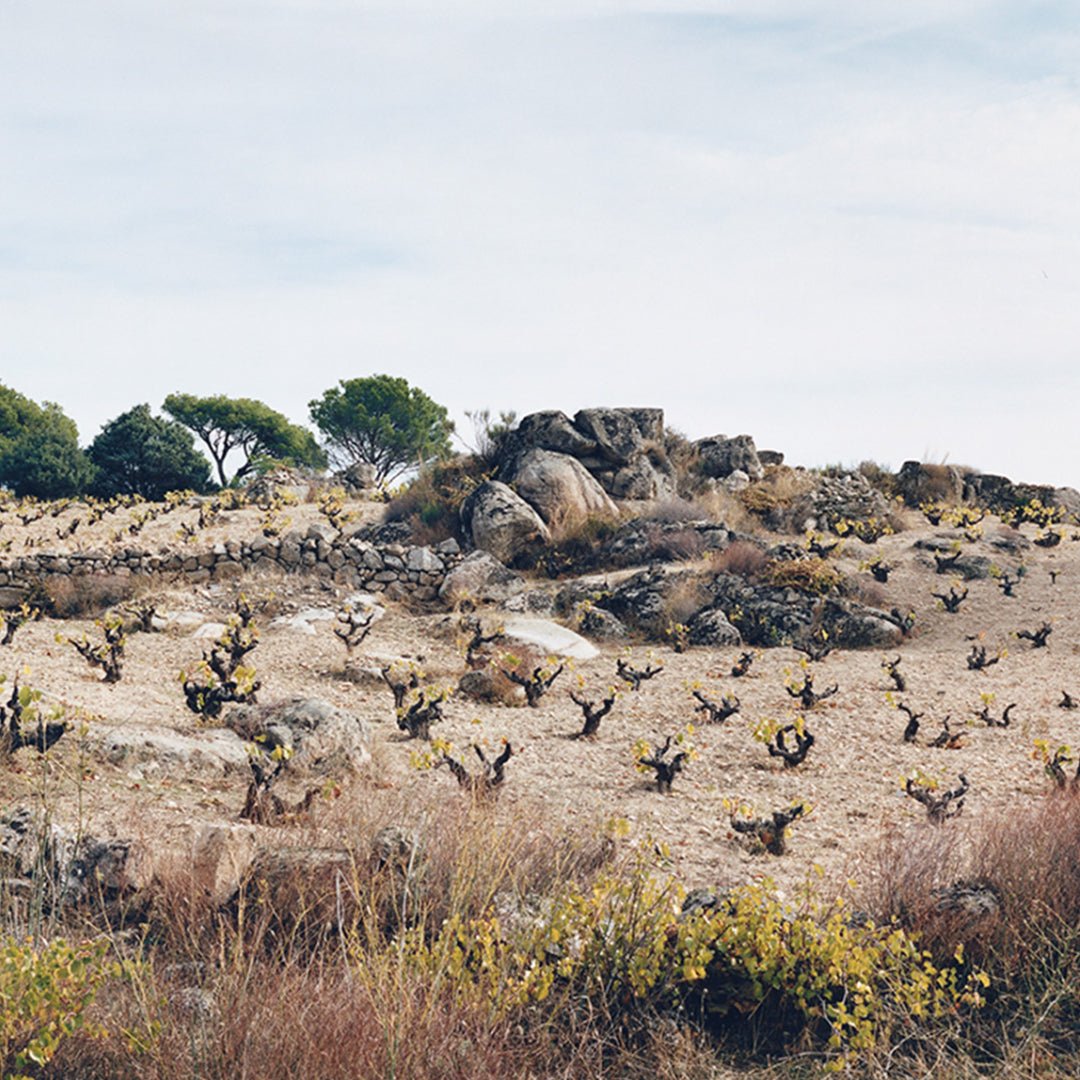
Pagaso’s “Zeta” is produced from 60+ year old Garnacha vines planted at 750-900m above sea level. Slate and granite soils are layered over a magmatic rock base, which is the main soil type of the appellation. This shallow, coarse-textured and well-draining soil lends depth and fruit character to the resulting wines. Grown as bush vines, hand-harvesting is a necessity and fermentation is carried out using native, natural yeasts in large oak foudres. Aging is again to provide a subtle influence, with only six months spent in mainly older casks, with the wine then being transferred to stainless steel tanks for a further six months.
The final wine here is very much on the savoury end of Garnacha’s flavour spectrum. The wine is herbal but also has some overt olive tapenade notes to it. The tannins are more astringent than in most other Spanish Garnacha’s I have come across. This olive note and elevated tannin make this wine pork’s best friend, tannin melds perfectly with fat & protein, roll some porchetta and enjoy this! It is 15% too so you will certainly have fun!