


Spotlight on the White Wines of Spain
Write up by Chris Nolan
Spain is rightfully famous for the world class red wines produced within its borders, for this post though, I would like to draw the focus on to the modern white wines produced in the country. Though they can certainly still be found if you look hard enough, the days of heavily oxidised, poor quality white wines are far in the past. With temperature control and modern wine making methods, it is now easier than ever to produce bright, characterful wines that speak of their place and their local cultures without the fruit being hidden away by oak and oxidation.
French white grapes dominate the global wine scene, even now being described as “international grapes”. For this spotlight, we are going to have a look at some indigenous Iberian grapes that are grown across Spain and then finish with one of the most widely planted, "workhorse grapes" of the Mediterranean basin, Muscat, known in Spain as Moscatel...this one is a belter!
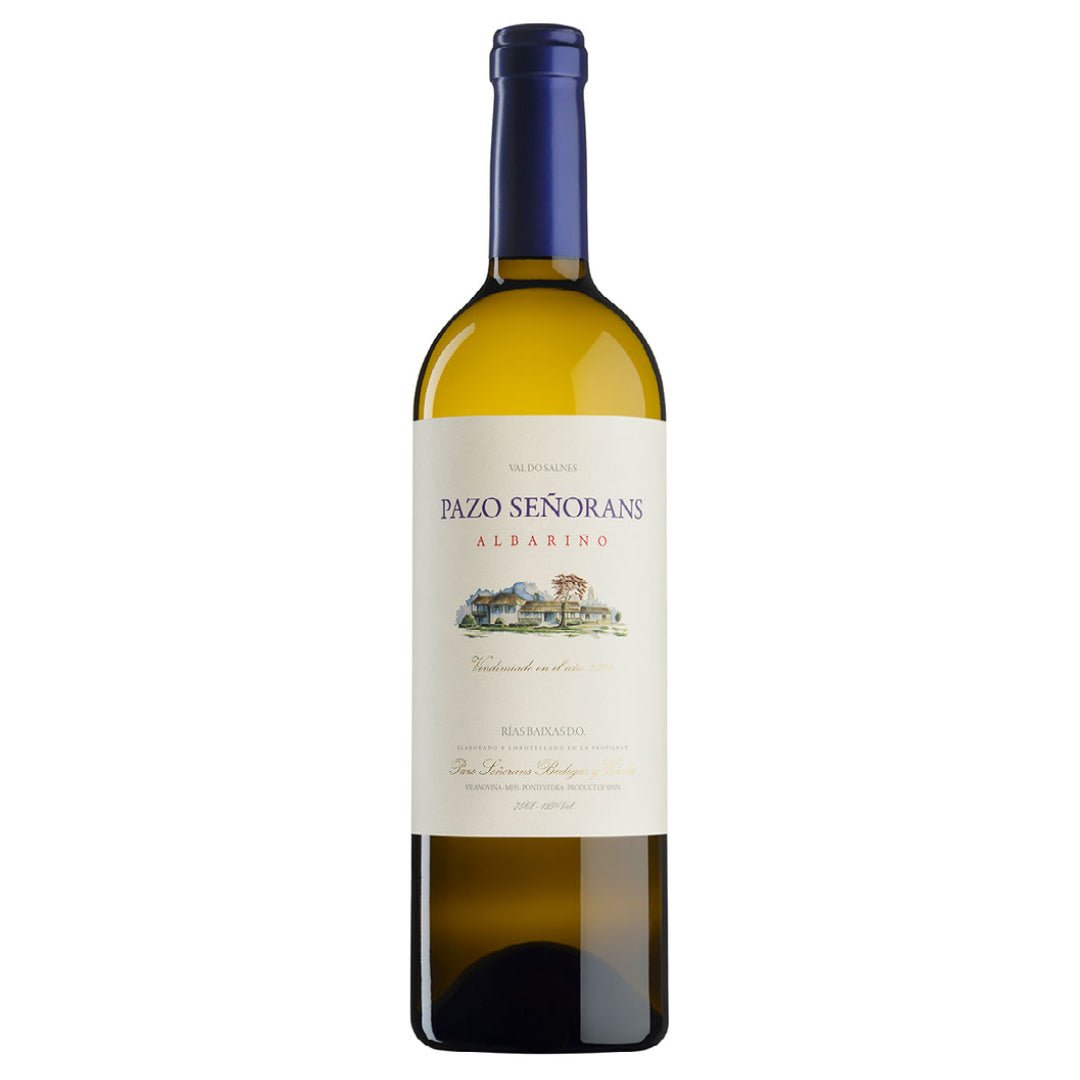
Pazo Senorans Albarino
Is there a better place to start a blog about Spanish white wines than with Albarino? Grown in the North West of Spain and Northern Portugal, where it is called Alvarinho and is a regular contributor to the country's Vinho Verde wines. Albarino has been getting much press and critical attention in recent years and for good reason, it is fantastic!
Spain’s best Albarino’s, such as this beauty from Pazo Senorans, come from Rias Baixas in Galicia. Rias Baixas is right on the North-western tip of Spain. Here, it is wet and blustery, fully exposed to the wild Atlantic. The name “Rias” itself is derived from the word for a coastal inlet which is the main topographical feature that defines the region.

95% of Rias Baixas’ vineyards are planted with Albarino. The success of Albarino in this region is owed to the influence of the Atlantic Ocean. High rainfall, up to 1800mm per year, alongside mists and sea fogs contribute to a cool climate. These are the perfect conditions for producing grapes that are wonderfully crisp with such mouth-watering acidity. Despite its affinity for this damp climate, some adjustments needed to be made within the vineyards to optimise grape growth. A key adjustment is in the use of pergola training systems. Pergola training involves growing the vines canopy high, with the grapes hanging down below. This increases air circulation, reducing the risk of rot in the grapes, very important in such wet climates! An added bonus of the Pergola system in the rough, rugged and hilly climate of Rias Baixas, is that the land beneath the vines can still be used for other agriculture such as sheep farming or for growing other crops.

Pazo Señorans is one of DO Rías-Baixas’ leading producers with vines planted close to the sea on acidic, sandy soils. This is the “entry” level wine from the vineyard but the quality is anything but entry level, you don’t need to take my word for it, here is what respected wine critic Tim Atkin has to say about it;
Tim Atkin, Rias Baixas Special Report - 93 Points
“One of those widely distributed Albarinos that I'm always happy to find on a wine list, this is made with a mixture of purchased and home-grown grapes, all of them from the Val do Salnés. Described by Ana Quintela as a "jovial" expression of the variety, it has a touch of natural spritz, jasmine and white pepper aromas and a classic palate of lime, peach and aniseed spice.” - 2026

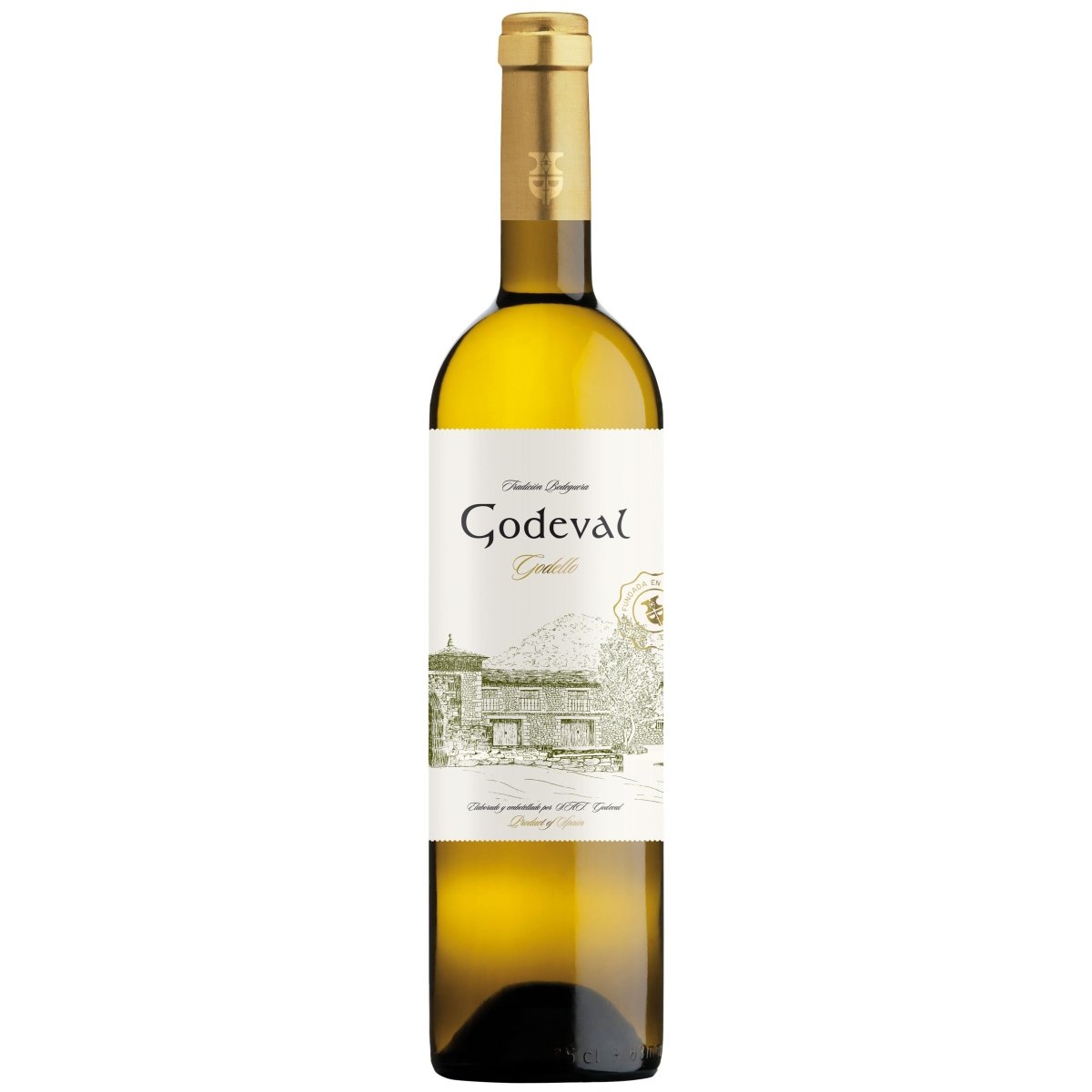
Godeval Godello Blanco
Albarino gets all the attention, but it is Godello that is my personal favourite Galician grape. If you are searching for Godello, keep an eye out for Valdeorras, where this delicious wine from Godeval comes from. I have never had a wine from Valdeorras that was less than excellent!

The mountainous region of Valdeorras is reputed to be the birthplace of Godello. Valdeorras itself is one of the gateways to Galicia, being sandwiched between Ribera Sacra to the West and Bierzo, part of Castilla Y Leon, to the East. As Galicia's most inland region, the climate here is more continental than that of Rias Baixas, with warmer summers and chillier, less mild winters, though there is still a small amount of oceanic influence from the Atlantic moderating the summer temperatures. The drier climate in Valdeorras is a benefit for Godello over the wetter climates out towards the coast, as the grape bunches are made up of very small, tightly packed berries. Smaller berries pack a lot more flavour than large berries but these tightly packed bunches make the grapes more susceptible to rot in wetter conditions.

Bodegas Godeval could not be situated in a more picturesque location. The winery itself is in part of the medieval Monastery of Xagoaza, with the organically farmed vineyards grown in the immediate surroundings. The soils are composed of dark Ordovacicas slate which absorbs solar heat and radiates it back into the vineyard at night, aiding ripening, similar to the effect in the best gravel sites of the Medoc in Bordeaux and the black slate soils of the Mosel valley in Germany.

The wine itself is aged for four months in French oak barrels to add extra complexity. The flavours range from florals to apples, beeswax to pear, all with an underlying salty minerality. This was a wine we had on by the glass for a while on a previous menu and some of customers visibly found it is lip smackingly delicious!
Jose Pariente Rueda Verdejo
Heading even further inland, we reach the high-altitude plateau of Castilla Y Leon. This is the region of Rueda, an overwhelmingly white wine producing region on the South bank of the mighty Duero river. Heading West, takes you downstream where you will end up in Portugal. Here the waterway is renamed the Douro and is where all the grapes destined for Port are grown.

The landscape in Rueda is very low in nutrients, plants have to struggle to survive here. The only viable agriculture here is either grapes or grains. Summers are hot and harsh, winters are cold and harsh! Luckily for our focus on white wines today, the region has a huge diurnal swing in temperature. Searingly hot days are followed by cool nights thanks to the high altitude, this allows the grapes to cling onto their vital high acidity that makes them so refreshing and delicious.

By far the most important grape of Rueda is Verdejo. This is likely a native Castillian grape, though there are theories of it having originated in Northern Africa in the 11th century. As a varietal, Verdejo is highly aromatic with herbs, nuts and tropical fruit. White wines from Rueda are an excellent and vastly more interesting alternative to Sauvignon Blanc. That is just my opinion, but give one a go!

Jose Pariente started making wine in Rueda in the 1960’s and is one of the winemakers responsible for the modern face of the region. For this wine, Jose uses fruit from 30-year-old, organically grown vines. To retain the fruit purity, the wine is only treated in stainless steel and the result is a wonderfully bright expression of Verdejo. The wine smells of stoney minerals with nuances of fennel, anise, white fruit, and stone fruit.


Zudugarai Txakolina Blanco
From the baked plateau of Castilla Y Leon, we return to the cooling breezes of the Spanish coast. This time we are on the North coast visiting the Basque region of Pais Vasco. This is the home of Txakolina/Txakoli, pronounced "Chac-o-lee". If you are ever planning to visit the Basque region, for destinations such as Bilbao or San Sebastian, just ask Sai from our bar team for some tips. He loves this part of Spain almost as much as he loves their wines…almost.

The grape plantings here hug the coast, with the vineyards of Rioja over the mountains to the South. Pais Vasco is a stunningly beautiful wine region though we are back to the wet Atlantic weather patterns and the high rainfall this ocean brings. The wine styles of Txakoli are in the brighter, fresher end of the spectrum. Often these wines are bottled with a light spritz, making them the ultimate summer thirst quenchers. Txakoli is perfect for the person who loves Vinho Verde but would like to try something new.

Hondarrabi Zuri and Hondarrabi Beltza are the main grapes grown here with the former being white and the latter being red. The majority of wines produced here, be they whites or roses, will contain a portion of both of these varietals.
Zudugarai was set up in 1989 by the Errasti family, this was the same year that their sub region of DO Getaria Txakolina was established. The vineyards are located 5km from the Bay of Biscay, nestled among rolling hills at 90 meters above sea level. The sunniest and windiest slopes are planted with vines, allowing the grapes to ripen while remaining dry, helping avoid fungal and rot issues. All the vineyard work is done by hand.

Zudugarai treat all the grapes very gently, only using temperature controlled stainless steel tanks for fermentation. The resulting wines are crisp and saline with apple and citrus blossom on the nose and even more juicy apple on the palate. In the Basque region, these wines are poured from a height to accentuate the fizz in the wines. Sea, sun and fish are what you want to pair with Txakoli.

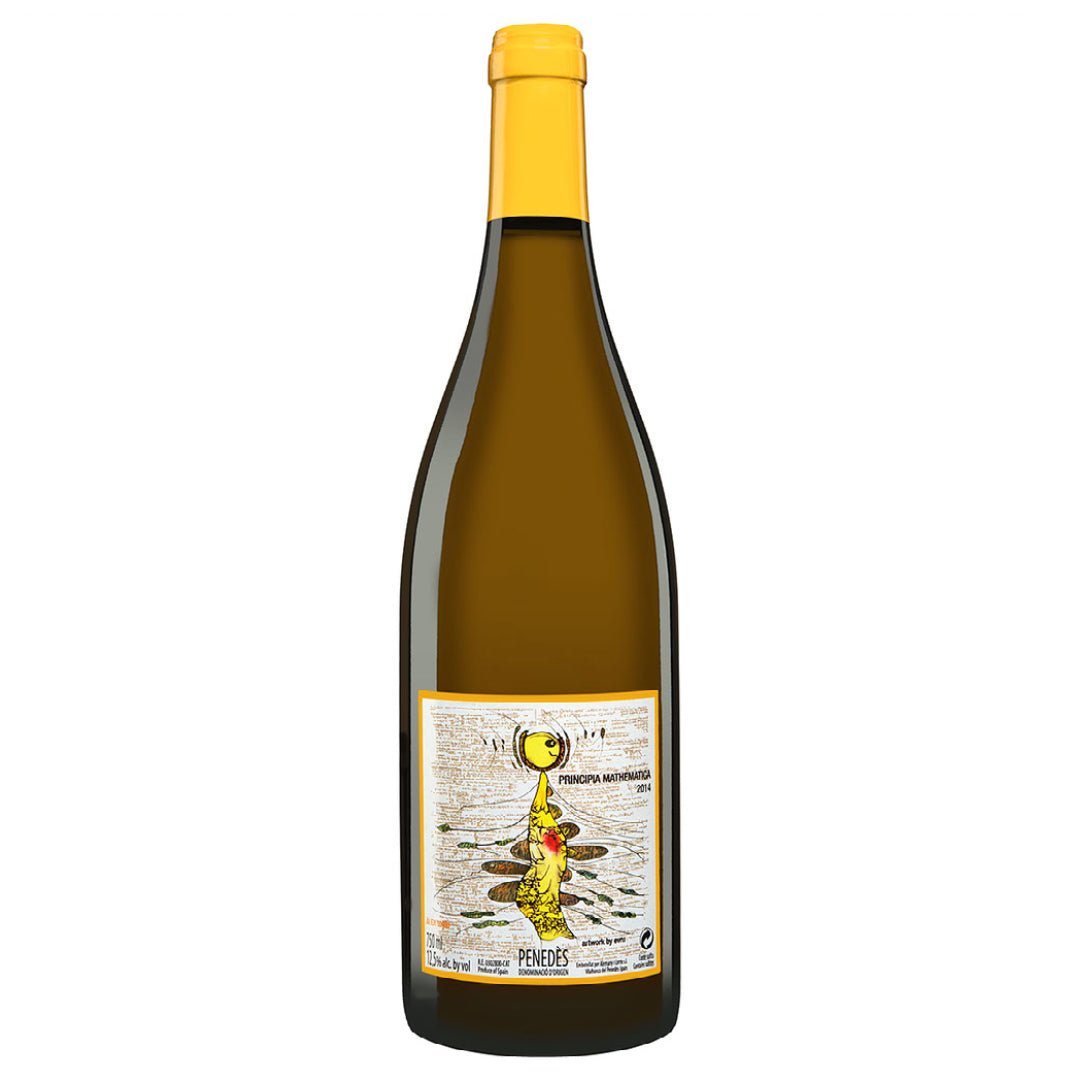
Principia Mathematica
Now we visit Catalunya and the vineyards of Penedes. Penedes is where the best examples of Cava come from, which, despite being the best, are ridiculously good value when you compare them to Champagne! Today we are not interested in the heady delights of Cava and instead are focusing once more on a native still wine of the area. This is the Principia Mathematica, made with the local varietal Xarel-Lo, “Cha-Reh-Low”, with just a touch of Garnacha Blanca in the mix.

The climate here is Mediterranean, with warm, dry summers and mild winters. The majority of rainfall occurs outside the growing season so the grapes get extra concentration closer to harvest. Historically, a lot of Catalan producers have used their favourable climate to grow huge quantities of high yielding grapes. Irene and Laurent from Principia Mathematica are wanting to do something different. They are farming organically, controlling the yields with the aid of older vines planted as bush vine “Goblets”.

Vinification is in 228l and 700l French oak barrels, fermented with wild yeasts. After fermentation, 2/3 parts are aged in 700 l French oak barrels and 1/3 parts in stainless steel. If this treatment sounds familiar to the Francophiles amongst you, this is because it is very similar to wine making processes in Burgundy’s Cote d’Or.

Similarities to Burgundy do not stop at the winemaking, stylistically this wine drinks like a Meursault but with one key difference...it is not £80+ per bottle! The fruit characters are riper than Meursault with apricots, though there is still a tonne of crisp white fruit. The Meursault flavours come across in the form of both minerals and an unctuous butteriness that would send Michelin star chef, Marco Pierre-White, weak at the knees. Paella would be elevated by this wine, but I reckon a pork roast would also be astonishingly good matched with this.
Molino Real "Mountain Blanco" Muscat
Our final wine is from one of Spain’s youngest DO regions, "Sierras de Malaga." Sierras de Malaga was only established in 2001, but this wine is made with a member of one of the worlds oldest families of grapes, Muscat. There are over 200 versions of Muscat in the world, this is specifically Muscat of Alexandria, here in Spain known as Moscatel. This ancient varietal is grown as both a table grape for eating and also as a quality wine varietal, originating, as its name suggests, around the city of Alexandria, at the western edge of the Nile Delta in Egypt.

Molino Real is from the region of Sierras de Malaga, translating as “The mountain ranges of Malaga.” High altitude and yet coastal mountain vineyards around the coastal city of Malaga itself. The climate, unsurprisingly, is heavily influenced by the Mediterranean sea as well as the hot and dry conditions that prevail inland. In this land, winery Molino Real has produced traditional sweet wines from the ravines of Cómpeta for over 20 years. This example we are showcasing today is not a sweet wine, despite having been produced in a similar method to how a lot of sweet wines are made.


The grapes were hand harvested and then pressed using a traditional, artisanal method. The grapes were placed and semi-dried between two mats made from `esparto` (a straw-like material) and then crushed using an olive-oil press. The wine was vinified to dryness but still has an incredibly deep and powerful aromatic profile with an intense palate. Spice and herbs, flowers and ripe fruits. Crisp acidity for a Moscatel and do not forget, it is dry! I think this wine has ticked all my boxes for a wine on my regular rotation. Oh, and it comes with an incredibly dated looking label, perfection.


