


Spotlight on Tempranillo
Write up by Chris Nolan
Origins
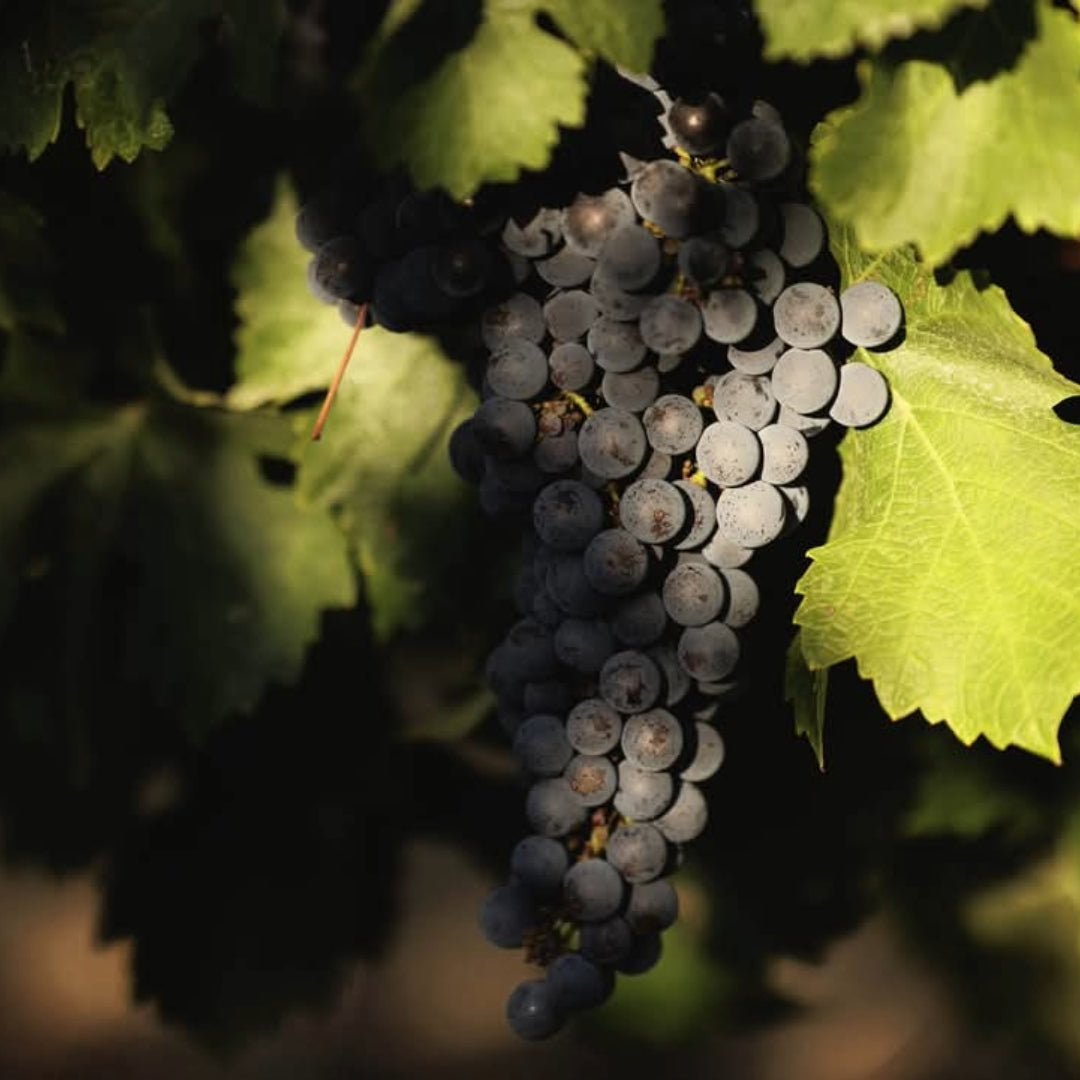
Tempranillo is Spain’s darling varietal, the most famous grape from the nation. Unlike the famous grapes from France, the “international” grapes as they are often called, Tempranillo has barely left the borders of its homeland. 97% of the world’s plantings are in Spain itself, 1% next door in Portugal, 1% in Australia, 1% in the US, 0.23% is planted in Argentina, 0.12% in Mexico, 0.17% in Germany of all places… You may notice these figures don’t add up to exactly 100%, let us swiftly move on…

The grape Tempranillo itself seems to originate around the areas of Rioja and Navarra. One of the ways oenologists (wine nerds), identify regions where grapes originate is down to the genetic variation of the vines within any given area, the greater the variance, the longer a varietal has been in the vicinity. We will have a look at a relatively modern natural mutation of Tempranillo later on.

Characteristics
The name, Tempranillo, means “the little early one.” The plant buds at a similar time to other Spanish grapes such as Graciano and Garnacha but ripens earlier. This early ripening is most likely what led to its spread around Spain. If you are a fan of Tempranillo and would like to try some wines from around Spain, be prepared to learn some local synonyms for the grape as there are a lot! In Spain alone, the grape goes by the following names depending on where you are; Cencibel, Tinto Fino, Tinto del Pais, Tinto de Toro, Tinto Madrid, Ojo de Liebre, Ull de Llebre. If you pop over the border to Portugal where a whole 1% of the worlds Tempranillo is grown, be prepared to have to learn even more names; Aragones, Aragonez, Tinta Aragoneza, Arinto Tinto, Tinta Roriz & Tinta de Santiago.
Tempranillo itself is all about balance. It is moderate in tannin & moderate to low in acidity. Warmer climates will often produce wines of higher but velvety, smooth tannin and riper flavour characteristics with a dip in acidity. Comparatively, highly regarded regions such as Rioja and the Ribera del Duero can produce fantastically long lived and structured wines with the aid of a larger diurnal range, warm sunny days with a significant temperature drop at night.
The flavours of Tempranillo can be somewhat hard to pin down, ranging from strawberries in cooler climates, to full on prune, leather and tobacco in hotter climates. Due to Tempranillo’s affinity for oak, many of the flavours of the grape itself have historically been hidden from view by heavy vanillin’s from American oak, which has been especially popular in Rioja. Fashions are of course changing. Oak use is becoming more restrained or non-existent, with more wines being aged in concrete or simply stainless steel. Tempranillo is beginning to get its time to shine as a quality grape in its own right instead of as an ingredient to a wine style.
Tempranillo in Spain
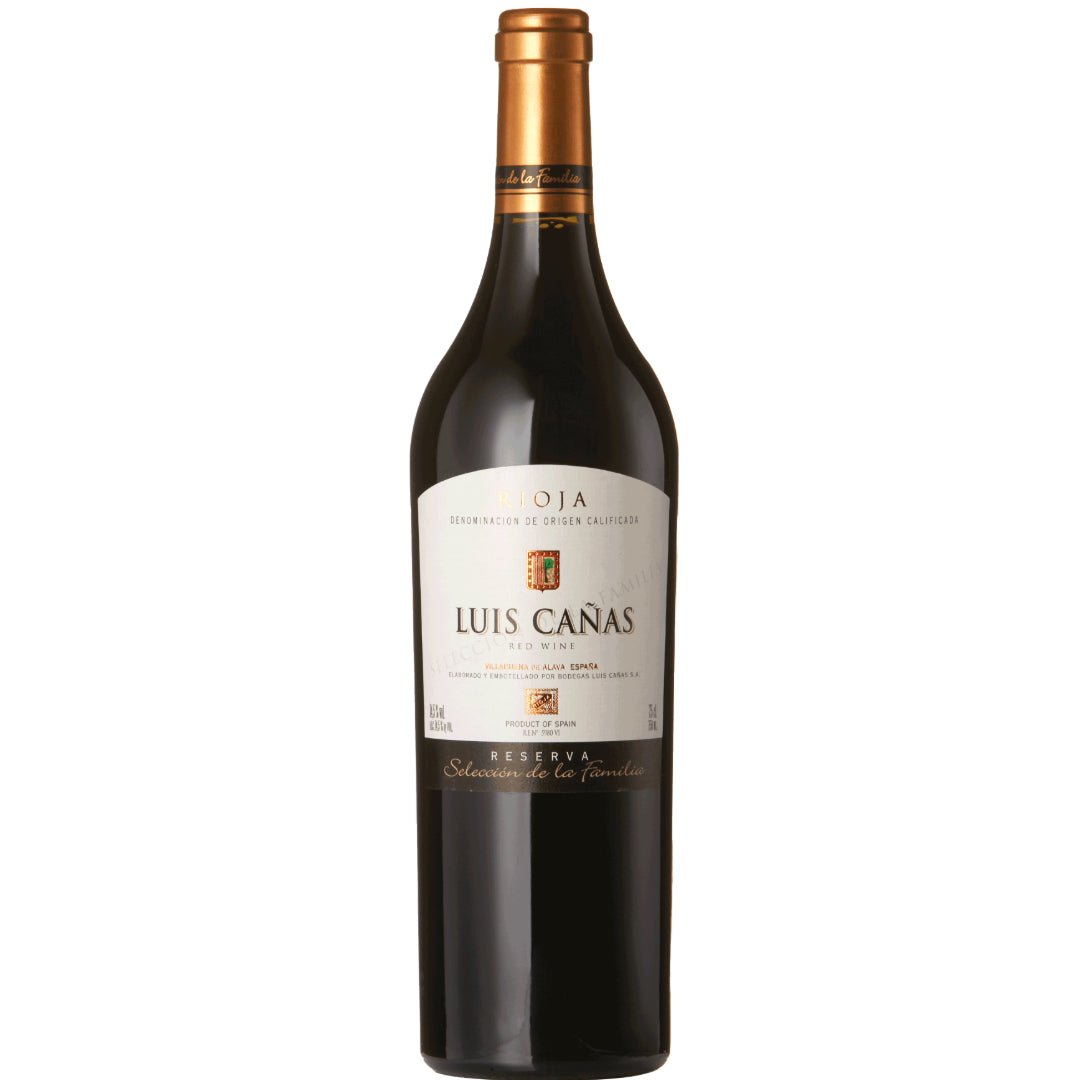
Bodegas Luis Canas Seleccion De La Familia Rioja Reserva
For our first Tempranillo, we start off in one of Tempranillo’s heartlands, Rioja. This world-renowned region in Northern Spain was actually Spain’s first ever designated area for quality viticulture. Being awarded DO, (Denominación de Origen) status in 1933, it was then also the first region to be elevated to DOCa, (Denominación de Origen Calificada) status in 1991 when the category was created. Only two areas in Spain have been granted DOCa status, the other being Priorat.
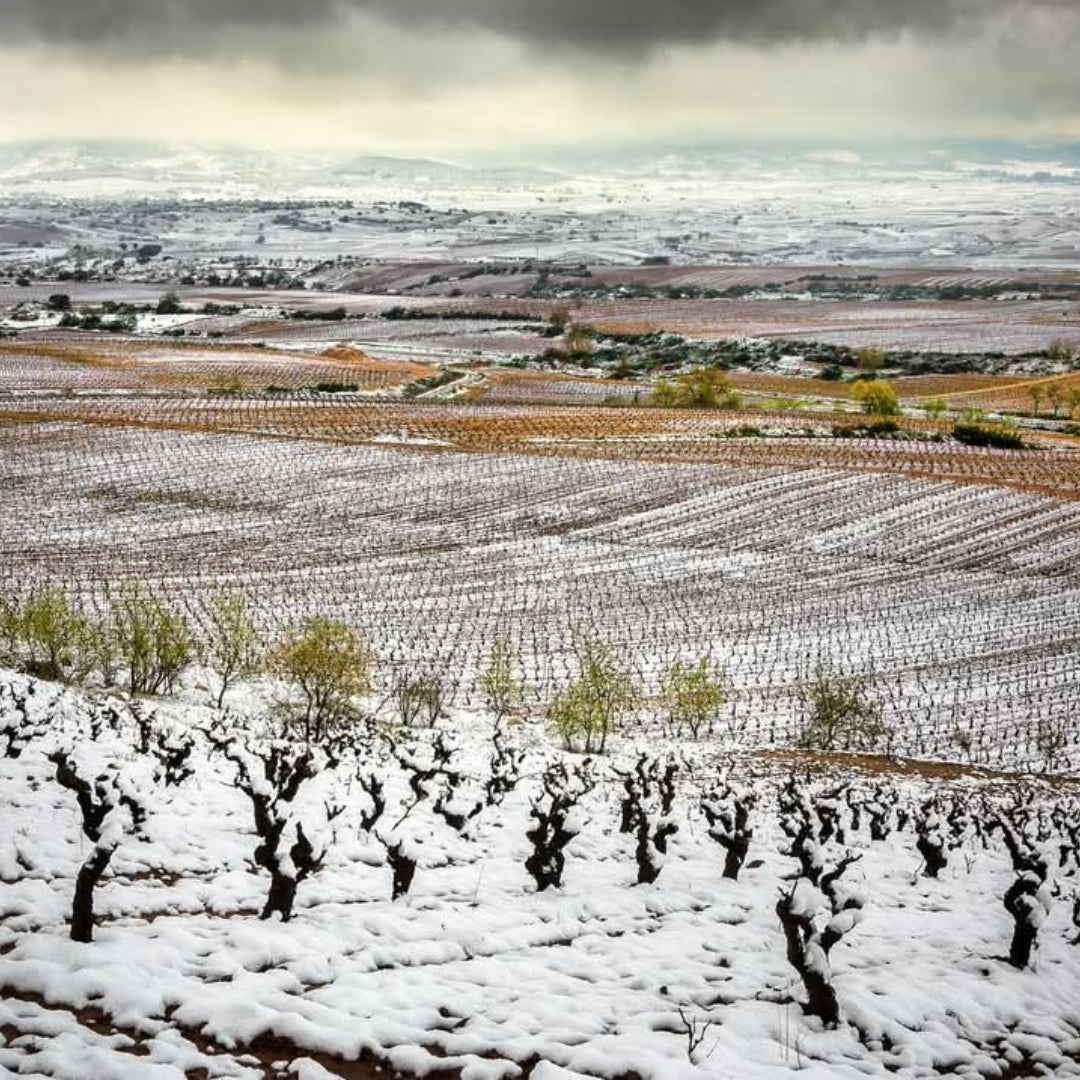
Protected to the North by the Cantabrian mountains against the cold and wet influence of the nearby Atlantic, Rioja has been producing wine for several millennia stretching back to the Roman’s. Rioja’s production and fame grew steadily but it got its big break when the phylloxera louse devastated the vineyards of France, particularly Bordeaux. Bordeaux merchants and wine makers moved to Spain, upping quality and kickstarting the love affair in the region for oak. Wine exports increased…until phylloxera moved in…but by then Rioja was known around the world.
The wine I have chosen to showcase Rioja is from Luis Cañas in the sub region of Rioja Alvasia, this area along with the more obviously named, Rioja Alta, is the home of the highest altitude vineyards in the wider Rioja area. Altitude is important, this is where we see the extended diurnal range mentioned earlier come into play. I have chosen this wine, not only because it is delicious, but also because it is iconic. Luis Cañas was the first producer in the region to actually bottle its own wine rather than sell it in bulk. As with many Rioja wines, this is a blend. 85% Tempranillo blended with 15% “other” grapes. The other being Cabernet Sauvignon which is illegal in Rioja! Don’t panic though, as Luis Cañas planted Cabby before it was outlawed meaning they have special permission to cultivate and use it in their wines.
Graphite and blackcurrant leaf aromas add an extra dimension to the red berry and bramble fruit here, framed by equal proportions of French and American oak, this is a winner for pairing with spring lamb!
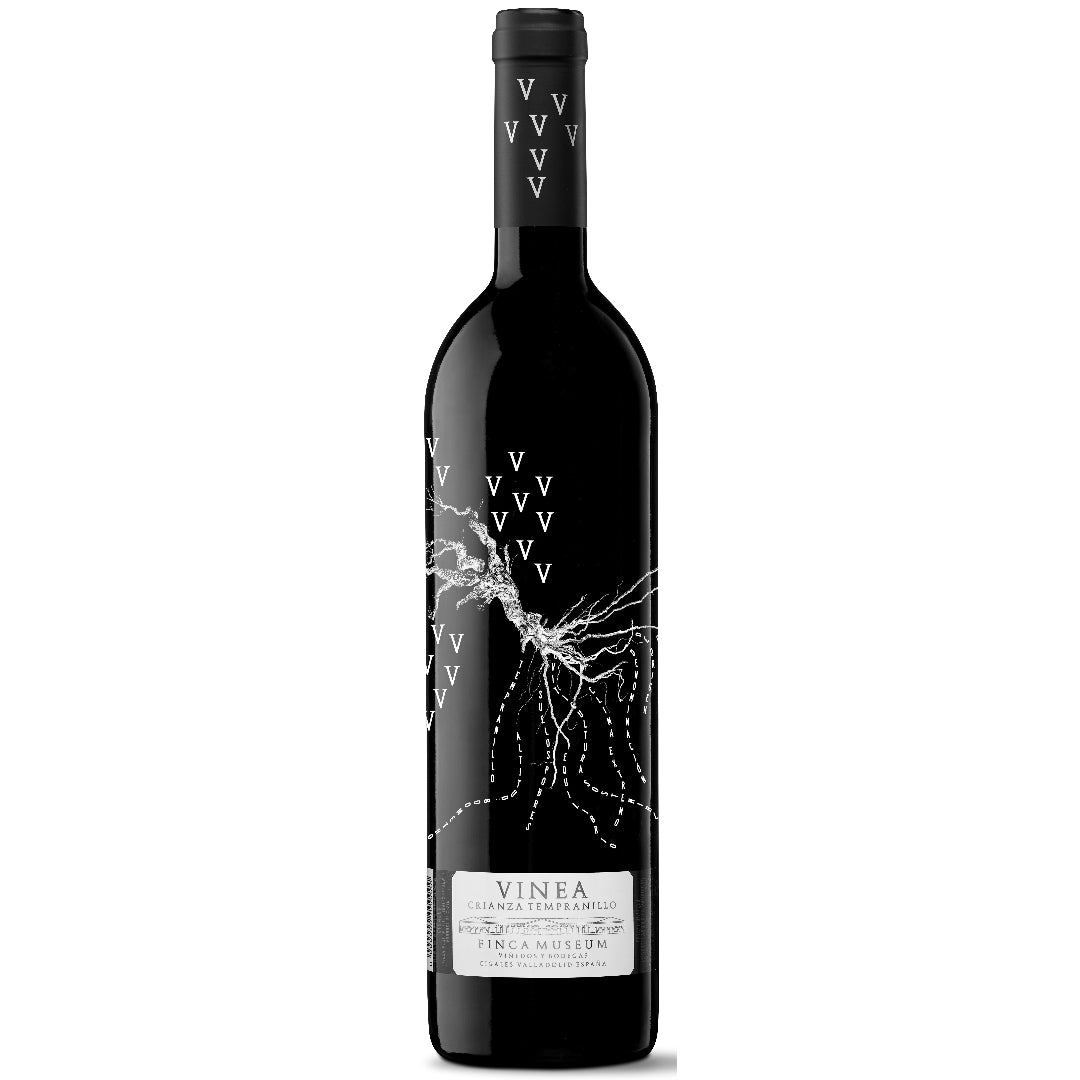
Finca Museum Vinea Tempranillo Crianza
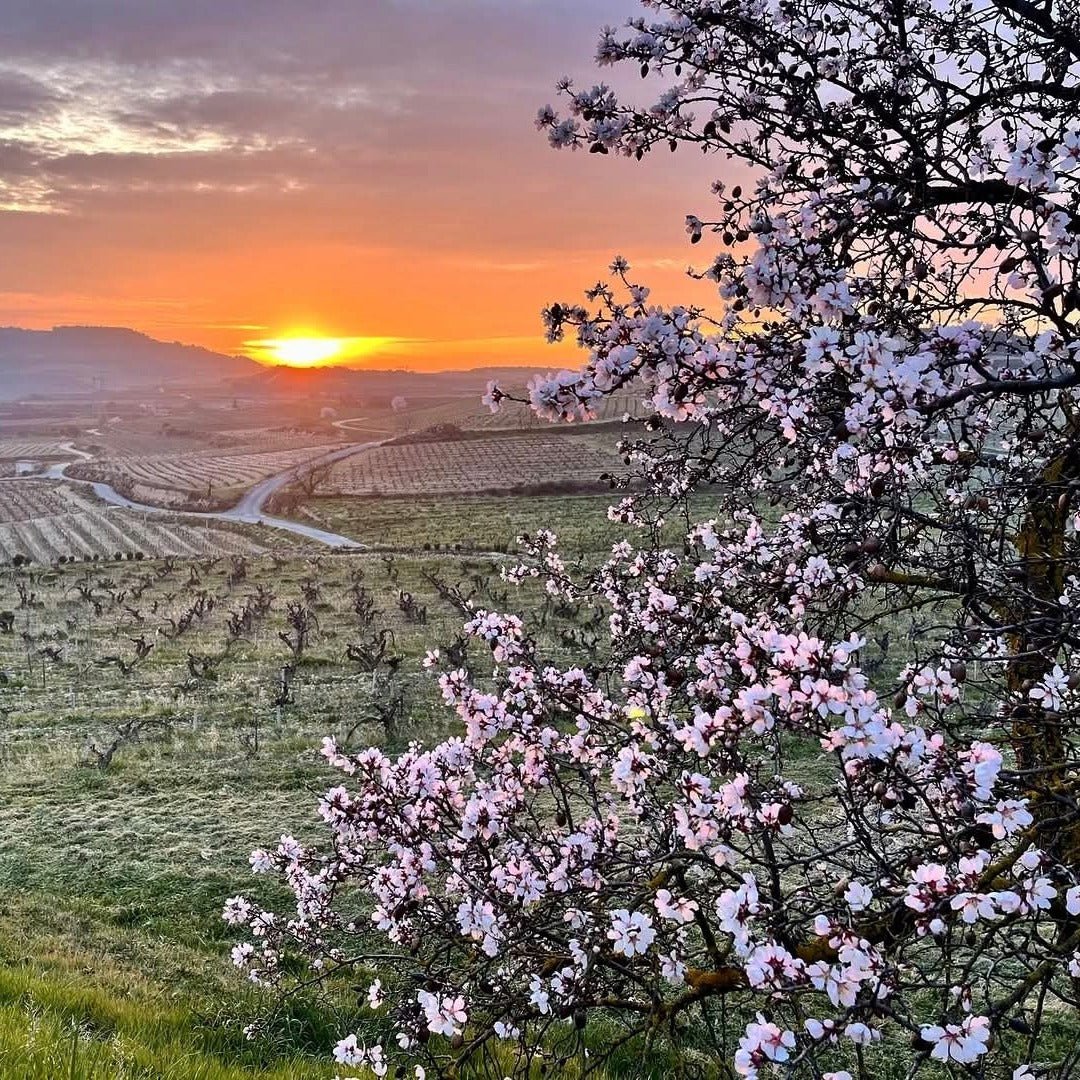
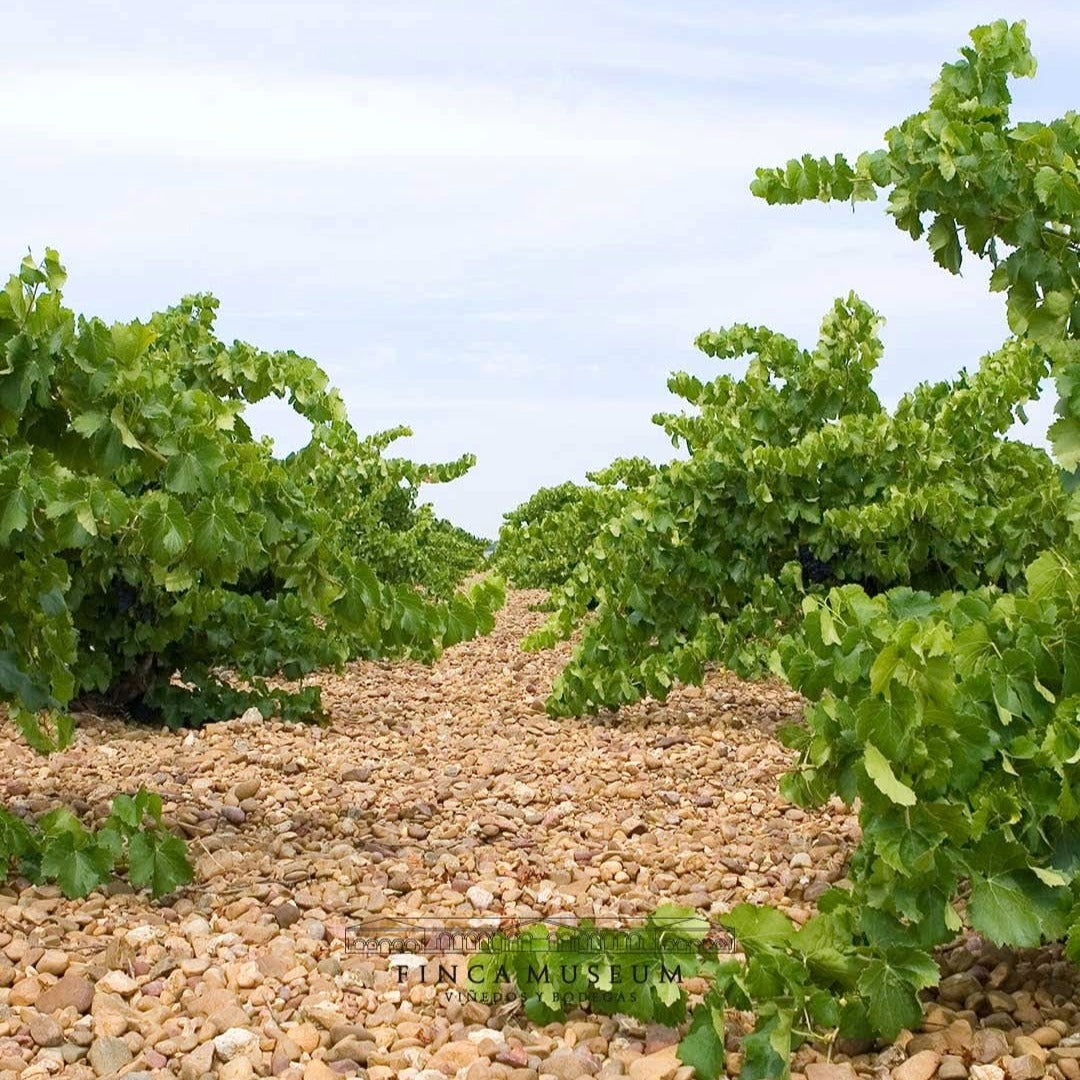
Here is a striking bottle from the small region of Cigales. This is a small region in Castilla y Leon, little known and often overshadowed by its neighbour, the mighty Ribera Del Duero. It is well worth looking out for these lesser-known regions as the value can be fantastic! This is a harsh region for viticulture. Hot, dry summers and freezing winters create a whole host of troubles. However, it is this struggle, along with the high altitude that provides the noticeable diurnal range, that allows Cigales to produce such characterful wines.
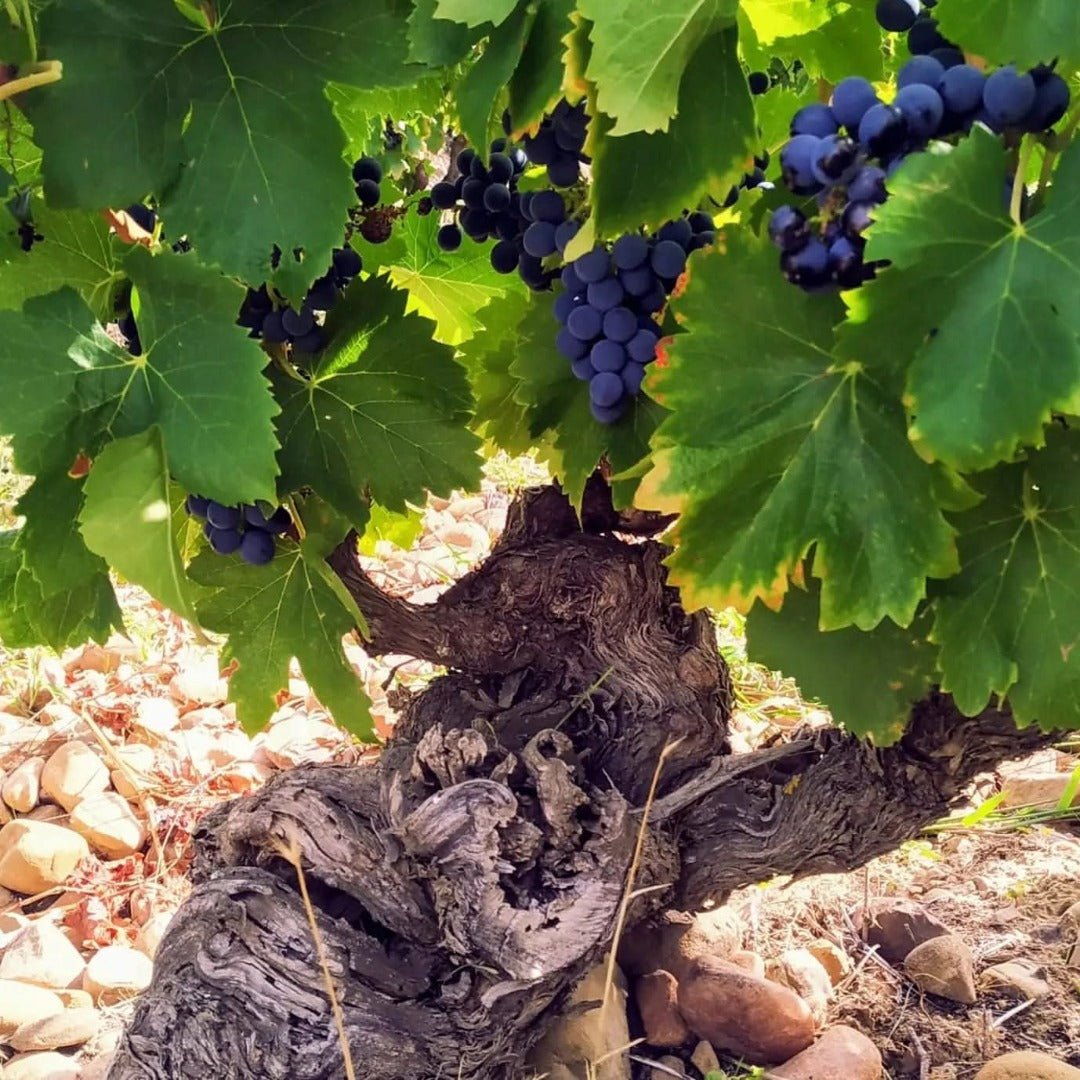
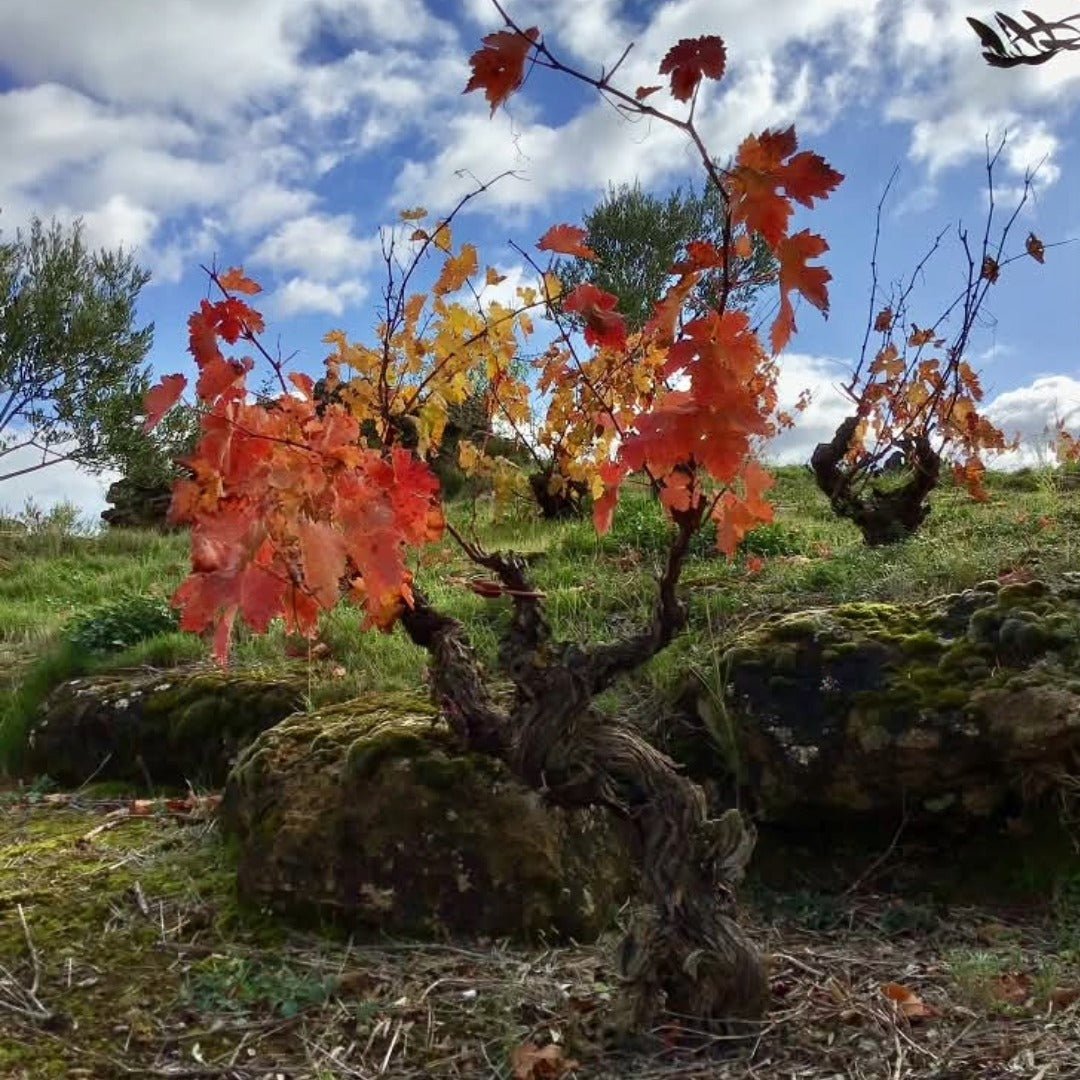
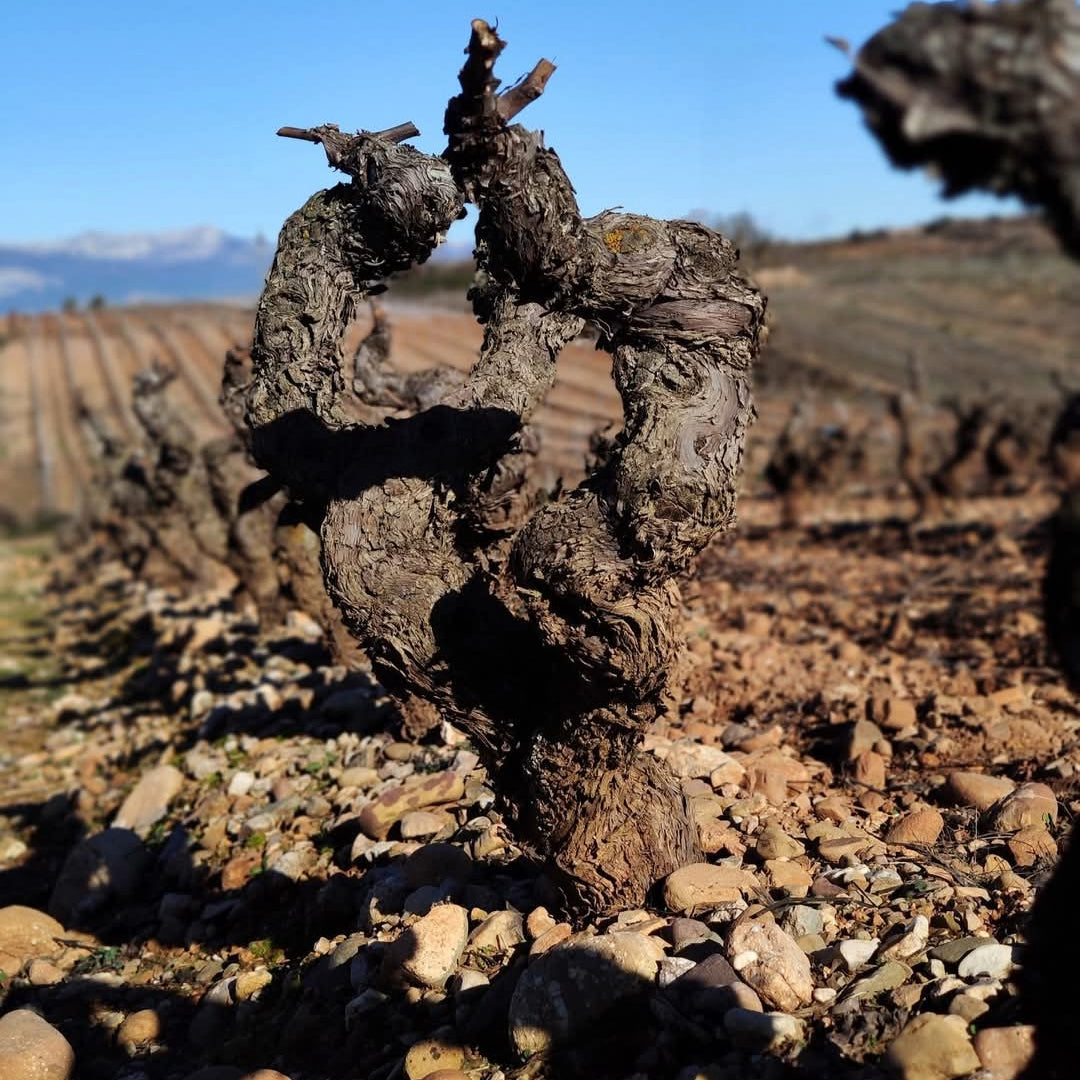
The topsoil’s in the region are very poor and sandy, meaning that the phylloxera louse never managed to ravage the vineyards of Cigales as it did in Rioja. Here you can find some properly old, gnarly bush vines. When vines get older, the root systems dig deeper into the earth so even in arid places like this, they can tap into the water table, reducing the need for irrigation, (effortless sustainability!). Older vines are naturally less vigorous and produce fewer grapes so more energy is dedicated to this smaller amount of fruit, leading to a more intense flavour.
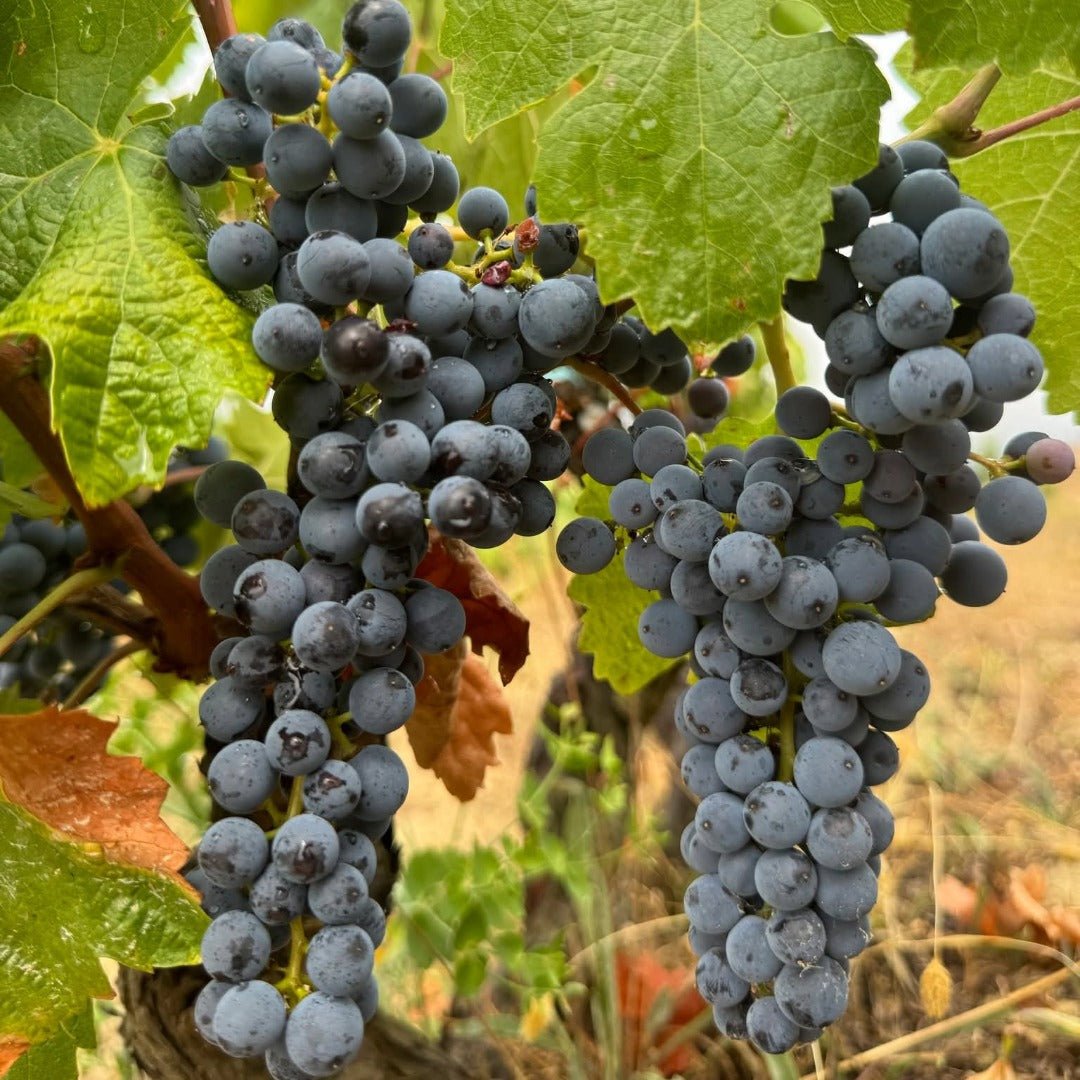
This great value Crianza is produced from 50+ year old bush vines, aged 14 months in oak barrels, 60% of which were American oak and 40% French oak, creating a balance of sweeter vanillin’s and savoury toasty notes. Red berries marry with notes of coconut, mocha, balsamic, and subtle smoky nuances from the oak ageing. Tempranillo is a grape that works well with spice and this wine in particular is a great pairing for Caribbean style goat curry.
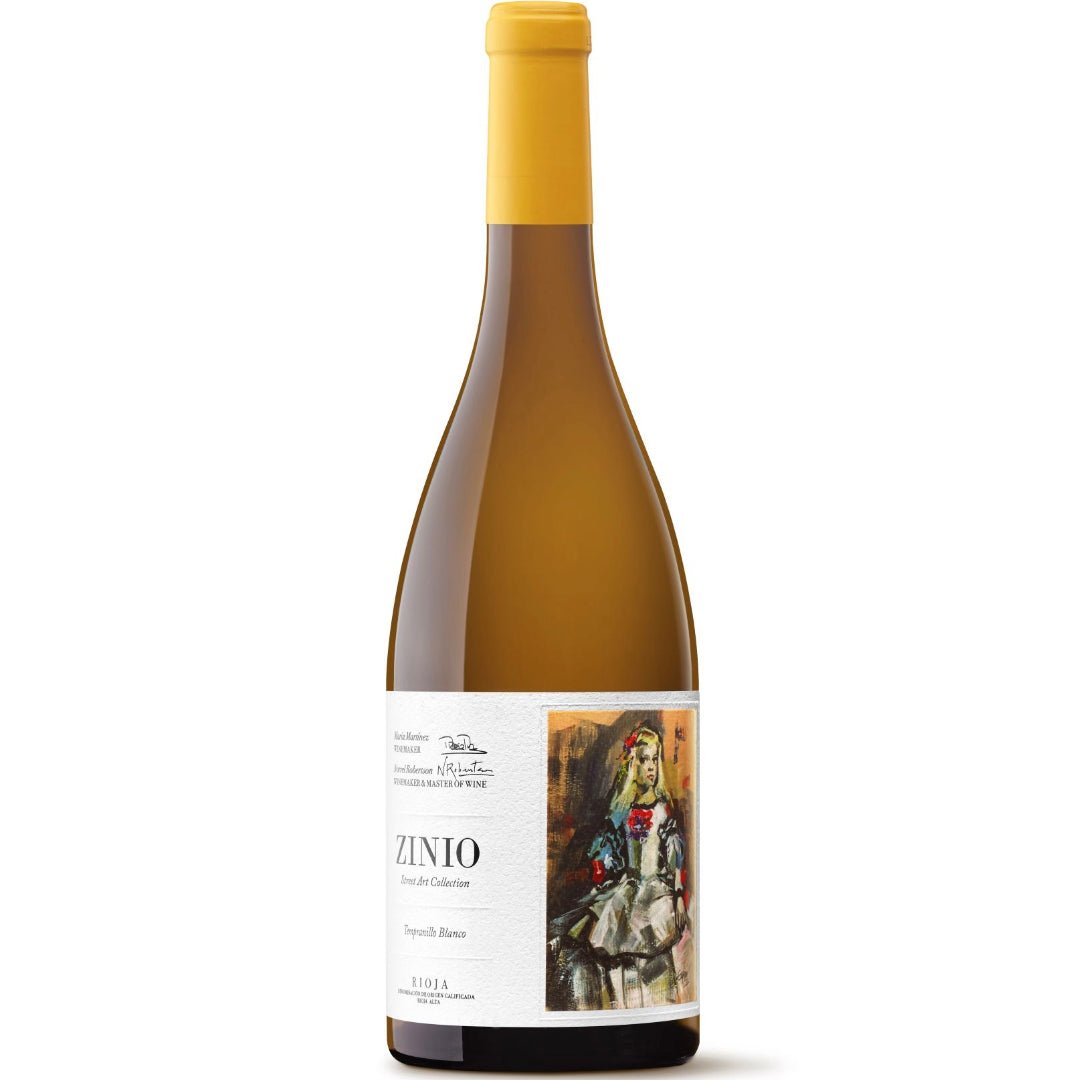
Bodegas Zinio Rioja Street Art Tempranillo Blanco
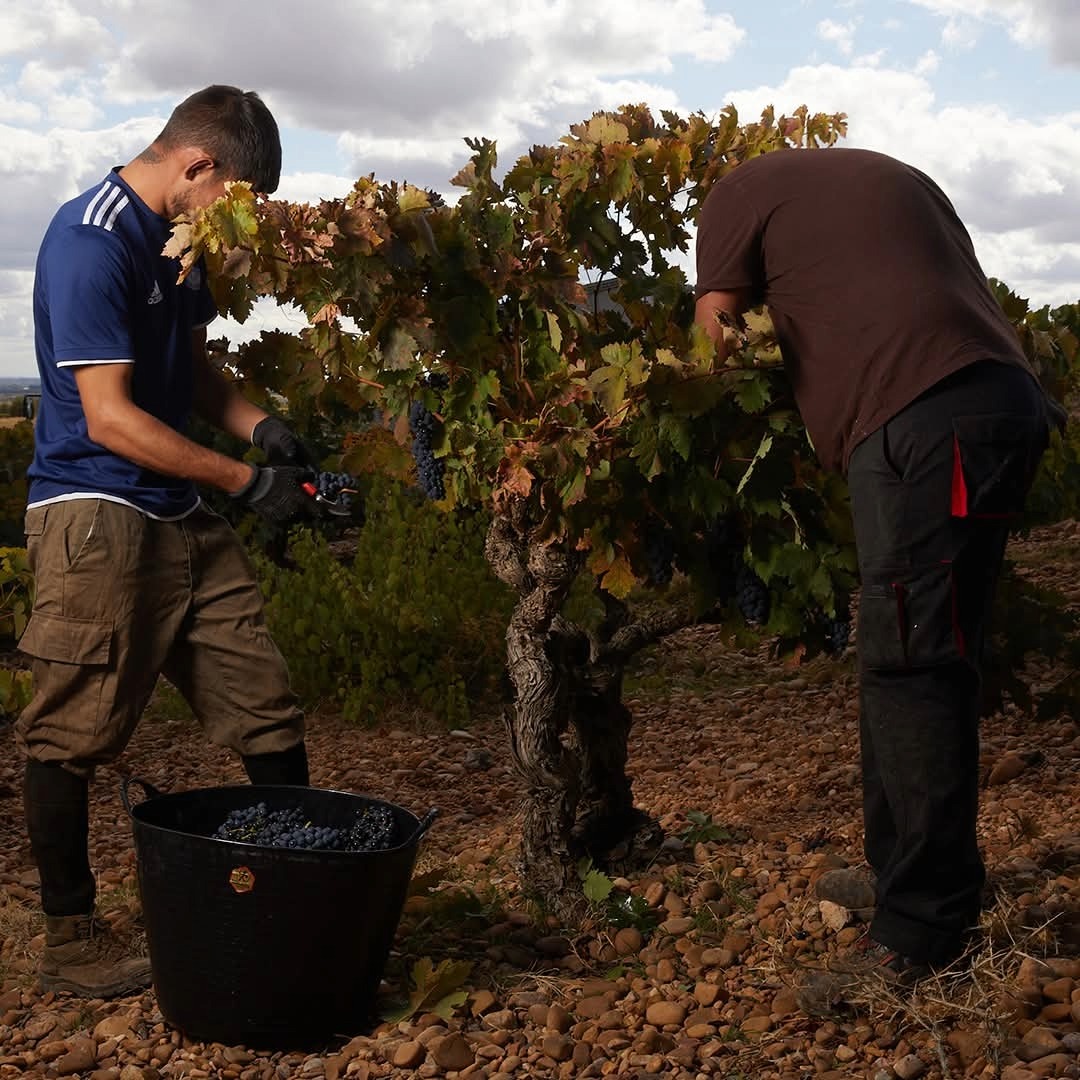
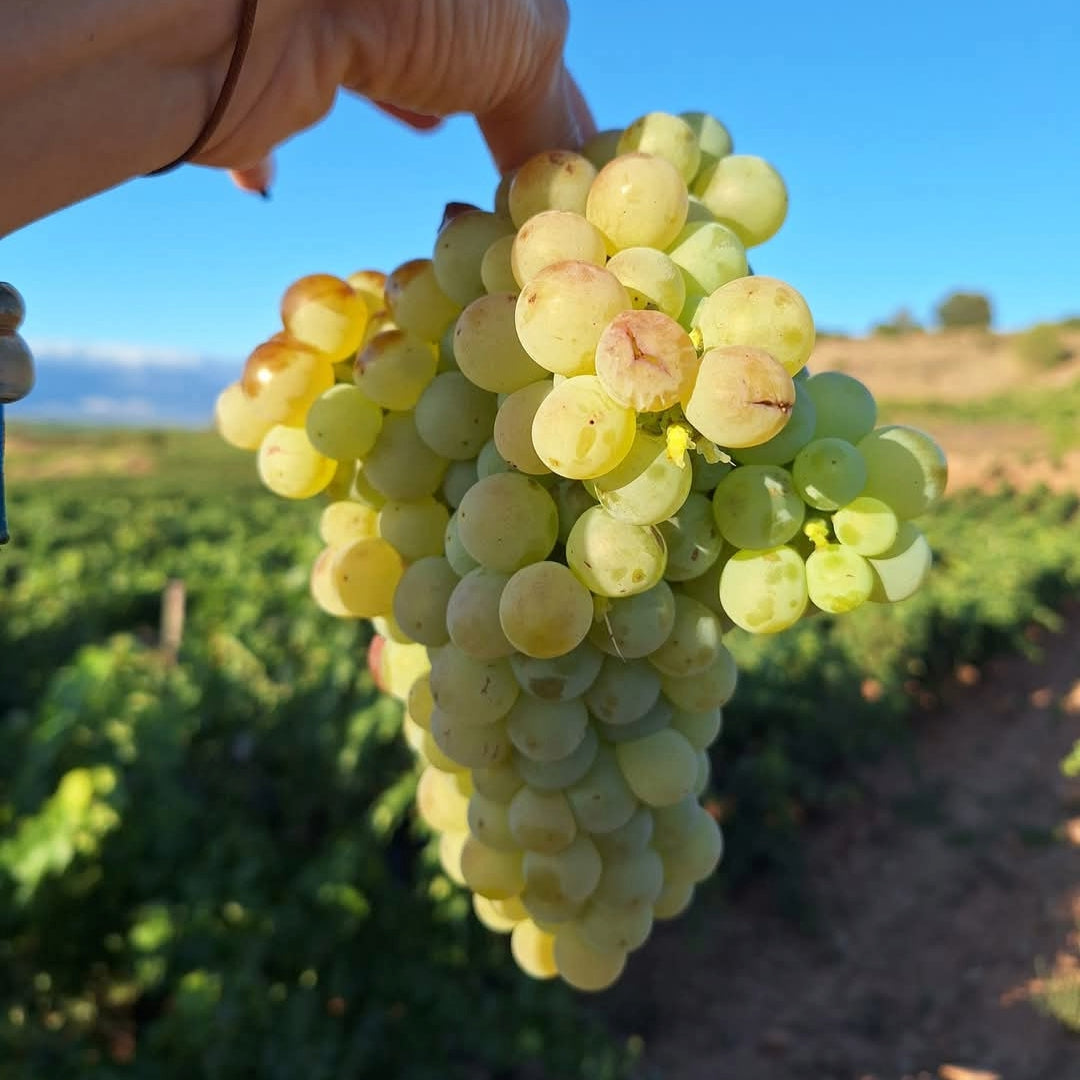
Before we leave Spain, we have a quick backtrack to Rioja, to look at a white wine made with 100% Tempranillo. White wines can be produced from any coloured grape, there has been a fashion recently for “white malbec” wines. The trick for making white wine from red grapes is to gently press the grapes and remove the juice from any skin contact straight away. The wines will have lower acidity than a standard white wine and may even have some flavours such as yellow plum, raspberry and strawberry, more associated with a red or rose wine. This wine however, is produced with the white skinned “Tempranillo Blanco” a modern, natural mutation of Tempranillo. Grapes with this genetic mutation were first noted popping up in vineyards in the 1980’s, with cuttings being taken and cultivated due to the quality of the wines produced.
This is my favourite white Rioja that we stock, unfortunately it is also very small production! Let me tell you why it's so good. Set in Rioja Alta at an altitude of 665m above sea level, this is the perfect location for growing expressive, flavourful white grapes that still have the essential acidity needed to keep the wines refreshing and interesting. Head wine maker, Maria Martinez, has produced a masterclass in aging and blending with this wine. First fermented in temperature controlled, stainless steel tanks, the wine is then transferred to age for 8 months in casks made from 3 different wood types; Quercus Alba, (American Oak), Quercus Robur, (French Oak), and also more interestingly Acacia Dealbata. These casks made from acacia wood produce some lovely flavour characteristics that are indeed reminiscent of acacia honey.
Refreshing acidity paired with the richness of the wine makes this the ultimate paella accompaniment. Zippy enough to match the prawns, powerful enough not to be overpowered by chicken, saffron, chorizo or paprika, marvellous.
Tempranillo outside Spain
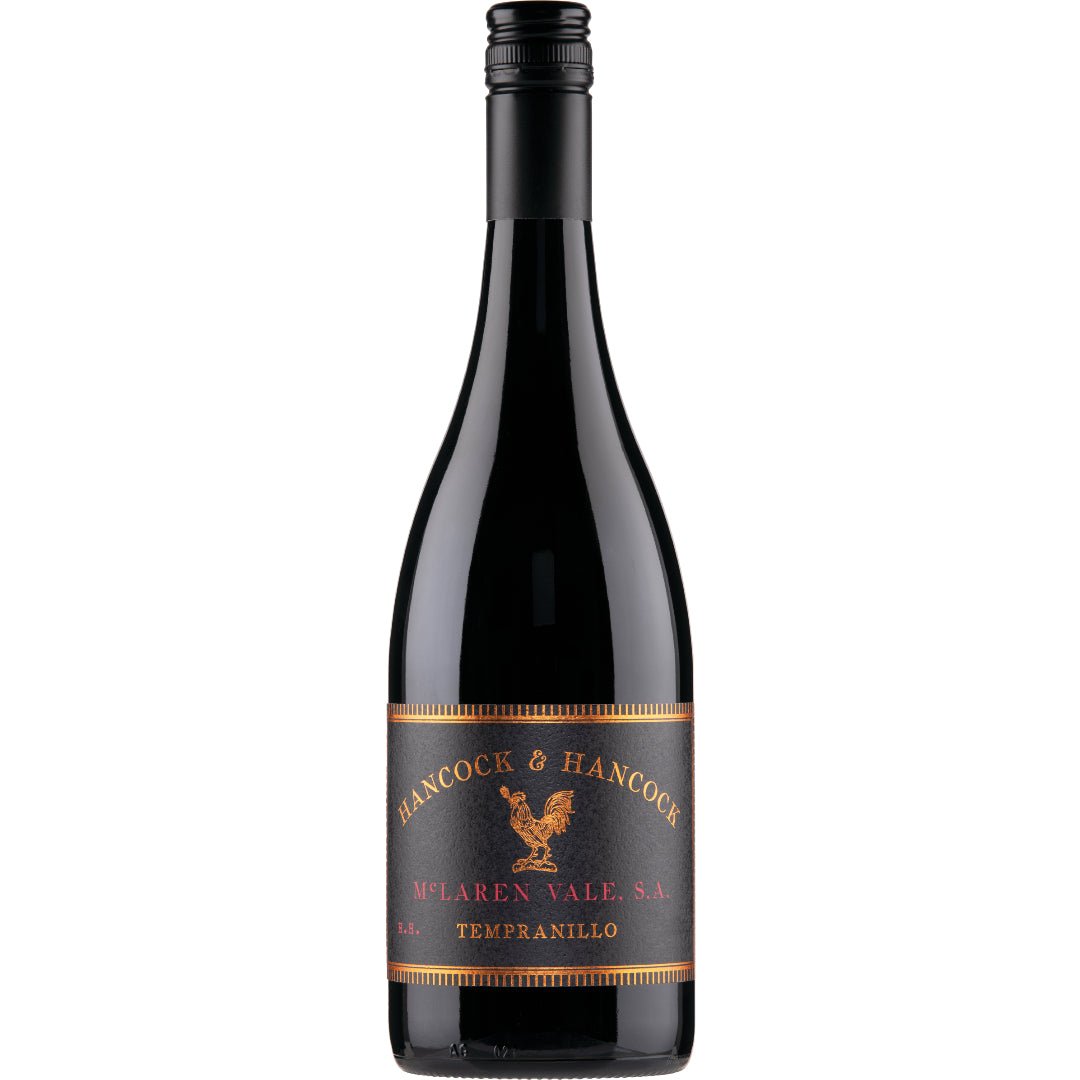
Hancock & Hancock Tempranillo
This is exactly what we want to see more of! The warmer climates that Iberian grapes come from gives them some innate drought resistance, they are perfect for growing in countries where water management is a core issue.
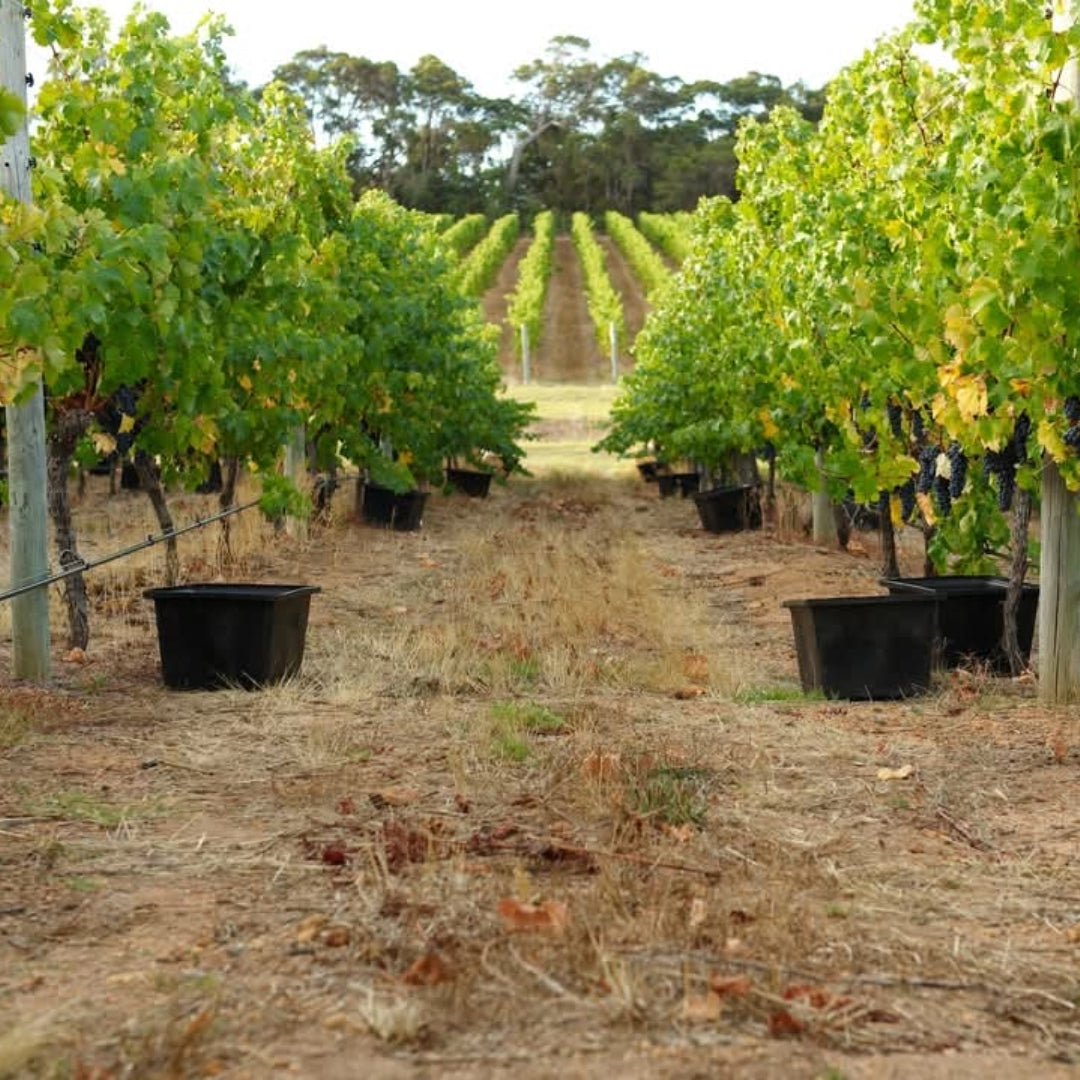
Hancock & Hancock is a part of Robert Oatley Vineyards, a legendary McLaren Vale producer. The McLaren, just to the South of Adelaide, has a warm Mediterranean climate, (Summers dry, winters wet, 2/3rd of rain outside the growing season), so it is the perfect climate for Spanish grapes such as Garnacha and our focus of today, Tempranillo. The region has developed a reputation for old vine Garnacha, having some of the oldest vines in the world, but plantings of Tempranillo, whilst growing, are still minor.
Sustainability and site specificity are fast becoming the hallmarks of McLaren. Seemingly in defiance of climate change, temperatures here have remained stable, but more drought tolerant & less water intensive vines are being sought to preserve water reserves. McLaren Vale was the first region in Australia, maybe even the world, to identify and deliberately manage its water usage on a regional level, to ensure its underground aquifers, remain self-replenishing.
So, the wine itself, 12 months barrel aging in older oak would lead you to believe that this would be reminiscent of Rioja, but it is not, and it has a charm of its own. The savoury tobacco notes shine through, but the palate is luscious and ripe, the tannins are more velvety than anything I have encountered in Rioja and while the acidity is lower, the wine is just full of that hugely drinkable Aussie charm. We had this wine on our by the glass menu over the winter months and I think Sai tried to sell it to everyone who took a seat, he loves it that much! If that isn’t a way to recommend it to you, I don’t know what is.
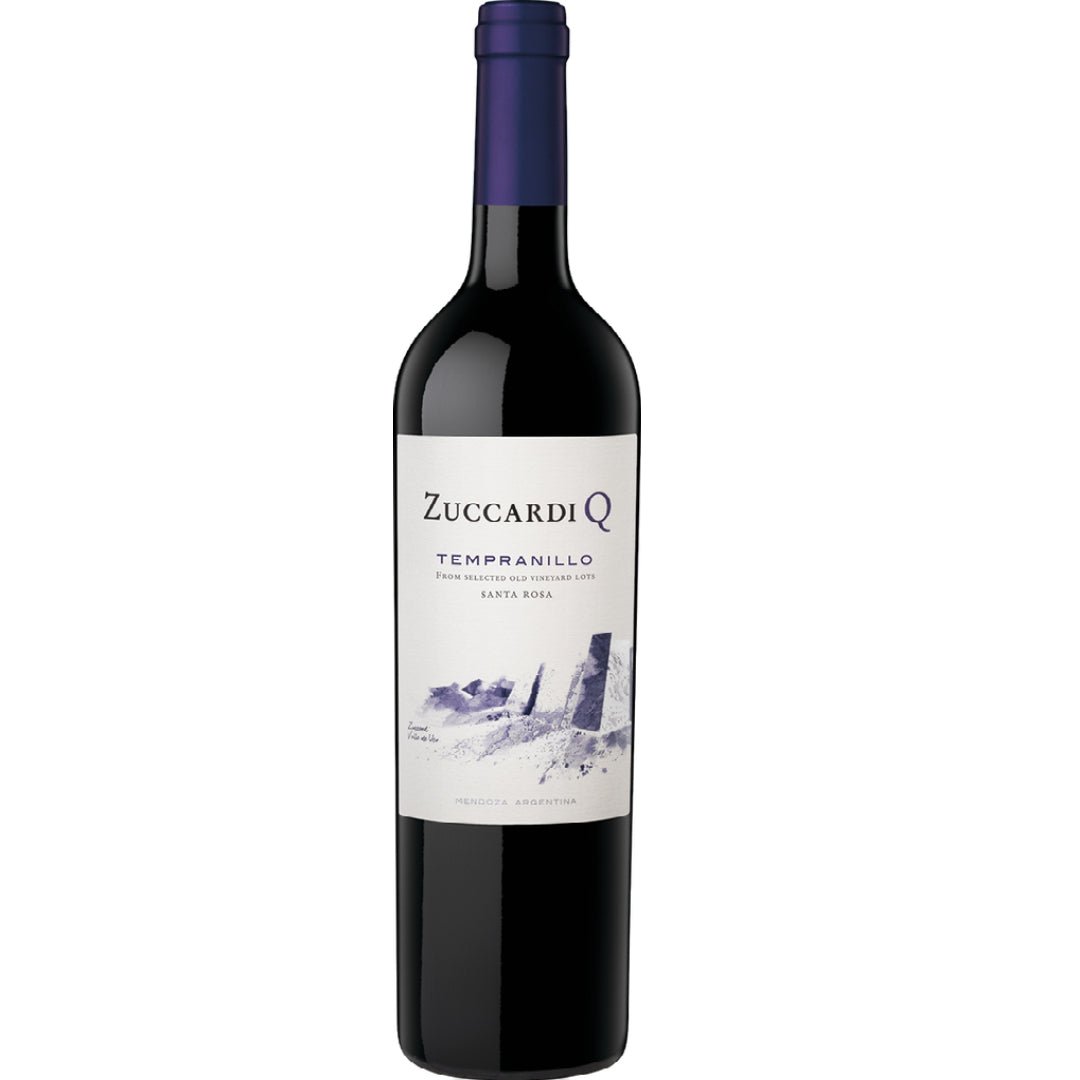
Familia Zuccardi 'Q' Old Vine Tempranillo
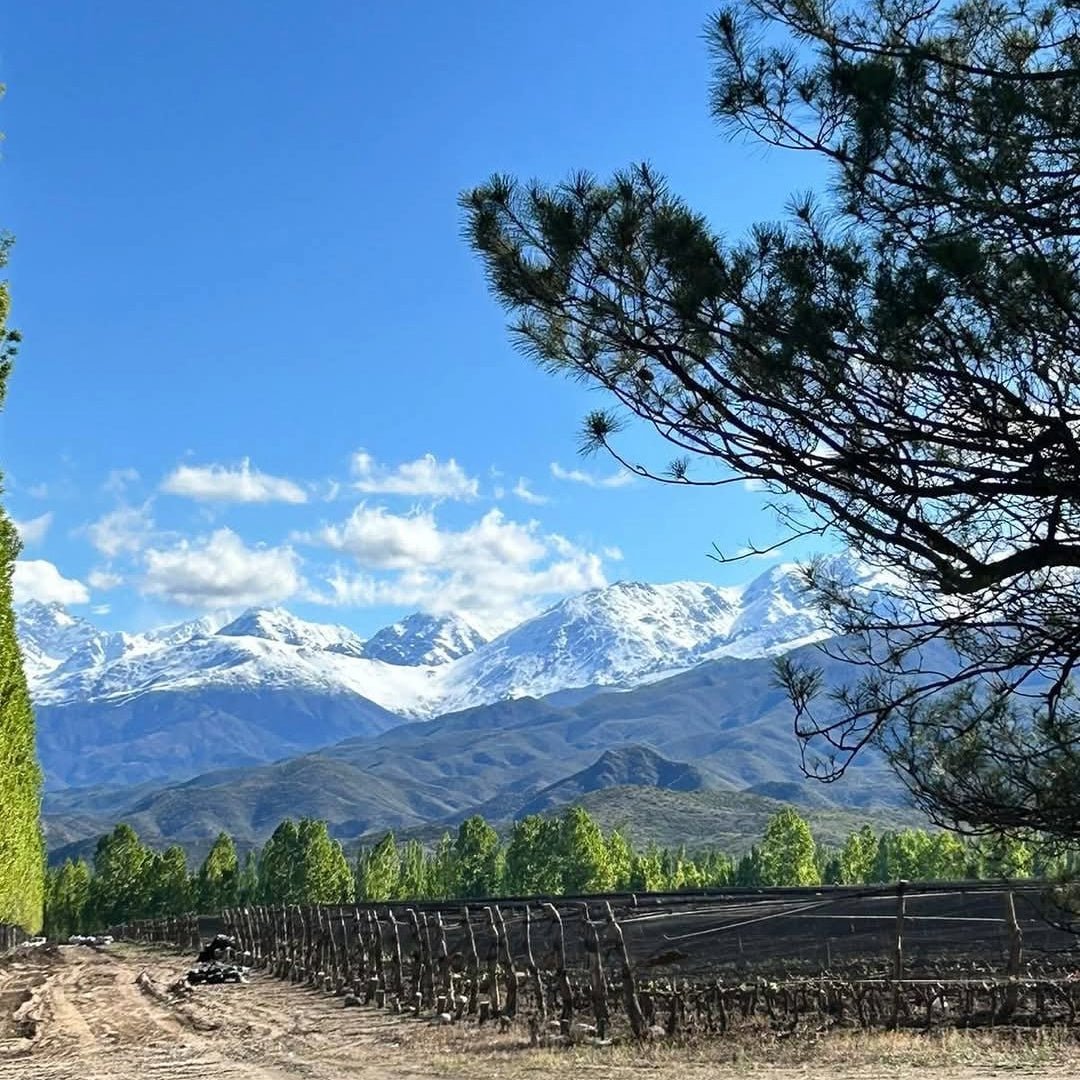
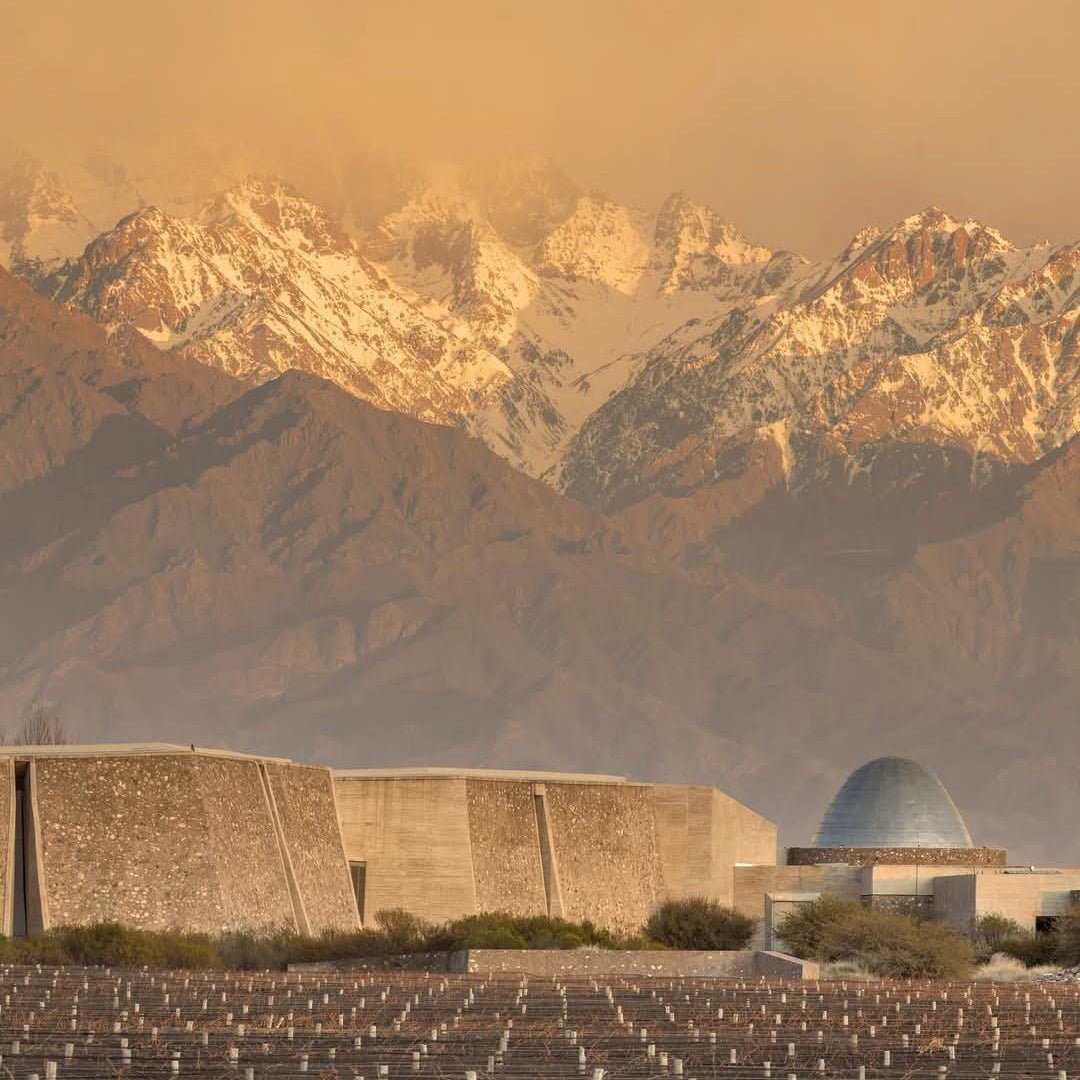
From the low altitude of McLaren Vale we go to Santa Rosa in Mendoza, Argentina. Santa Rosa is in the East of the region, here we are only 600-800m above sea level, high up but nowhere near the dizzying heights of many Mendoza vineyards. Santa Rosa is in the foothills and rain shadow of the mighty Andes. At higher altitudes in places like the Uco Valley sub region, despite the heat and the intense sunshine, the temperatures are moderated, so cooler climate grapes can be grown; Pinot Noir, Cabernet Franc, Chardonnay and leaner styles of Malbec. Santa Rosa does not benefit as much from this moderating altitude, so this is where warmer climate grapes such as Tempranillo thrive.
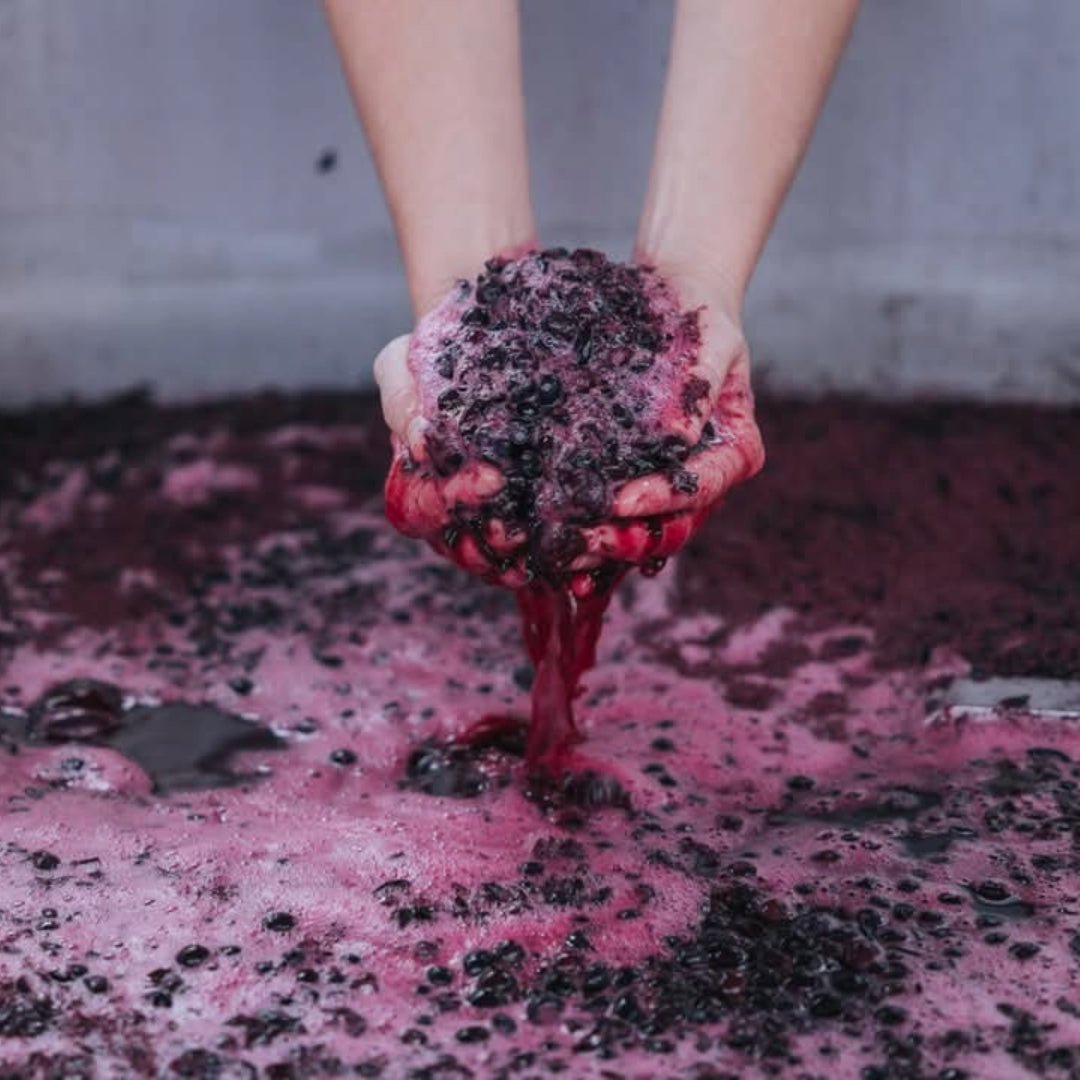
Familia Zuccardi are the oldest family-owned winery in the country, with Sebastian Zuccardi, grandson of the founder now in charge. It is safe to say that he is one of the most influential winemakers in the country at this time. For this wine, old vine Tempranillo grapes are handpicked and then meticulously selected. The treatment in the winery is gentle, with the wine being fermented in concrete to retain fruit purity. It is then aged in old oak so as to not overwhelm this, frankly, beautifully scented wine! When Argentine grapes are treated gently in the vineyard and winery, they have an amazingly bright and complex character. In the wine, you can sense the ripeness of the grapes, there is chocolate and tobacco but the palate is racy and full of vibrant strawberries usually associated with cooler climate Tempranillo. This is a fantastic accompaniment to any BBQ situation.

This brings us to the end of our Spanish season, with this final wine leading on perfectly to our next season, "The America's"


