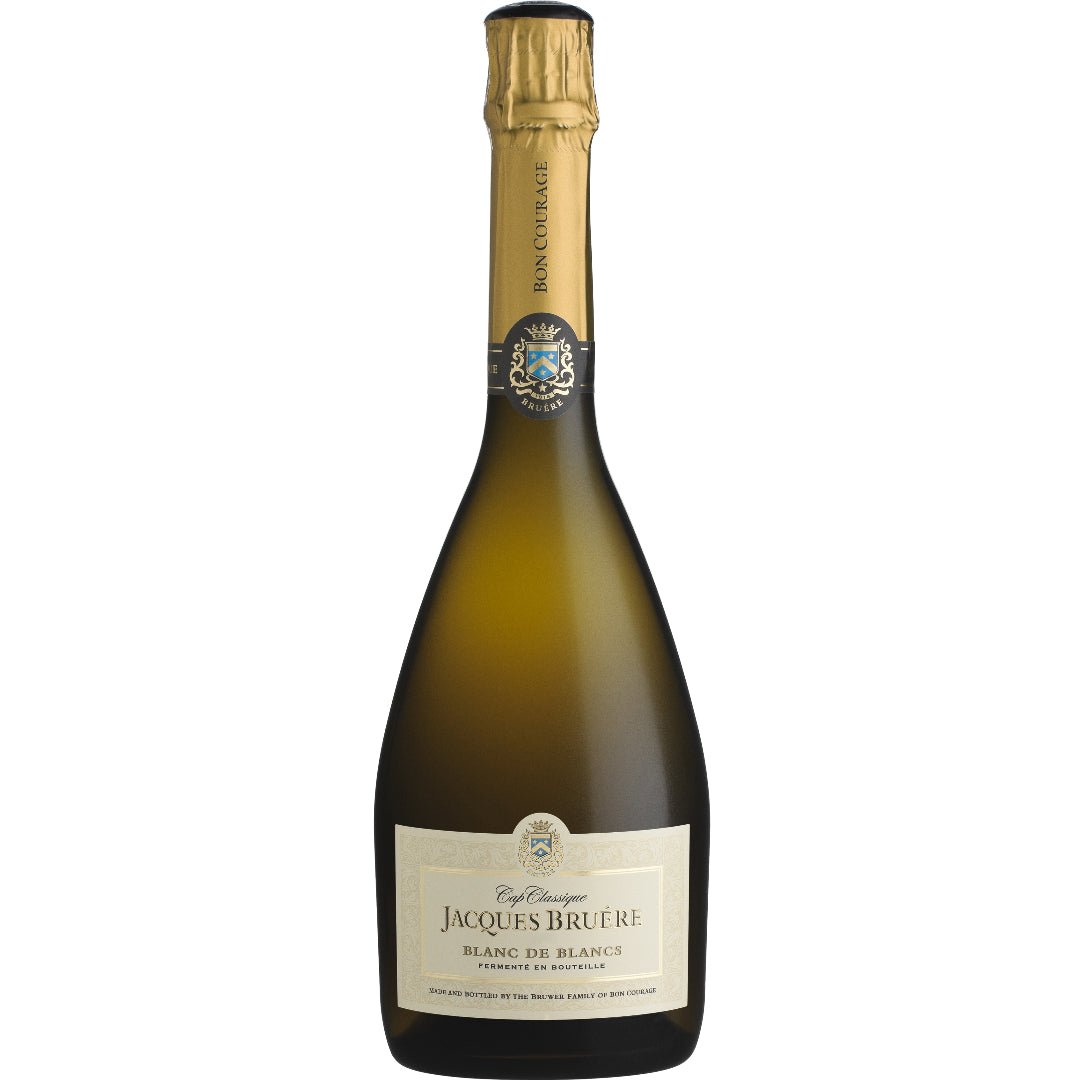
Spotlight on Jacques Bruere and the Fabulous Fizz of South Africa
Write up by Chris Nolan
Fizzy wine is fantastic. It looks great. It smells great. It tastes great! There is no reason that sparkling wine should be limited to the confines of celebration alone. It pains me that other than prosecco. it isn't usually drunk purely for it's own enjoyment alone.
Sparkling wine can be made in three styles, four if you include simply carbonating a still wine, (we will not include this method):
The Ancestral Method is as you can guess, the original method of producing sparkling wine. Essentially the first fermentation is not completed before the wine is put into a vessel, be it a tank, barrel or bottle. The modern version of this is undertaken in bottle. In the old days before the Geordies came along with their stronger, coal fired glass bottles, the glass was liable to explode under the pressure of the captured CO2. As the live yeast continues munching on the fermentable sugars, it creates alcohol and also, crucially here, CO2. With no where to go, the CO2 is absorbed into the wine and released as a lively sparkle in your glass. This is what the original Champagnes would have been like, the cold weather would set in before the initial fermentation was completed and the yeast would go dormant. In spring the yeast would kick back into action and start fermenting again giving that famous sparkle, "I am tasting the stars!" Dom Perignon allegedly proclaimed. The modern take on the Ancestral method is Petulant Natural, Pet Nat for short. This is an in-vogue style of sparkler, fully embraced by the “natty” wine scene.

- The Charmat Method is used for most of your inexpensive or bulk fizz. Think prosecco and other easy going fun and fruity wines. This is not to say that wines made in the the Charmat method are inherently "simple" some can be wonderfully fruity and expressive. The Charmat method is also known as the "tank method" or "cuvee close," it is a winemaking process that creates sparkling wine through secondary fermentation in pressurized stainless steel tanks rather than individual bottles. Essentially you are making your wine and then adding more sugar and yeast to start a secondary fermentation under pressure, forcing the CO2 to be absorbed into the wine. If a smaller tank is used, you may get a little hint of flavour from the yeast, the majority of Charmat wines are produced in large tanks so the flavours are all down to the fruit.
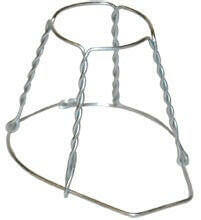
- The Traditional Method is how all the great sparkling wines are produced including Champagne, the King of Fizz. This method involves again, a secondary fermentation with the addition of yeast and sugar to a wine. The wines are usually high in acid and low in alcohol. The difference between the Traditional method and the Charmat is two fold. First of all, the process is undertaken in individual bottles instead of tanks. This much smaller fermentation vessel vastly increases the surface area between the wine and the dead yeast cells that fall out of suspension. These cells over time change the flavour of the wine, adding autolytic characters of yeast, brioche and a creaminess. Talking of time, this is the second difference between Charmat and the Traditional method, the Charmat method is quick. In Charmat production the wine doesn’t ordinarily spend more than a few months in the tank, the Traditional method is slow. For a Crement, 9 months is the minimum aging time in bottle, for a champagne 36 months is the minimum! During aging, the wines need to be “riddled”, this is the process of slowly turning the bottle laterally and also raising it to the vertical position with the bottle neck at the bottom. The yeast slowly concentrates towards the end of the bottle neck, this is then removed in a process called “disgorgement” which usually includes freezing the blob of yeast at the end of the bottle and then opening it. The pressure in the wine forces this yeast out of the end. With a lot more time and effort involved, these wines are naturally more expensive, but they are so worth it!

So, that is how you make sparkling wine. Why then have I chosen to showcase the wines of Jacques Bruere? Well first of all because we are running our South Africa Season. Secondly, because the wines are delicious and dare I say it, too cheap for what is in the bottle!

The Jacques Bruere range of fantastic fizz's are produced by the Bon Courage estate in a region called Robertson. Robertson is at the Eastern end of the Breede River Valley in South Africa’s Western Cape. Robertson is a well-known region for producing powerful, gutsy reds, it is not hard to ripen grapes here. Producing a high acid, lower alcohol wine is trickier. Remember the secondary fermentation needed to produce the fizz? If the alcohol level rises too high during this second fermentation, the yeast will die and your wine will suck.

Robertson itself is defined by high peaks and rocky crags. These imposing peaks and crags that thrust up from the valley floor cast long shadows across sections of the valley. Where these shadows lay is predictable. In the sites that have been identified as being shadier, Bon Courage have planted the grapes destined for their sparkling wines, Chardonnay and Pinot Noir. Protected from the fierce African sun, the grapes have a longer hang time on the vines, developing a lovely ripeness, but retaining the essential acidity and crucially, keeping the sugar levels and therefore, potential alcohol levels in check.

There are three sparkling wines in the Jacques Bruere range. A classic white Brut and a Brut Rose which are both a blend of Chardonnay and Pinot Noir, two of the main staples in Champagne. The third wine is a Blanc de Blancs produced solely from Chardonnay. All very classic. The production methods used are all very classic too, the grapes are hand harvested instead of machine harvested, this means that there is less danger of the grape skins being damaged which would leech tannins, and in Pinot Noirs case colour into the leaking juice.
Where this range of wines massively deviates from the vast majority of Traditional Method sparkling wines we stock in the shop, is in the level of bottle aging. Remember, the minimum bottling aging for a Crement is 9 months, a Champagne is 36 months, well the Brut and Rose from this range are aged a whopping 96 months in the bottle! 8 years! This is top level Prestige Cuvee aging in Champagne! Yet these wines are around £20.00 per bottle not £200.00. Oh, and the Blancs de Blancs is an obscene 120 months bottle aging...

What does the extended aging on these wines mean then? Well, they are rich and toasty beyond what their modest price tag should dictate. These are wines with the flavour of celebration but with the price tag of a weekend treat. These are high quality wines then where you do not need a special occasion to pop the cork. These are marvellous wines that allow you indulge in the taste of the stars whenever the feeling takes you.
Jacques Bruere Vintage Cap Classique Brut Reserve
A surprisingly fruit driven style for how long the wine has been aged with peach, hints of citrus as well as creaminess. The palate expresses both intensity and delicacy. 96 months of bottle aging on the lees is evident with toasted nutty characters infused with stone fruits and complimented by rich, creamy biscuit flavours. Lingering finish with a lively mousse.
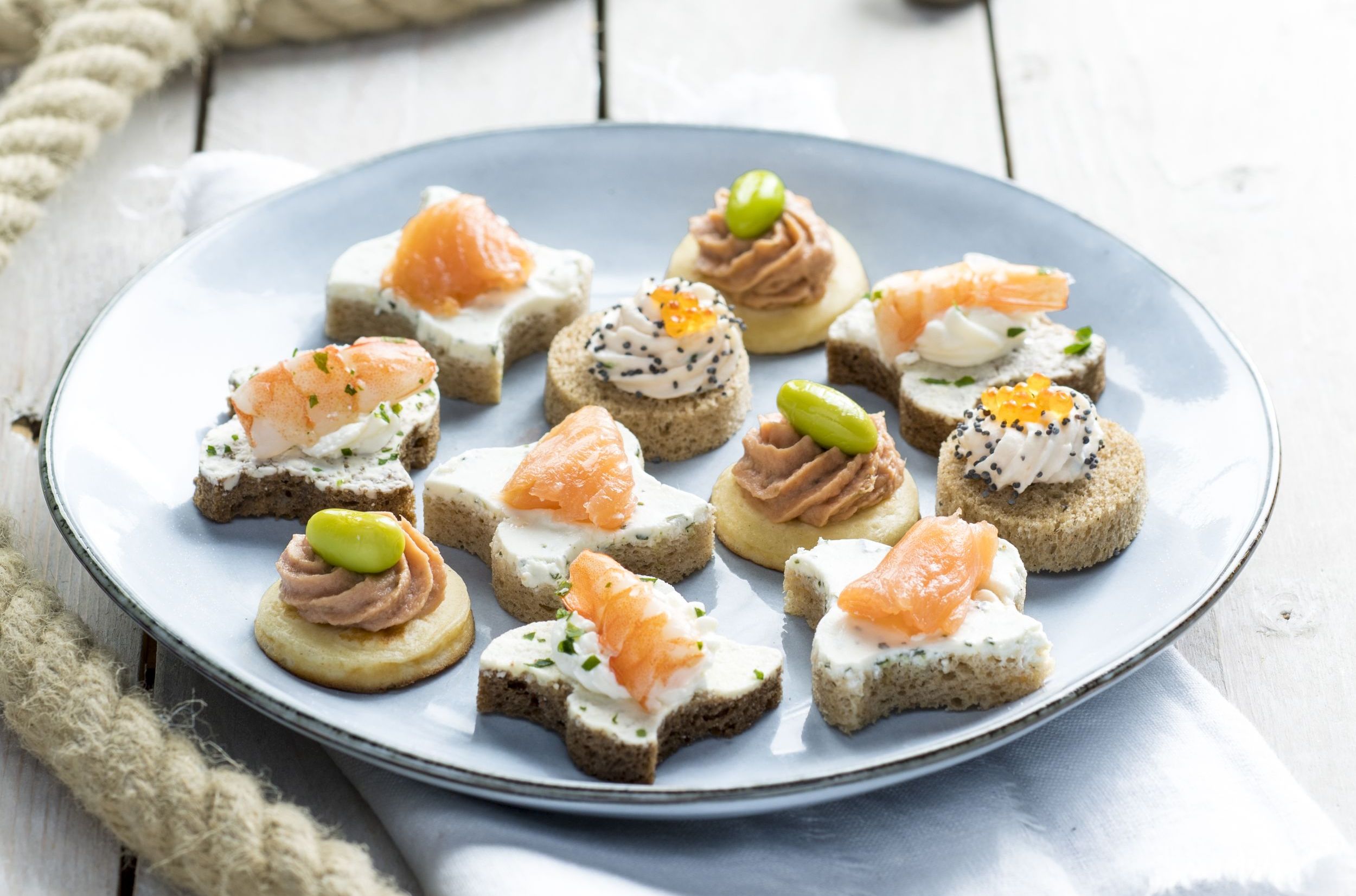
A wine for all occasions, not just the special ones - compliments fresh oysters, sushi, poached salmon or any seafood based canapės.

Jacques Bruere Vintage Cap Classique Brut Rose
Full yeasty rich aromas with an undercurrent of raspberry. Silky richness on the palate filled with red berries and balanced by subtle mineral undertones.
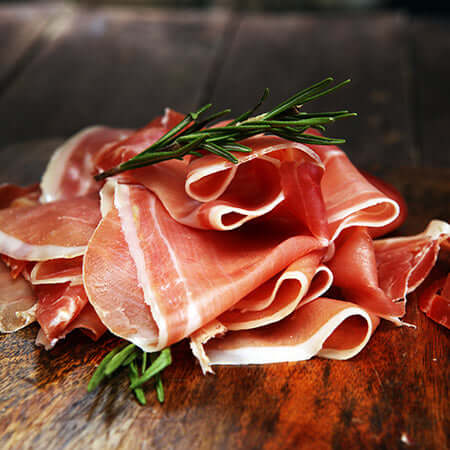
To be enjoyed on its own or with seafood based canapés. Truly versatile and can be served with oysters, salmon, tuna, prosciutto, sushi, Asian style dishes, rich cheeses and red berry desserts.

Jacques Bruere Vintage Cap Classique Blanc de Blancs
"Currently the bottle is emblazoned with so many award stickers that it makes a dictator’s jacket look low key"… Thanks Mark for that analogy!
This Blancs de Blancs has waves of fresh lime and citrus, complimented by a subtle yeastiness, just a whiff of cheese rind? It shows a great finesse on the finish with a crisp, rich and creamy complexity.
Best served as an aperitif of with oysters and the ideal partner to seafood. Also a great match with sashimi or lime flavoured Thai dishes.