Spotlight On The White Wines of South Africa
Write up by Chris Nolan
The Western Cape of South Africa produces some world class wines and has done for over 300 years. The South African wine industry is often described as having a foot in both the “old world” and another in the “new world”, (old world/new world basically boils down to Europe and not Europe. Old world tends to imply the focus is on the terroir, new world tends to imply the focus is on the individual grape varieties). Wines are often made using “new world” techniques but often have more in common stylistically with their “old world” counterparts.
South Africa is home to many classically styled wines, but it is also a country full of innovation, with a great many sustainably minded vineyards and wineries. The favourable climate has also made South Africa a hotbed for organics, biodynamics and “natural” wines.
In this pair of blogs, this one focusing on the white wines of South Africa, and its counterpart focusing on the reds, we will delve into South Africa’s flagship varietals of each colour and then look at other famous styles plus some unexpected ones.

Traditional Cape Dutch architecture
Flagship Grape – Chenin Blanc
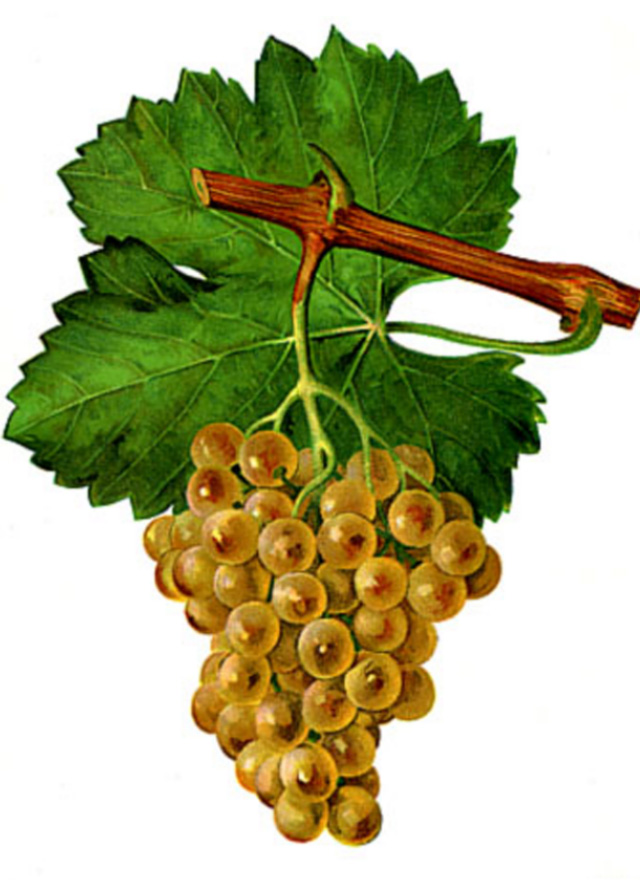
Chenin Blanc has its origins in France’s Loire Valley. It is an old variety believed to be a natural crossing of the ancient Savagnin grape with another, unknown varietal. In the Loire, Chenin has been producing a wide range of wine styles since at least 845AD, from sharp dry whites to lusciously sweet wines. France still produces approximately 65% of all Chenin Blanc wines on the world stage but it is South Africa, with 26% of the worlds plantings that have made the grape their flagship white varietal.
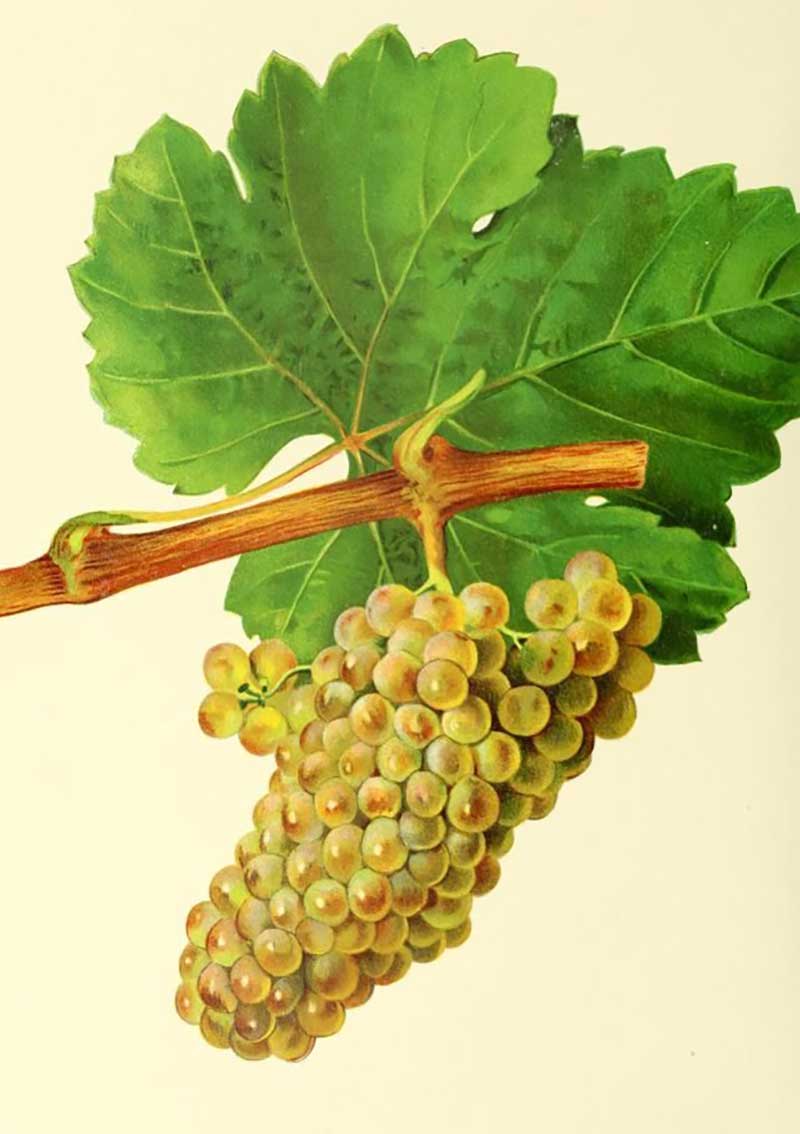
A major reason for Chenin Blancs modern success in South Africa, is in its remarkable ability to retain its naturally high acidity in warmer climates. Acidity provides the backbone of a white wine, no acid makes for a boring and flabby white! South African Chenin Blanc was not always known for producing quality single varietal table wines. Initially Chenin’s ability to retain its acid structure led to its widespread planting in the country to produce grapes for the brandy industry.
As with the majority of the world, South Africa’s vineyards were decimated by Phylloxera in 18th and 19th centuries. Post phylloxera, most South African vineyards were re-planted to high-yielding varieties, with little thought for quality in the end product. The vines were generally over cropped producing huge amounts of bland fruit. Over production was rife and the wines were bad. Things got to the point that the government had to step in, funding the Kooperatieve Wijnbouwers Vereniging van Zuid-Afrika (the South African Co-Operative Wine Growers Association, better known as KWV). Throughout the 20th Century, the KWV restricted the production of wines in such a way that innovation was near impossible, and quantity unfortunately again, was prioritized over quality.
The white wines produced from Chenin Blanc were mainly bulk wines of little character, produced from over cropped vines, the grapes often swollen from heavy irrigation. It wasn’t necessarily the lack of quality however that made the world turn their backs on South African wine in the 20th century, apartheid did that job.
The end of the apartheid system along with a shift in attitudes occurred regarding how Chenin Blanc was perceived, with the variety becoming more popular in the global community. This led to huge improvements in both vineyard practices and winery processes in the South African wine scene. Things kept improving till we get to the happy position we are in now, where we can find fantastically produced and delicious Chenin Blancs in every price tier that often over deliver whatever your budget.
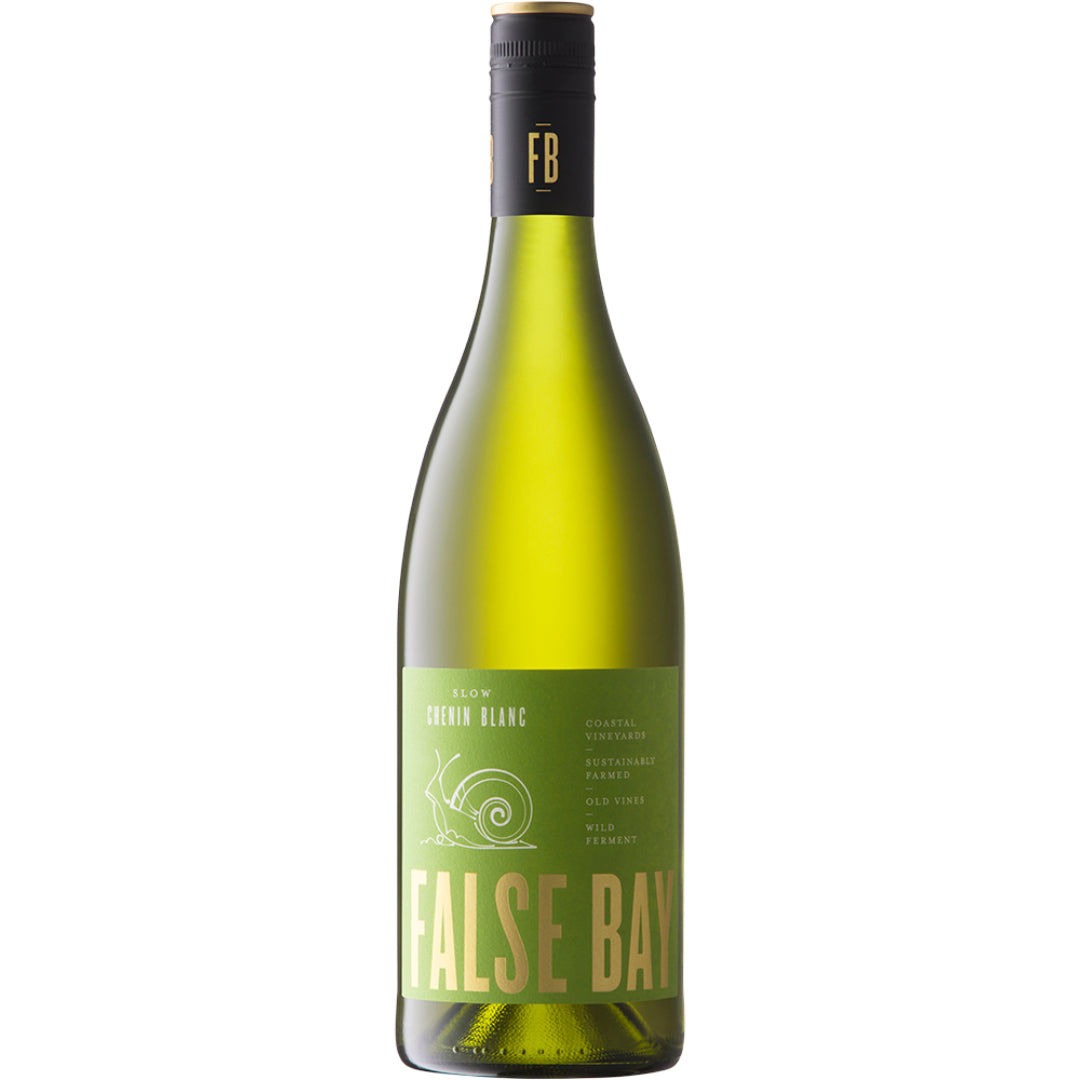
False Bay Slow Chenin Blanc
Here is the False Bay Chenin, as easy drinking as it is easy on your wallet. The whole range of False Bay wines are genuinely very good, far better than they actually deserve to be at their moderate price point! As a testament to the quality of False Bay Chenin, our delivery driver, Soph, has lost track of the quantity of this wine she has actually consumed, though I estimate that you could re-glaze the entire Shard in London with the glass from the left-over bottles.
False Bay is an independent company owned by Waterkloof founder Paul Boutinot. False Bay Vineyards aims to make 'real' wine affordable. These wines are produced following sustainable practices. Instead of commercial, off the shelf yeasts that are easy to control and predict, False Bay instead rely on wild, airborne yeasts, adding an extra element of “terroir” that is almost always missing in a wine of this modest price point.

Here is a little snippet direct from the horse’s mouth regarding sustainability:
“False Bay Vineyards is proud to be a WWF (World Wildlife Fund) Biodiversity Champion and certified by WIETA (Wine and Agricultural Ethical Trade Association). All of their wines are Vegan friendly.
False Bay are also certified as part of South Africa's sustainability accreditation, the Integrated Production of Wine (IPW) system. The IPW scheme, started in 1998, consists of a set of audited guidelines specifying agricultural practices, manufacturing practices and bottling activities.”

Cellarmaster, Nadia Barnard
Grapes are hand harvested and transported to the winery, then, under the watchful gaze of Cellarmaster, Nadia Barnard, fermented spontaneously with wild yeast in stainless steel tanks and then left on lees, (the dead yeast cells), for a minimum of ten months before bottling. This is all treatment that would usually be reserved for higher priced wines. Be under no illusion, this is not a game changing range of wines. What they are however, are excellent value for money.

Bready aromas and dried herbaceous notes, including fennel and aniseed dominate the nose, followed by a creamy lemon character. The palate is reminiscent of the nose, with great textural complexity, attributable to the long, slow wild yeast fermentation.
:max_bytes(150000):strip_icc()/use-a-spoon-chopped-salad-with-tomatoes-cucumber-red-onion-and-kalamata-olives-459c57117cf4494d88ff05413e660c73.jpg)
Pair this with simple summer salads or a risotto.
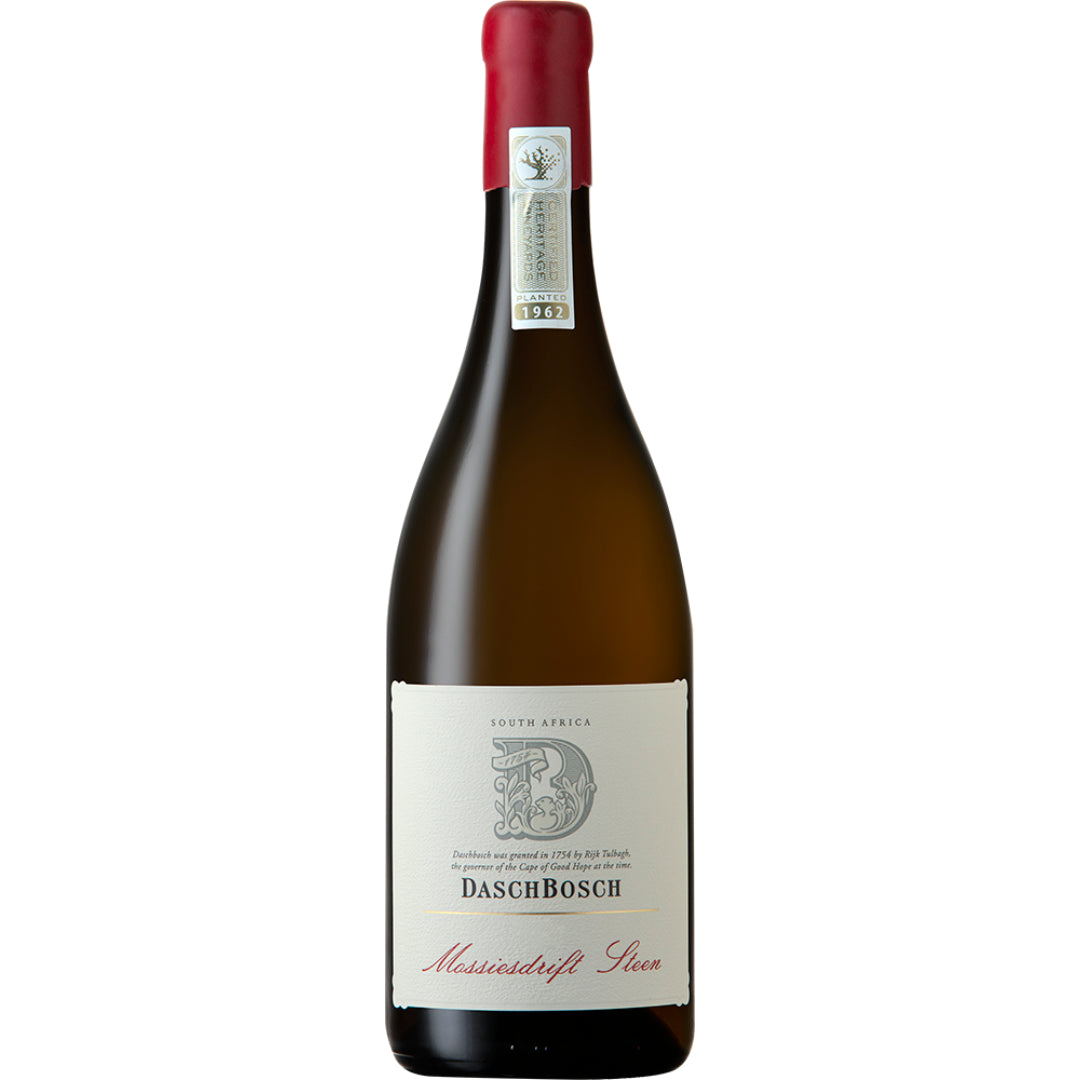
Daschbosch Mossiesdrift Steen
Here we have a more premium wine than the humble False Bay Chenin Blanc, but what the heck is Steen? “Steen” is a South African colloquialism dating way back to the 17th century when the Dutch started to settle in South Africa. Originally, Steen was thought to be a unique local grape, it was only much later with genetic testing that the variety was found to be France’s Chenin Blanc.

Our previous wine from False Bay is produced from vines grown in several appellations around South Africa’s Western Cape, this more serious example of Chenin Blanc is from a single farm in a lesser known region called Breedekloof. Breedekloof is named after the Breede river which separates the Coastal Region’s of Paarl and Wellington in the West, from the Breede River Valley regions including Breedekloof itself, Robertson and Worcester to the East. “Breede” means broad/wide in Afrikaans and “Kloof” is a deep valley or gorge. This name then perfectly paints the picture of the region, a wide valley with steep sided slopes rising to craggy peaks.

Breedekloof = Wide deep river valley
Daschbosch is a sustainably minded producer. Sustainability is incredibly important in the Western Cape as South Africa's Cape floral kingdom is one of the richest areas in the world for plant biodiversity. Of the 9000 plant species found here, 6000 are native fynbos, (shrubland wildflowers), which cannot be found anywhere else in the world.
The following is a statement from Daschbosch on their sustainable efforts:
“Daschbosch wines are certified as part of South Africa’s sustainability accreditation, the ‘Integrated Production of Wine’ (IPW) system. The IPW scheme, started in 1998, consists of a set of audited guidelines specifying agricultural practices, manufacturing practices and bottling activities. Sustainability is one of the core values of the winery as they rely on a biological asset, grapes. Their approach is focused on environmental sustainability, as the environment is a focal point when farming high quality grapes. They implement sustainability by reducing their carbon footprint, water usage and the need for electricity by using solar energy. With deep roots in the local community, they are supplying water to a school, free accommodation for cellar employees and access to medical examinations.”

The wines produced at Daschbosch are wonderful, terroir driven styles. This particular Chenin is from a single farm, Mossiesdrift, which is registered as part of South Africa's Old Vine Project. The vines at this farm are now over 60 years old. When vines get older, such as these gnarly old bush vines, the root systems dig deeper into the earth so even in warmer places like this, they can tap into the water table, reducing the need for irrigation, (effortless sustainability!). Older vines are naturally less vigorous and produce fewer grapes so more energy is dedicated to this smaller amount of fruit, leading to a more intense flavour with a greater sense of minerality.

After handpicking, the wine was fermented in 3rd & 4th fill barrels for about 3 weeks with commercial as well as wild yeast then left on the thick lees for 6 months to develop texture and autolytic flavours. Barrel maturation continues for 8 months. The result of the old vines and the expert cellar treatment is an earthy character of wet stone, ripe citrus and spice on the nose with bruised red apple and a saline yeasty tang. Vibrant and concentrated in the mouth with intense yet restrained fruit balanced by taut acidity and an impressive length to the finish.
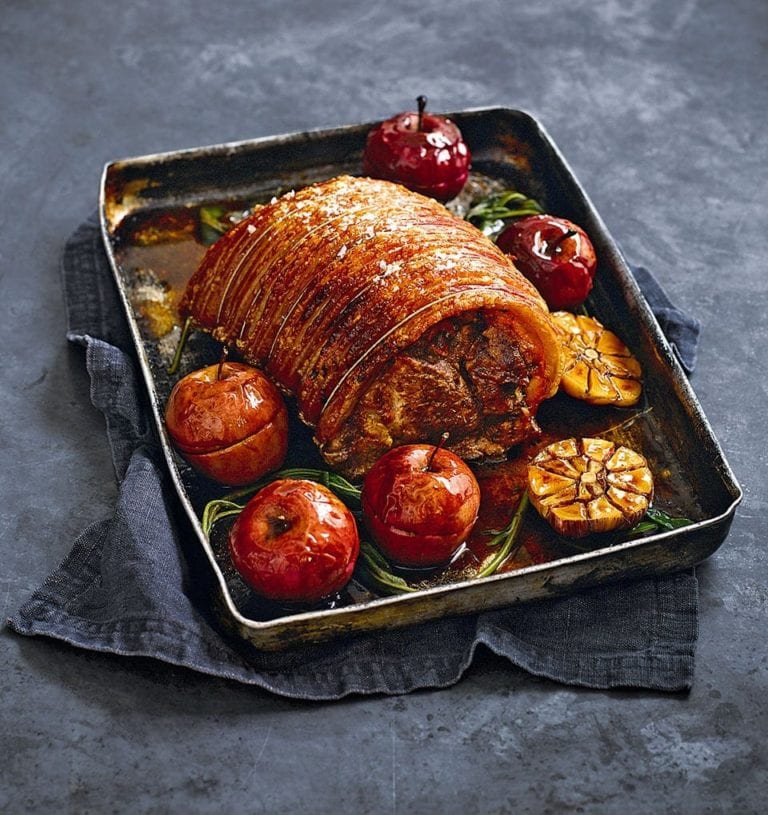
This style of Chenin deserves langoustines though will happily stand up to pork and apple.
Something a little out there…
As touched on earlier, South Africa is somewhat of a hotbed these days for innovation, not being constrained by the rules that govern the vineyards of Europe, young wine makers are experimenting with different varietals and blends that would never be permitted in a classical region. The next four wines are all somewhat oddities, either due to the winery treatment, the selection of grapes or the end style of the wine.
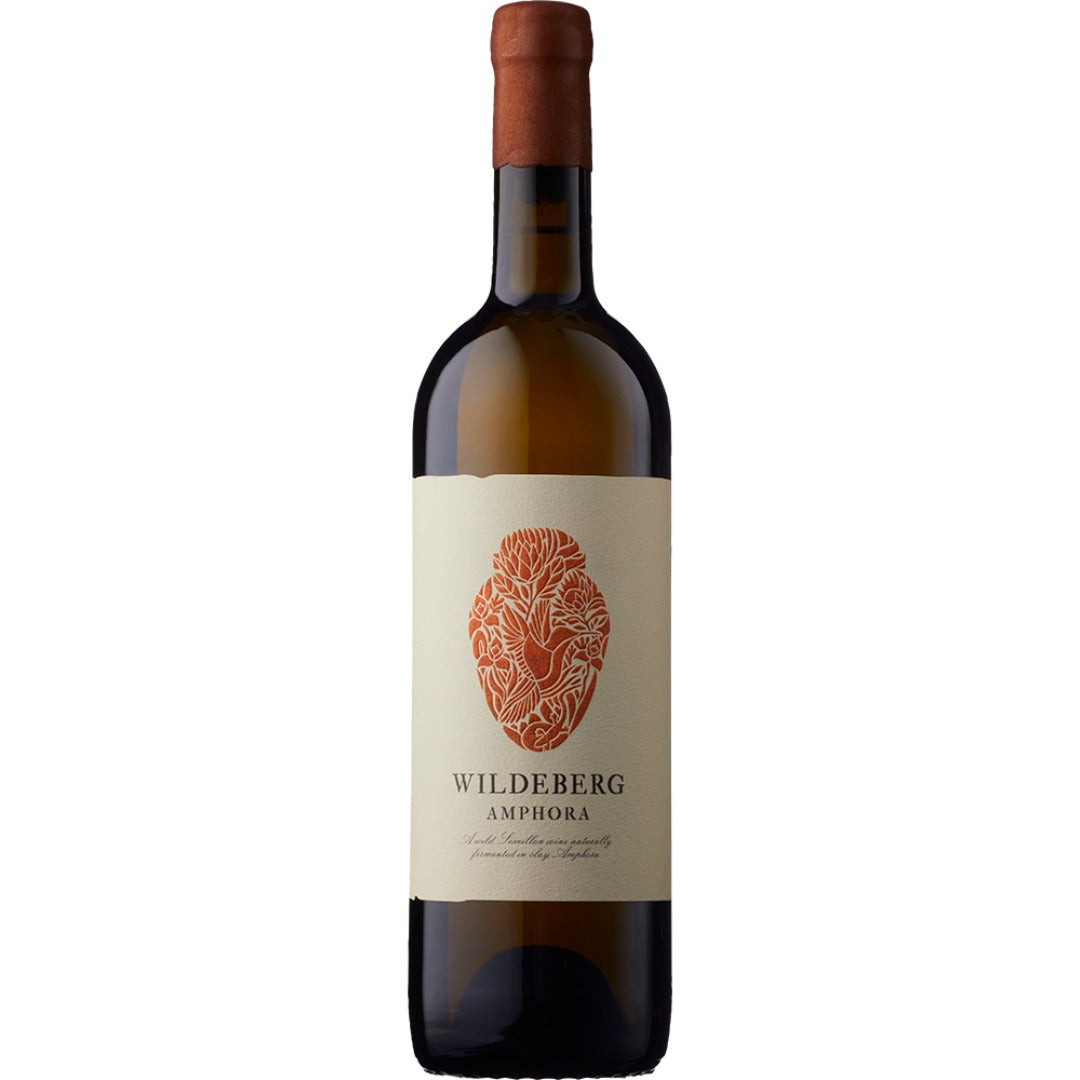
Wildeberg Amphora Semillon
Bordeaux grape varieties have always been popular in South Africa’s Western Cape. On the red side, Cabernet Sauvignon is famous from Stellenbosch, Merlot is also widely grown and used as both a mono-varietal and also as a blending partner. White wise, Sauvignon Blanc is an ever-popular Bordeaux staple that does very well in South Africa, Semillon on the other hand is a lesser seen varietal that often slips under the drinkers radar.
Wildeberg, another member of the South African “Old Vine Project” are situated in Franschhoek which translates to the “French corner.” It is here that a large number of French Huguenots settled in the 1600’s. The Huguenots were Protestant’s, fleeing religious persecution and finding respite in this zone of South Africa. Being French, they brought with them vines and the knowhow to make the wine that every Frenchman needs flowing though his veins.

Here is a little snippet from Wildeberg on their sustainable efforts:
“Wildeberg is a 144ha wine farm set against the backdrop of the dramatic Franschhoek mountains, on the very edge of viticultural possibilities. To farm here you have to be in tune with nature, respecting the earth and the elements, creating wines which truly express the terroir with minimal intervention.
This special area is home to 4 endangered Fynbos species, and a key mission of Wildeberg is to conserve this vegetation type as they are critical to the biodiversity of the Western Cape. This work entails clearing invasive alien trees which can overwhelm the Fynbos and contribute to the threat of forest fires. Fynbos covered mountains like those at Wildeberg are thought to be responsible for delivering one glass of water in five in South Africa, due to the plants allowing up to 80% of rainwater to run off into rivers and reservoirs rather than being absorbed into the soil.
Water is precious in South Africa, and waste water from the winery passes through a natural wetland with indigenous reeds and plants before being pumped into our irrigation dam. We then use this water to irrigate the vines.
All Wildeberg wines are certified as part of South Africas sustainability accreditation, the 'Integrated Production of Wine (IPW) system. The IPW scheme, started in 1998, consists of a set of audited guidelines specifying agricultural practices, manufacturing practices and bottling activities.”

Now for the wine itself. This is produced from Semillon vines planted way back in 1905, Queen Victoria had only been in the ground for four years and Norway was only just getting its independence from Sweden. This was the same year that Albert Einstein published his groundbreaking "miracle year" papers introducing the theory of special relativity and the mass-energy equivalence formula, E = mc². In essence, these are bloody old vines!
The grapes themselves are treated gently and are of course, hand harvested before being fermented and matured for 9 months on gross lees, with battonage once a month, in 750l Italian Tava amphora. Amphora are clay pots, similar to, but smaller than the Georgian Qvervi, (k-way-vree), the ancient Romans and Greeks used to love them. Aging wine in clay amphorae allows for pure, unmasked terroir expression and rich textures. The porous clay provides controlled micro-oxygenation to soften tannins, while remaining entirely neutral so the wine retains its natural fruit and earthy minerality without picking up oak flavours.

The end result is a pithy lime salvo, followed up with spicy ginger notes. The battonage adds to an already generous, mouth filling texture and nicely complements the innate refined acidity on offer. I do love the texture of this wine, Semillon has a wonderful natural texture with an almost waxiness to it. I always find that wines aged in clay Amphora or qvevri always have almost a feeling of terracotta to them in the mouth. Interesting stuff!
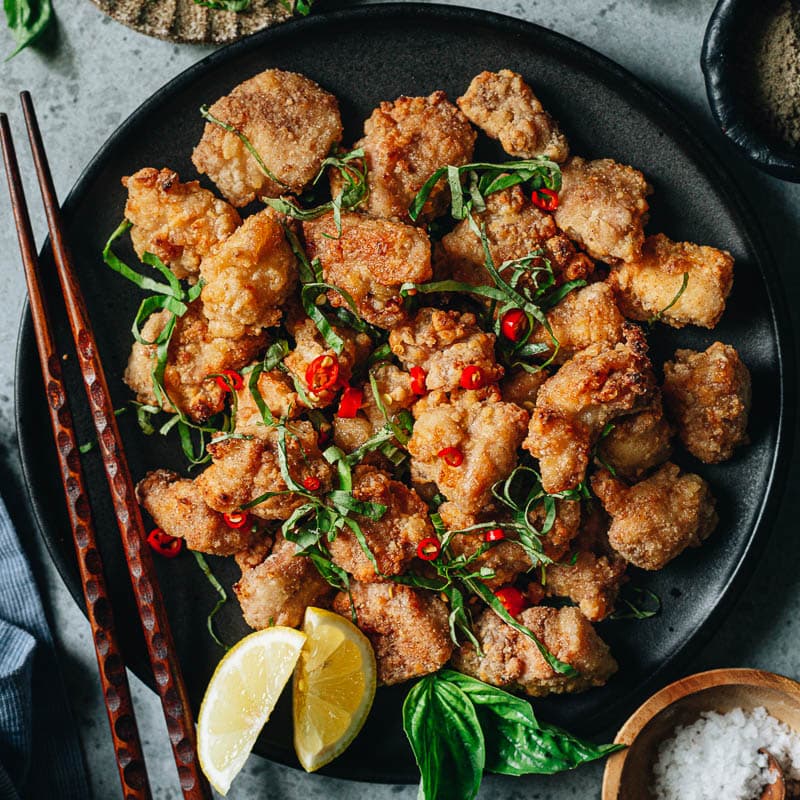
Get this with some Asian food, miso salmon noodles or some Chinese salt and pepper chicken.
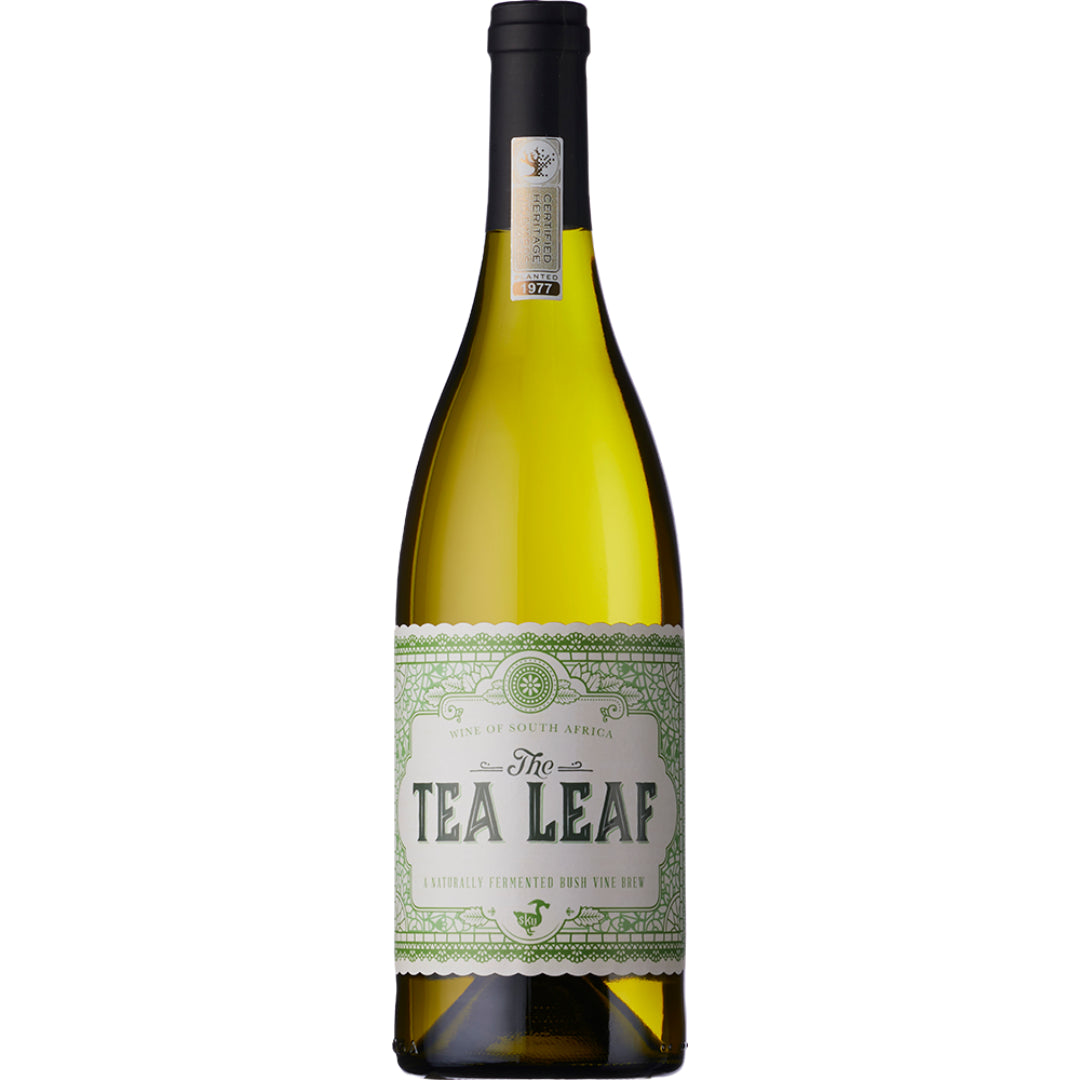
The Tea Leaf Bush Vine Brew
From the more serious wine produced by Wildeberg, we move to something at the fun end of the spectrum. This is a wine made by a company called SKU, Strange Kompanjie. This is a motley crew of vignerons who have the following to say about themselves:
“SKU is a casual band of happy ferments. A circus tent of the Cape’s stranger grapes and blends.
We will champion the unfashionable, experiment with the known and express the found before it gets lost. Mistakes are likely, fun certain.”

That is one hell of a back yard!
SKU, whilst also farmers in their own right, buy in grapes from growers around the Western Cape which is a very common practice in the wineries of South Africa. The fruit for this so called “bush vine brew,” come from low yielding bush vines planted in Franschhoek, Piekenierskloof and Paarl. The fruit is all sourced from vines planted in previous rooibos, red bush tea, plantations. As the wind picks up, the natural oils from the these local fynbos are blown onto the grape vines. The grapes are of course soaked in the winery, but I like to imagine some of that rooibos oil remains to lend its aromatics in the final wine.
The blend of grapes in this odd bush vine brew would most likely get you sent to the guillotine in the regimented appellations of France. In here you have the South African staple varietal of Chenin Blanc making up 80% of the blend, Chenin of course being a native varietal of the central stretches of the Loire Valley. The remaining 20% of the blend is made up of two rarer Southern superstars, Grenache Gris and Marsanne. The Chenin Blanc brings acidity to the blend with lively citrus characters. Grenache Gris with its pinky/grey skins offers up a medley of apples, granny smith all the way to pink lady. Marsanne provides an oily texture with notes of honey and wild flowers.

So, the blend is about fun, but the end result is a seriously delicious bottle of plonk. Aromas of ripe citrus and peach with savoury, gentle nutty notes. The palate combines firm, high-key fruit with a gentle, sandy texture true to the source vineyards' soil leading to a long, lightly honeyed finish. A deeply satisfying wine, taut and concentrated, from a blend of high-quality bush vine fruit.
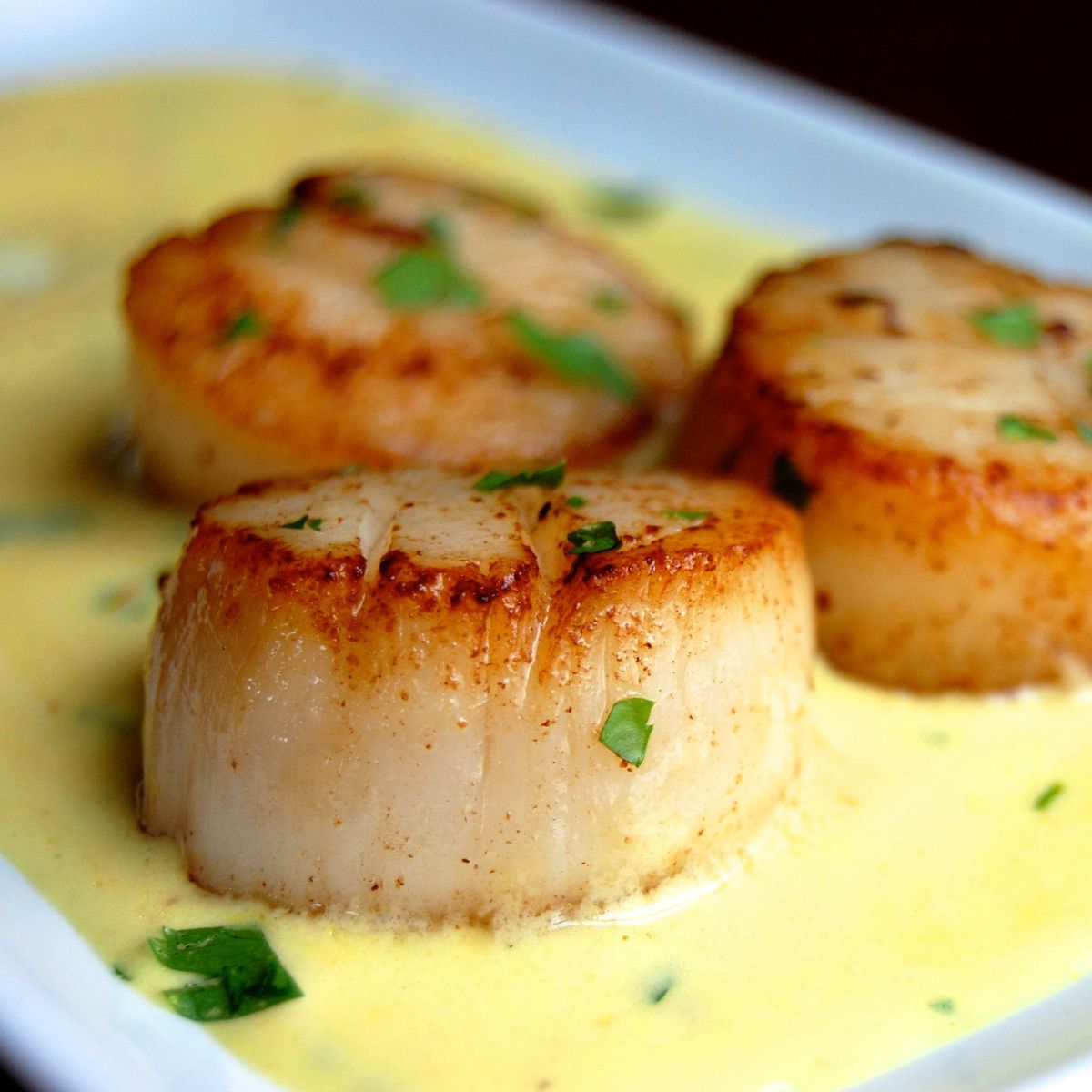
Drink with scallops, shawarma or sushi.
Dye Bleeding Grenache Gris
The Dye Bleeding is another fun and singularly unique wine from the ever experimental Strange Kompanjie, SKU. This time the grapes are sourced from the historic ward of Paarl. Paarl is one of the most famous wine regions in the country alongside Stellenbosch and as such, is home to some of South Africa’s oldest and most highly regarded wineries. Many of these wineries are more traditional in terms of their output, but Paarl has a hugely varied topography and terroir and so is becoming somewhat of a playground for experimentation by the younger generations.
Despite the huge variance in terroir around Paarl, as a generalisation, the region is warmer than the coastal areas of Stellenbosch and has soils of poor nutrient content, the result being added concentration in the grapes grown here and a slightly higher focus on “Rhone” varietals such as Syrah and Grenache.

Dye Bleeding is made with a natural mutation of Grenache. This is Grenache Gris, rare and obscure, having very little research done to determine where the grape from or when the natural mutation even occurred. It is safe to assume that Grenache Gris first appeared in the South of France as that is where the majority of it is grown. The grape itself has pinky-grey skins, very similar to Pinot Gris/Grigio, “gris/grigio” meaning grey.

This is clearly not Grenache Gris, but look how happy he is!
For this wine, SKU have made a skin contact example, the same wine making processes as used for red and orange wines, letting the grape juice ferment in contact with the grape skins. This skin contact leads to colour, tannins and flavour being extracted from the grape skins. Due to the pale pink colour of the grape skins though, this wine sits somewhere between an orange wine and a rose in terms of style and colour. If you have a look at the bottle you can see the exact colour of the wine on the label. When the team at SKU saw it, it reminded them of the disaster when you leave a red sock in your white washing load, this they have leant in to for the wine, “Launderama Drama. Rogue sock. Pink pants,” is your sole description of the wine on the back label.
Beautifully pale pink in colour, the palate is initially one of fresh strawberries before a very smart pithy finish.
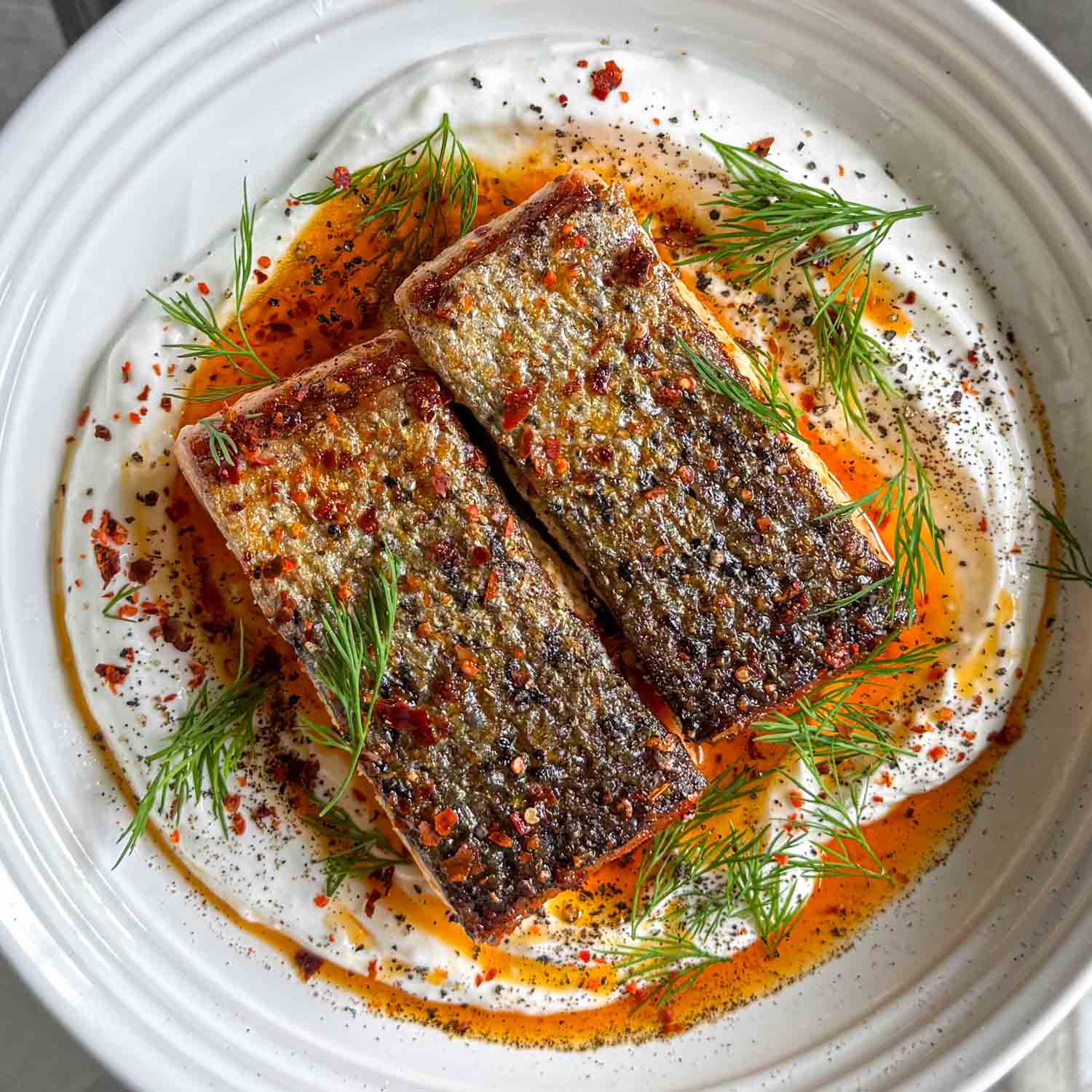
Pairs beautifully with a sunny evening in the garden but if you want food to go with it salmon or pork with a fennel crust would be a delight.

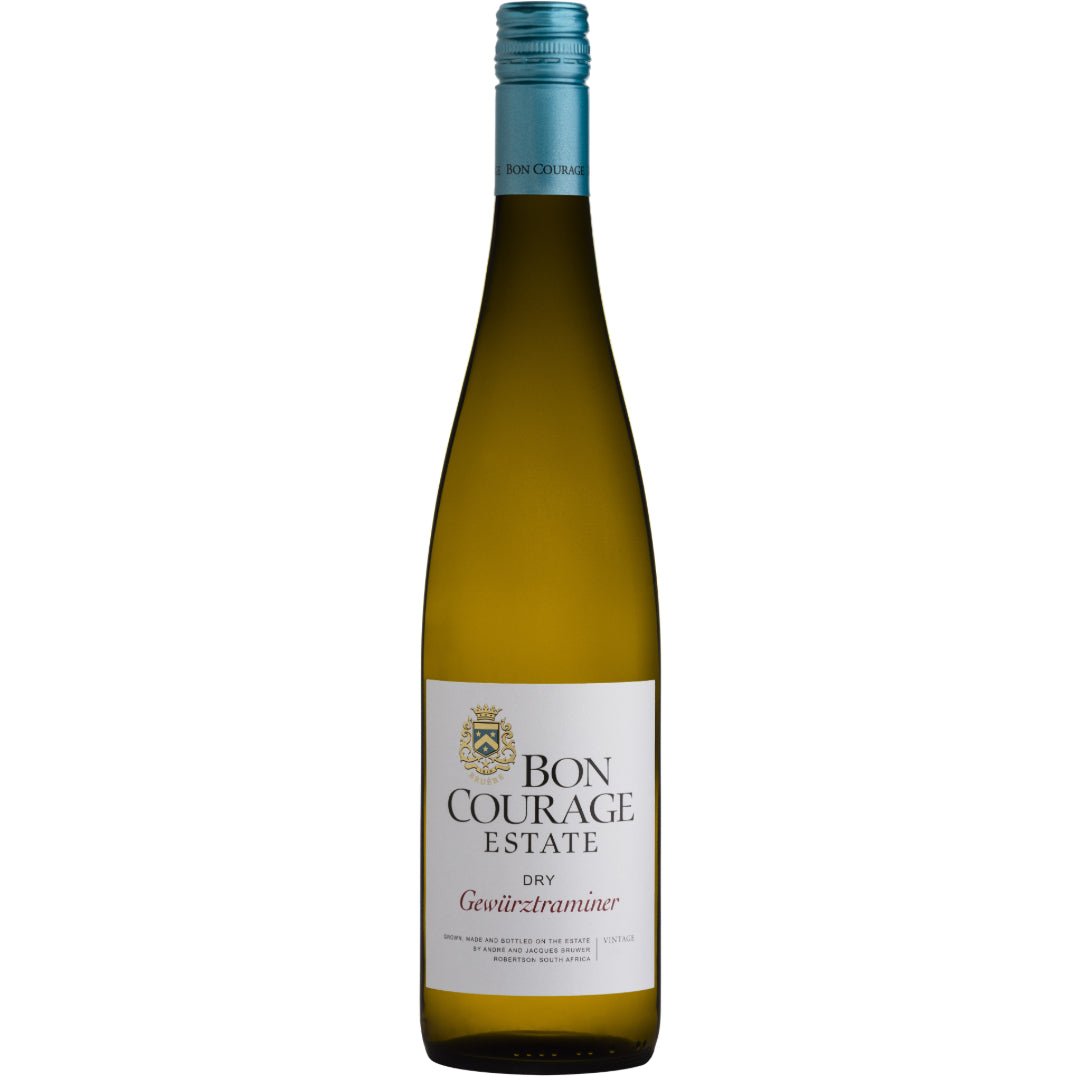
Bon Courage Dry Gewurztraminer
For our final show case white wine, we head back over to the Breede River Valley, this time to the Eastern end and Robertson. Robertson is known for producing big, gutsy red wines but I have found they also produce some fantastic white and sparkling wines from the cooler South facing slopes here too. The fizz produced here is so good, it has a blog all of its own which you can visit here.
Bon Courage estate make some beautiful wines, but they are generally more conventional in style. I have chosen this particular bottle as it is one of my all-time favourite grapes which is also a rarity in South Africa. The grape is so rare here, that South Africa doesn’t even get a single percentage in the ranking of Gewurztraminers global plantings.
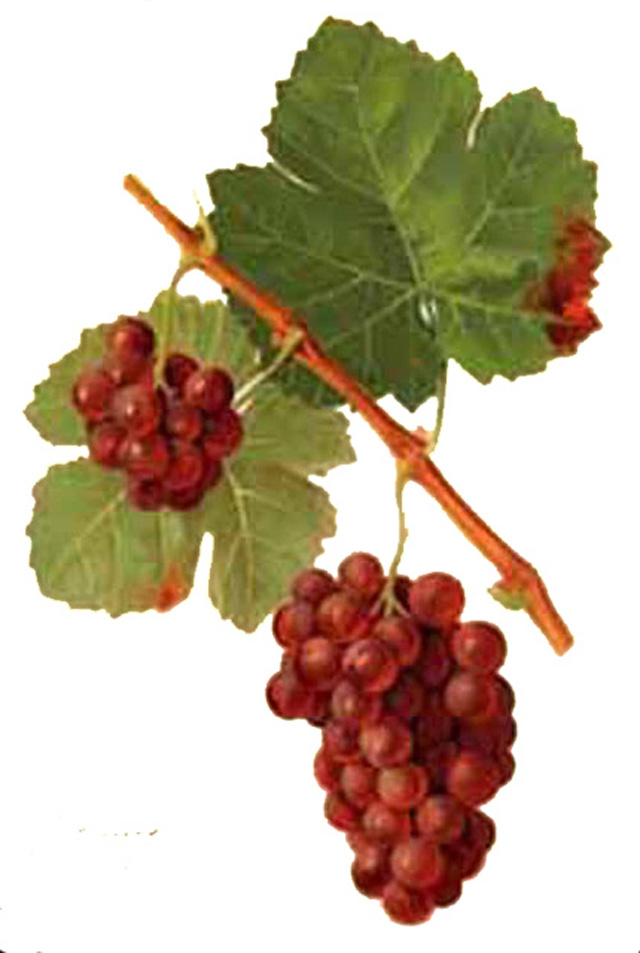
Gewutz is another pink skinned varietal but unlike Grenache Gris, this one is ancient. Gewurtz is thought to be the aromatic mutation of an obscure grape called either Roter Traminer or Savagnin Rose and is thought to originate in what is now South-Western Germany.
When grown in wetter climates, Gewurztraminer is susceptible to rot, noble rot such as botrytis is often encouraged in places such as Alsace or Germany, this leaves some residual sweetness in the wine. Gewurztraminer has thick skins and with that pink hue, can gain noticeable tannin and astringency. This astringency is usually balanced with the residual sugar to produce a deliciously unctuous wine, Gewurtz is known for its highly expressive aromatics of lychee and roses so the sweetness just goes hand in hand. A touch of sweetness in a wine can be great but you have to be in the mood for it. In their drier climate, Bon Courage has produced a fully dry Gewurztraminer, this is the only one we stock which is fully dry.

The grapes are hand-picked to avoid getting damaged, thereby avoiding the clear juice coming into contact with the perforated skins which would lead to colour and tannin extraction. Similarly, in the winery, the team at Bon courage has taken great care to minimise any more skin contact than they need, 3-5 hours skin contact under temperature control is all that is permitted.

The result is an aromatic dry white, softly spiced on the nose with hints of flowery rose petals. Full and complex on the palate with a spicy dry finish. Due to the lack of sugar, this is a wine I would quite happily sit back and drink by itself on a sunny day, pairing wise, it will still work wonderfully with all the Asian foods that Gewurztraminer is famously good with.

I’d suggest a Keralan style curry packed with coconut, careful on the spice levels though!