Spotlight On The Red Wines of South Africa
Write up by Chris Nolan
The Western Cape of South Africa produces some world class wines and has done for over 300 years. The South African wine industry is often described as having a foot in both the “old world” and another in the “new world”, (old world/new world basically boils down to Europe and not Europe. Old world tends to imply the focus is on the terroir, new world tends to imply the focus is on the individual grape varieties). Wines are often made using “new world” techniques but often have more in common stylistically with their “old world” counterparts.
South Africa is home to many classically styled wines, but it is also a country full of innovation, with a great many sustainably minded vineyards and wineries. The favourable climate has also made South Africa a hotbed for organics, biodynamics and “natural” wines.
In this pair of blogs, this one focusing on the red wines of South Africa, and its counterpart focusing on the whites, we will delve into South Africa’s flagship varietals of each colour and then look at other famous styles plus some unexpected ones.

Traditional Cape Dutch architecture
National Grape Pinotage
Pinotage is South Africa’s signature calling card, over 99% of the world’s plantings are in the country making it essentially unique to the country. Though its uniqueness creates an argument for it being South Africa’s flagship red varietal, the reality is that only 7.23% of all vine plantings in the country are Pinotage. Being such a rarity though, I find this grape fascinating.
From what I have encountered in my relatively short stint in the wine world, Pinotage is by far the most divisive and maligned red grape out there. If you look at the classic wine books such as those by Jancis Robinson and Hugh Johnson, Pinotage is offered less than a paragraph. South Africa itself is offered a mere 8 pages in a World Atlas of Wine where Burgundy and Bordeaux each cover 22 pages and 26 pages respectively.
Here is what the wine atlas has to say:
“The pungent Pinotage, South Africa’s own crossing of Pinot Noir and Cinsault, can be found either as an answer to Beaujolais or as a more seriously oaked, if still fleshy, mouthful. The debate as to which works better continues.” – That is it other than a single word, “Pinotage” when listing grapes grown in South Africa and it’s being listed in the index.
So why is the grape so maligned or flat out ignored? Well, the simple answer is that it is still finding its feet. The crossing of Pinot Noir and Cinsault was only developed in 1925 by Abraham Perold, the first professor of viticulture at Stellenbosch University. The idea was for the flavours and elegance of Pinot Noir with the drought resistance and yield potential of Cinsault, known as Hermitage here – Pinot-Tage, see what they did there? A few seeds were planted in Perold’s garden and then more or less forgotten about until 1935 when a different researcher grafted cuttings of the vine on to disease resistant root stock and cultivated the vine for commercial sale. Serious plantings only really come around in the 1950's.

Pinotage has received a bad reputation because the variety was only developed 101 years ago and only started being planted in vineyards a mere 91 years ago. Almost every other grape I could name other than more recent German crossings and oddities such as Marselan, have had hundreds of years if not millennia for growers and wine makers to figure out the exact needs and environments for the grapes to thrive.
Back in the days of bulk wine, and the introduction of Pinotage on the global market, of course the wines faced criticism. The wines could be very light and bland when overcropped and heavily irrigated. In the 1990’s when big, powerful reds were the order of the day, many Pinotage’s were made to be opulent, heavily oaked, flabby with low acidity. Heavy working and extraction from the grapes skins provided dense fruit, high tannin and with flavours of coffee and chocolate, common complaints were notes of rubber, acetone and a distinct "animal," gamey element. Some people loved this style, they are a minority but do still exist.

Pinotage does have some very specific needs in the vineyard and winery which have since been identified. When care is taken, the variety is now capable of producing some exceptional wines. Pinotage is a hardy vine but is very fussy about its terroir if you want to produce delicious grapes. The berries have thick skins so need plenty of sunshine to fully ripen but if the weather is too hot towards harvest season, this is where they can develop those rubber and acetone flavours. Similarly in the winery care is needed during fermentation, if the ferment is allowed to get too hot then again, acetone flavours can develop. Many producers use temperature control, limit the skin contact and maceration time or even pick the grapes earlier to make a wine more “pinot” than “tage”.
When you find a good Pinotage, it can be brilliant, a bad one could put you off forever, (just ask our boss, Chris Hill). I would encourage you to keep trying these wines as the grape is now starting to come of age and there are some gems to be had out there, though I would equally understand the point of view if you never wanted to smell a Pinotage again, that is Mr. Hills position on the grape unfortunately. These first two wines of the blog are some delicious and properly made examples of the maligned grape from different areas of the Western Cape.
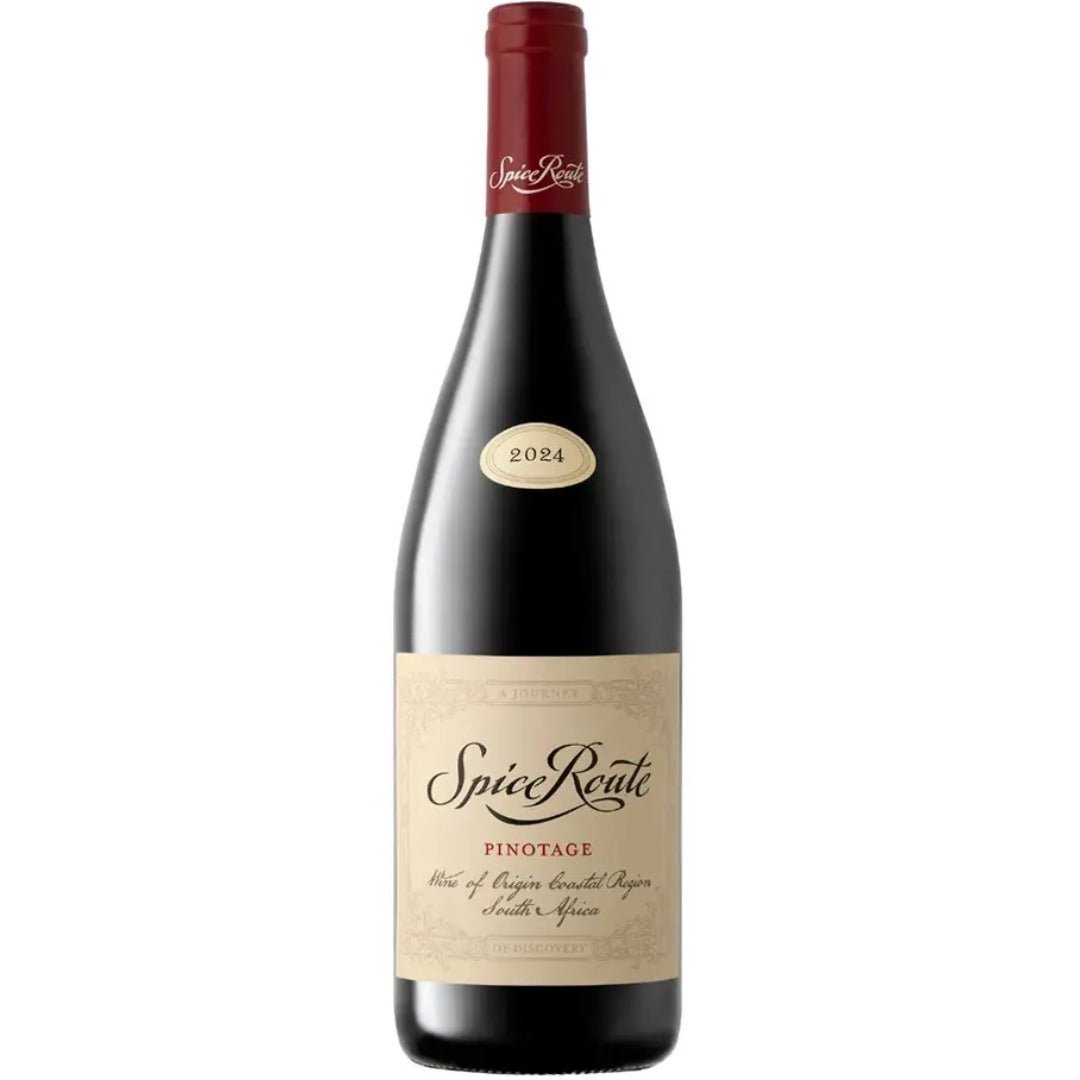
Spice Route Pinotage
Spice Route wines are produced by a South African wine making legend called Charles Back. Charles is credited with bringing a multitude of Mediterranean varietals to the Western Cape and has helped drive a quality revolution throughout South Africa's wine industry. His work includes championing varieties better suited to the Cape’s warm and dry climate, lesser-known regions, earlier picking dates, soil assessments and the restoration of old vines. This impact was recognised in 2014 when Charles was presented with the ‘Lifetime Achievement Award’ by the International Wine Challenge at just 58.

Charles’ main property, Fairview, is over in the famous wine region of Paarl. In 1998, he bought an old farm to the West in the wheat growing region of Swartland, becoming a pioneer of the region as a quality viticultural area. Charles has always been forward-thinking, innovating in the vineyard, cellar, and in the local community. To the Swartland, Charles brought the same philosophy he developed at Fairview in Paarl. The philosophy is based on social commitment, sustainability, conservation. Black empowerment sits at the core of their business and they have a committee comprised of elected farm workers, who ensure equal opportunities by investing in education and training. While all its production is certified Fairtrade, Charles doesn’t advertise this, preferring to sell his wines on their quality alone.

Swartland gets its name from the Dutch, Black Land, so named after the native renosterbos (rhinoceros bush), whose foliage turns black after rain. The climate is hot and dry, the dryness means there are lower disease pressures here which massively benefits Pinotage whose fruit can be very susceptible to disease. The heat can of course be an issue for Pinotage so the vines are farmed in the bush vine system, trained as goblets, with the grapes protected from the intense sunshine by the vine canopy. These vines are also old and unirrigated, two factors which naturally control the yields. Spice Route only have a single block of Pinotage planted so they can easily keep an eye on the vines and more readily provide them with the attention they demand.

After hand picking, which is the only option for bush vines, the bunches were fermented in 5-tonne open concrete fermenters with manual punch-down of the skins twice a day, extracting deep colour and flavour. The wine was pressed off and transferred to tight-grain American oak barrels with 30% new oak used to complete malolactic fermentation and maturation. A small portion is also matured in underground clay pots.

The resultant wine has lifted aromas of blackcurrant and ripe cherry fruit, with subtle notes of dark spices on the nose, cedar and a trace of smoky oak. On the palate, there are intense dark fruit flavours complemented by bright acidity and framed by velvety tannins.
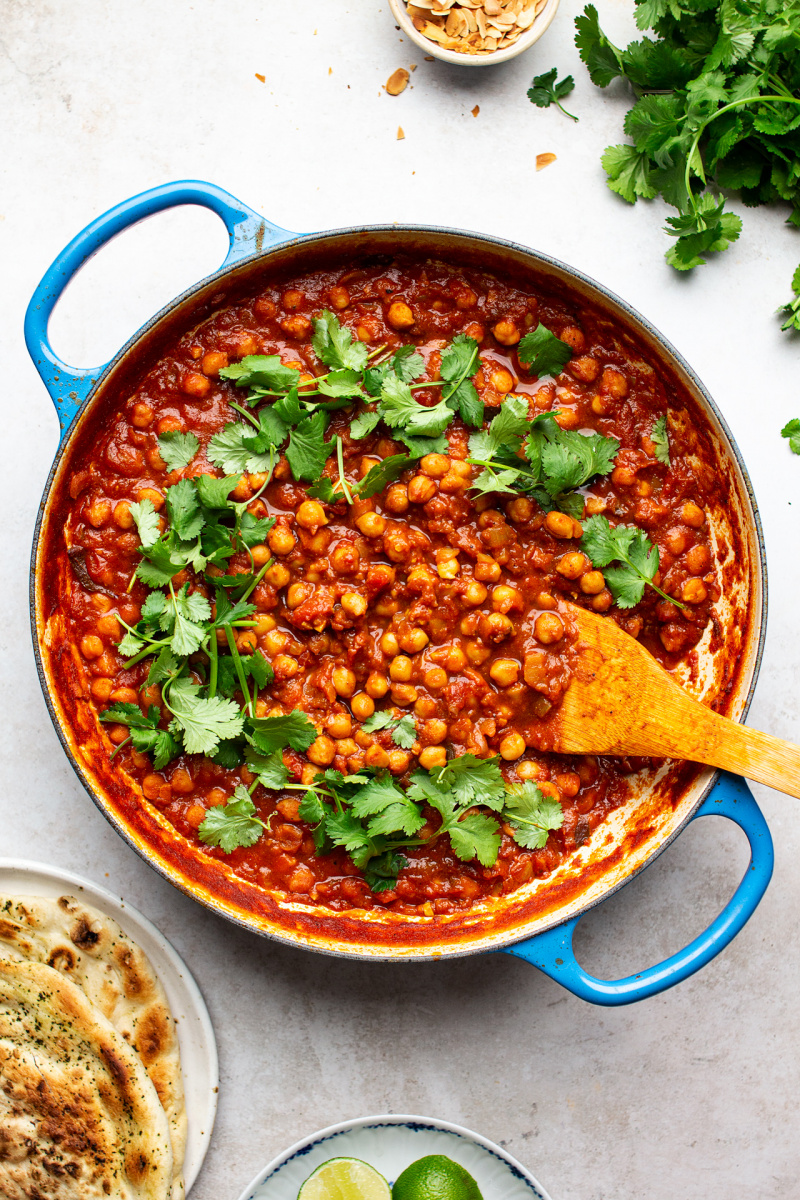
This is a brilliant wine to pair with either venison or chana masala.
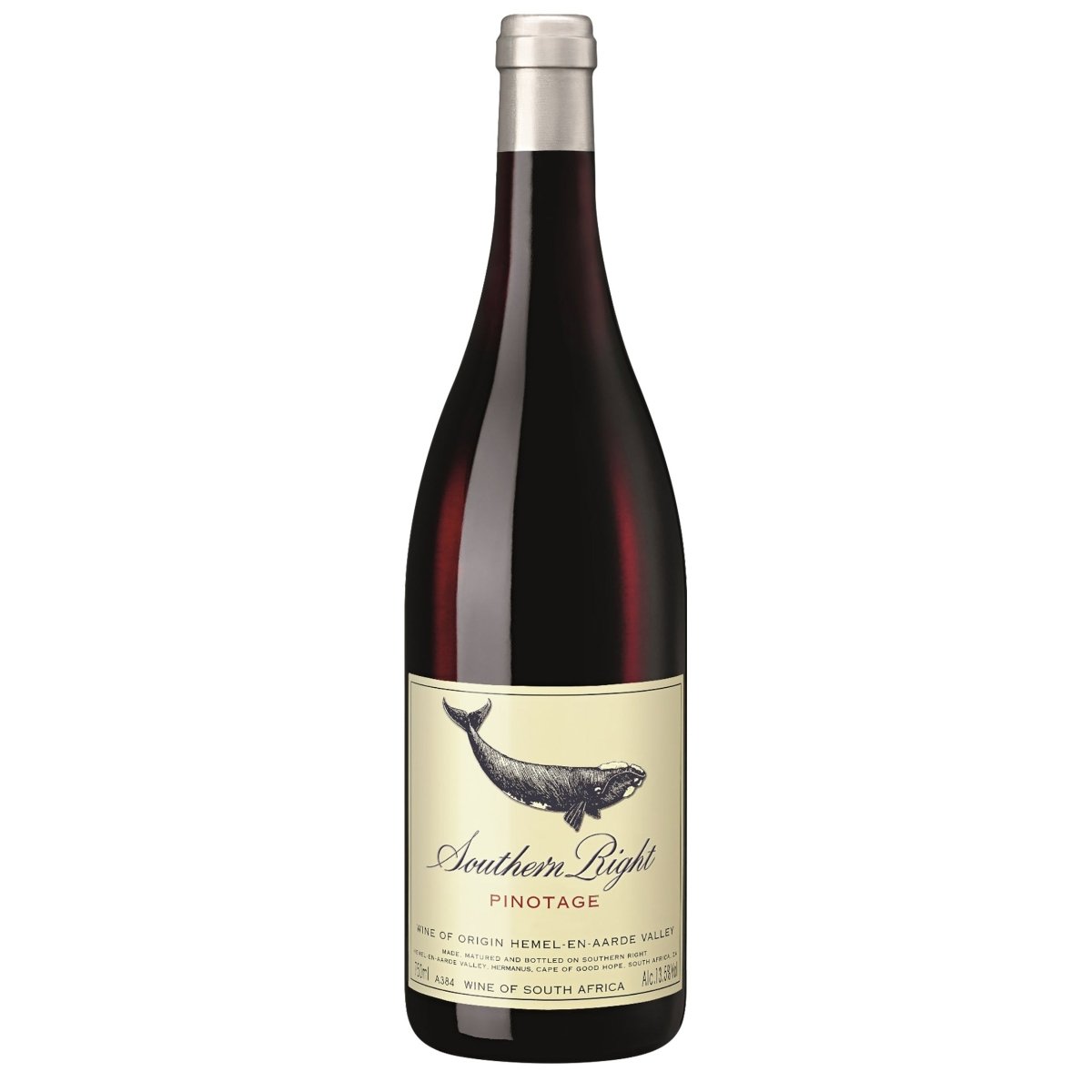
Southern Right Pinotage
Our second Pinotage is from the Hemel-en-Aarde valley. The name means “Heaven and Earth” and comes from the fact that the surrounding peaks are so high, that they are all one can see when standing in the valley. The valley itself is situated on the almost extreme South coast of the Western Cape and has a very maritime character with the breezes off the Southern Ocean being funnelled up the valley providing a cooling influence.
Southern Right is owned by Hamilton Russell wines, more on them later, the winery itself is named after the Southern Right whale. The name was chosen as the town of Hermanus on the coastal end of the valley, on Walker Bay, is a whale watching hotspot with the rare whales coming into the bay itself.

The cool climate of Hemel-en-Aarde helps to regulate Pinotage’s unfortunate tendency to develop those off, acetone notes during periods of extended heat before harvest. In a classically South African fashion though, despite the cooler climate, there is still that marvellous African sunshine to coax the grapes to full phenolic ripeness.

Southern Right is one of the wineries trying to re-define Pinotage. This intense classically styled, clay-grown wine is packed with complex berry fruit, beautiful tannins and subtle wood spice. Full ripeness and the longer hang-time afforded by cooler sites, combined with the complex, more classic fruit aromas and structure resulting from clay-rich soil, make this wine a highly individual expression of South Africa's unique grape variety. This is certainly more “Pinot” than “Tage”.
:max_bytes(150000):strip_icc()/6226790-maple-smoked-duck-breasts-Kim-4x3-1-3f50ea19faf24f899b2e94944ee50c5d.jpg)
Being more in the fresher, pinot style, this is brilliant with duck but will also stand up to BBQ (Brai if you are South African).
Punchy Reds
Crisp bright Chenin Blanc white wines and big punchy reds, usually based off Bordeaux grapes, are what South Africa is known for. These punchy reds have often had a real meatiness to them and in many cases, an almost feral smokiness too. The South African style has often been very clearly recognisable from a single whiff of the glass.
The climate in the majority of sites in the Western Cape is what is described as “Warm Mediterranean.” This means warm and dry summers with mild winters. Rainfall is generally confined more or less to the winter months. Though the Bordeaux varieties of Cabernet Sauvignon and Merlot are still dominant, Rhone varietals such as Syrah and Grenache are becoming more widely planted thanks to their natural drought resistance. Personally, I would love to see some Iberian grapes getting a foot hold here, Spanish grapes such as Tempranillo or Portuguese ones such as Trincadeira and Alfrocheiro would work brilliantly with the spices used in South Africa.
Le Riche Cabernet Sauvignon
Le Riche are one of the crème de la crème, star producers of Cabernet Sauvignon in the Western Cape and yet, their wines are still incredibly reasonably priced!
The winery is just to the South of the town of Stellenbosch itself. This is the most famous South African wine region in modern times and is also one of the country’s most historic. The modern reputation of Stellenbosch is built on Cabernet Sauvignon and it is easily most widley planted varietal across the ward.

Generally warm and sunny, the rolling hills of Stellenbosch provide many different microclimates where different varietals can flourish, or different expressions of the same grapes can be produced. Throughout these various microclimates, be they exposed hills or sheltered valleys, the two main climatic influences are the maritime influence of False Bay and also the moderating night time influence of cool air descending from the surrounding mountains. These cooling influences provide the grapes with a longer hang time on the vines during which, they can develop a fuller phenolic character.

As mentioned, Le Riche are a top-rated Cabby producer in South Africa. Wine critic, Tim Atkin, described them as one of South Africa’s “First Growth” producers, as a nod to the historic “Growth” tier system of Bordeaux. The winery works strictly with organic viticultural practices, (though they are not certified), maintaining healthy soils and minimum spraying to ensuring the growers form part of the local Integrated Production of Wine (IPW) system. The IPW scheme, started in 1998, it consists of a set of guidelines specifying good agricultural practices related to grape production (vineyard practices), as well as a set of guidelines specifying good manufacturing practices related to wine production (winery practices) and packaging activities (bottling). Their compliance with the IPW guidelines is assessed on an annual basis through the completion of a self-evaluation questionnaire and is independently audited on a spot check basis.

Fruit is sourced from a variety of sites ranging from the sandy gravel soils of the Firgrove and Raithby ward to sandy/loamy granite soils of the Jonkershoek ward, all harvested by hand at optimal ripeness. Once harvested, the grapes are bunch sorted and pumped into open top fermenters. Here the winemaking team vinify each vineyard block separately, allowing the unique characteristics and flavours of each block to develop. After a few months ageing, the final blend is made and the wine spends 12 months in French oak barriques, 25% new, before bottling.

The wine in the bottle, though South African in flavour, has a beautiful minerality more associated with the great wines of Bordeaux. A pure varietal nose with fine cassis and black cherry aromas backed up by notes of violet and cedar spice. The palate is ripe and fruit forward with nice depth of fresh blackcurrant fruit and fresh acidity. Well-integrated oak and fine-grained tannins support the lengthy finish.
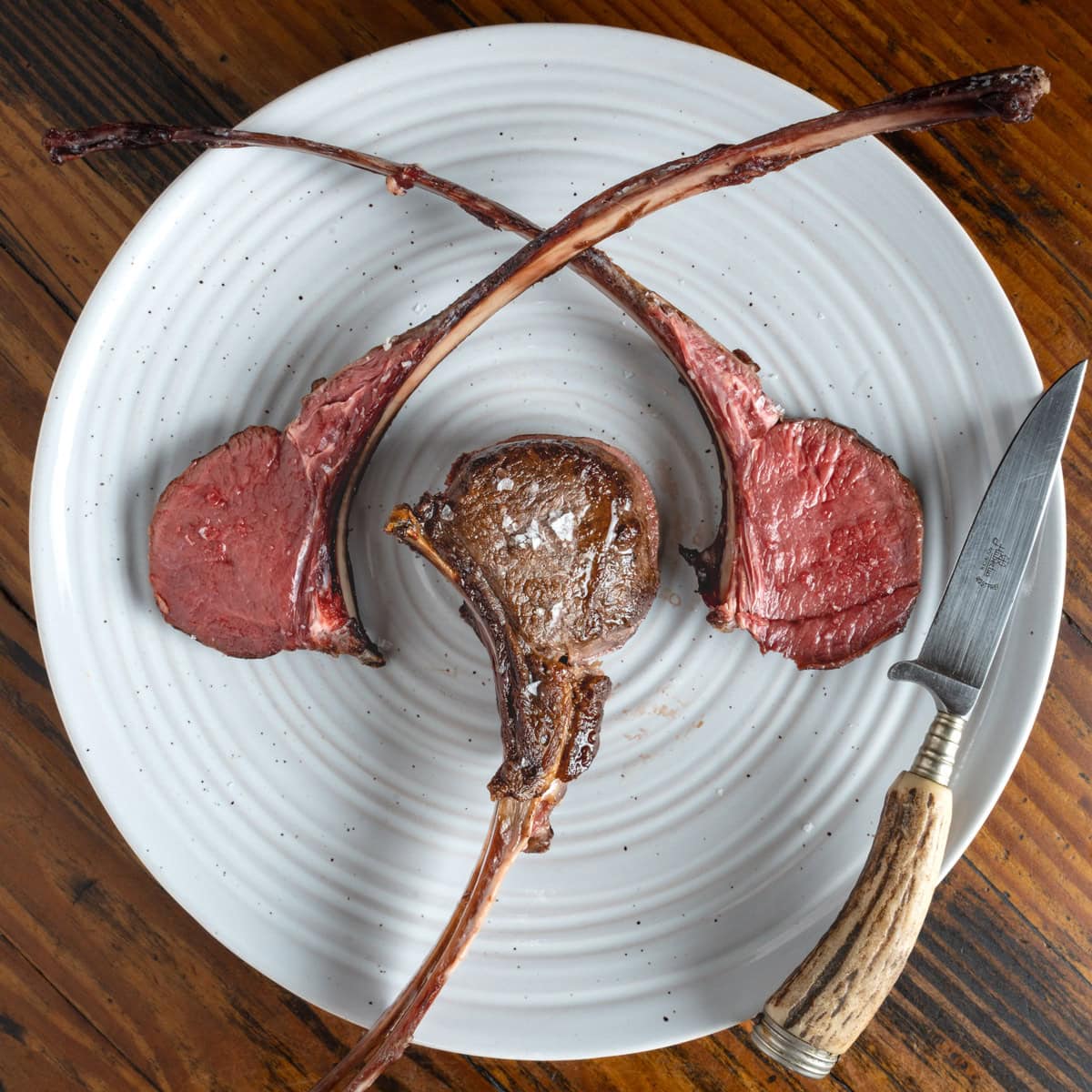
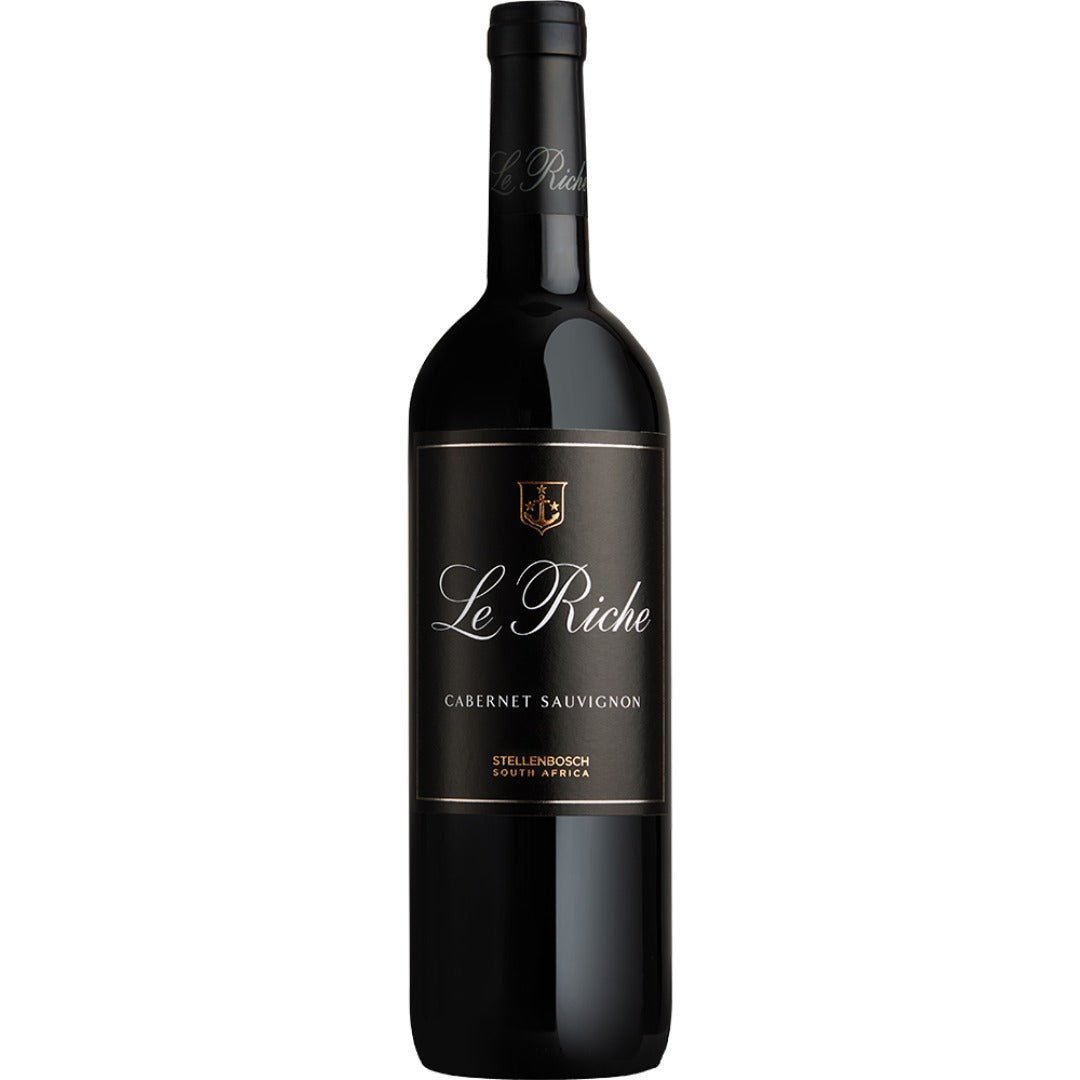
Drink this with springbok. If you can’t catch one, venison will have to do.
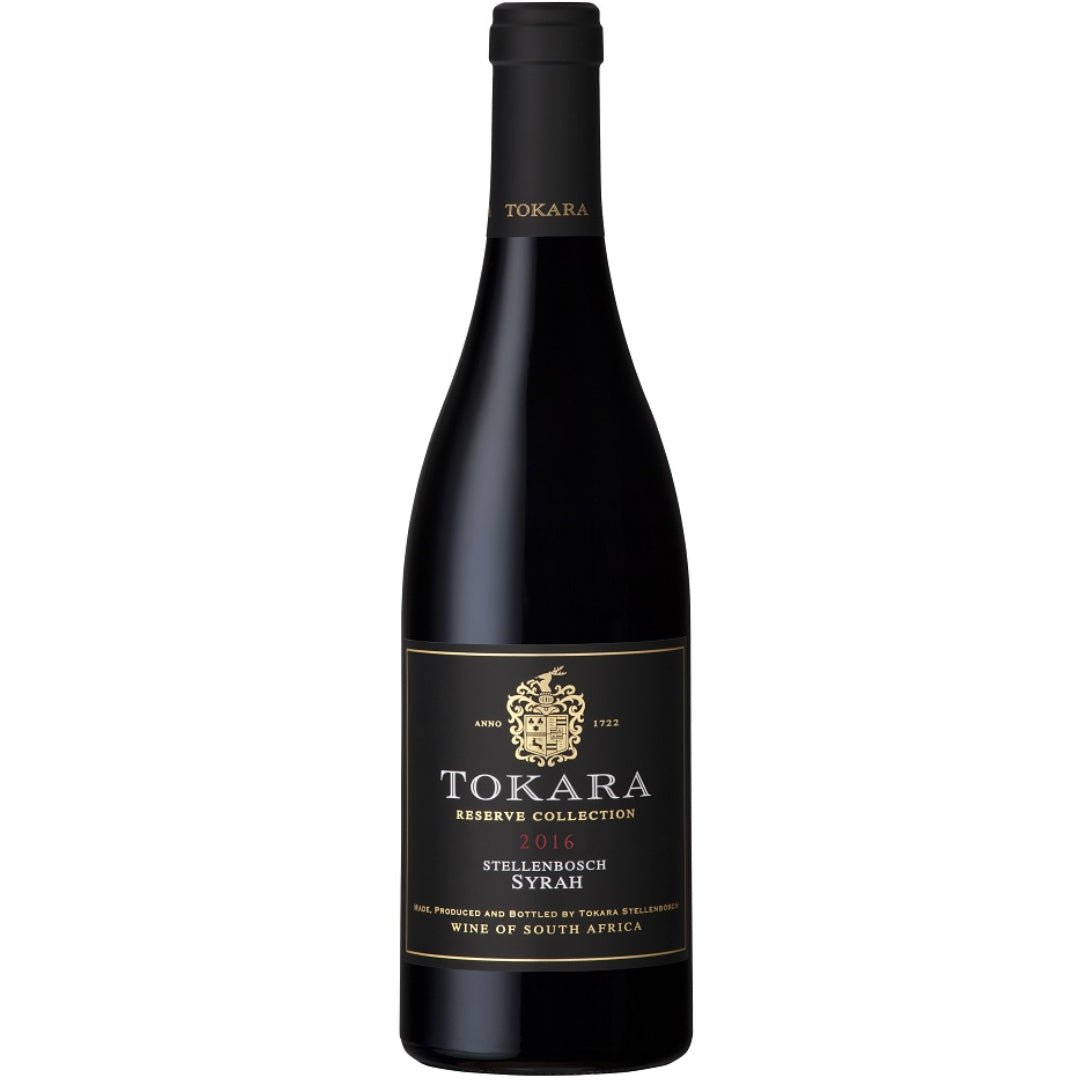
Tokara Reserve Collection Syrah
Sticking in Stellenbosch for our second punchy red, this is Tokara. The vineyards of our previous wine were grown in the South of Stellenbosch with more maritime influence from False Bay, well suited to the varieties of Bordeaux. Tokara’s estate is further inland, North of Stellenbosch town and nearly into the neighbouring ward of Paarl. We stock a fantastic Cabernet Sauvignon from Tokara but, with less maritime influence, it is a little warmer here during the day. With this in mind, I have opted for the Rhone varietal Syrah.

50km to the east of Table Mountain, the Tokara "home farm" is rested on the Simonsberg side of the Banghoek Valley, at elevations of between 350m and 550m which do help to provide some respite from the heat. Soil profiles are of weathered sandstone and decomposed granite, the combination lending structure, perfume and longevity in their wines. The location is picture perfect and along with great wines, the farm also produces a range of olive oils and a five year old pot still brandy. The estate boasts a fine dining restaurant which is ranked among South Africa's best and an informal delicatessen. I like all those things and I would like to go please!

The Reserve Syrah is picked from a single vineyard parcel made up of two different Syrah clones. The grapes are hand picked, 25% of the grapes are first loaded whole bunch into the tank. The remainder are de-stemmed and crushed directly into tanks for fermentation without the use of pumps. There is first a period of cold maceration for up to 5 days before the fermentation starts spontaneously (without the use of selected yeast strains). The fermentation took place in wooden upright (foudre) fermenters. The wines were put to barrel for malolactic fermentation after which they were racked, sulphured and put back to barrel for a further maturation. The wines spent a total of twenty months in 20% new French oak, Demi Muid barrels and the rest were older French barrels. There are minimal rackings during maturation. The wine matures on its gross lees for around 10 months after which it is racked at the time of blending. The wine is then matured for a further 12 months (total of 22 months) before being racked again just before bottling. The wine was bottled unfiltered and without fining, only 4066 bottles were produced.

Yes, I know they are Sauvignon Blanc grapes not Syrah.
This wine really shows off an element I love in top South African reds, that almost feral smoky edge. The nose leads with notes of ripe blueberries and blackberries, inter meshed with subtle clove spice. There are aromas of cedar and vanilla giving a beautiful perfume which supports the blue violets emanating from the glass. The palate is classy and refined with rich dark fruit and a silky mid-palate. The wine leaves one with an appealing chalky finish and a hint of pepper spice.
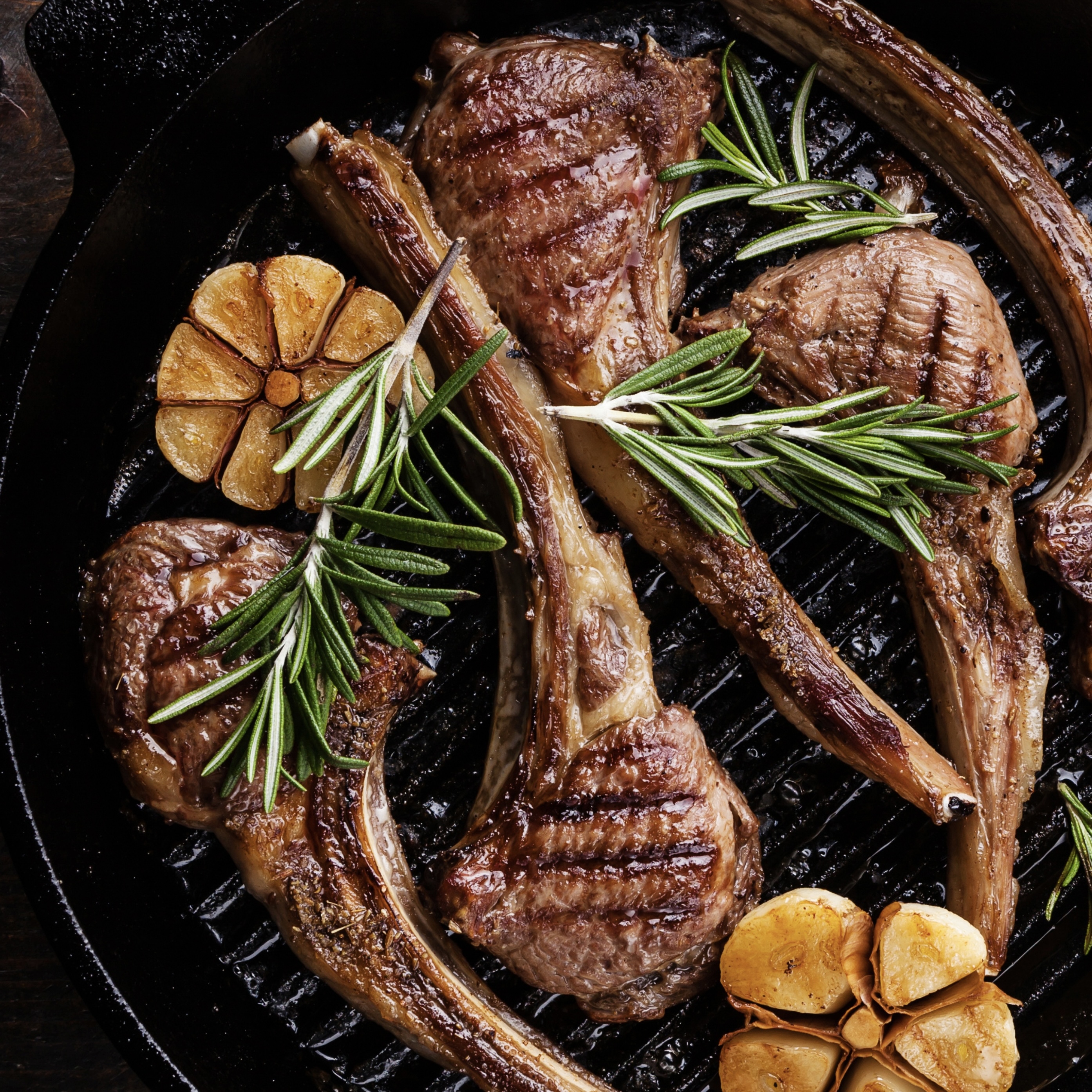
This is another great wine for BBQ or “Brai”, alternatively, grilled lamb cutlets with the obligatory rosemary.
Lighter Reds
South Africa is quite rightfully well regarded for its powerful red wines, this is the majority of what they produce red wise and they do it so well! The wine styles drunk and enjoyed around the world flux and wane as fashions change. We are now in the midst of a swing in fashions toward lighter reds, South Africa’s vignerons have responded.
There is a wealth in South Africa of old vines that have the potential to produce outstanding vines, old vine Grenache is seeing a renewed interest around the globe, from South Africa, stellar examples would be the fantastic Grenaches from both Spice Route and also Klein Zalze.

Pinot Noir is of course the most famous lighter red grape, producing fine and aromatically beguiling examples around the world. South Africa produces some great examples from cooler sites either by the coast or on shadier slopes. We will take a look at a cooler, coastal version in today’s blog.
Other grapes do not get as much limelight. One of my favourite of these lesser showcased grapes is Cinsault. Young Cinsault vines can produce excellent rose, but old vine Cinsault can produce some wonderful mineral driven reds that are as refreshing as they are tasty.
Wildeberg Terroirs Cinsault
60km Northeast of Cape Town, heading inland is the major wine region of Wellington. Wellington is warmer than Stellenbosch but still benefits from the coastal breezes blowing in off False Bay. The soils here are poor, sandy, rocky and very low in nutrients. Vines have to work hard here and yields are naturally reduced.

Cinsault is our grape for this wine. Usually pronounced “San–So” but also often called “Sin-So” so don’t worry about your pronunciation! Cinsault is very commonly grown across the South of France where it is one of the oldest varieties grown there. In the Rhone it is seen as a minor grape and is one of the many permitted In Chateauneuf-Du-Pape. Cinsault is more common across the Languedoc/Roussillon area and is one of the key varietals in Provence. Outside of France, Cinsault is still one of the most important grapes in North Africa; Morocco, Algeria & Tunisia still have plantings of the grape for their limited wine production. Whilst the largest percentage of Cinsault is still France, South Africa is in close second place.
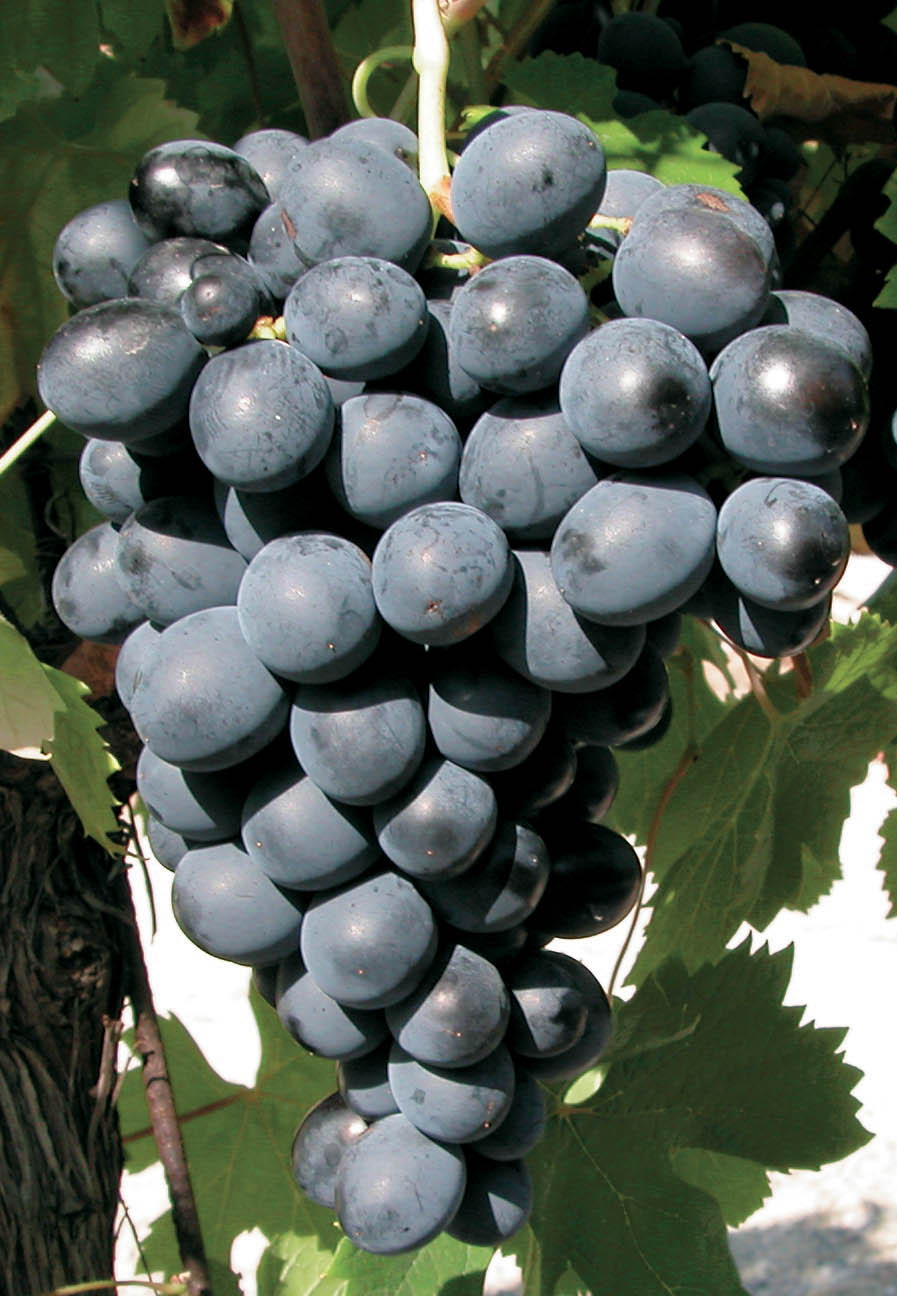
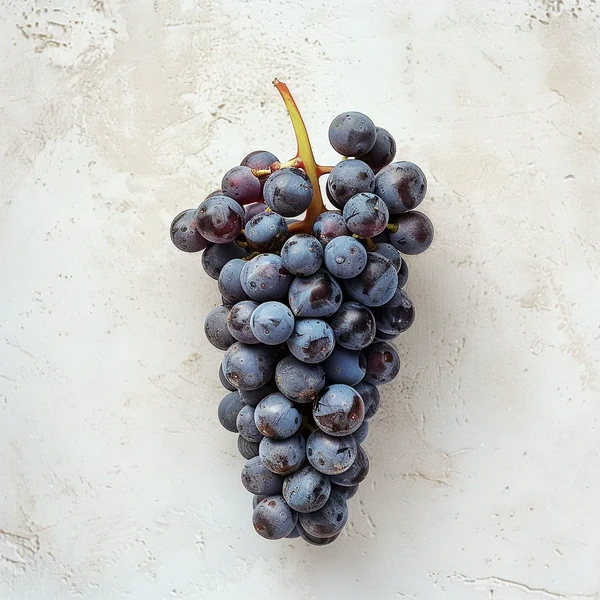
Delicious, juicy Cinsault grapes, they look good enough to take a huge bite straight from the bunch!
The reason for Cinsault’s success in both North and South Africa lie in its tolerance for heat and dry conditions. In these hot, dry conditions, including in full blown drought years, Cinsault is still capable of producing a vast and bountiful harvest of fruit. This is why it spread so widely. The French planted swaths of land to Cinsault across North Africa when they were a part of their colonies. These lakes of cheaply produced Cinsault kept the post war French fully tanked up, with a lot of the wines even being labelled as “French”.
To reduce the vigour of the vines, dry farming is important. Without irrigation, the vines have to work harder to find water so they develop deeper root systems to tap into the water table. This makes them more self-reliant. The reduced access to water also creates smaller and more flavourful berries. Irrigation, particularly closer to harvest time, can swell the grapes with let’s face it, boring tasteless water. This is a key reason why a lot of your supermarket wines, what ever the grape or country of origin, can be a bit bland, being made from over cropped, heavily irrigated vines producing insipid fruit. The vines for Wildeberg’s Cinsault were planted in 1974, 52 years ago. These vines produce some deliciously concentrated grapes, the low tannins present in Cinsault’s skins however keep the wine light and bright.

You can find more on Wildeberg here on our White Wines Of South Africa blog. Hand-harvested bush vine fruit is naturally fermented at Wildeberg with 30% whole bunch pressing. 9 months ageing in 600 ltr French oak, mainly older barrels, 15% new. Minimal intervention at all stages in order to capture the natural site-specific energy of this unique fruit.
A fresh, lifted nose with ripe cherry, damson & pomegranate fruit. The spice element comes in the form of cinnamon, sumac and allspice. Bright and finely balanced on the palate with juicy red fruit and tangy acidity offset by warm, gentle earthy notes leading to a pure, focussed finish.
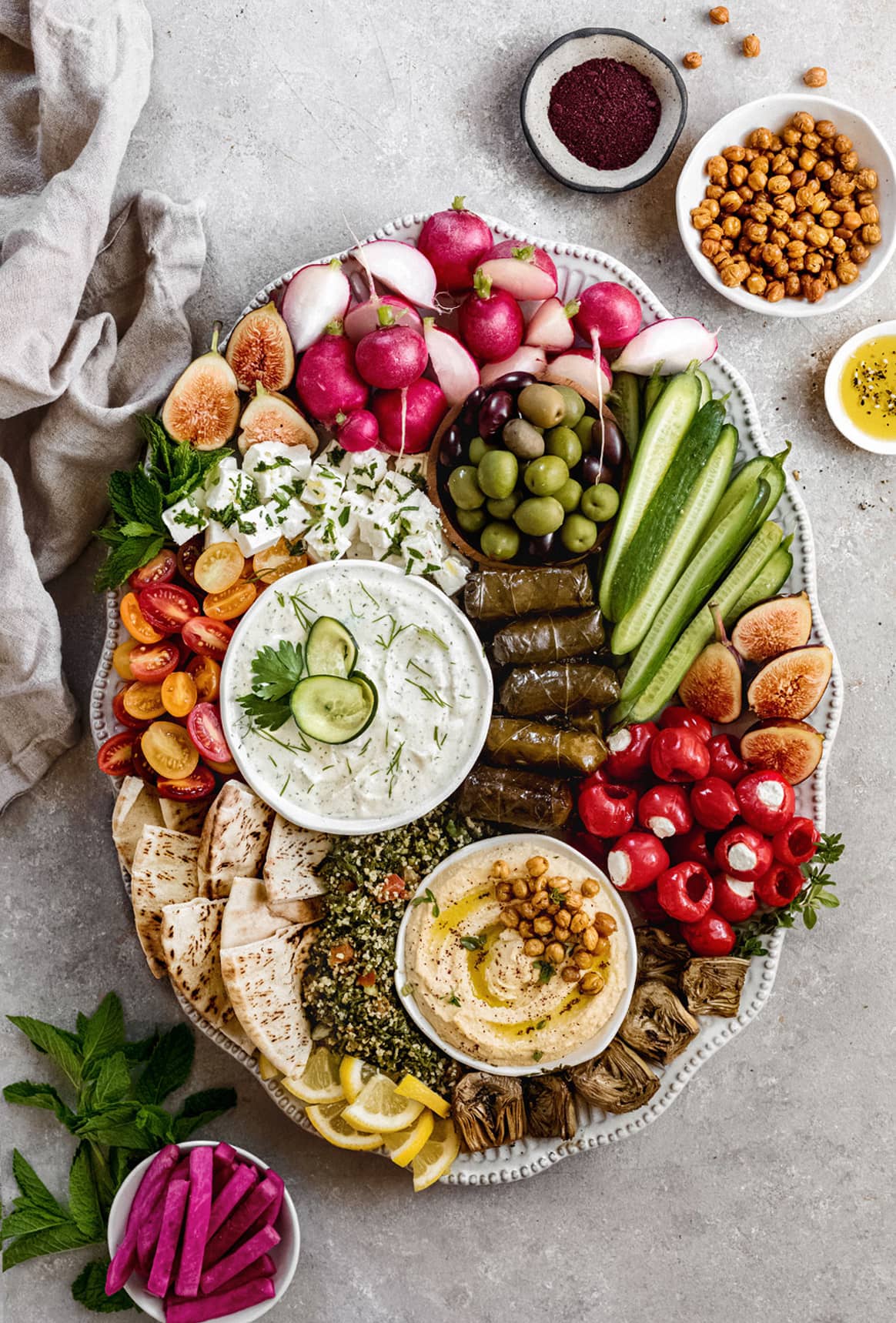
Try with seared tuna with Mediterranean vegetables or maybe some North African mezze.
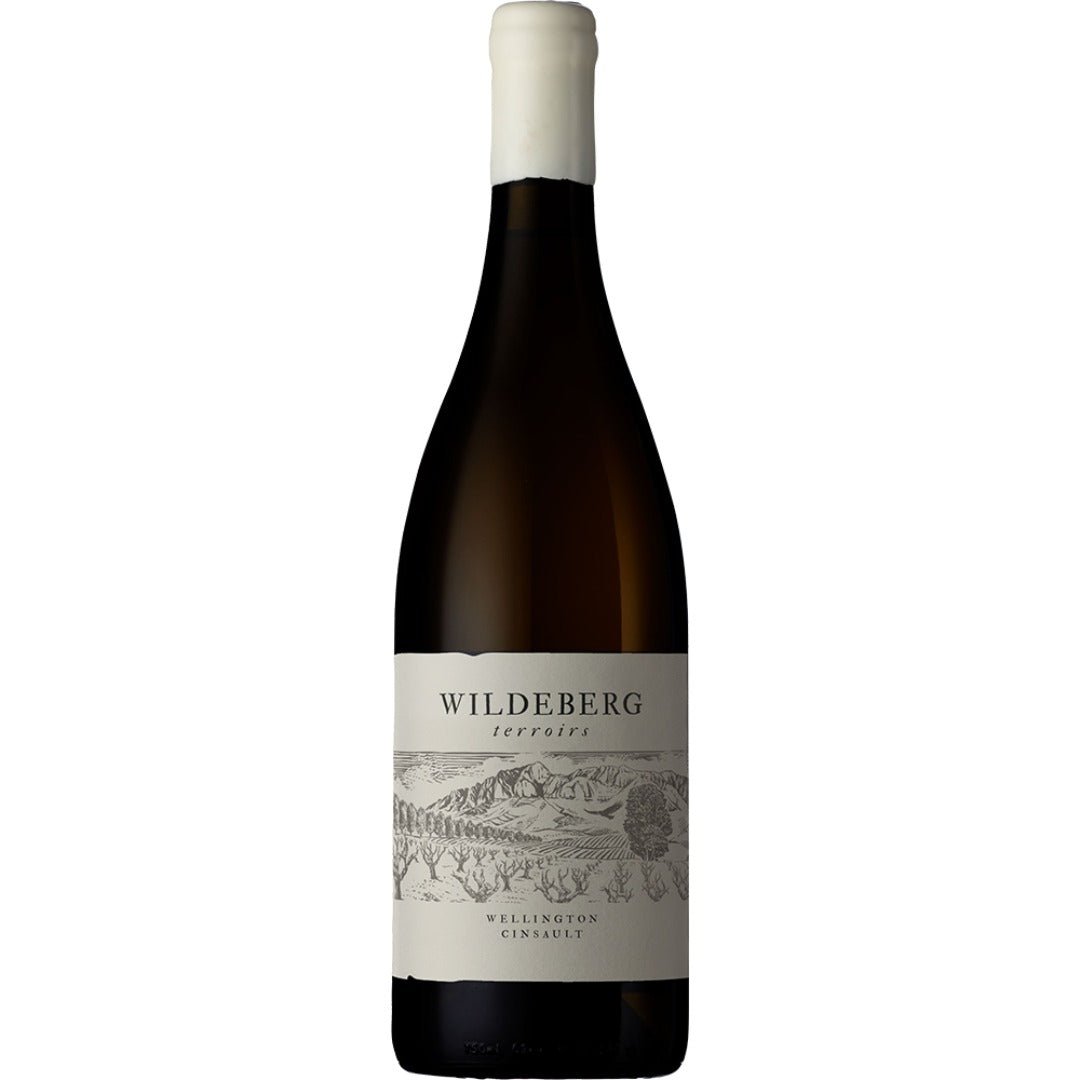
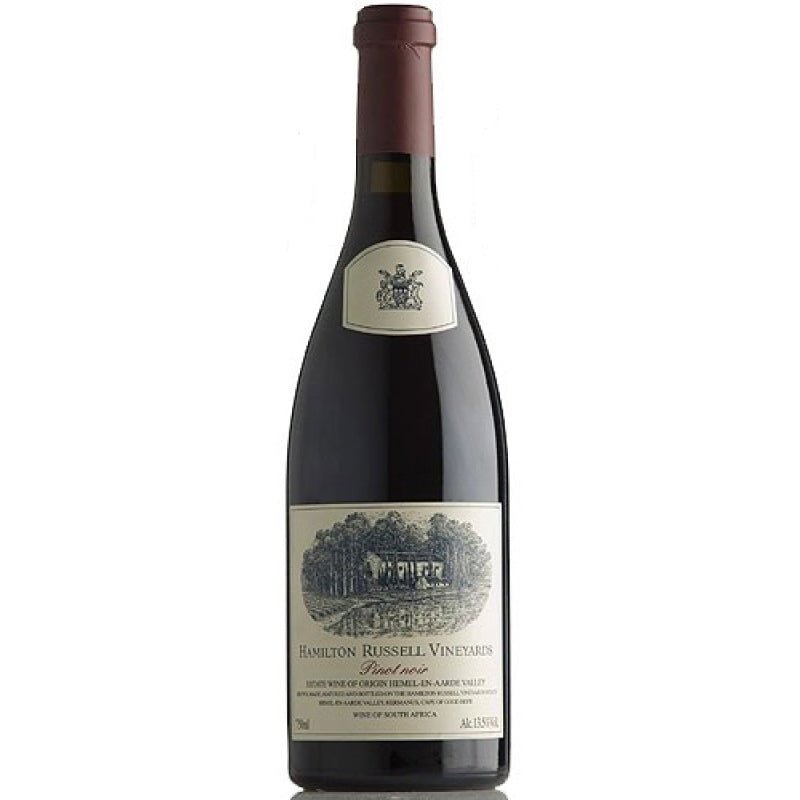
Hamilton Russel Pinot Noir
Tim Hamilton Russell planted Pinot Noir and Chardonnay on previously uncultivated land in 1976, both of these were rare varieties for South Africa at the time. The site he chose, behind the old fishing village of Hermanus, allows for unusually classically styled wines which have garnered the reputation as some of the best in South Africa and the New World overall.
Hermanus is at the mouth of the Hemmel-an-Aarde Valley which is one of South Africa’s top cool climate vineyard areas. As mentioned previously in Hamilton Russell’s sister company, Southern Right, with their Pinotage, the Hemel-en-Aarde name means “Heaven and Earth”. Essentially this name could be thought of as “God’s own County.” This then must be a wine for us Yorkshire folk!

It is rare to find a New World Pinot Noir that shows the range of flavours and mouth feel that is present in the wines from the hallowed lands of Burgundy but I think Hamilton Russell have achieved just that. Extensive soil research was initiated which identified 52 hectares of stony, clay-rich, shale soils as optimal for the individual, expressive style of wine desired. Today, the Estate has 20 parcels of Chardonnay vines, all vinified separately, before blending for consistency of aesthetic, but with the character of the vintage also present. The Pinot Noir plots give Burgundian subtlety, texture and length, which is down to the identification of the shale/gravel soils on which the vines now grow.

Amongst the vines, biodynamic practices are beginning to prevail; nitrogen fixing lupins and earthworm tea are used to restore vital microbes to the soil, with biodiversity islands being used to bring beneficial plants to the area.

This Pinot Noir has a remarkably savoury aromatic profile, offering brooding dark spice notes and shades of leather which mingle with riper, perfumed fruit character.
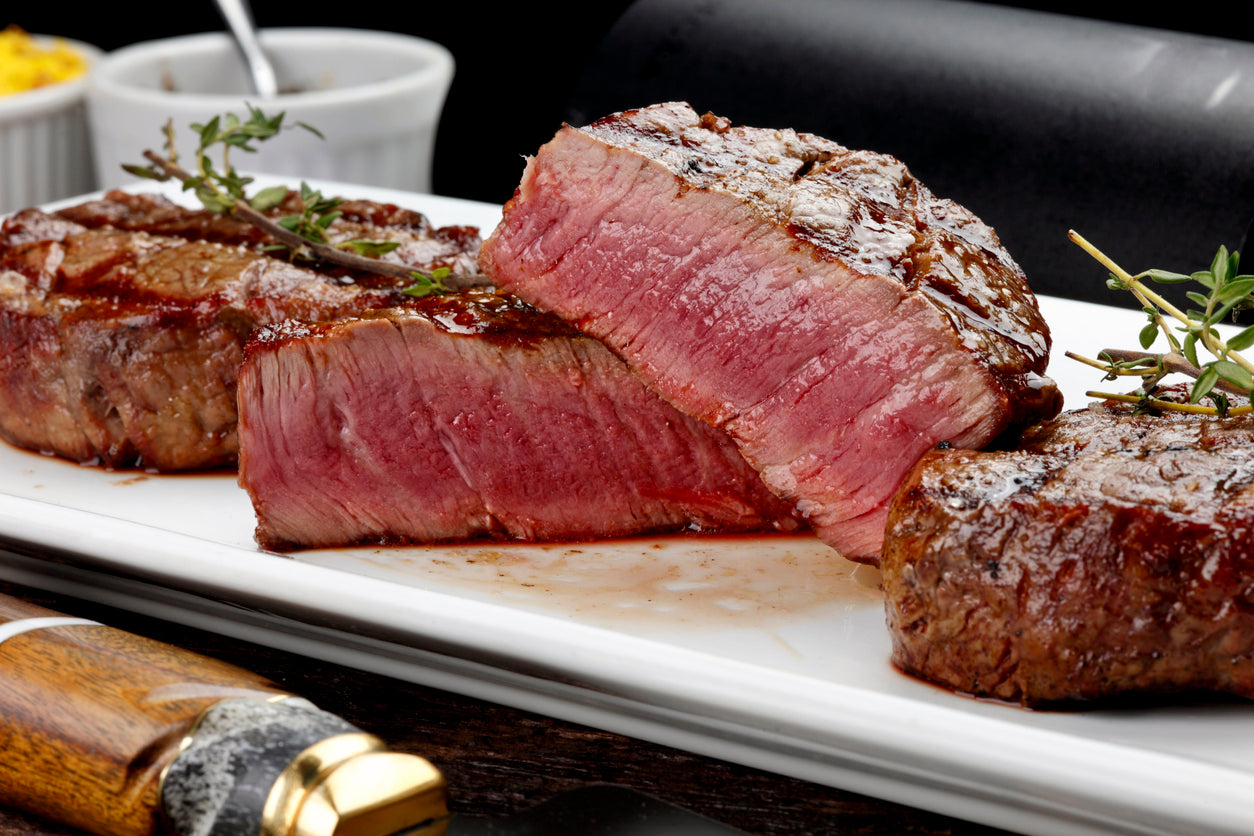
This savoury style of wine is magic with the delicate flavours of filet mignon.