Spotlight on the White Wines of the America’s
Write up by Chris Nolan
Other than crisp, refreshing Chilean Sauvignon Blanc and thick, buttery Californian Chardonnay, the America’s are not usually on most people’s radar for white wines. People know and love the red wines of Latin America, but the native white wine styles are often overlooked. Could this be because people associate the wine countries of, Argentina, Brazil, Chile and Uruguay with copious amounts of red meat that demand a robust red wine? Or is it simply down to a lack of understanding on our part here in the UK or a lack of marketing? Either way, Latin America has a huge coastline, teeming with fishy delights, the people must be drinking something refreshing with all that ceviche!
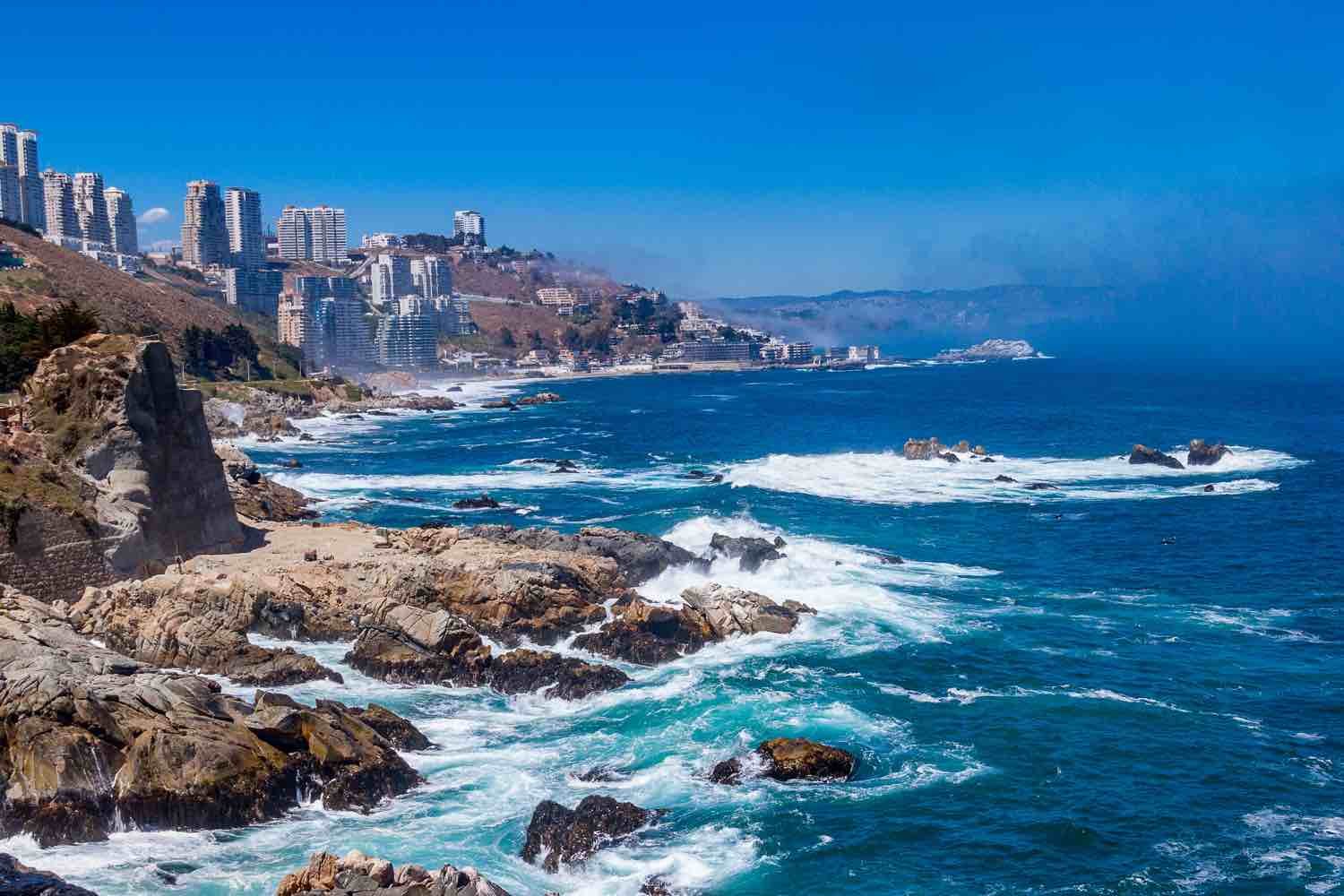
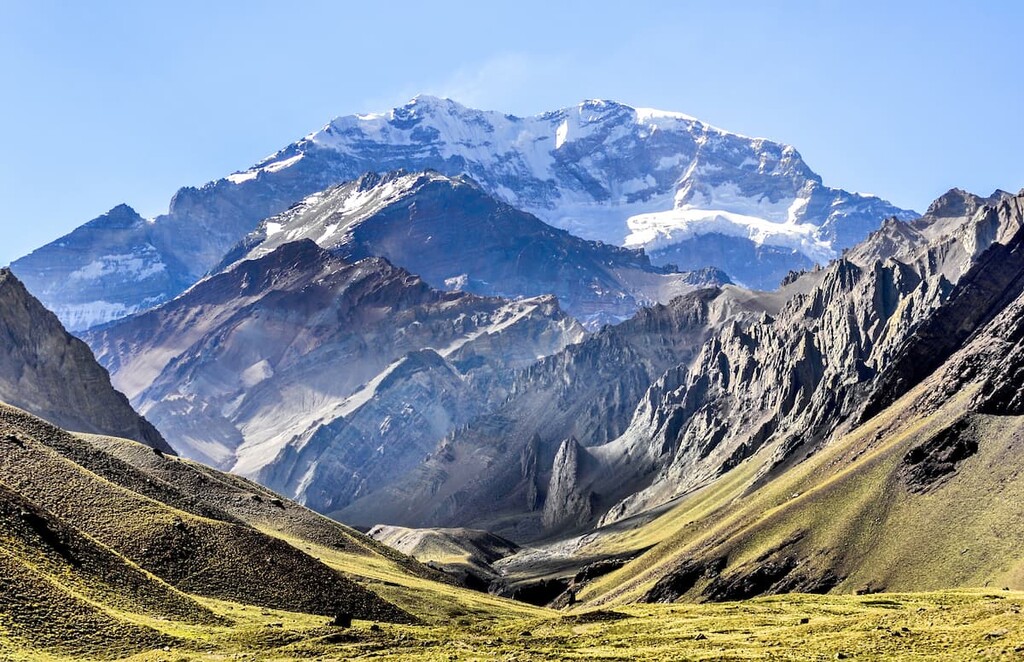
Spanning a huge portion of the globes landmass and with vines planted in all manner of climates, from wild coasts, to arid deserts, cold Northern/Southern latitudes and up into the dizzying heights of the mighty Andes mountains, the America’s produce a wild array of flavour profiles to suit any palate. Many wines try to imitate the great wine styles of Europe such as those of Burgundy but, if you stray from the beaten track and there are some delicious native styles that cannot be re-created anywhere else on earth. This blog showcases some old favourites and some new wines with food pairings that you may not have even considered.
Chile
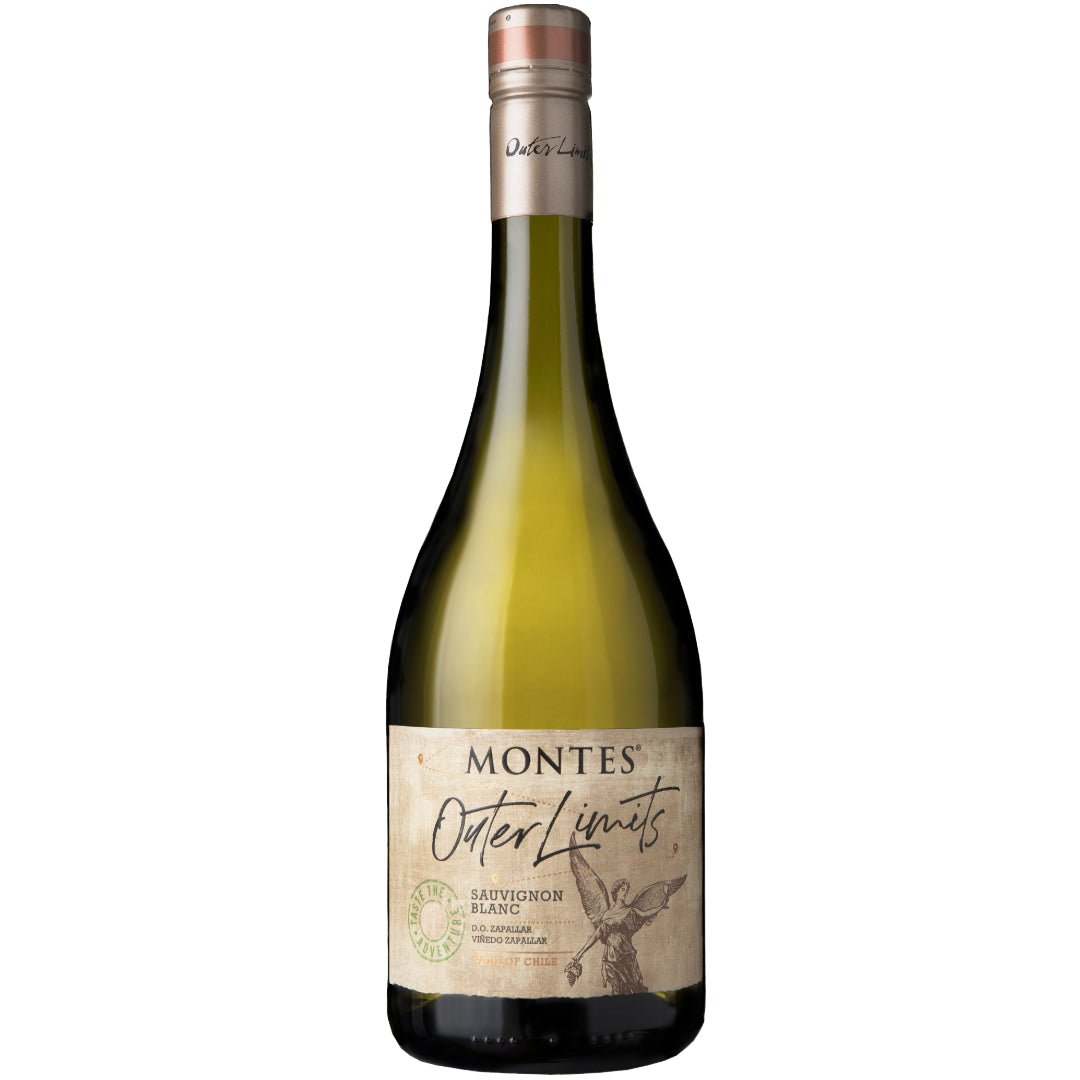
Montes Outer Limits Sauvignon Blanc
Originating in the Loire Valley in Western France, Sauvignon Blanc is now planted all over the world and has become by far, one of the most popular grapes in the world too. So ubiquitous is Sauvignon Blanc, that it is almost the stereotypical white wine style now, high acidity and highly aromatic and exceptionally refreshing. The key strength of Sauvignon Blanc is in how straightforward it is as a varietal. Stick your nose in a glass and it is very obviously Sauvignon, the aromas are all very clear with the perceived flavours and their descriptors having a very close correlation, not just being reminiscent of a suggested flavour. For this reason, Sauvignon Blanc is the perfect grape to start a wine tasting journey off, particularly for beginners who can gain confidence by recognising the flavours straight away.
Sauvignon Blancs flavours range from a grassiness - represented by nettles and asparagus detectable in the grapes homeland of the Loire Valley - to more expressive passionfruit, mango and grapefruit found in wines from New World countries such as New Zealand and South Africa. In Chile, where Montes are based, Sauvignon Blanc is the most widely planted white grape and the flavours can range anywhere within a spectrum of these styles depending on where in the 3 distinct zones, (running from East to West - Pacific/Coastal Zone, Central Zone, Andean Zone), the grapes are grown.
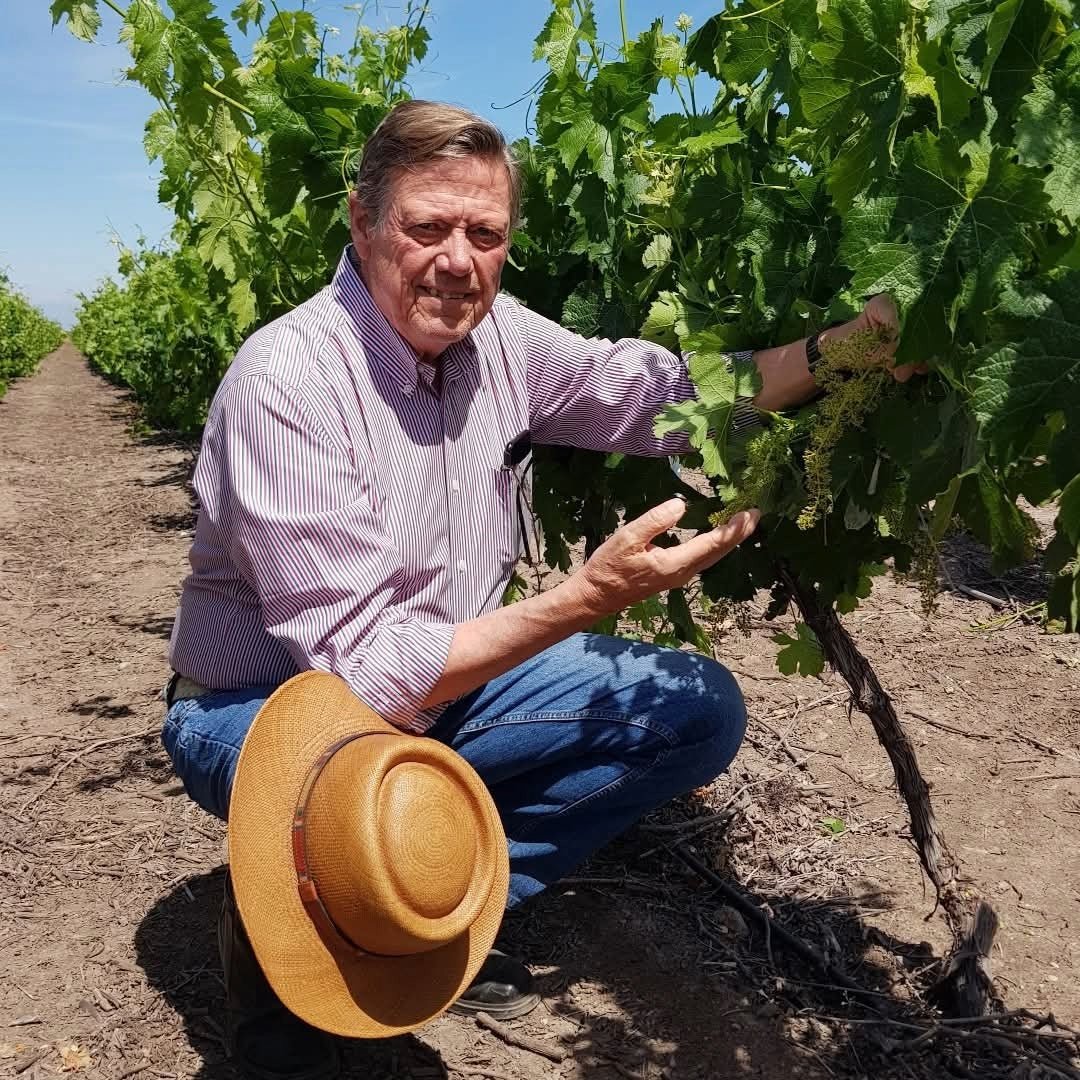
Aurelio Montes set up Montes Wines at the tail end of the 1980’s with the aim to be fully sustainable from day one. The idea was to change the direction of Chilean wine from producing bulk production for the masses, to having Chile seen as a quality focused, serious wine producing country in it’s own right. Montes' flagship wines, such as the frankly awesome Purple Angel are a testament to Aurelio’s success in that regard. As delicious as the flagship wines are, perhaps the most interesting range of wines produced by Montes are the Outer Limits range, of which the Sauvignon Blanc was the first. The idea was to push the limits of where vines were grown in the country to encompass coasts and peaks.
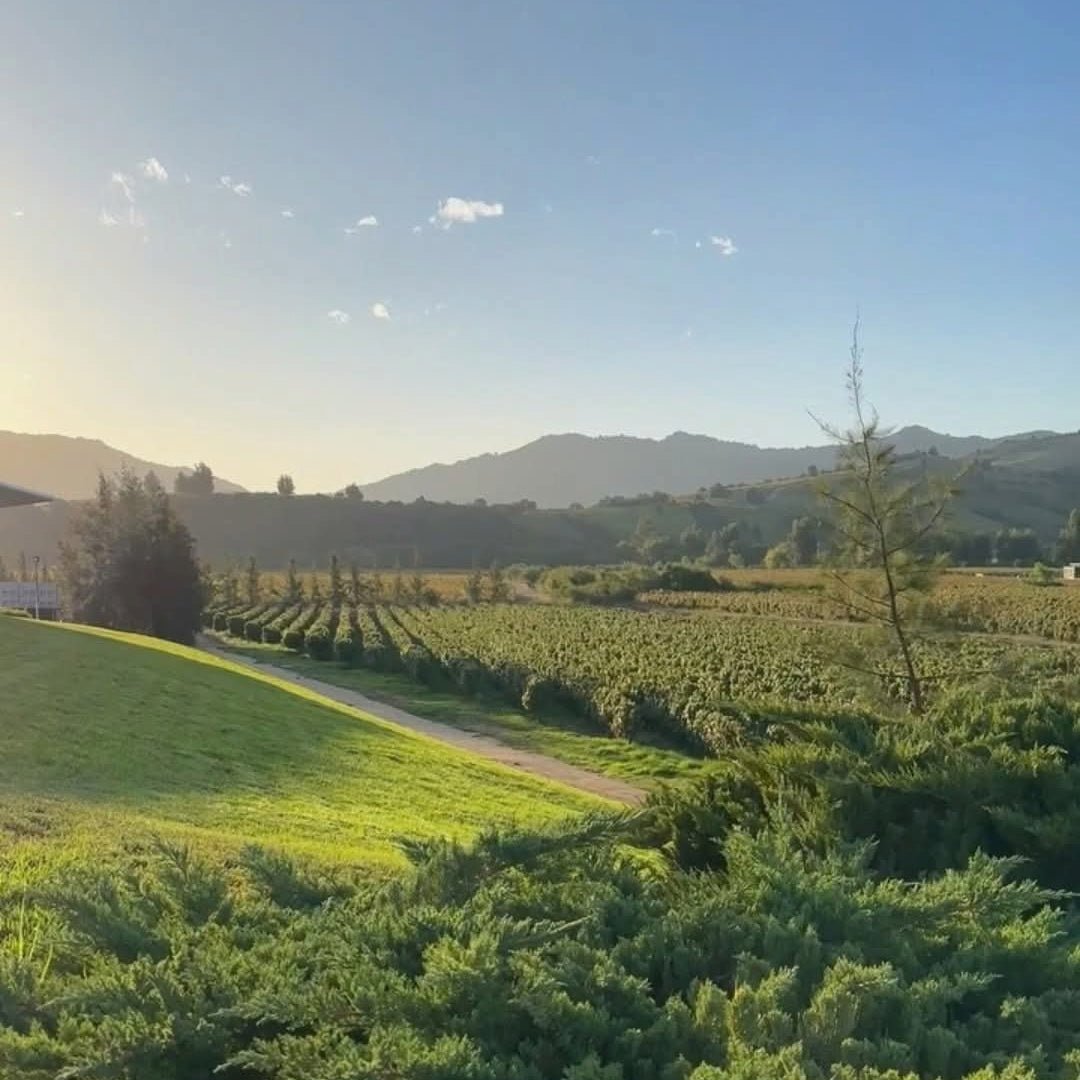
This 45 hectare Zapallar Vineyard in the coastal zone of the Aconcagua Valley, is where the Sauvignon Blanc grapes come from for this beauty of a wine. Only seven kilometres from the coast, Montes is the first producer to plant vines and make wines here. Due to the cool climate and proximity to the ocean, the wines have a racy acidity, a minerality, elegance and distinct aromatics that feel very much unique.
Chilean vineyards are famous for their sunshine leading to riper flavour characters, in this wine you will find grapefruit, guava and passionfruit and yet the proximity to the Pacific Ocean with its cooling influence lend more interesting notes of bell pepper, jalapeno and tomato leaf. The ripeness of the fruit with the savoury aspect lend this wine perfectly to pairing with Latin classics such as fish tacos or ceviche. Outside of the classics, give this a try with some Vietnamese food.
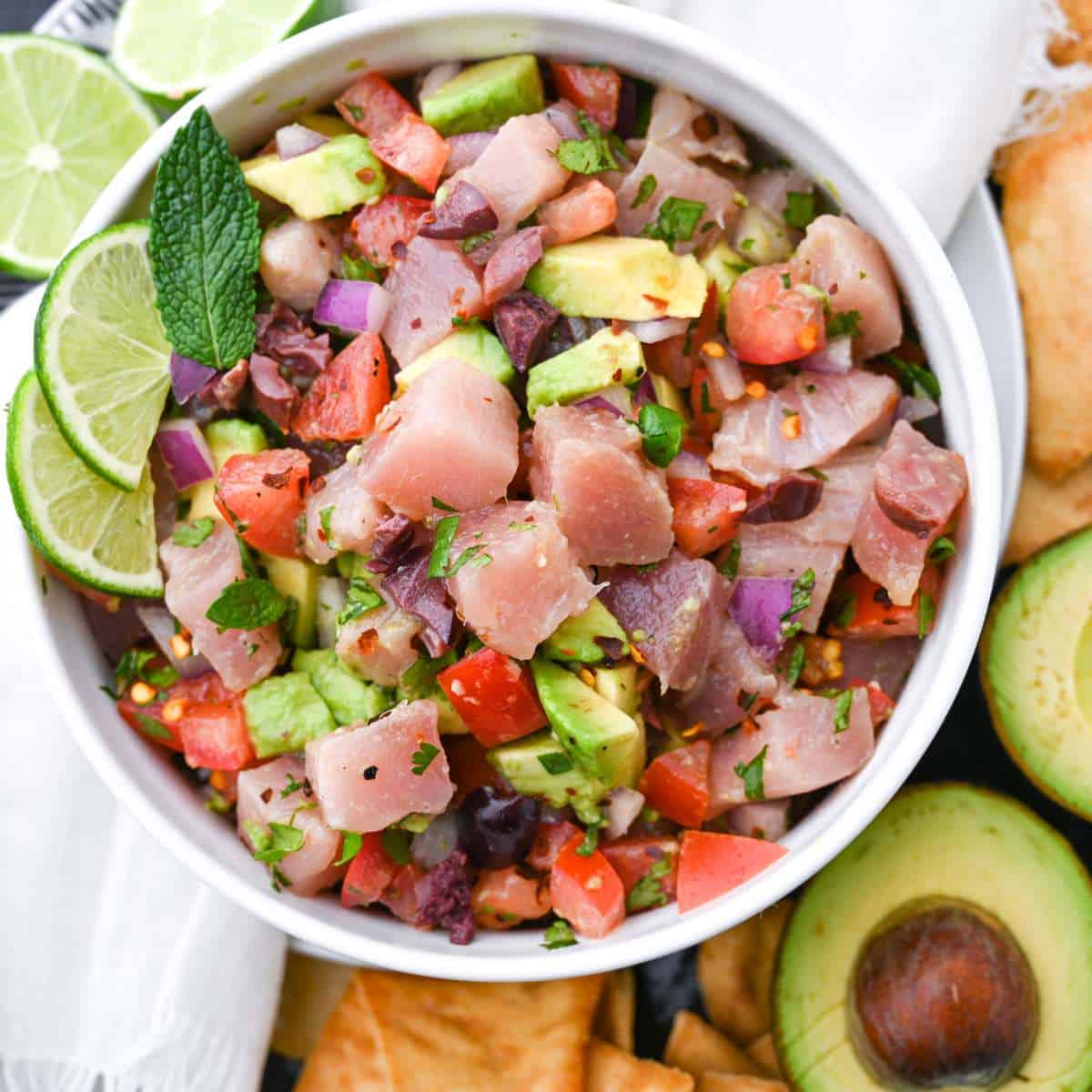
Ceviche, a Chilean Classic
Tabali Barranco Mountain Viognier
Our second Chilean wine is from approximately 150 miles further North in the Limari Valley. Across Chile’s 2700 mile North/South length, there is usually only a marginal climatic difference between the valleys, that is until you reach the extremes in Latitude. This minor 150 miles should mean very little, instead longitudinal difference should mean a lot more. Here though, we have a double whammy of variation. The Limari Valley sits at the Northern end of where viticulture is possible in Chile, almost touching the Atacama, the driest desert on earth which has a profound influence on the wines grown here. Our first wine was in the East, 7 miles from the Ocean, at the opposite extreme, this wine from Tabali is from grapes picked in the West of the country near the Argentine border. The vineyards here are climbing into the Andes at around 1600m above sea level.
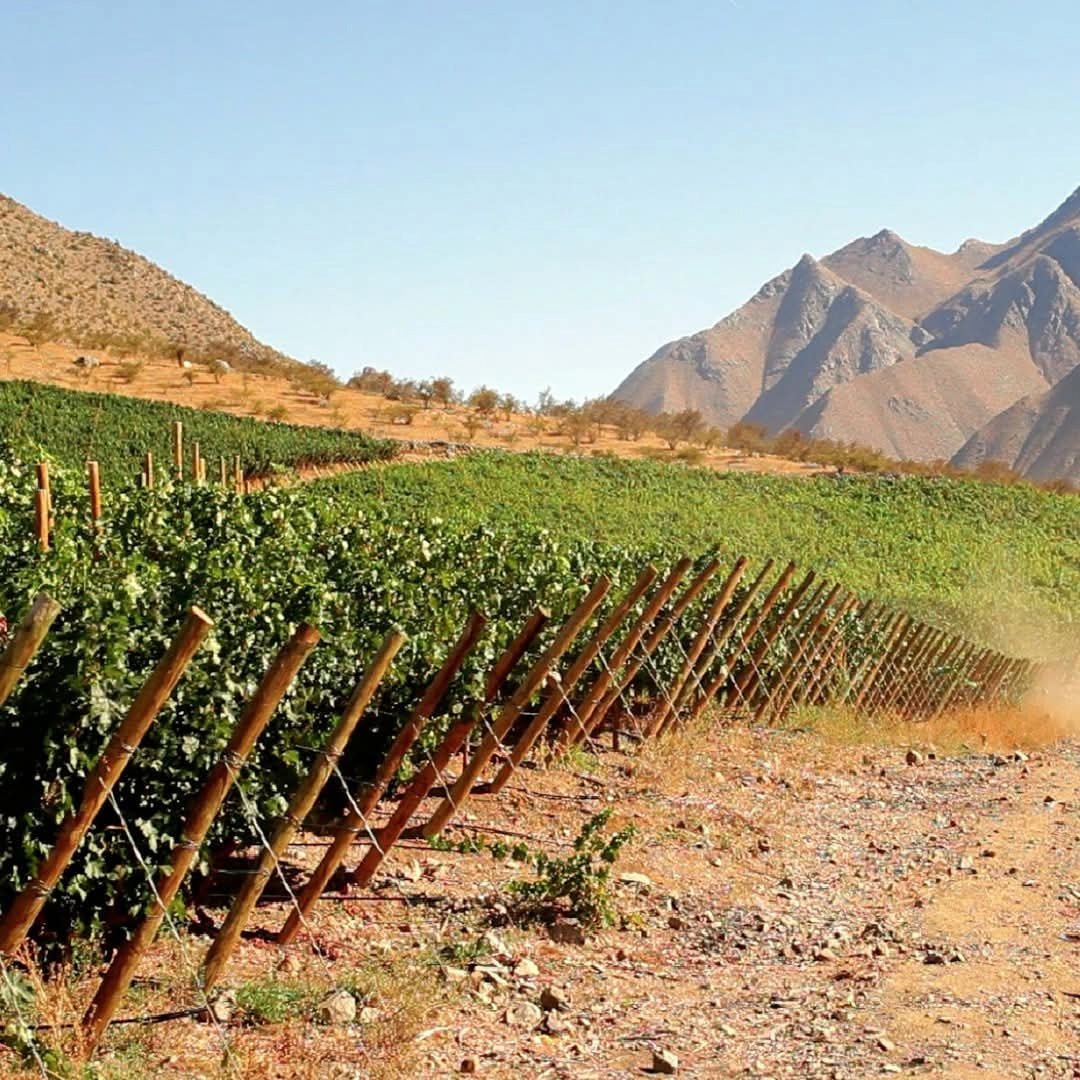
Tabali vineyards are one of the pioneers of the Limari Valley, starting up in 2002, they are currently working towards Sustainable Wines of Chile certification. This certification is a transparent and independent process, which is based on biannual audits carried out by certifying companies registered in the "registry of certifiers of the Sustainability Code". The requirements of the Code are framed in a long-term vision, based on the combination of environmental principles, social equity and economic viability.
Whereas the previous wine from Montes was made from Chile’s most widely planted grape, this Tabali is made from the far rarer Viognier. Chile only grows a tiny 2% of the world’s plantings of this varietal, with most of these plantings grown in the hot central plains, making this single vineyard Andean expression all the rarer and more unique. Originating in France’s Northern Rhone valley, Viognier is a hard grape to get right. The grape needs heat and sunshine to ripen fully but can very quickly become unbalanced, achieving very high sugar levels leading to heightened alcohol levels which can feel hot with lower acidity making the wines feel flabby. It is for these reasons that the extreme conditions the grapes Tabali Barranco is grown in are so important.
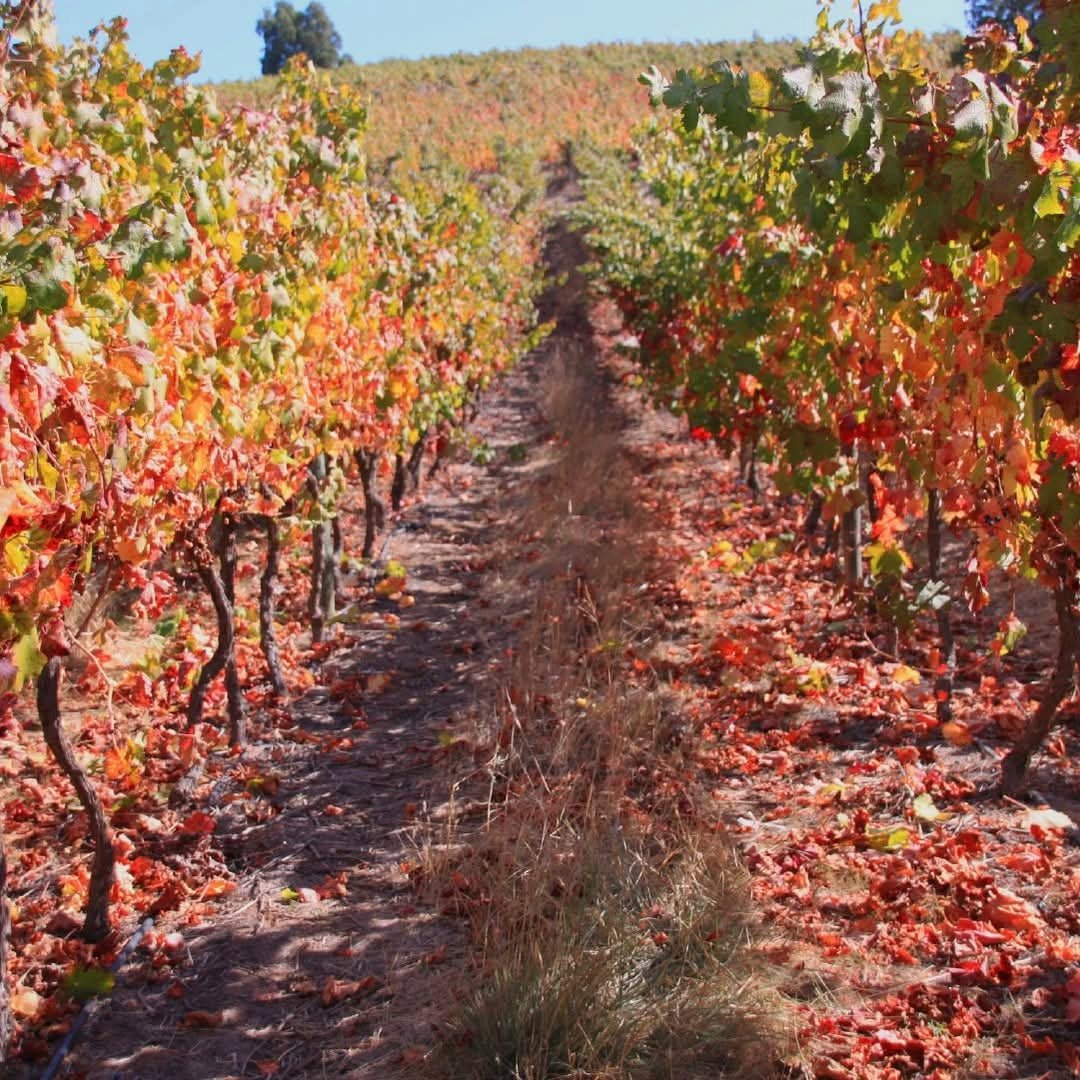
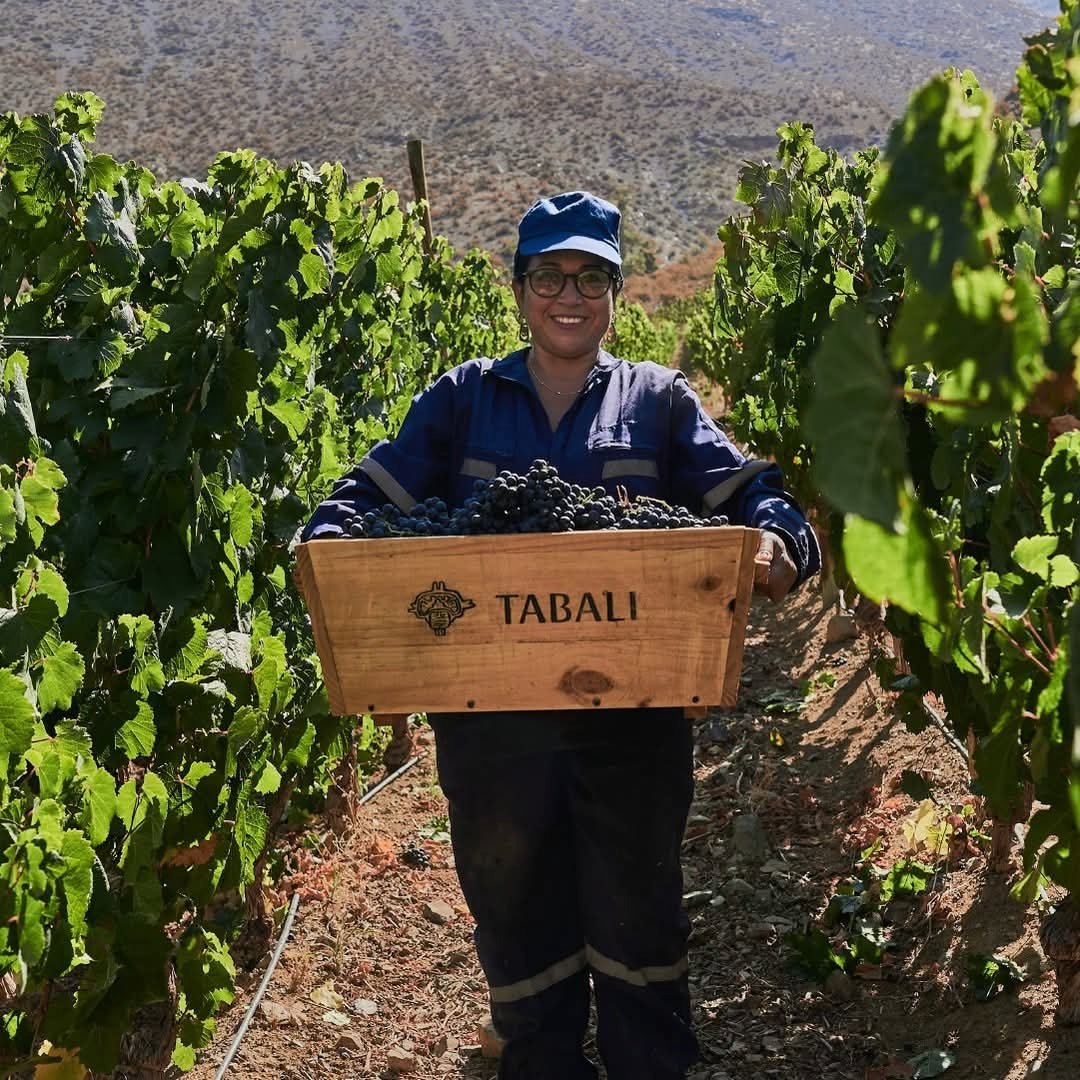
This single vineyard site called Rio Hurtado has altitude on its side. The 300 annual days of sunshine is intense but the 1600m of altitude provide a huge diurnal swing in temperature with cool nights. This temperature variation allows the grapes to have an extended hang time on the vines, fully ripening the grapes and leading to a more expansive aromatic profile whilst retaining the acidity and reigning in the sugar levels that could easily exceed comfort.
Grown on volcanic soils, this Viognier is less pungent on the nose than almost all other Viogner’s I have tried but it is this subtlety of character that ultimately allows the wine to show the true complexity that Viognier is capable of. Instead of a classically unctuous apricot bomb masking anything else, the Tabali Barranco is floral and spicy in equal measure. The softer white fruit elements are still there but are in check, perfect equilibrium. I find this to be a really interesting wine to pair with alpine cheeses, Comte would be delicious, but if you can seek out a cheese coated in dried alpine meadow flowers called “Alp Blossom” this would be perfect, Emanuelle at Metz Cheesemongers over in Farsley stocks this one. Other than cheeses, this would be an interesting pairing with sushi where it would work with both the elements of wasabi and pickled ginger.
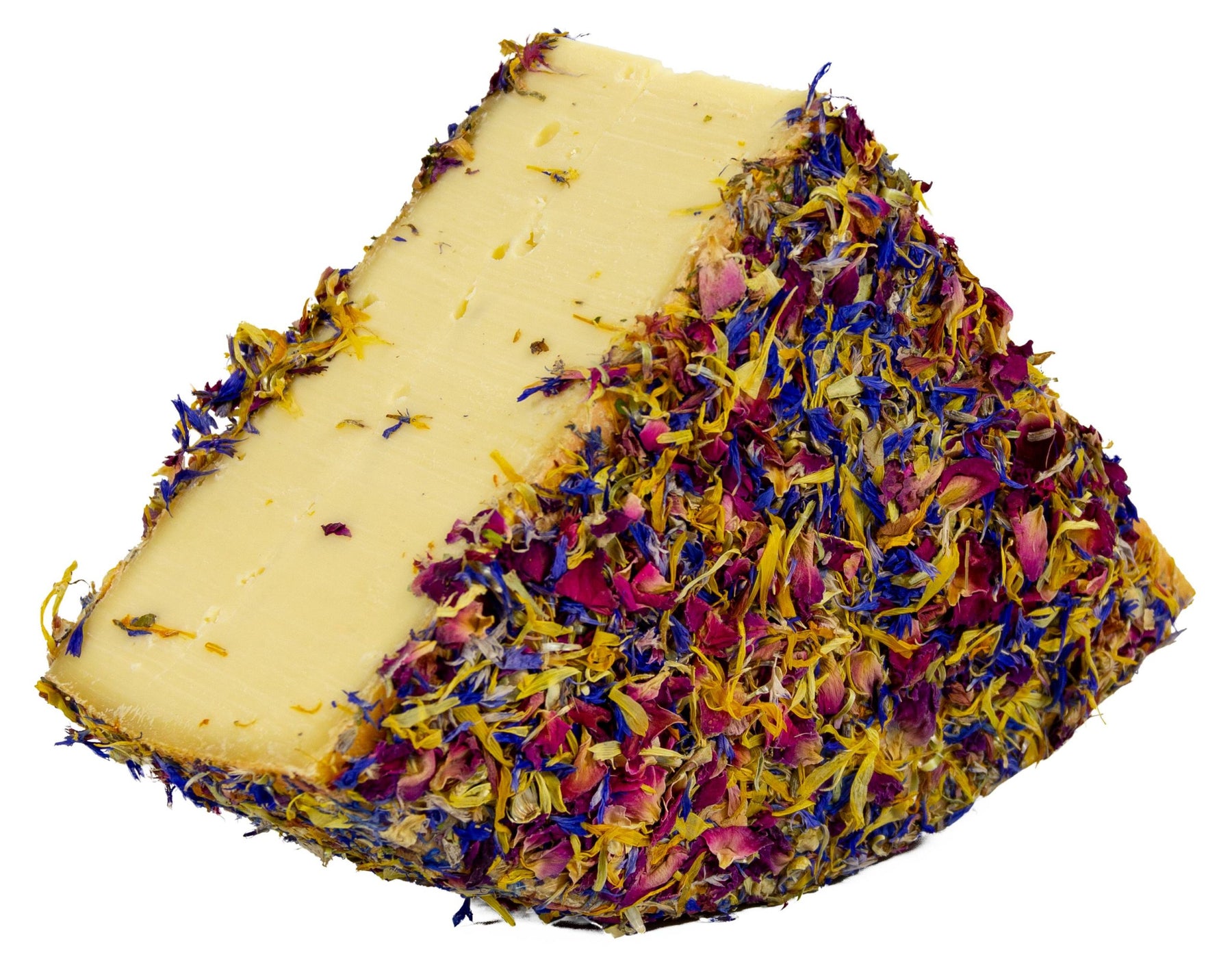
Alp Blossom Cheese

Argentina
Bodegas Colome Estate Torrontes
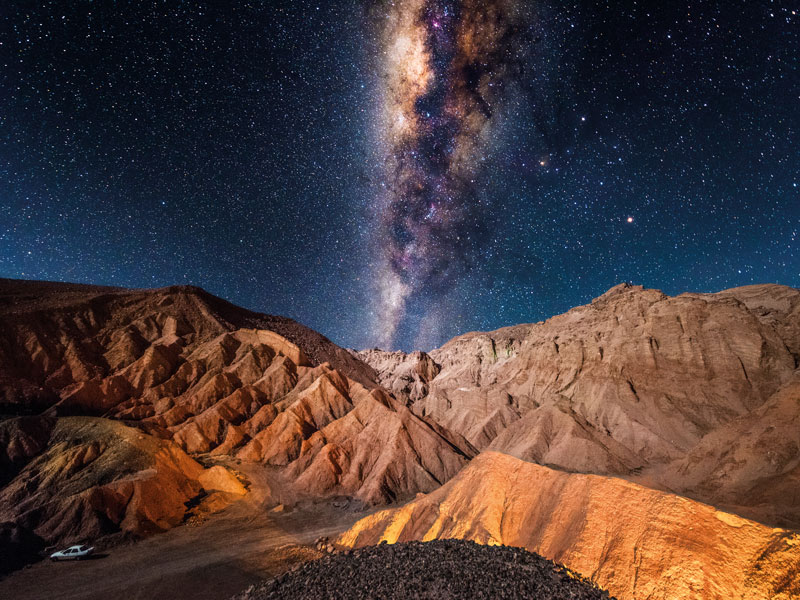
Now we go East, heading over the peaks of the Andes themselves and into Argentina. We are also going North, into the dry Atacama Desert itself. This is the region of Salta, one of the most extreme wine regions on earth. Multiple vineyards of the Salta region sit at lower latitudes, (closer to the equator), and higher altitudes than anywhere else on Earth. Interestingly, these two factors balance each other out to create an excellent climate for viticulture as the cold temperatures associated with high altitude are mitigated by the high temperatures found at these latitudes.


One key point to make about vines grown in Salta is the solar exposure that all grapes here are subjected to. Salta, sitting in the rain shadow of the Andes has almost no cloud cover, the grapes are bombarded with UV rays which is ideal for red grapes, but less good for most white grapes. The way grapes cope with the high UV is by developing thicker skins. In reds, this translates to more colour pigment, higher tannins and ultimately more flavour. White grapes can suffer in these extremes, but Torrontes grapes have thick skins which need a high degree of solar bombardment to ripen fully. Such is the intensity of sunshine here in Salta, that these grapes still need protection and so are grown in a pergola system, with the fruit bunches hanging below the vine canopy to shelter in the shade provided by the vine leaves.
Torrontes has become Argentina’s national white grape but confusingly, it is in fact not a single varietal and is instead a whole family of grapes including Torrontés Sanjuanino, Torrontés Mendocino and Torrontés Riojano. To add to the confusion, the wines are only usually labelled simply as Torrontes. The highest quality is the Riojano version which is also luckily the most widely planted!


Colome Estate have Torrontes vines planted between 1700 and 2300m above sea level. The vines are grown biodynamically, in the arid region of Salta there is no need for chemical sprays to combat mildew and there are almost no six-legged vineyard pests to control. Despite the many other challenges of growing grapes and making wines at such high altitudes and in such relative isolation, practising biodynamics is just easy to do here.

The intense sunshine and huge 25-degree change in temperature between day and night leads to a quintessential expression of Torrontes. An aromatic explosion is what you should receive from Torrontes, floral elements of jasmine and honeysuckle lead you to believe that this will be a sweet wine, but in reality, the wine is crisp and bracing. The fruit flavours are all citrus, limes and grapefruits which intermingle with the florality and a natural spice making this perfect wine for Thai food. Torrontes with either a green curry or a pad thai are both tried and tested favourite parings of ours. Typically in Argentina, Torrontes is drunk very cold as an aperitif, often served with empanadas, a type of savoury stuffed pastry.

Pad Thai
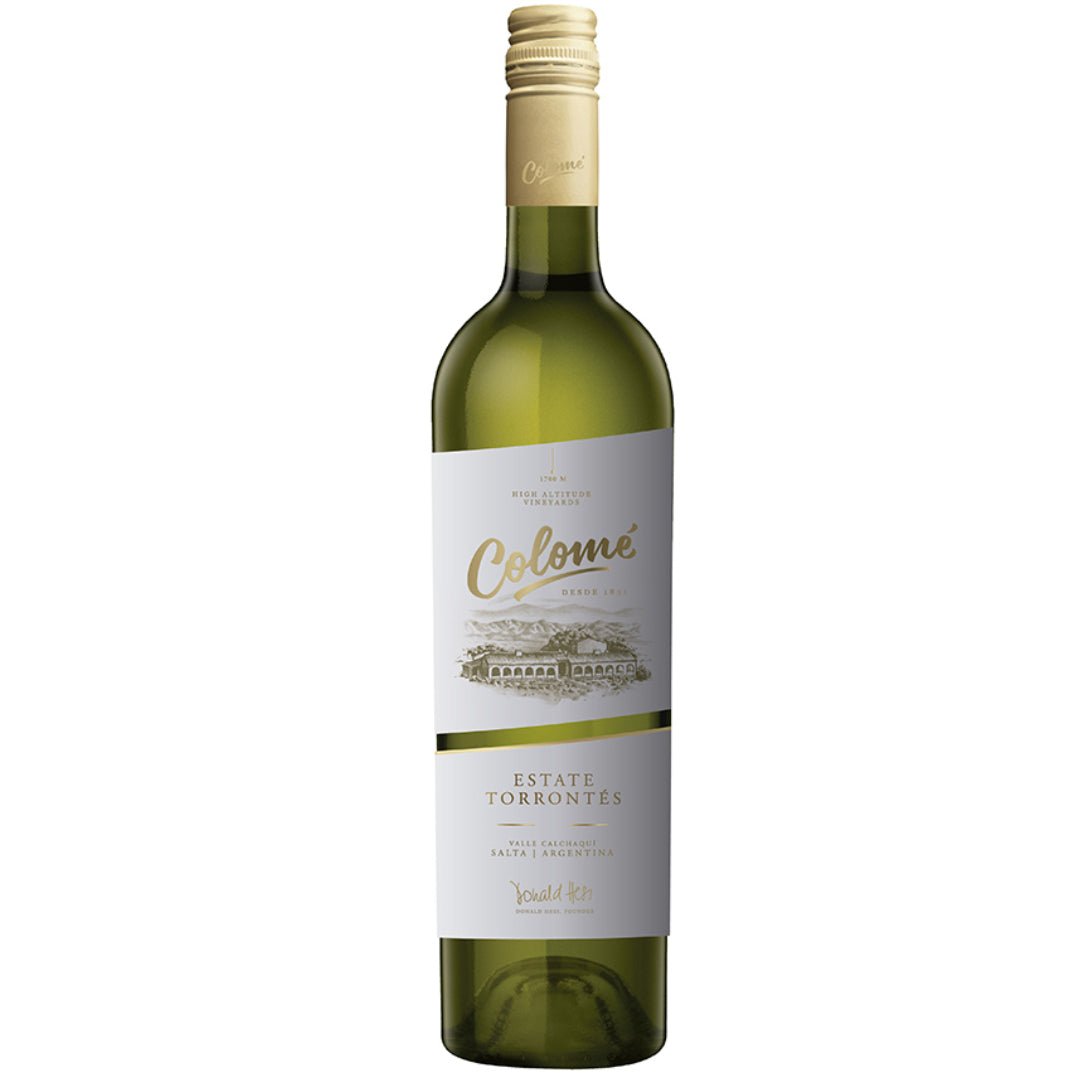
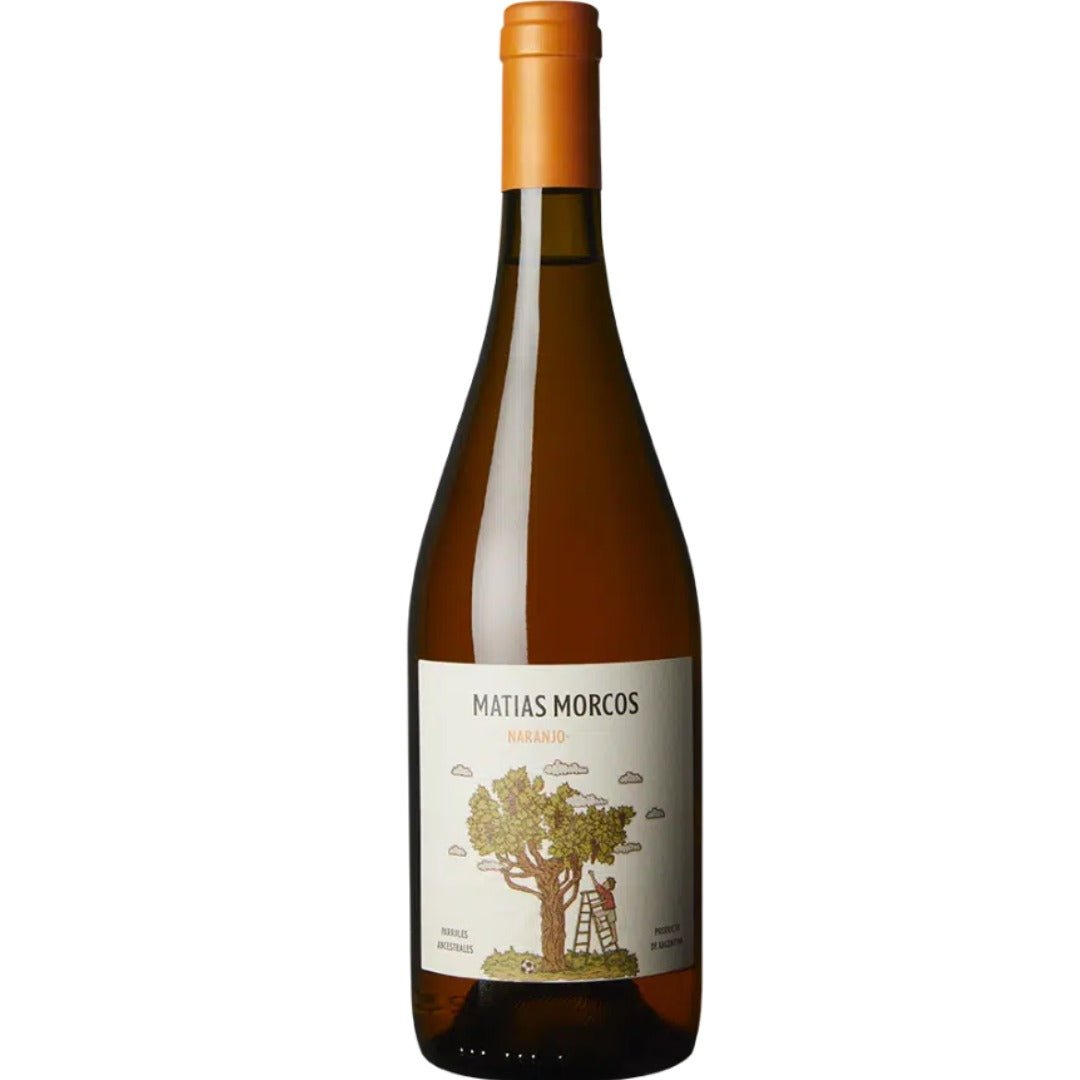
Matias Morcos Moscatel Naranjo
We head South now for our second Argentinian wine, to the province of Mendoza. This is the place of origin you will see for the vast majority of wines from this country. Mendoza is the key hub of wine production in Argentina but the wines are not as homogenous as the sea of Malbecs would lead you to believe. Comparable in size to England, Mendoza has several varied climatic differences within itself, from the highly regarded and equally high altitudes of the Uco Valley, to Lujan de Cuyo closer to Mendoza City itself with its spectacular Andean views and then downhill to the plains of Eastern Mendoza, where Matias Morcos crafts honest wines from lesser seen varieties.
Where appellations such as Lujan and more recently the Uco Valley get all the praise in the modern age, Eastern Mendoza was the home of the original golden age of the Argentine wine industry. Despite the dominance of the prior mentioned regions, Eastern Mendoza still has around 42% of Mendoza’s vine plantings. Much of the crop from here is destined for bulk wine production for domestic consumption which is exactly where the amazing grapes for this wine were destined until very recently.
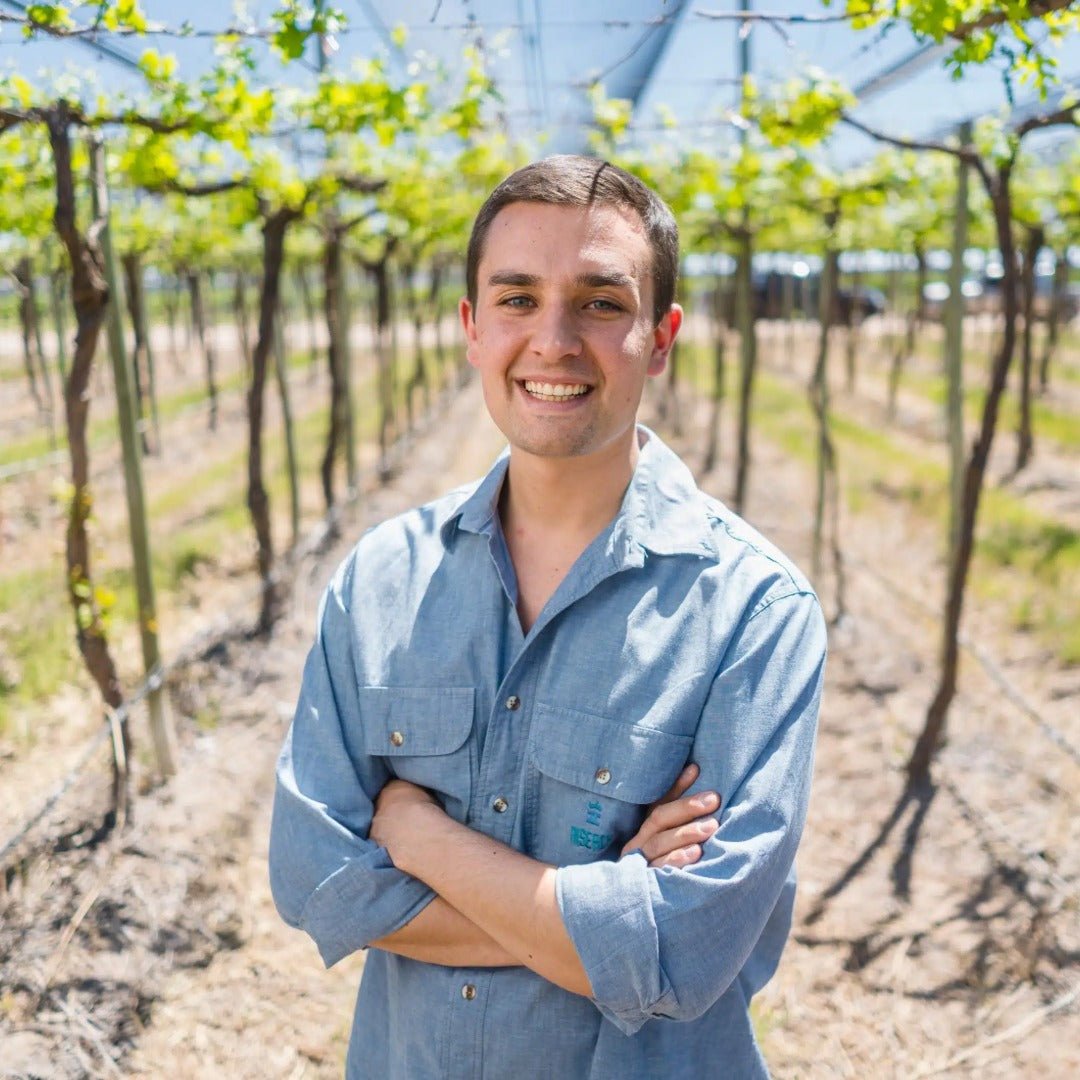
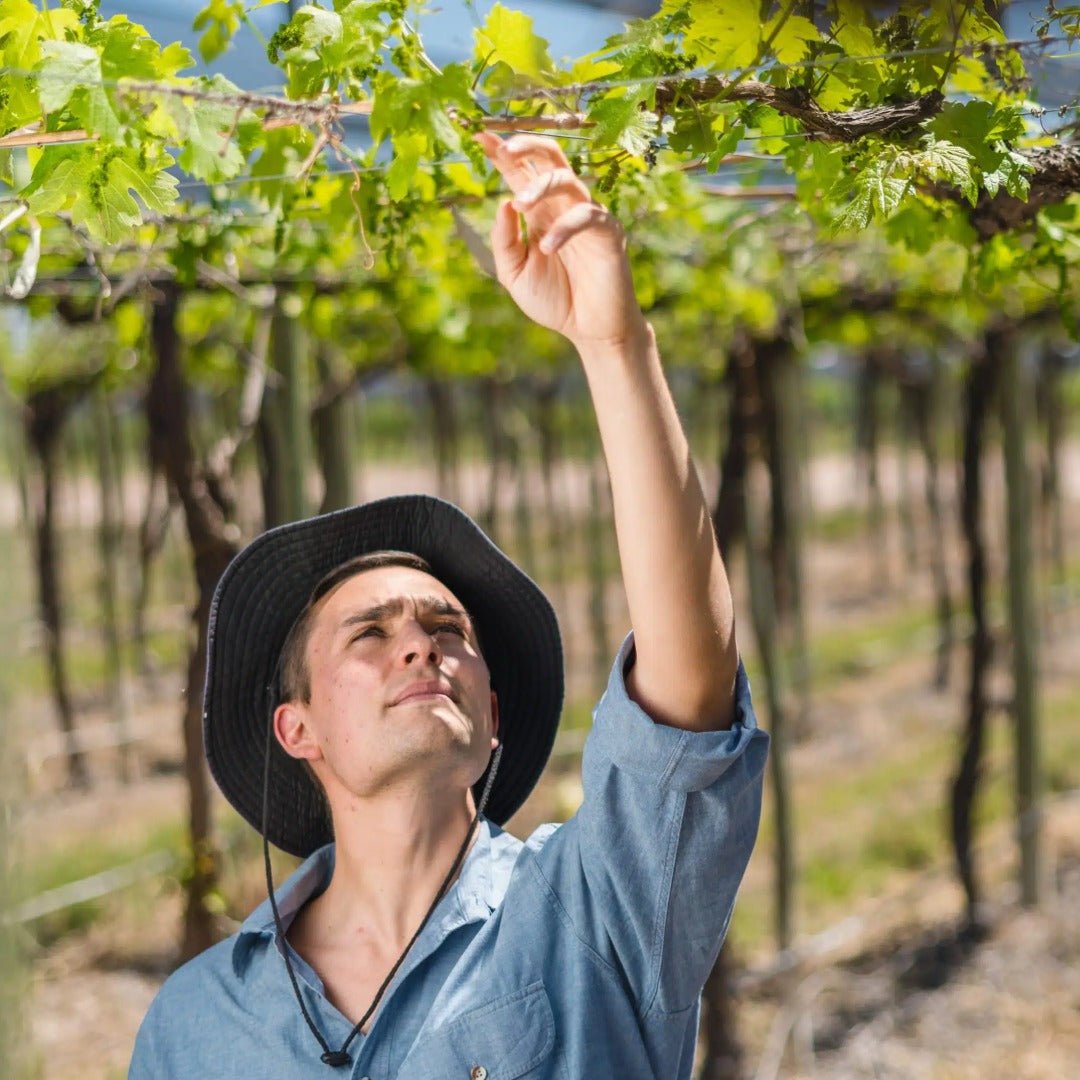
Matias Morcos is a young wine maker, seriously he looks about 17! He took over his family vineyards and has restored a hundred-year-old winery where he is focusing on quality wine production using various Criolla varieties. Criolla is effectively a blanket term for various local mutations and crossings. The version used in this wine is a Criolla called “Moscatel Rosado”, a pink skinned crossing of Moscatel d’Alexandria and an unknown variety.
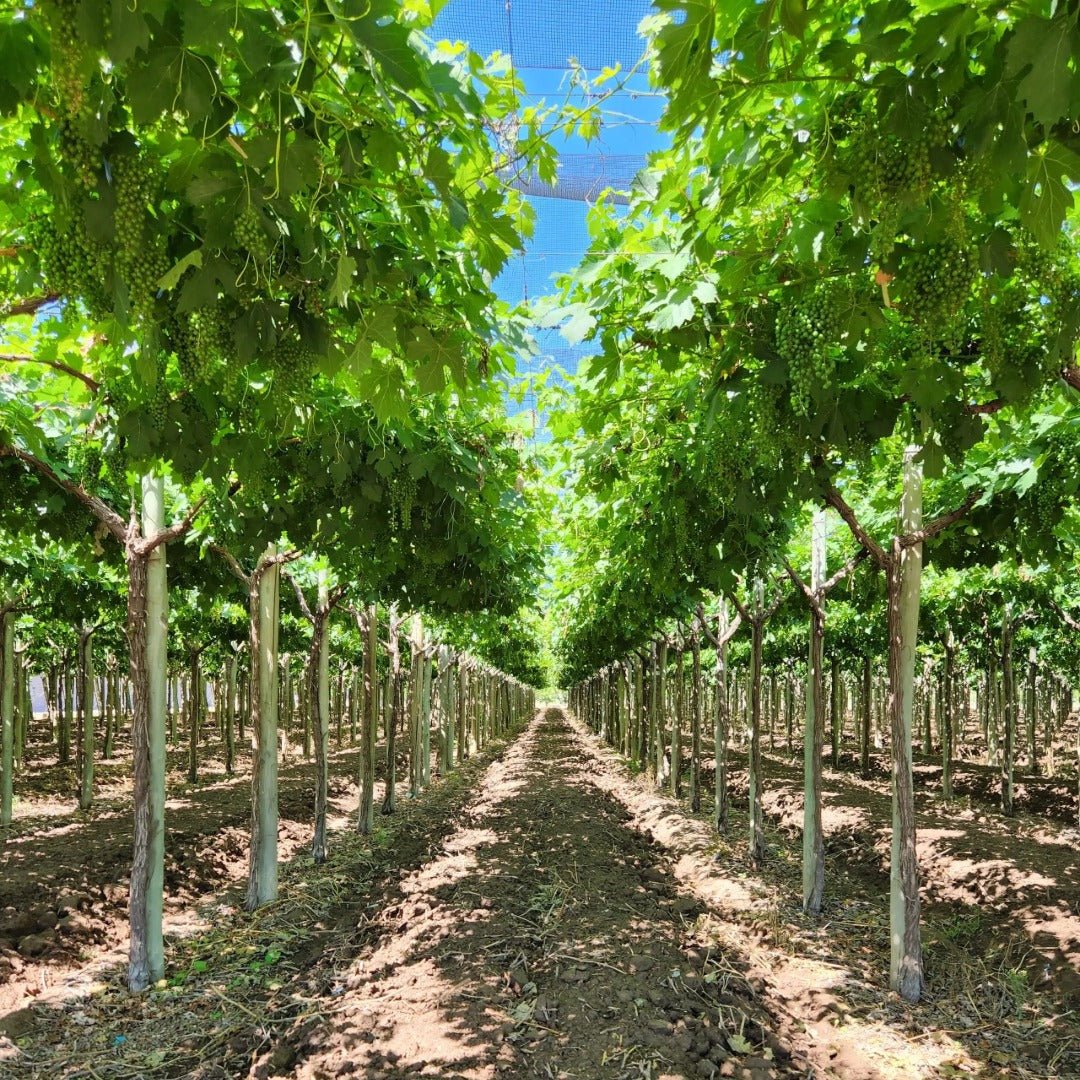
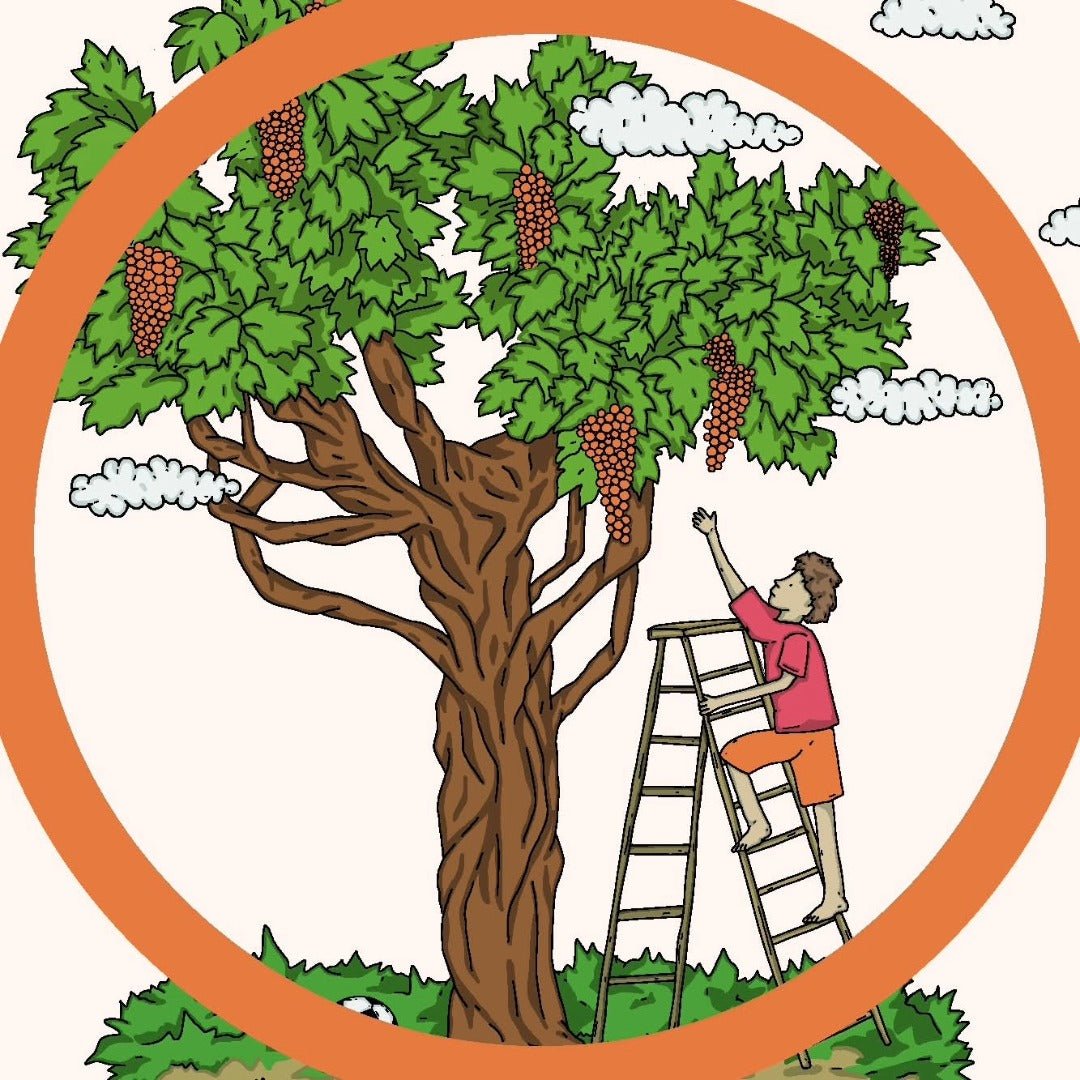
With its pale pink skins, making a red wine with this variety is impossible. Stylistically this is still not quite rose either so is categorised as an orange wine. Clean, modern wine making including a six-month aging in concrete tanks has produced a vibrant, gastronomic wine that I find incredibly alluring even as someone who generally does not gravitate to orange wine styles. The flavours are expressive with candied orange peel, runny honey and hints of exotic flowers and almost zero tannin, making this the perfect wine to accompany the earthier spices of North Africa and the Middle East. Serve it up with some simple bread, hummus and baba ghanoush. Experiment pairing with some form of tagine, chicken and apricot would work but when in Marrakech, I had an amazing “sardine meatball tagine” at a wonderful restaurant called Nomad that I would love to recreate with this wine.

Sardine Meatball Tagine
Uruguay
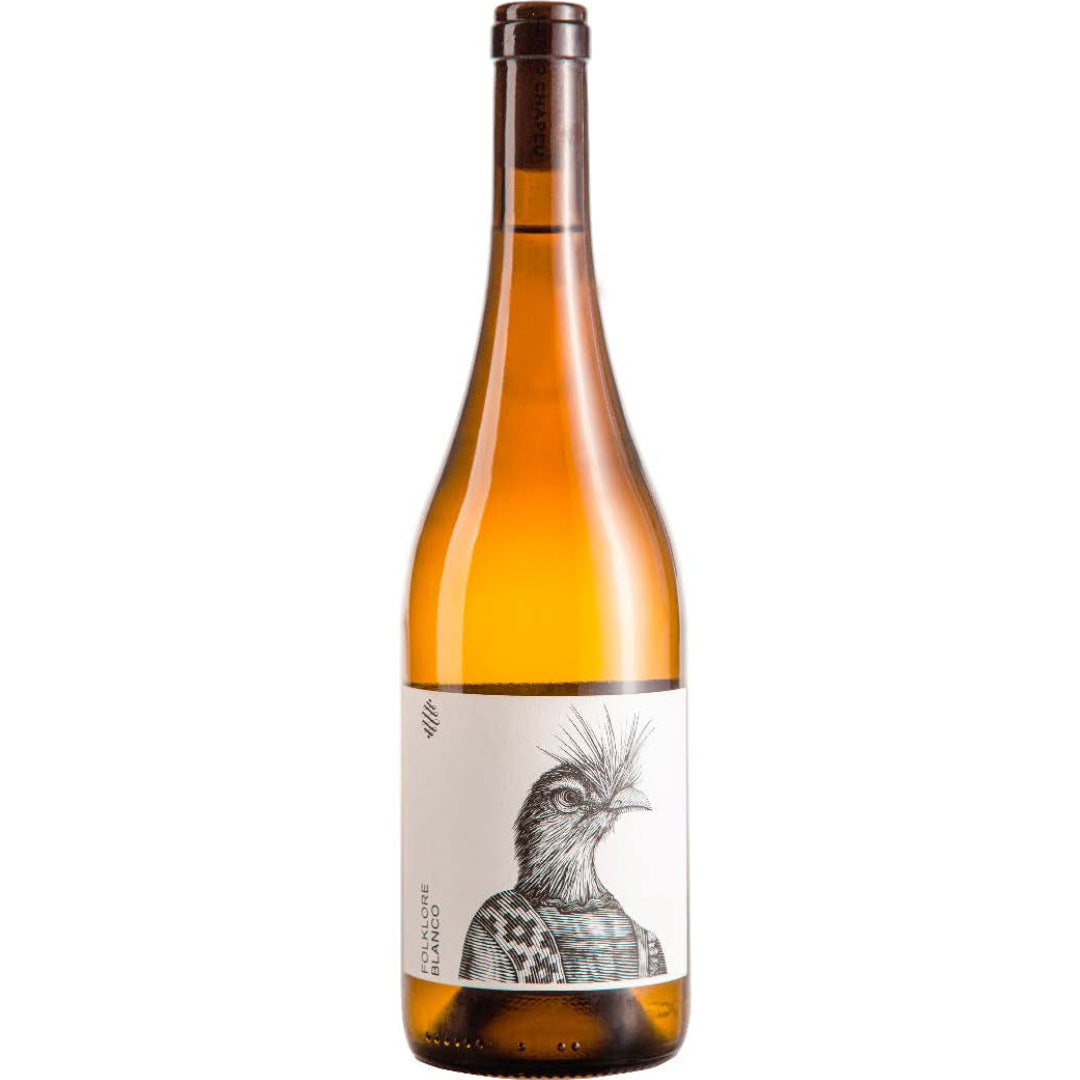
Castel Pujol Folklore Blanco
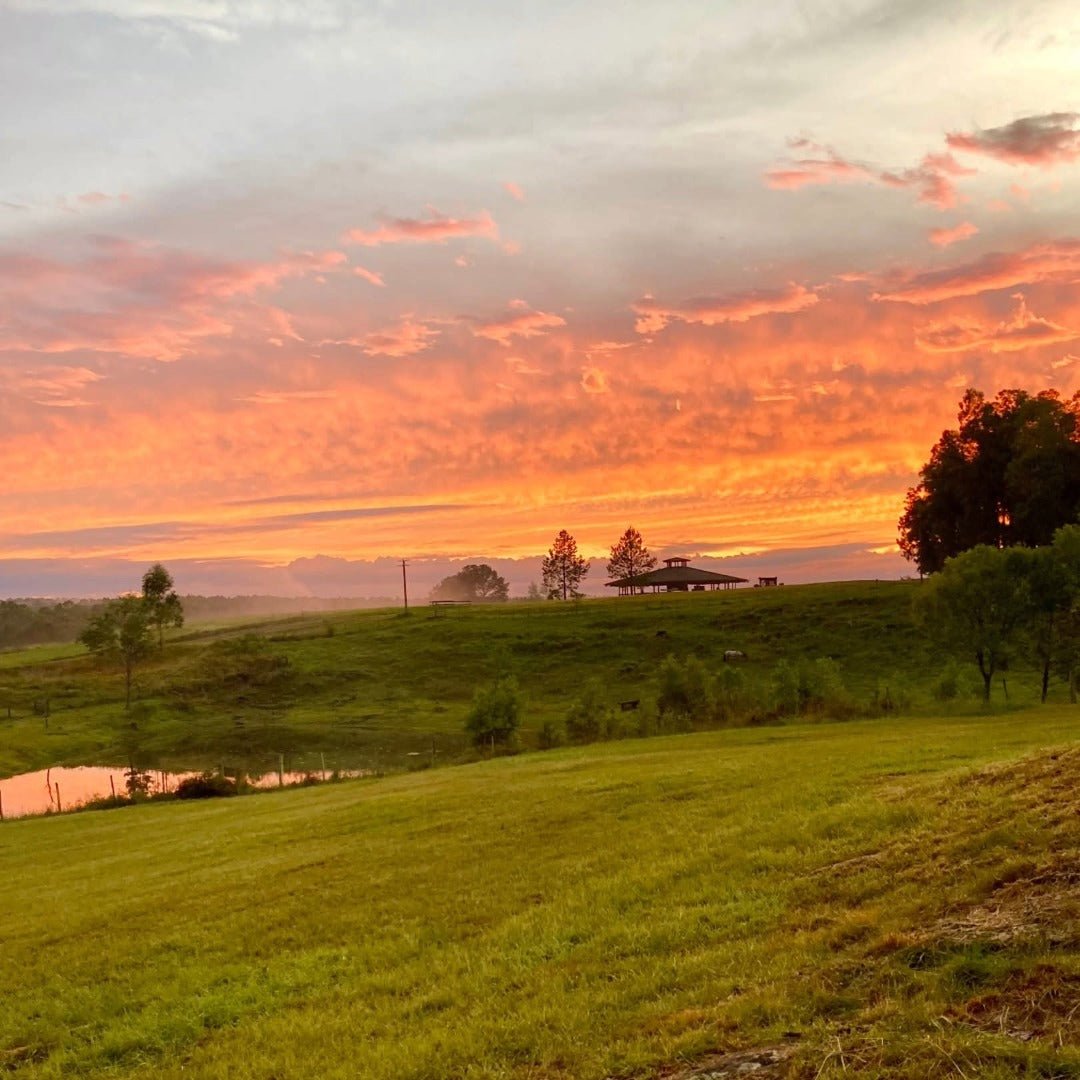
In our Red Wines of the America’s blog, we had a look at Bodegas Garzon in the South of Uruguay, for the white of Uruguay we visit the Northeast of the country and a region called Rivera, on the border with Brazil’s famous wine region of Campanha. Rivera is the hilliest wine region in the country but, in a relatively flat country such as Uruguay, do not expect the soaring peaks of our previous two countries, the highest vines here are only planted at 250m above sea level.
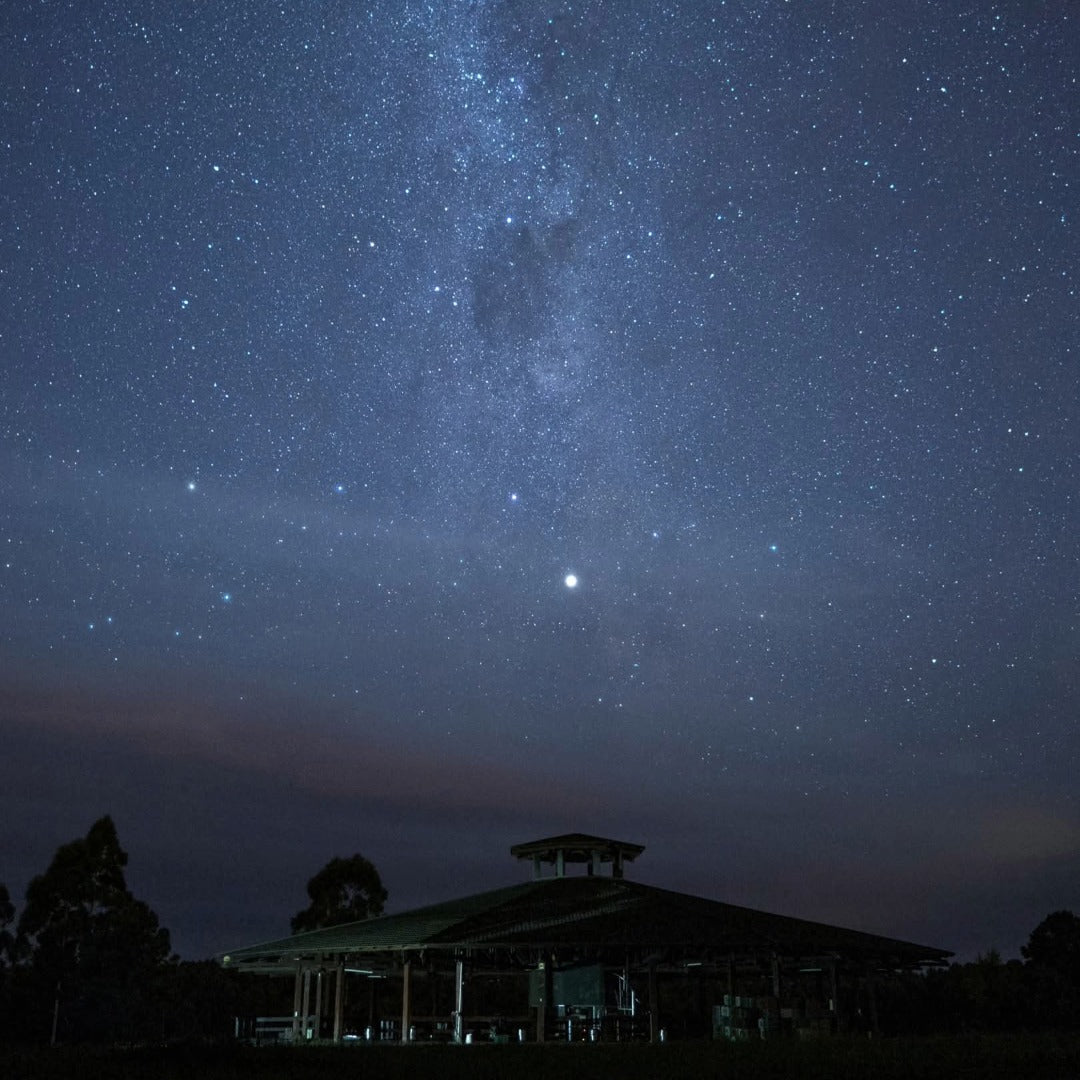
Rivera only has one commercial winery, Bodegas Carrau, where the whole Castel Pujol range are produced. The modern winery is not built on a hill, it is built into the hill with the whole winery being gravity fed so no power is used to pump juice and wine around the winery. Being underground, the winery is also nice and cool, having natural temperature control so less energy is needed to regulate the ambient temperatures or to chill the fermentation tanks. An added bonus, is that the physical winery itself blends in better with the surrounding landscape of this very rural area.
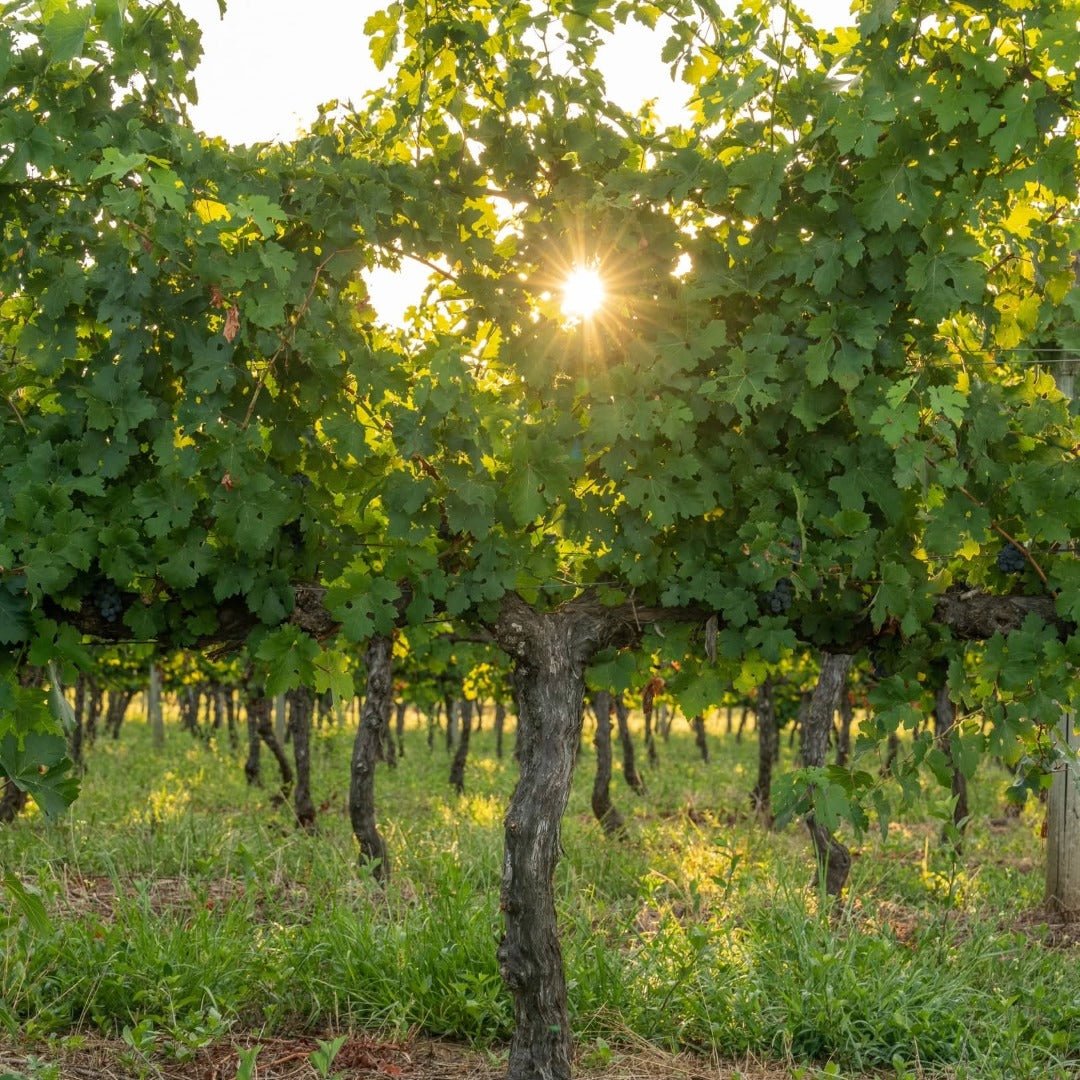
This white wine is produced from a blend of 70% Trebbiano and 30% Malvasia. Trebbiano is the key white grape of Rivera, with Uruguay having a whopping 0.24% of the world’s total plantings! 96% is grown in Italy alone where it produces wines in every quality level. Trebbiano has naturally high acidity, low sugar levels and a high degree of disease resistance. The disease resistance is important as even in this drier, continental climate it means that chemical sprays do not need to be used, the Castel Pujol range are considered fully natural wines. For the most part, Trebbiano produces fairly neutral wines, conveying it’s high acidity but without too much character of its own, the Malvasia blended in is where this wine gets it’s inviting, tropical bouquet. Malvasia has lower natural acidity but packs way more flavour into its berries, giving characters of peach, ripe pear, honey and pink grapefruit to this wine.
Sustainable, and bright, this is a feel-good wine. Perfect for drinking in the sun with salads, cheese and walnut tarts. There is enough body here to stand up to pork, and it would be interesting paired with pork tacos with a mango or pineapple salsa.
Cheese and Walnut Tart
Canada
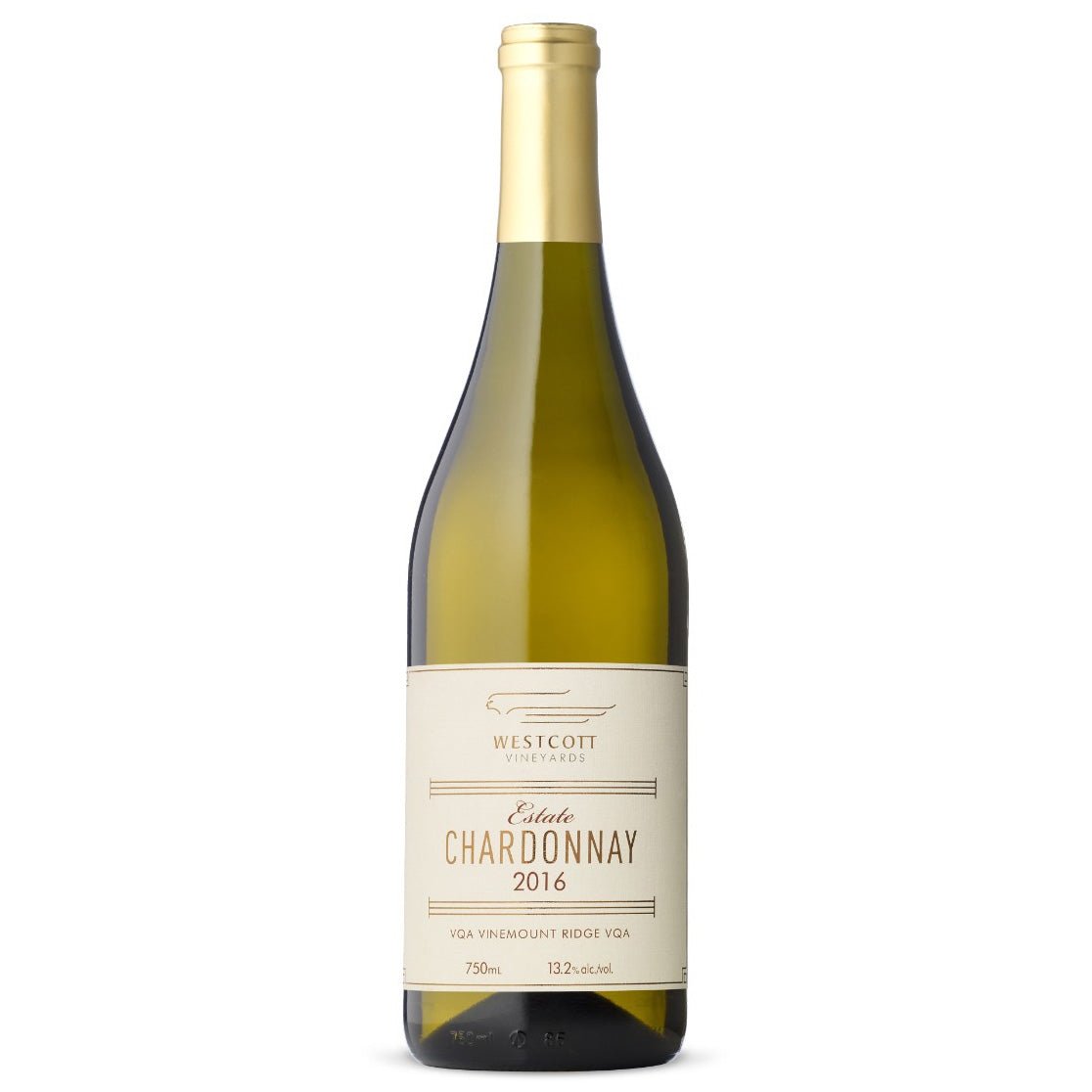
Westcott Vineyards Chardonnay
There isn’t much Canadian wine available in the UK, we had a look at Westcott’s Pinot Noir in our Red Wines of the America’s blog so as a recap, here is a little lazy copy and paste:
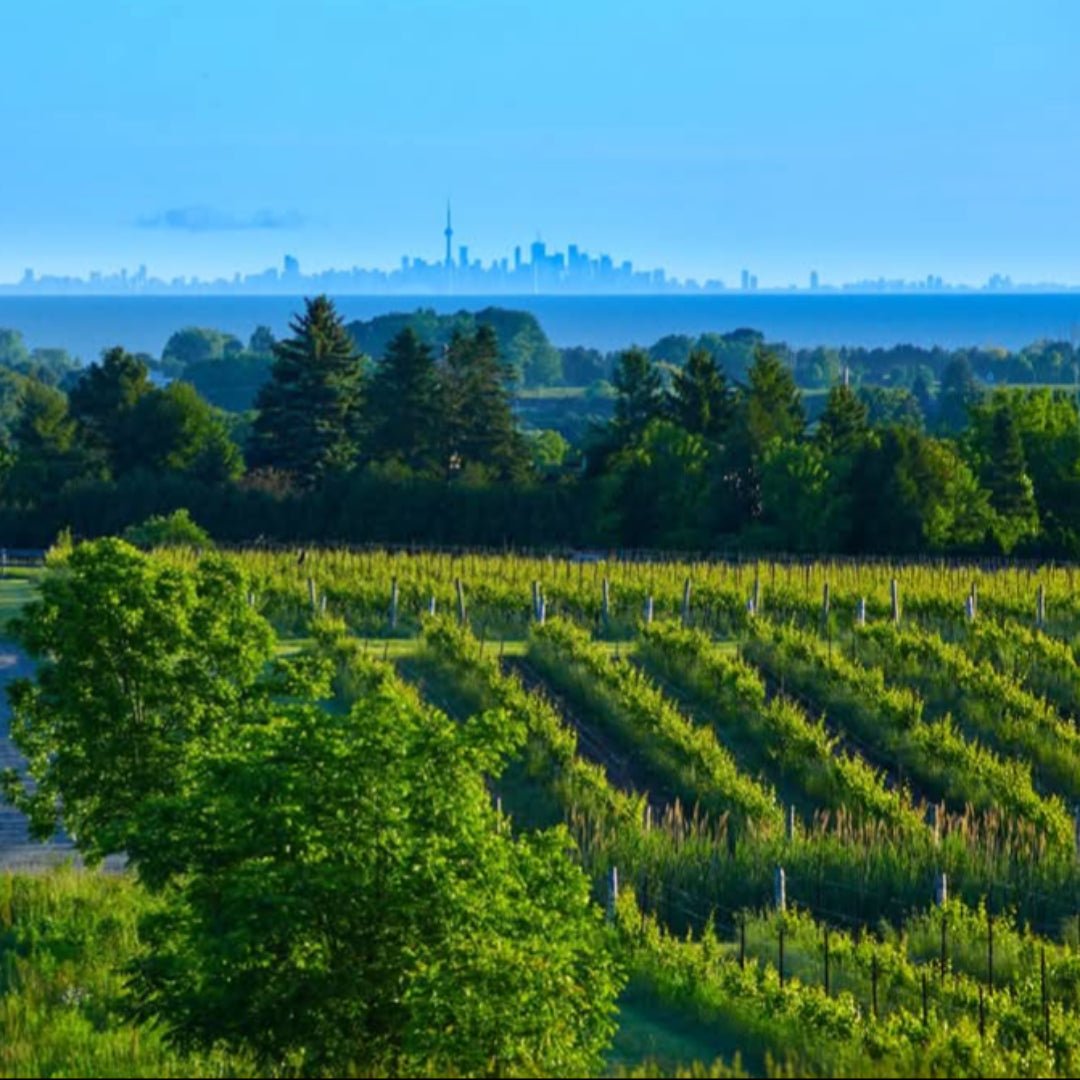
Westcott Vineyards are based in Niagara, just across the bay from Toronto. This is the most prolific wine producing region in Canada, centred around the Great Lakes of Erie and Ontario. These large bodies of water are essential for quality viticulture, the climate here is continental with red hot summers and freezing winters. The Niagara Escarpment, where Westcott’s Vineyards are located, is a limestone ridge that runs through the area, shelters vineyards from colder influences from the south, and instead the vineyards enjoy a long, sunny growing season.
The Westcott operation was started up by Grant Westcott and Carolyn Hurst. This pair had previously been in banking and tech before making the transition to vineyards. Though this may sound like an odd switch, this is how a lot of North American wineries come about. Carolyn is from Ontario and is a self-described wine fanatic whereas Grants early years were spent working the land as a cattle farmer, so the pair weren’t complete strangers to the world of farming and wine. The original aim of the vineyards was to grow grapes to sell to other wineries which started with a vision of the type of wine they would love to help to create. It was not long until the pair were making their own wines instead with winemaker, Arthur Harder, joining the team and releasing their first vintage in 2012.

Chardonnay is often called "the wine makers grape" as it responds well to various wine making techniques. The grape works well when kept fresh and zippy through treatment in stainless steel but most wine makers choose to take a more classic Burgundian approach. These techniques include barrel fermentation and aging to add both oaky flavours and a slow, controlled oxidation to the wine adding flavours such as vanilla and toast. Battonage is also a popular, this is the process of disturbing and stirring in the dead yeast cells that have settled to the bottom of the aging vessels, be they stainless steel tanks or oak barrels, battonage can add flavours such as a yeastiness/breadiness or a creaminess to the wine. A second fermentation is also often employed in Chardonnay production that is often avoided in crisp wine styles, this is malolactic fermentation. Malolactic fermentation, (MLF or malo for short), is a natural process where bacteria's present in the wine convert the sharp, harsh malic acids present in a wine, (the same acid you will find in fruit such as apples), into the softer lactic acid, (present in milk), to give a softer, creamier mouth feel to the wine. Westcott produce a wonderfully rich style of Chardonnay, it isn't hard to piece together the techniques they have used.
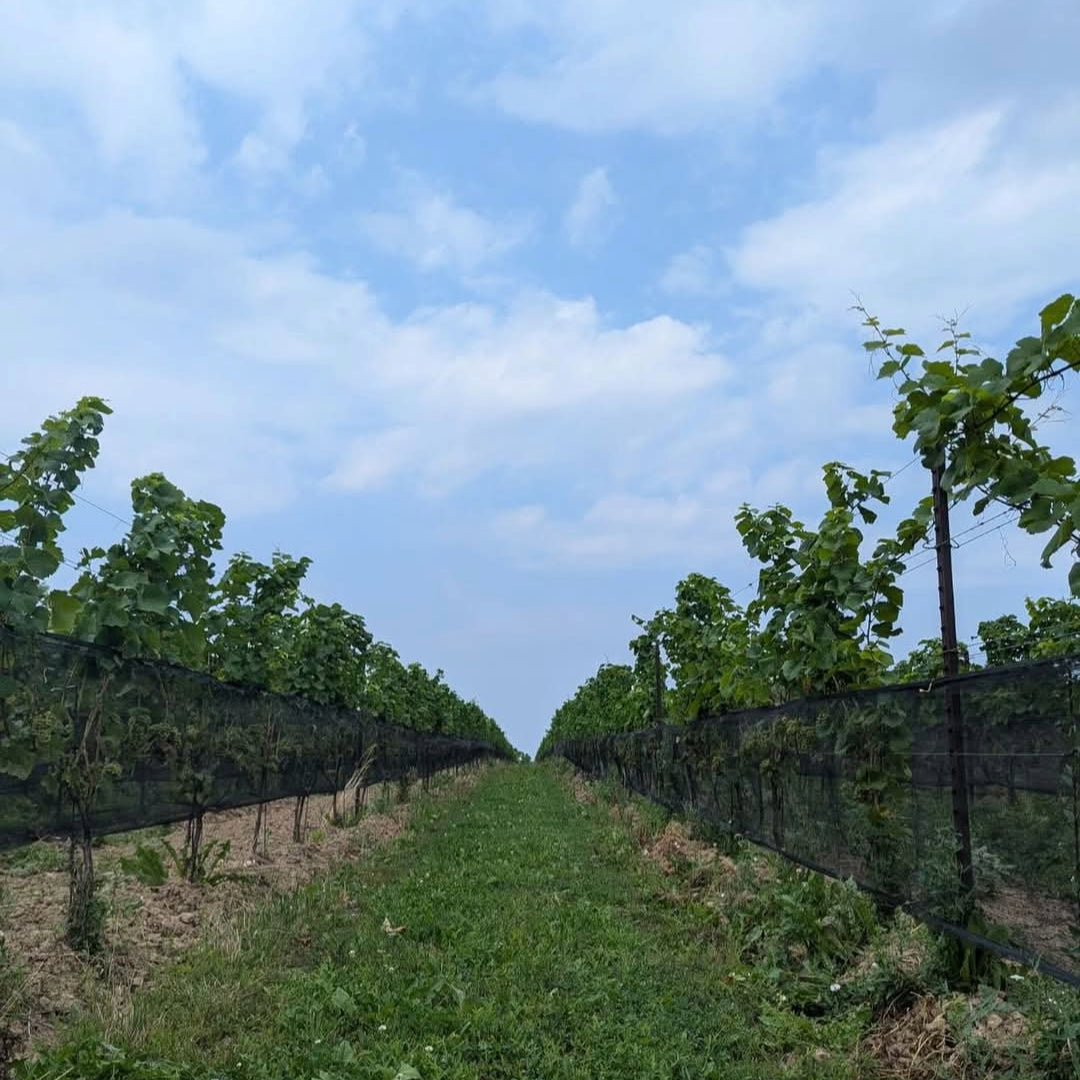
This Chardonnay is a great stylistic bridge between a classic Burgundy the more opulent Californian style. Baked apple on the nose with pineapple, honeycomb all backed up by creamy butter and brioche. Versatile enough for your chicken/turkey roast or something spicy such as jerk chicken or a cheeky Nandos!

Homemade "Nandos"
![]()